
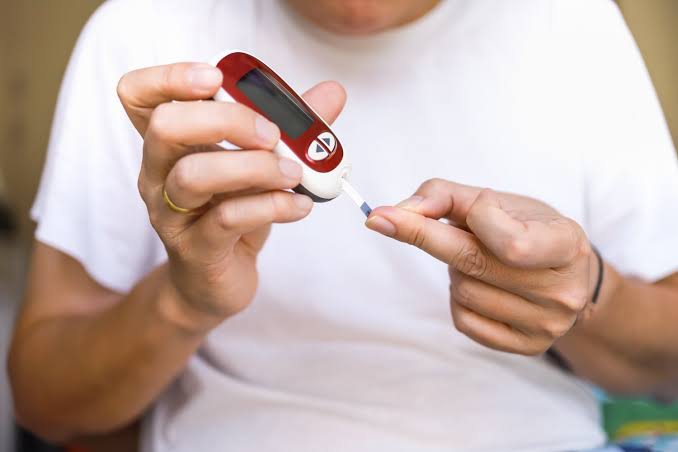
When Should You Not Trust a CGM Reading and Check With a Glucometer?
Continuous glucose monitors (CGMs), including FreeStyle Libre and Dexcom, are extremely useful, but there are situations when a fingerstick blood glucose test may be the better source of information.
The key principle is:
If the CGM reading doesn’t match how you feel or doesn’t make sense, confirm it with a blood glucose meter when appropriate.
1. When Your Symptoms Don’t Match the CGM Reading
This is one of the most important situations.
For example, your CGM says 95 mg/dL, but you feel symptoms that strongly suggest low blood sugar, such as:
Shaking
Sweating
Dizziness
Weakness
Confusion
Unusual hunger
Rapid heartbeat
Or your CGM reports a very low glucose level when you feel completely normal.
In either situation, follow your device’s instructions and confirm with a glucometer when appropriate, particularly before making treatment decisions.
2. When the Reading Changes Very Quickly
CGMs measure glucose in interstitial fluid, rather than directly measuring glucose in the bloodstream.
Because of this, there can be a delay between changes in blood glucose and the CGM reading.
This can happen after:
Eating
Exercise
Taking insulin
Treating hypoglycemia
Drinking a sugary beverage
During rapid glucose changes, a fingerstick measurement can sometimes provide a more current picture of blood glucose.
3. When You Get an Unexpectedly Low Reading
Unexpected lows deserve particular attention.
For example, if your CGM suddenly changes from 110 mg/dL to 55 mg/dL without an obvious reason, consider confirming the result with a glucometer if you can do so safely and according to your device’s instructions.
This is especially important if you don’t have symptoms of hypoglycemia.
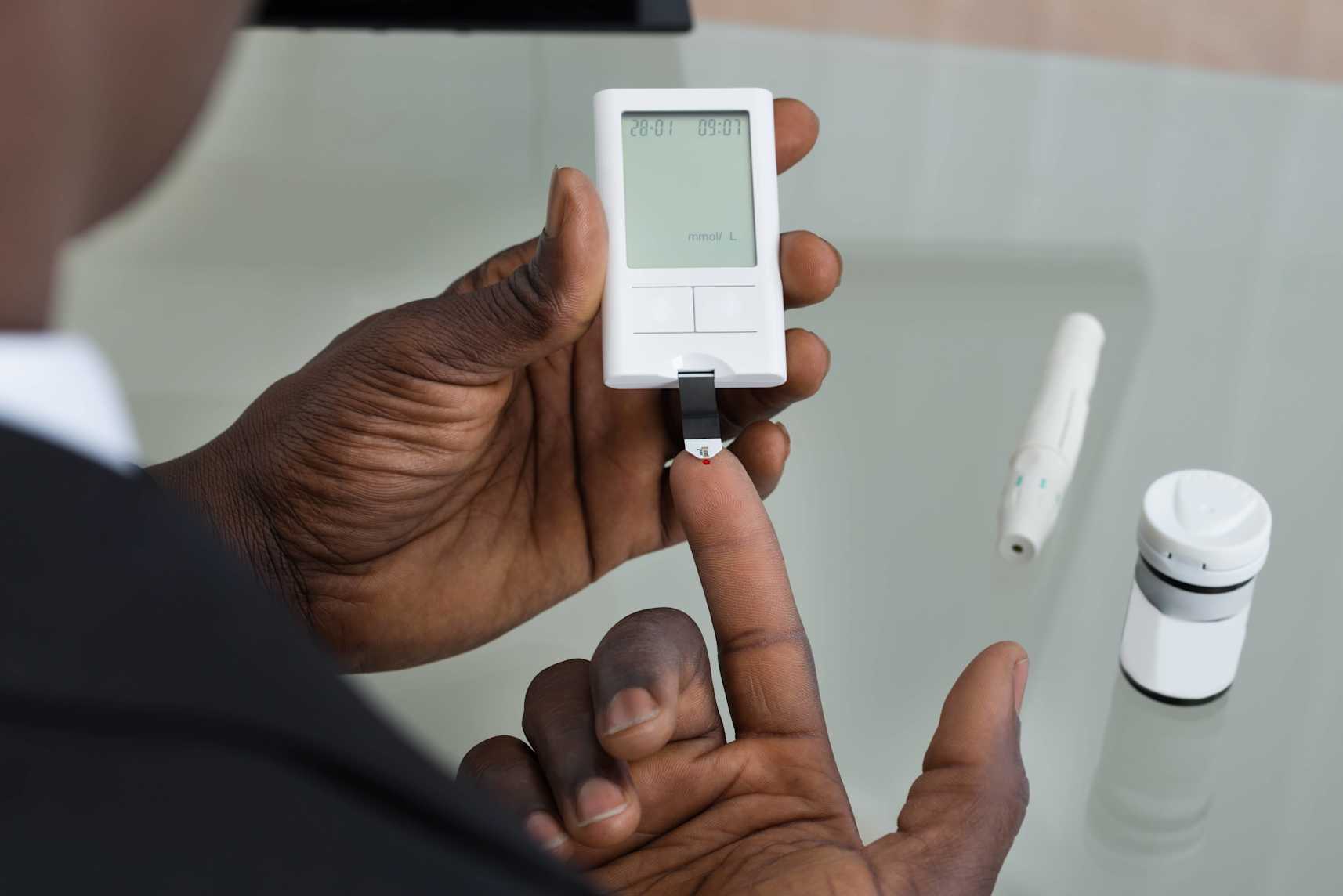
4. When You Suspect a “Compression Low”
A compression low can occur when pressure is placed on the CGM sensor, commonly while sleeping.
You might wake up to an alarm showing:
55 mg/dL
But after getting up and removing pressure from the sensor, the reading may begin returning toward your usual range.
If the result seems inconsistent with how you feel, a fingerstick can help determine whether you are actually hypoglycemic.
5. When the Sensor Is New
Newly inserted sensors may require a warm-up period and can sometimes behave differently during the early part of their wear period.
Follow your specific manufacturer’s instructions regarding when readings can be used for treatment decisions.
If you’re receiving unexpected readings from a new sensor, consider using your meter for confirmation when appropriate.
6. When the Sensor Is Damaged or Coming Loose
A sensor that’s partially detached, damaged, or repeatedly producing errors may not provide reliable readings.
Don’t simply ignore the problem or compensate by changing your alarm thresholds.
Instead:
Check the sensor and manufacturer’s troubleshooting instructions.
Use your glucometer if you need a glucose measurement.
Replace the sensor if instructed or necessary.
7. When the CGM Gives a Sensor Error
If the device says it cannot provide a glucose reading, don’t assume your glucose is normal.
Use your backup glucose-monitoring method if you need to know your current glucose level.
8. Before Making an Important Treatment Decision
If the CGM value seems questionable and you’re about to make a significant treatment decision, confirmation may be appropriate.
This can be particularly relevant for people using insulin or medications that can cause hypoglycemia.
Always follow the treatment instructions provided by your healthcare professional and the manufacturer of your CGM.
9. During Severe Illness or When You’re Very Unwell
When you’re sick, glucose can become more unpredictable.
If CGM readings seem inconsistent with your symptoms or other measurements, use your meter according to your diabetes care plan and contact your healthcare team when necessary.
CGM vs. Glucometer: Which Should You Believe?
It’s not that one device is always “right” and the other is always “wrong.”
They measure glucose in different places:
Glucometer → blood glucose
CGM → interstitial glucose
When glucose is relatively stable, the two measurements are often reasonably close. When glucose is changing rapidly, they can temporarily differ.
That’s why trend arrows and the clinical situation matter—not just the number on the screen.
A simple rule to remember
CGM reading + symptoms agree → usually follow your normal CGM-based plan.
CGM reading + symptoms don’t agree → consider confirming with a glucometer.
CGM reading seems obviously abnormal or the sensor reports an error → use your backup meter and troubleshoot/replace the sensor according to the manufacturer’s instructions.
And if you have symptoms of severe hypoglycemia, confusion, loss of consciousness, or another medical emergency, treat it as an emergency rather than waiting for the CGM or meter to resolve the discrepancy.
When Should You Double-Check a CGM Reading With a Glucometer?
A CGM can provide valuable information throughout the day, but it should not be treated as an infallible measurement. Understanding when to verify a reading with a traditional blood glucose meter can help prevent inappropriate treatment and reduce anxiety caused by unexpected readings.
10. When the CGM Reading Is Changing Faster Than Expected
Pay attention to the trend arrow, not just the glucose number.
For example, a CGM might show 100 mg/dL with a downward arrow. If you recently exercised or took insulin, your glucose could continue falling even though the current number isn’t technically low yet.
If the reading seems inconsistent with what is happening, checking your blood glucose with a meter can provide additional information.
11. Before Driving When the Reading Seems Unreliable
People who use insulin or other glucose-lowering medications that can cause hypoglycemia should be particularly cautious about glucose levels before driving.
If your CGM gives an unexpected reading, is displaying an error, or doesn’t match how you feel, confirm your glucose with a blood glucose meter before driving when appropriate.
Never drive if you’re experiencing symptoms of hypoglycemia or impaired awareness.
12. Before Exercise When Your Glucose Doesn’t Make Sense
Exercise can cause glucose levels to change rapidly.
Suppose your CGM suddenly shows 70 mg/dL and falling, but you feel completely normal and the reading seems inconsistent with your recent food intake and activity.
A fingerstick can help confirm what’s happening before you begin or continue exercise.
This can be especially important for people who use insulin or medications that increase the risk of hypoglycemia.
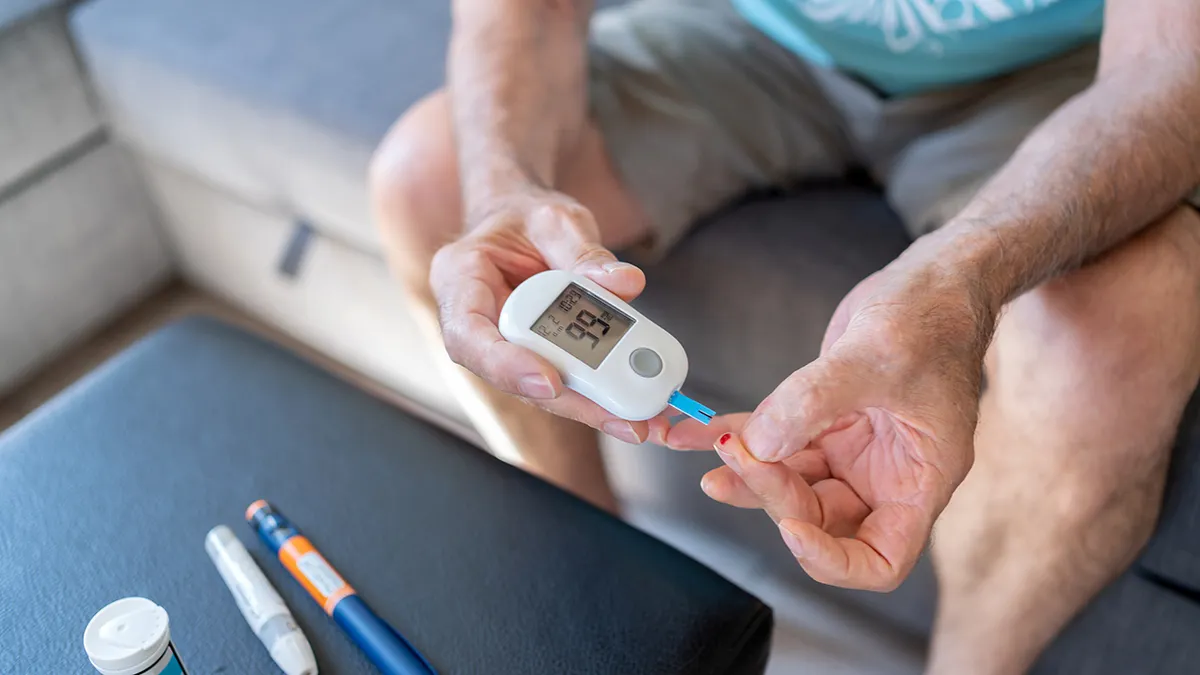
13. After Treating a Low Glucose Level
After treating hypoglycemia, don’t expect the CGM to immediately reflect the change in blood glucose.
Because CGMs measure interstitial glucose, there can be a delay while glucose levels are changing.
Instead of repeatedly checking every few minutes, follow your established hypoglycemia treatment plan and the recommendations for your particular CGM.
If the CGM continues to show an unexpectedly low value while you feel better, a glucometer may help clarify the situation.
14. When You Have a “Perfect” Reading That Doesn’t Match How You Feel
This situation is easy to overlook.
A CGM showing 100 mg/dL might seem reassuring, but if you are experiencing strong symptoms of hypoglycemia, don’t dismiss those symptoms simply because the CGM number looks normal.
The same principle applies in the opposite direction.
If the CGM reports a very high glucose level but you feel that something is wrong, investigate rather than assuming the number is automatically correct.
15. When You Have Repeatedly Inconsistent Readings
One discrepancy doesn’t necessarily mean your sensor is defective.
However, if you repeatedly see patterns such as:
CGM: 60 mg/dL
Meter: 95 mg/dL
or
CGM: 250 mg/dL
Meter: 170 mg/dL
you should investigate the discrepancy.
Check:
Whether the meter was used correctly
Whether your hands were clean and dry
Whether the CGM is within its approved wear period
Whether the sensor is properly attached
Whether glucose is changing rapidly
Whether your CGM or meter has reported an error
If significant discrepancies continue, contact your CGM manufacturer or healthcare professional.
Don’t Forget About Your Glucometer Technique
Sometimes the meter, rather than the CGM, is responsible for an unexpected result.
Before checking your blood glucose:
Wash your hands with soap and water.
Dry them thoroughly.
Use an unexpired test strip.
Follow your meter’s instructions carefully.
Avoid testing with contaminated or sugary fingers.
For example, touching fruit, juice, candy, or other food and then testing without washing your hands can produce a falsely high fingerstick result.
So when CGM and meter results disagree, don’t automatically assume the CGM is wrong.
What About Calibration?
Some CGMs require or allow calibration, while others are designed to operate without routine user calibration.
Never enter a fingerstick value into a CGM unless your particular device is designed to accept calibration.
Adding calibration values to a system that doesn’t require or support them can create additional problems.
Always follow the instructions for your specific CGM model.
When a CGM Reading Should Be Treated as a Warning
A CGM reading can still be useful even when you decide to confirm it with a glucometer.
Think of the CGM as providing three pieces of information:
1. Current glucose
What is the approximate glucose level?
2. Trend
Is glucose rising, falling, or staying relatively stable?
3. Pattern
What has happened over the past several hours?
A meter provides a blood glucose measurement at one particular moment.
So the best approach isn’t necessarily to choose CGM OR glucometer. In many situations, they can complement each other.
When You Should Replace the Sensor Instead of Relying on the Meter
If you’ve repeatedly confirmed that your CGM is producing unreliable readings, don’t continue using it indefinitely just because you have a glucometer available.
Consider contacting the manufacturer or replacing the sensor according to the device instructions if:
The sensor repeatedly fails.
You receive persistent sensor errors.
The sensor has become detached.
Readings remain substantially inconsistent.
The sensor is damaged.
The device indicates that the sensor needs replacement.
A backup meter is important, but it shouldn’t be used to compensate indefinitely for a malfunctioning CGM.
The Bottom Line
You don’t need to check your blood glucose with a glucometer every time your CGM gives you a reading.
Instead, use the meter strategically when the CGM result is questionable or when the consequences of an incorrect reading could be significant.
A useful rule is:
If the number doesn’t match your symptoms, the situation, or what you expected to see, stop and verify it.
And remember that CGM readings can lag behind blood glucose during rapid changes, so temporary differences don’t automatically mean that either device is defective.
For people who use insulin or medications that can cause hypoglycemia, having a functioning blood glucose meter and test strips available as a backup is especially important.