
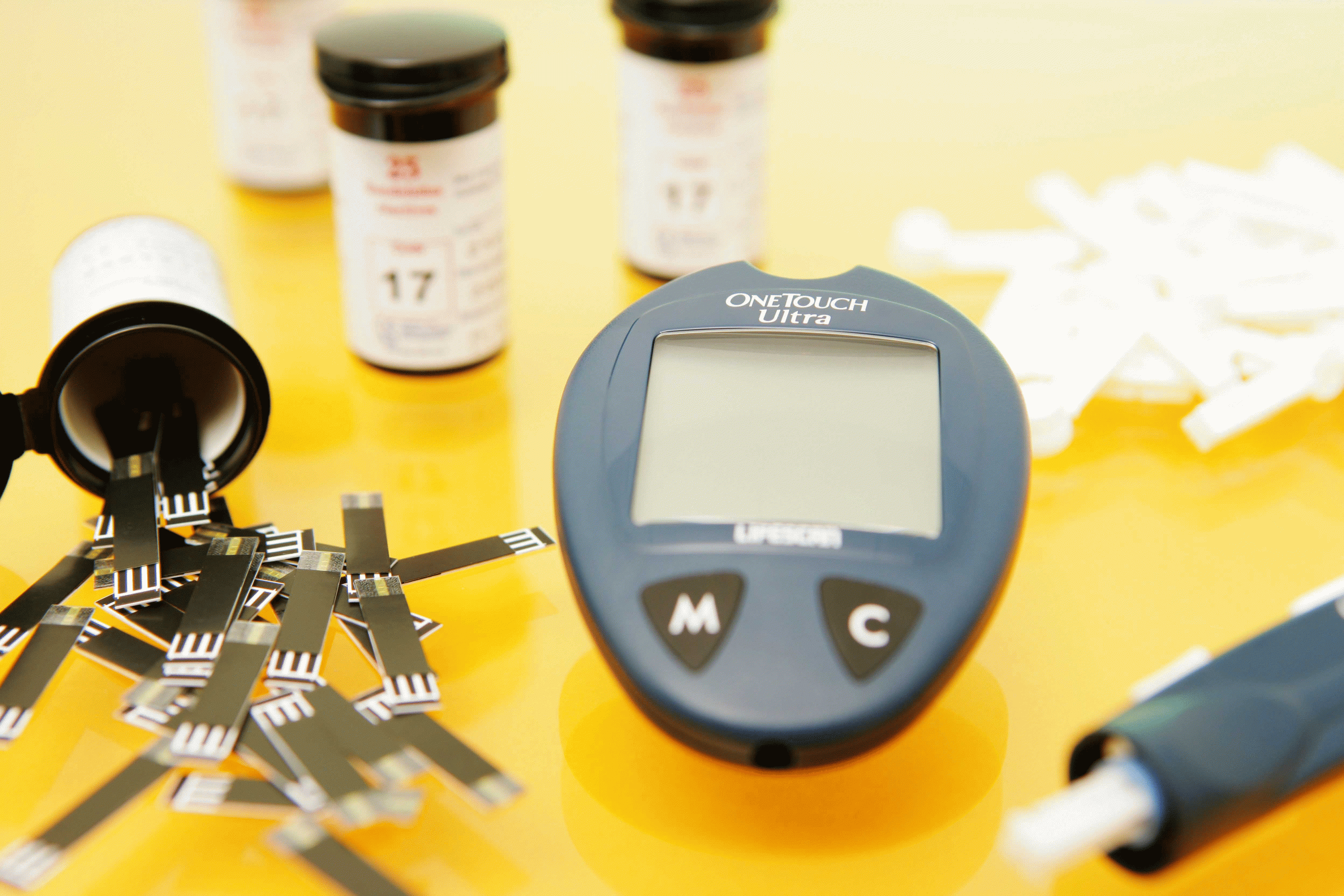
Differences Between Diabetes Equipment for Children and Adults
Diabetes management requires the use of various medical devices and tools, including glucose meters, insulin pens, insulin pumps, Continuous Glucose Monitoring (CGM) systems, lancets, and injection supplies. Although many diabetes technologies are designed for all age groups, important differences exist between equipment made for children and equipment intended primarily for adults.
These differences are not only related to size or appearance. Pediatric diabetes equipment is carefully designed to meet the unique physical, emotional, behavioral, and medical needs of children, while adult diabetes equipment focuses more on independence, long-term disease management, advanced customization, and lifestyle flexibility.
Understanding these distinctions helps parents, caregivers, healthcare providers, and patients choose safer and more effective diabetes tools for each stage of life.
Why Children Need Specialized Diabetes Equipment
Children are not simply “small adults.” Their diabetes management needs are different because of:
Smaller body size
More sensitive skin
Rapid growth
Unpredictable eating habits
Variable physical activity
Emotional development
Dependence on caregivers
School and social environments
For these reasons, pediatric diabetes devices are often designed with additional safety, simplicity, comfort, and monitoring features.
Differences in Glucose Meters
Blood glucose meters used by children are usually designed to reduce discomfort and simplify testing.
Popular glucose meters include:
Accu-Chek Guide
Contour Next One
OneTouch Verio Reflect
Smaller Blood Sample Requirements
Children’s glucose meters often require very small blood samples.
This is important because:
Children have smaller fingertips
Frequent testing may cause pain
Less blood improves comfort
Adult meters may tolerate larger sample sizes because adults usually handle fingersticks more easily.
Faster Reading Speeds
Pediatric-friendly meters often prioritize fast results to reduce anxiety and improve cooperation during testing.
Young children may struggle to remain still for extended periods.
Child-Friendly Designs
Many pediatric diabetes devices include:
Bright colors
Simple screens
Large icons
Audio guidance
Easy navigation
Adult devices usually focus more on detailed analytics and advanced data features.
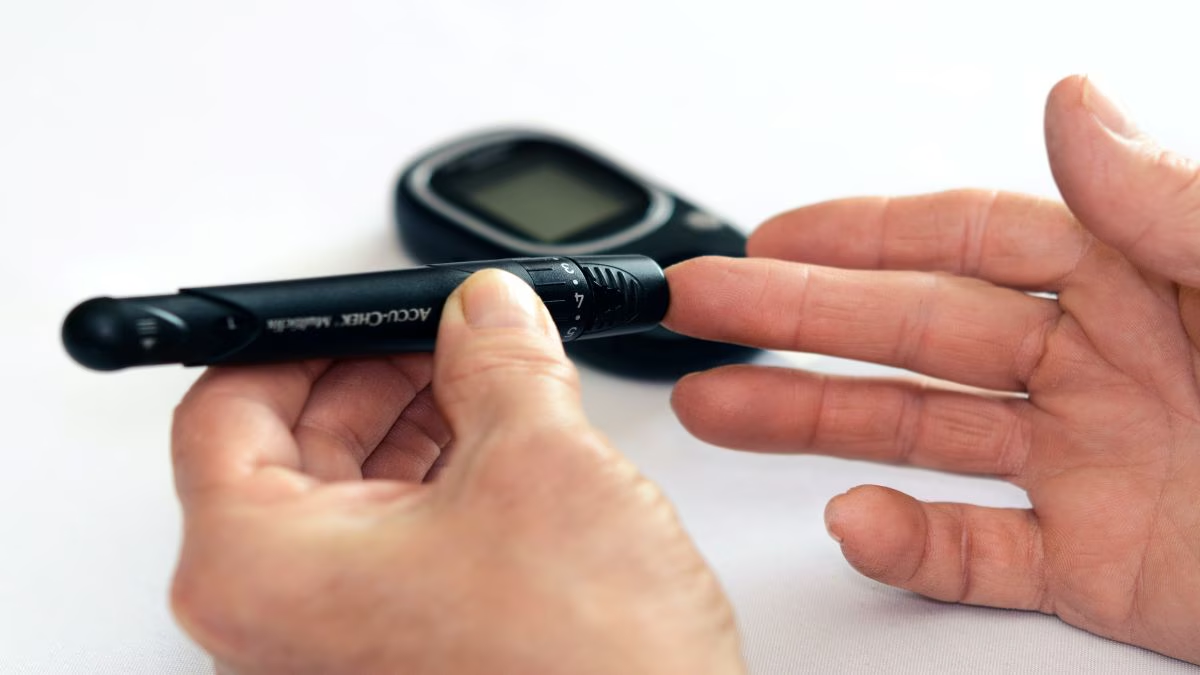
Differences in Lancets and Lancing Devices
Children’s lancing devices are specifically designed to minimize pain.
Features may include:
Ultra-thin lancets
Adjustable depth settings
Gentle spring mechanisms
Reduced vibration
Adults often tolerate deeper punctures and may prioritize durability over comfort.
Insulin Pens for Children vs Adults
Insulin dosing accuracy is especially important in children because even tiny insulin differences may strongly affect blood glucose.
Examples include:
Humalog KwikPen
NovoPen Echo
Half-Unit Dosing
Many pediatric insulin pens allow:
0.5-unit dosing increments
This is critical for small children who require precise insulin adjustments.
Adult pens often use:
1-unit increments
because adults generally require larger insulin doses.
Memory Features
Some pediatric pens include memory functions that help caregivers track:
Last dose
Injection timing
Missed doses
This reduces confusion among parents, teachers, and babysitters.
Differences in Insulin Pumps
Insulin pumps are widely used in both children and adults, but pediatric pump systems often include extra safety mechanisms.
Popular systems include:
Omnipod 5
Tandem t:slim X2
Lower Basal Rate Precision
Children often require extremely small insulin amounts.
Pediatric pump systems support:
Very low basal rates
Tiny correction doses
High precision delivery
Adults generally require larger and more stable insulin doses.
Enhanced Remote Monitoring
Children’s pump systems often support remote caregiver monitoring.
Parents may receive:
Glucose alerts
Pump alarms
Insulin delivery notifications
This feature is especially important during:
School
Sleep
Sports
Overnight monitoring
Adults usually manage their devices independently.
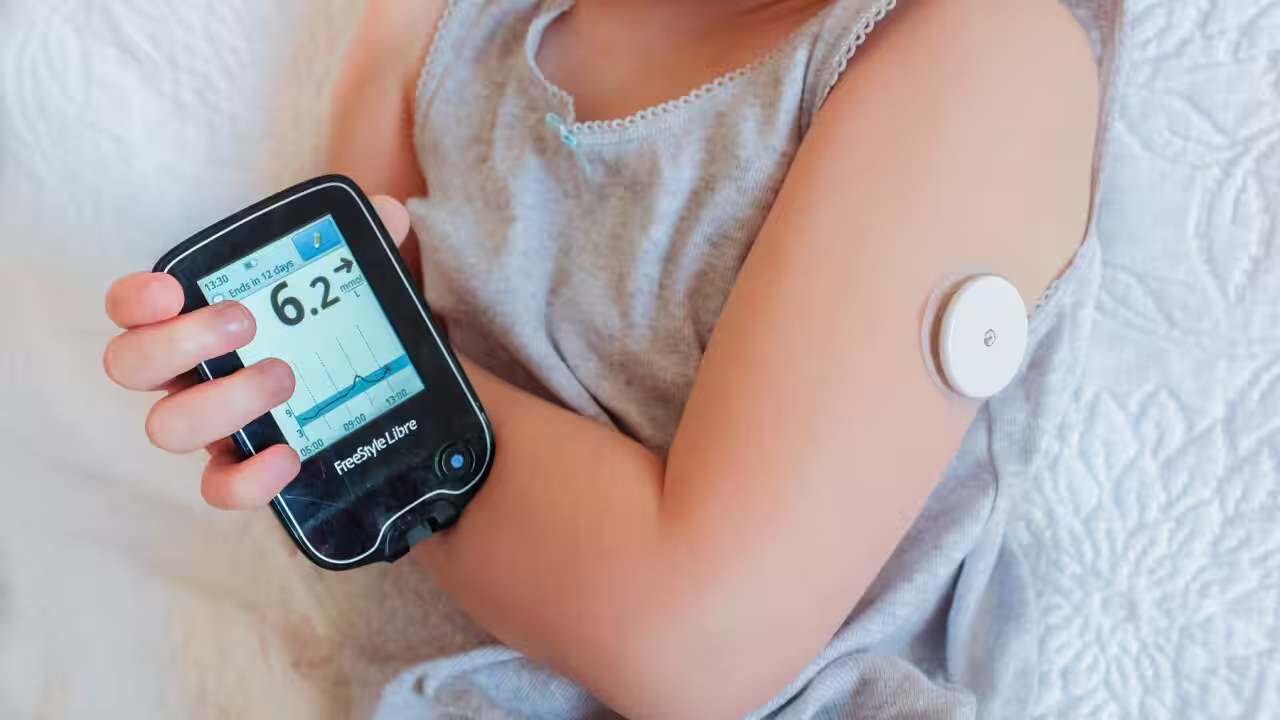
Continuous Glucose Monitoring (CGM) Differences
CGM systems have transformed diabetes care for both children and adults.
Common systems include:
Dexcom G7
FreeStyle Libre 3
Alert Sensitivity
Pediatric CGM systems often emphasize:
Early low glucose alerts
Emergency alarms
Caregiver sharing
Children may not recognize hypoglycemia symptoms quickly, especially during sleep.
Adults usually have more individualized alert preferences.
Remote Data Sharing
Parents can monitor children’s glucose levels remotely through smartphone apps.
This helps caregivers supervise diabetes management during:
School hours
Sleepovers
Sports practice
Travel
Adults often prefer more privacy and independent control.
Skin Sensitivity Differences
Children’s skin is generally:
More delicate
More reactive
More prone to irritation
Pediatric equipment often uses:
Softer adhesives
Smaller insertion needles
Flexible materials
Adult devices may prioritize stronger long-term adhesion.
Size and Weight Considerations
Children benefit from smaller, lighter devices because:
Their bodies are smaller
Heavy devices may interfere with play
Bulky equipment may affect confidence
Adult equipment may include larger batteries and more advanced hardware.
Safety Features in Pediatric Equipment
Safety is especially important for children.
Pediatric diabetes devices may include:
Lock functions
Dose confirmation systems
Child-resistant controls
Automatic alerts
Caregiver notifications
These features help prevent accidental insulin dosing errors.
Emotional and Psychological Design Differences
Children often experience fear, anxiety, or frustration related to diabetes care.
Pediatric devices may therefore focus on:
Friendly appearance
Reduced noise
Simpler interfaces
Comfort-focused design
Adult devices are more likely to prioritize efficiency and advanced data analysis.
School and Social Considerations
Children must manage diabetes in environments such as:
Schools
Sports teams
Camps
Playgrounds
Pediatric equipment often emphasizes:
Portability
Discreet wear
Durability
Easy caregiver access
Adults may prioritize workplace compatibility and travel convenience.
Differences in Training and Education
Children require education adapted to developmental stage.
Parents and caregivers often receive extensive training about:
Device setup
Emergency management
Monitoring techniques
Remote supervision
Adults usually manage their own diabetes education directly.
Battery and Connectivity Features
Modern pediatric systems often emphasize reliable connectivity because parents depend on real-time updates.
Features may include:
Bluetooth alerts
Emergency sharing
Remote smartphone access
Connectivity failures may create major anxiety for caregivers.
Physical Activity and Device Durability
Children are usually more physically active than adults.
Pediatric devices are often designed to tolerate:
Running
Jumping
Sweating
Rough movement
Additional adhesive support and protective cases are commonly used.
Financial and Insurance Considerations
Pediatric diabetes equipment may require:
Frequent replacements
Extra adhesives
Backup supplies
Growth-related adjustments
Insurance coverage policies may differ between pediatric and adult care.
Transition from Pediatric to Adult Diabetes Care
As children grow older, equipment needs gradually change.
Teenagers often transition toward:
Greater independence
Advanced device settings
More personal control
Adult-style diabetes management
The transition process should be gradual and carefully supervised.
Challenges Unique to Pediatric Diabetes Equipment
Despite technological advances, pediatric diabetes management still faces challenges such as:
Device discomfort
Skin irritation
School restrictions
Emotional stress
Fear of injections
Social embarrassment
Manufacturers continue improving pediatric-focused designs to address these issues.
Future Innovations in Pediatric Diabetes Technology
Researchers are developing new systems specifically for children, including:
Smaller wearable sensors
Needle-free monitoring
Artificial pancreas systems
Improved adhesives
More comfortable infusion sets
AI-assisted insulin delivery
Future technologies may significantly reduce the burden of diabetes management for children and families.
Conclusion
Diabetes equipment for children differs from adult equipment in many important ways. Pediatric devices prioritize safety, comfort, precision, caregiver involvement, emotional support, and adaptability to active lifestyles and developing bodies.
Features such as smaller blood sample requirements, half-unit insulin dosing, remote monitoring, softer adhesives, and child-friendly interfaces help children manage diabetes more safely and comfortably.
As diabetes technology continues to evolve, the gap between pediatric and adult diabetes care is becoming more specialized and personalized, helping children with diabetes live healthier, safer, and more independent lives from childhood through adulthood.
Advanced Comparison Between Pediatric and Adult Diabetes Equipment
As diabetes technology evolves, the differences between pediatric and adult diabetes equipment are becoming more sophisticated and personalized. Modern systems are no longer designed only around glucose control — they are also built to support emotional wellbeing, developmental stages, safety behaviors, caregiver involvement, and lifestyle adaptation.
Understanding these advanced differences helps families and healthcare providers choose equipment that not only improves blood sugar management, but also supports healthy growth, independence, and quality of life.
Developmental Differences That Influence Device Design
Children experience rapid physical and emotional development, which directly affects diabetes management.
Compared with adults, children often have:
Faster metabolic changes
Greater insulin sensitivity
Irregular eating patterns
Rapid growth spurts
Emotional variability
Limited ability to recognize symptoms
Dependence on supervision
Because of these factors, pediatric diabetes devices are designed to be more flexible, protective, and adaptable.
Glucose Variability in Children vs Adults
Children’s glucose levels often fluctuate more dramatically than adult glucose levels.
Reasons include:
Unpredictable appetite
Variable physical activity
Growth hormone effects
Emotional stress
Illness frequency
Sleep pattern changes
As a result, pediatric monitoring systems prioritize:
Faster alerts
Frequent data updates
Predictive warnings
Remote caregiver monitoring
Adult systems may emphasize long-term trend analysis and lifestyle customization instead.
Differences in Hypoglycemia Protection
Hypoglycemia prevention is one of the most important priorities in pediatric diabetes care.
Young children may not recognize or communicate symptoms such as:
Shaking
Sweating
Confusion
Hunger
Weakness
For this reason, pediatric devices often include stronger emergency alert systems.
Predictive Low Glucose Alerts
Advanced pediatric CGM systems may provide:
Early low warnings
Urgent low soon alerts
Automatic caregiver notifications
Examples include systems connected to:
Dexcom G7
Omnipod 5
Adults sometimes disable or customize alerts more aggressively because frequent alarms may interfere with work or sleep.
Automated Insulin Suspension
Many pediatric insulin pump systems include automatic insulin suspension when low glucose is predicted.
This feature is especially valuable overnight when children may not wake during hypoglycemia.
Adults may rely more on symptom awareness and manual corrections.
Differences in Device Wearability
Children and adults use devices differently in daily life.
Pediatric Wearability Priorities
Children need devices that:
Stay attached during play
Tolerate sweating
Resist accidental impacts
Feel lightweight
Fit small body sizes
Children often engage in:
Running
Climbing
Jumping
Contact sports
Therefore, pediatric devices emphasize durability and flexibility.
Adult Wearability Priorities
Adults may prioritize:
Professional appearance
Clothing compatibility
Discreetness
Battery longevity
Data integration
Lifestyle demands differ significantly between children and adults.
Emotional and Behavioral Design Considerations
Psychological comfort is extremely important in pediatric diabetes care.
Children may experience:
Fear of needles
Anxiety about alarms
Frustration with device changes
Embarrassment around peers
Manufacturers increasingly incorporate child-friendly design principles.
Child-Friendly Visual Design
Pediatric accessories often feature:
Bright colors
Cartoon themes
Decorative patches
Fun carrying cases
These designs help reduce fear and improve treatment acceptance.
Adult products usually focus on minimalistic or professional aesthetics.
Caregiver Integration Differences
One of the biggest differences between pediatric and adult diabetes technology is caregiver involvement.
Remote Monitoring in Pediatric Care
Parents often monitor glucose remotely through smartphone applications linked to devices such as:
Dexcom G7 App
Remote systems allow caregivers to:
Track glucose trends
Receive emergency alerts
Monitor nighttime glucose
Supervise school hours
This level of monitoring is less common in independent adults.
Shared Decision-Making
Children’s diabetes management often involves:
Parents
School nurses
Teachers
Pediatric endocrinologists
Babysitters
Coaches
Therefore, pediatric systems emphasize communication and shared access.
Adults usually manage diabetes independently.
Differences in Insulin Sensitivity
Children are often much more insulin-sensitive than adults.
Small insulin errors may produce large glucose changes.
Because of this, pediatric systems require:
Extremely accurate insulin delivery
Tiny dose increments
Fine basal adjustments
Examples include smart insulin pens such as:
NovoPen Echo
Adults generally require larger and more predictable doses.
Skin and Adhesive Challenges
Children’s skin differs significantly from adult skin.
Pediatric skin is often:
Thinner
More sensitive
More reactive
More prone to irritation
This affects how devices attach and function.
Pediatric Adhesive Design
Manufacturers may use:
Softer adhesives
Flexible materials
Smaller adhesive surfaces
However, because children sweat and move more, balancing comfort and durability remains challenging.
Adults often tolerate stronger adhesives better.
Device Fatigue and Burnout
Children with diabetes may experience device fatigue over time.
This may include:
Resistance to wearing devices
Frustration with alarms
Emotional exhaustion
Desire to “feel normal”
Pediatric diabetes care therefore includes emotional support alongside medical management.
Adults may experience burnout differently, often related to long-term chronic disease burden.
Differences in Data Interpretation
Pediatric diabetes specialists often evaluate data differently than adult specialists.
In children, clinicians may prioritize:
Avoiding severe hypoglycemia
Growth and development
School performance
Sleep quality
Family stress reduction
Adult diabetes care may focus more heavily on:
Long-term complication prevention
Cardiovascular risk
Workplace functioning
Independent self-management
Sleep Monitoring Differences
Nighttime monitoring is especially important in children.
Parents often fear:
Nocturnal hypoglycemia
Missed alarms
Unrecognized lows during sleep
Pediatric systems frequently emphasize overnight safety features.
Adults may choose less aggressive nighttime alert settings.
School Safety Features
Children spend much of the day away from parents.
Pediatric devices often support:
Emergency contact systems
Easy teacher communication
Simplified emergency instructions
School-friendly portability
School environments create unique challenges not usually faced by adults.
Social and Peer Influence
Children and teenagers are strongly influenced by peers.
Device visibility may affect:
Confidence
Social participation
Self-image
Modern pediatric devices increasingly prioritize discreet wear and customizable appearance.
Adults are generally less affected by peer reactions.
Transitioning from Child to Adult Equipment
As children mature, diabetes technology needs evolve gradually.
Teenagers often begin learning:
Independent carbohydrate counting
Advanced pump settings
Manual insulin adjustments
Device troubleshooting
The transition toward adult diabetes management is a major developmental milestone.
Special Challenges in Teenagers
Teenagers face unique diabetes management difficulties such as:
Hormonal insulin resistance
Irregular schedules
Desire for independence
Risk-taking behavior
Emotional stress
Teen-focused diabetes technology often balances safety with autonomy.
Financial and Family Burden
Pediatric diabetes care affects entire families.
Parents often manage:
Insurance approvals
Supply ordering
School coordination
Device troubleshooting
Emotional support
Adult patients usually handle these responsibilities independently.
Advances in Artificial Pancreas Systems
Modern hybrid closed-loop systems are becoming increasingly important in pediatric care.
Examples include:
Omnipod 5
Tandem t:slim X2
These systems automatically adjust insulin delivery based on CGM data.
Children benefit greatly because glucose variability is often unpredictable.
Future Pediatric Diabetes Technologies
Researchers are developing technologies specifically designed for children, including:
Smaller implantable CGMs
Fully automated insulin systems
Needle-free glucose monitoring
Smart patches
AI-based glucose prediction
Improved child-safe insulin delivery systems
Future pediatric diabetes care may become less invasive and more automated.
Final Thoughts
The differences between diabetes equipment for children and adults go far beyond size or appearance. Pediatric diabetes technology is designed around the unique medical, emotional, developmental, and safety needs of growing children and their families.
Features such as precise insulin dosing, remote caregiver monitoring, stronger hypoglycemia protection, softer adhesives, and child-friendly interfaces help children manage diabetes more safely and comfortably.
As children mature, diabetes technology gradually shifts toward greater independence and adult-style self-management. Modern innovations continue improving both pediatric and adult diabetes care, allowing people with diabetes to live healthier, safer, and more confident lives at every stage of life.