
Waterproof Glucose Monitoring Sensors for Active and Athletic Children: A Comprehensive Guide
For children living with diabetes—especially those who are highly active, involved in sports, or frequently swimming—managing blood glucose can be uniquely challenging.
Traditional glucose monitoring devices, including continuous glucose monitors (CGMs) and finger-stick meters, are often sensitive to moisture, sweat, and impact, creating barriers to seamless monitoring during sports, swimming, or outdoor play.
Recent innovations in waterproof glucose monitoring sensors have begun to address these challenges, offering accurate, reliable, and durable monitoring while allowing children to move, play, and stay active without interruption.
This article explores the technology behind these sensors, their benefits for athletic children, current limitations, and practical guidance for families.
1. Understanding Waterproof Glucose Monitoring Sensors
Waterproof glucose sensors are a type of continuous glucose monitor (CGM) designed to withstand moisture exposure, including sweat, swimming, showers, and water sports.
Unlike standard sensors that may fail or detach when wet, these devices combine durable adhesives, moisture-resistant materials, and robust electronics to maintain reliable performance in wet environments.
How They Work:
Skin Sensor: A small, thin sensor is applied to the child’s skin (usually the upper arm, abdomen, or back). It measures interstitial glucose levels continuously.
Waterproof Adhesive: Special adhesives ensure the sensor remains secure despite sweat, swimming, or friction from athletic activity.
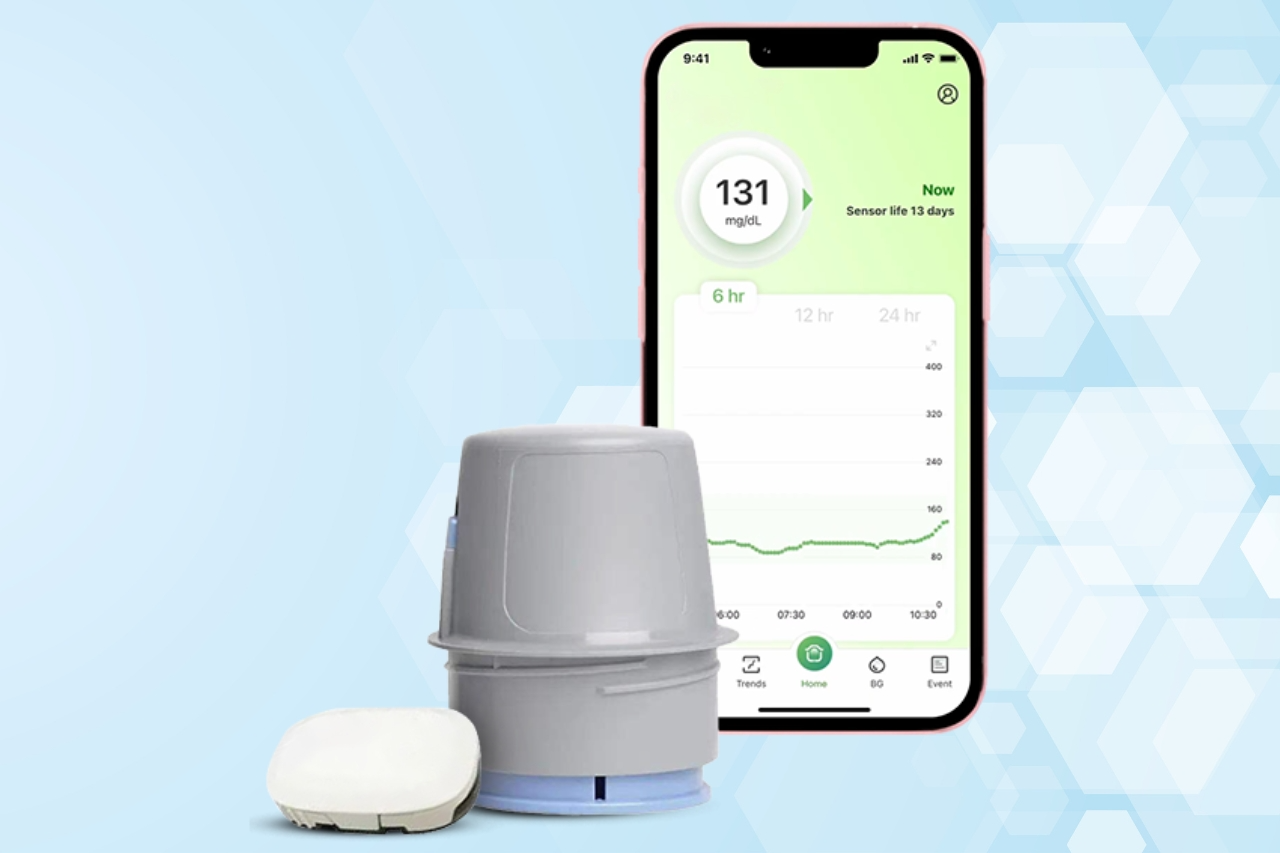
Wireless Transmission: Data is sent via Bluetooth or other wireless protocols to a receiver, smartphone, or smartwatch, allowing parents and caregivers to monitor glucose trends in real time.
Alerts & Notifications: Sensors can trigger alarms for hypoglycemia or hyperglycemia, even when the child is in the pool or playing sports outdoors.
2. Benefits for Active and Athletic Children
Continuous Monitoring During Physical Activity
Exercise can dramatically impact glucose levels, sometimes causing rapid drops or spikes. Waterproof sensors allow children to:
Monitor trends in real time
Adjust carbohydrate intake during sports
Prevent dangerous low blood sugar events
Freedom to Swim, Shower, or Sweat
Children no longer need to remove sensors during:
Swimming lessons or pool play
Competitive swimming meets
Soccer, gymnastics, or other sweat-intensive activities
This increases compliance and reduces the risk of data gaps.
Improved Safety and Parental Peace of Mind
Many waterproof CGMs are compatible with remote monitoring apps, enabling parents to:
Receive alerts for high or low glucose events
Track trends during school, sports, or vacations
Intervene early in emergencies
Comfort and Reduced Skin Irritation
Advanced adhesives and flexible sensor designs minimize:
Skin rashes
Sensor detachment during high-movement activities
Discomfort from sweat accumulation
3. Key Technologies Behind Waterproof Sensors
Several design elements make waterproof glucose sensors effective for athletic children:
1. Hydrophobic Coatings
Sensors are coated with water-repellent materials that prevent sweat or water from interfering with glucose measurement.
2. Strong, Flexible Adhesives
Medical-grade adhesives designed for wet environments ensure the sensor stays in place even under high-friction movement or pool immersion.
3. Encapsulation and Electronics Protection
The microelectronic components of the sensor are sealed in waterproof casings to maintain signal transmission during swimming or showering.
4. Data Transmission Resilience
Wireless transmission is engineered to function through wet clothing or water exposure, ensuring continuous readings without interruption.
4. Special Considerations for Children
Children present unique challenges that waterproof sensors must address:
High Activity Levels
Children can engage in sports, playground activities, or martial arts that involve impact, sweating, and bending.
Sensors must remain secure without causing skin irritation.
Water Exposure
Swimming, water parks, showers, and rain can all compromise traditional devices.
Waterproof sensors allow children to maintain normal routines without interruption.
Behavioral Factors
Children may fidget, scratch, or try to remove sensors.
Adhesive design, flexibility, and comfortable form factor reduce these issues.
5. Clinical Advantages for Athletic Children
Waterproof sensors not only enhance lifestyle but also improve clinical outcomes:
Better Glycemic Control: Continuous data during exercise helps prevent hypoglycemia and post-exercise glucose spikes.
Reduced Complications: Maintaining glucose within target ranges reduces long-term risks.
Data-Driven Adjustments: Parents and healthcare providers can adjust insulin or carbohydrate intake based on real-time trends during activity.
6. Limitations and Challenges
While waterproof sensors are highly beneficial, some limitations remain:
Adhesive Failures
Prolonged exposure to water, chlorine, or repeated friction may still cause sensor detachment.
Limited Waterproof Ratings
Most devices are designed for short-term water exposure (e.g., up to 1 meter for 30–60 minutes). Extended swimming or deep-water activities may exceed limits.
Skin Sensitivity
Even advanced adhesives can cause mild irritation, particularly for children with sensitive skin.
Sensor Longevity
High sweat rates or frequent water exposure can sometimes reduce sensor lifespan.
Cost Considerations
Waterproof CGMs are often more expensive than standard devices, which can be a barrier for some families.
7. Practical Tips for Parents and Caregivers
Skin Preparation
Clean and dry the skin thoroughly before sensor application.
Avoid lotions or oils that can reduce adhesion.
Sensor Placement
Choose areas less prone to friction during sports or swimming.
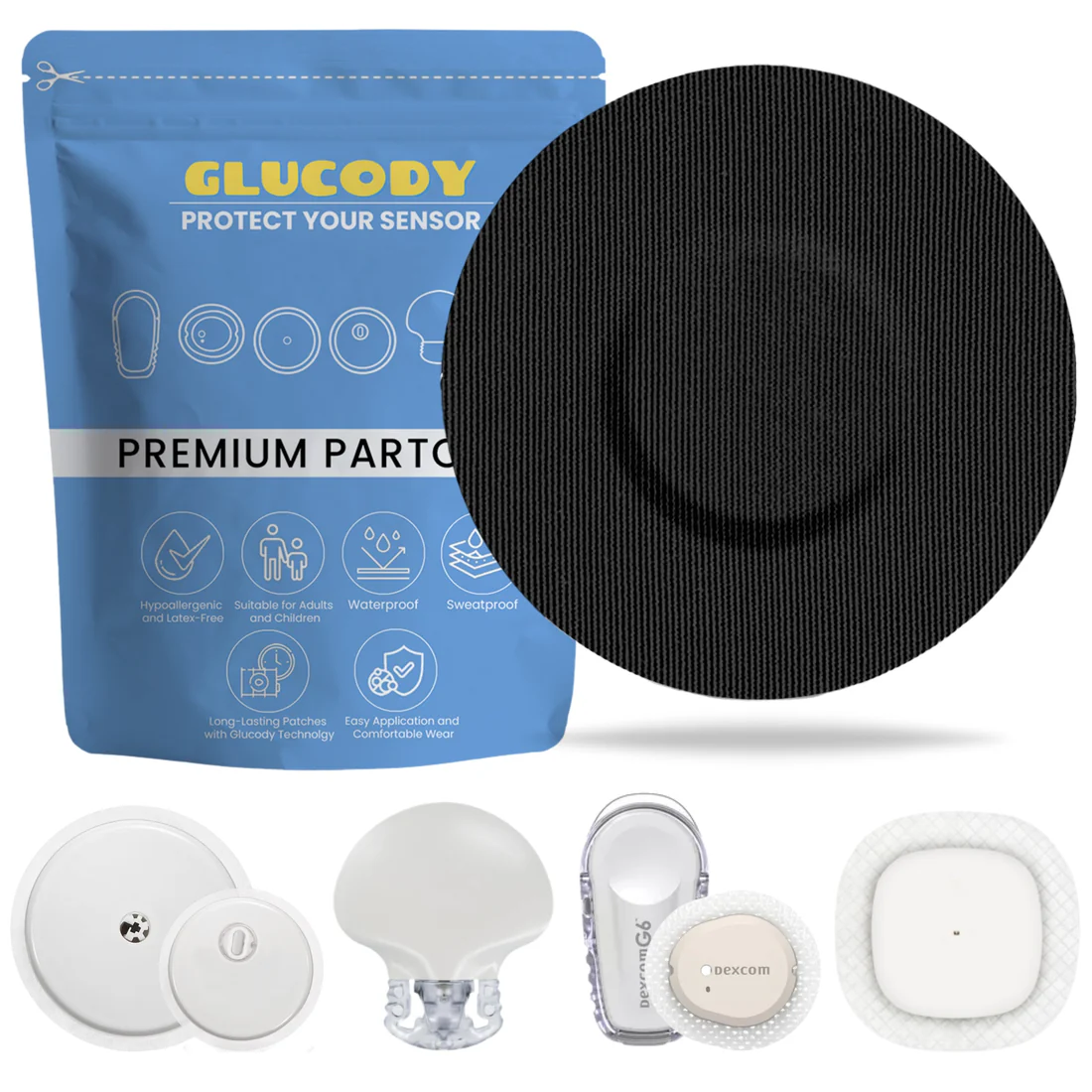
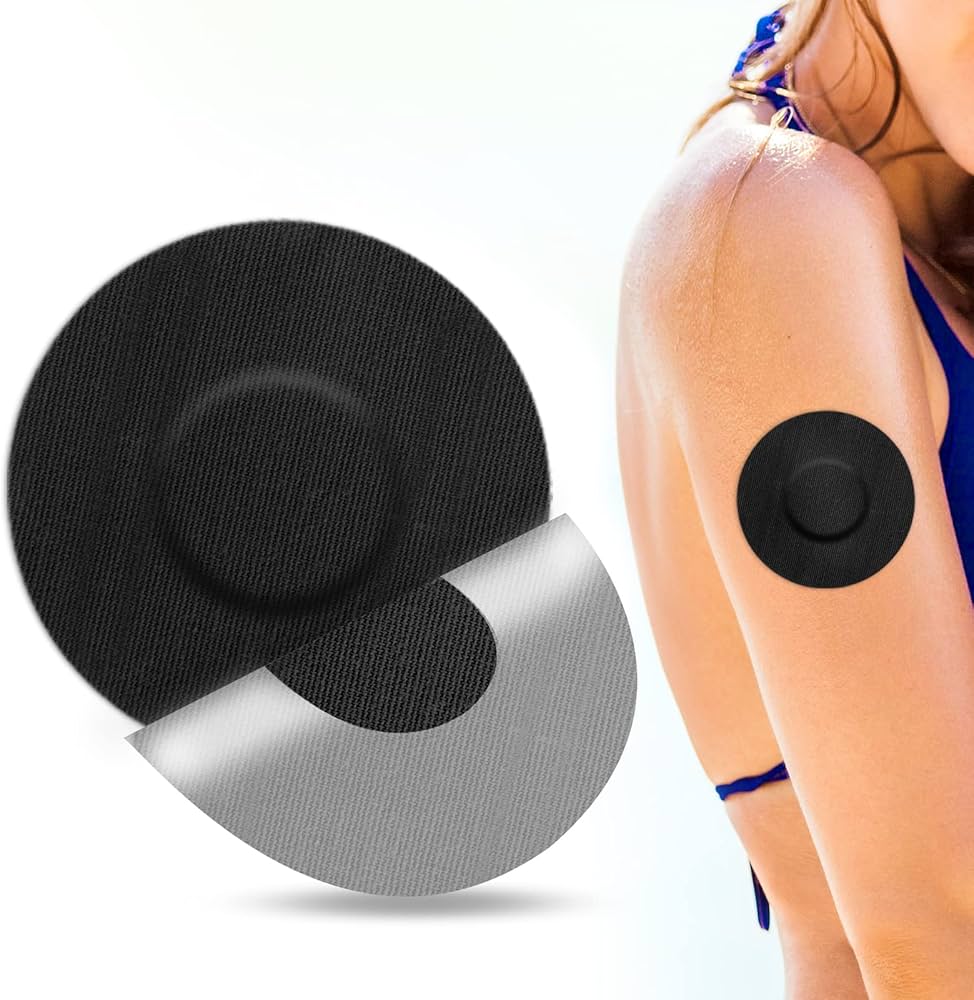
Consider using protective covers or adhesive patches for extra security.
Timing Water Exposure
Wait at least 1–2 hours after application to allow adhesives to fully bond.
Avoid exposing newly applied sensors to water immediately.
Monitoring and Alerts
Enable real-time alerts on smartphones or smartwatches.
Consider remote monitoring during school sports or swimming lessons.
8. Examples of Waterproof CGMs for Children
While products vary by region, several CGM systems now offer water-resistant or waterproof capabilities:
Dexcom G6/G7: Water-resistant up to 8 meters for 24 hours; adhesive covers recommended for swimming.
FreeStyle Libre 3: Waterproof up to 1 meter for 30 minutes; patch design allows sports activity.
Eversense XL: Implantable sensor with adhesive transmitter; water-resistant for daily activity, not prolonged immersion.
These devices differ in:
Waterproof rating
Sensor duration
Remote monitoring capabilities
Pediatric suitability
9. The Future of Waterproof Sensors
Emerging research aims to make waterproof sensors:
Fully submersible for extended periods
Less dependent on adhesives with skin-conforming materials
Integrated with needle-free glucose measurement
Combined with activity and hydration tracking for sports-focused insulin management
These innovations could allow children to monitor glucose seamlessly while swimming, playing, and traveling.
Conclusion
Waterproof glucose monitoring sensors represent a transformative tool for active and athletic children. They combine clinical accuracy with lifestyle flexibility, enabling children to engage fully in sports, swimming, and everyday activity without compromising glycemic control.
Key benefits include:
Continuous monitoring during exercise
Water- and sweat-resistance
Improved safety and parental peace of mind
Enhanced adherence and quality of life
Challenges remain in adhesives, sensor durability, and cost, but ongoing technological advancements promise a new era of diabetes management for active children — one where glucose monitoring no longer limits play, sports, or daily adventure.
10. Comparison of Current Waterproof Glucose Sensors for Children
Below is a detailed overview of some popular and emerging waterproof CGMs suitable for athletic children:
| Device | Waterproof Rating | Wear Duration | Pediatric Approval | Remote Monitoring | Key Notes for Active Use |
|---|---|---|---|---|---|
| Dexcom G7 | Up to 8 meters (26 ft) for ~24 hours | 10 days | 2 years+ | Yes, via Dexcom app | Adhesive covers recommended for swimming; continuous alerts for hypoglycemia and hyperglycemia; flexible form factor for movement. |
| Dexcom G6 | Up to 8 meters for ~24 hours | 10 days | 2 years+ | Yes | Popular for sports due to real-time alerts; adhesive patch may need reinforcement during high-intensity activities. |
| FreeStyle Libre 3 | 1 meter for 30 minutes | 14 days | 4 years+ | Yes, via LibreLink app | Extremely thin sensor; suitable for swimming or sweat-intensive activities with short immersion; ideal for school and sports. |
| Eversense XL (implantable) | Water-resistant (daily activity) | Up to 180 days | Adults/teens | Yes, via mobile app | Implantable sensor reduces detachment risk; adhesive transmitter can be removed during water exposure if needed. |
| Senseonics/Next-gen Prototypes | Varies (research phase) | Varies | Research stage | Yes | Experimental patches may be fully submersible; focus on sports and pediatric use in development pipelines. |
Notes for Parents:
Always verify age-specific approvals; not all sensors are cleared for toddlers or very young children.
Waterproof ratings vary — brief submersion (showering, pool play) is usually safe, but prolonged swimming or deep-water activities may exceed limits.
Adhesive reinforcement patches (e.g., Tegaderm) can improve security during vigorous activity.
11. Tips for Maximizing Waterproof Sensor Performance
Parents and caregivers can follow these best practices to ensure reliable readings for active children:
Prepare the skin properly
Clean, dry, and avoid lotions or oils before applying the sensor.
Reinforce adhesives for high activity
Use medical-grade overpatches for long or competitive swimming sessions.
Check sensor placement
Avoid areas prone to friction from sports equipment or clothing (e.g., shoulder straps).
Allow proper adhesion time
Wait at least 1–2 hours after application before swimming.
Monitor real-time alerts
Ensure the child’s phone or your monitoring device receives glucose alerts during practice, matches, or water-based activities.
Educate the child
Teach them how to recognize signs of high or low glucose even with sensor alerts.
Encourage them to avoid touching or removing the sensor unnecessarily.
12. Special Considerations for Swimming and Water Sports
Water exposure can still challenge waterproof sensors:
Pool Chlorine: Can weaken adhesives; rinse the sensor with clean water after swimming.
Saltwater or Ocean Swimming: May cause skin irritation and reduce adhesion; rinse thoroughly.
Extended Submersion: Even if a sensor is rated for short-term water exposure, avoid prolonged or deep-water activities without consulting manufacturer guidelines.
Parents should also back up with manual checks for long aquatic events until the technology is fully validated for extreme conditions.
13. Future Directions for Pediatric Waterproof Sensors
The next generation of sensors aims to overcome remaining limitations:
Longer Wear Times: Sensors lasting 14–30+ days without replacement.
Full Submersion: Safe use in swimming, diving, or water sports for extended periods.
Smart Adhesives: Self-healing or highly flexible adhesives that remain secure during vigorous activity.
Integrated Activity Tracking: Sensors may include heart rate, movement, or hydration data to provide context for glucose trends.
Needle-Free & Pain-Free: Research combining waterproof capability with non-invasive glucose sensing is ongoing.
14. Conclusion
Waterproof glucose monitoring sensors have revolutionized diabetes management for active and athletic children:
They provide continuous, accurate data during sports, swimming, and daily play.
They reduce needle fatigue, skin irritation, and sensor detachment.
They enhance safety and parental peace of mind.
They allow children to participate fully in physical activities without interruption.
While challenges remain — particularly around adhesive durability, full submersion, and cost — technological advancements continue to expand the limits of mobility and freedom for children living with diabetes.
For families, choosing the right waterproof sensor involves balancing accuracy, durability, pediatric suitability, and lifestyle needs. When implemented carefully, these devices can transform active diabetes care into a seamless, stress-free experience for children and parents alike.
Practical Guide: Using Waterproof Glucose Sensors for Active Children
This guide is designed to help parents choose, apply, and maintain waterproof CGMs for children who are active in sports, swimming, and daily play.
Choosing the Right Waterproof Sensor
When selecting a sensor, consider the following:
| Feature | Why It Matters | Recommendation for Active Children |
|---|---|---|
| Waterproof Rating | Determines safe immersion depth and duration | Choose sensors rated for at least 1–2 meters for 30+ minutes, ideally up to 8 meters if swimming or water sports are frequent |
| Pediatric Approval | Ensures safe use for your child’s age | Verify age suitability (e.g., Dexcom G7: 2+ years, Libre 3: 4+ years) |
| Wear Duration | Longer wear = fewer sensor changes during activity | Sensors with 10–14+ day wear are ideal for busy families |
| Remote Monitoring | Allows parents to track glucose during school, sports, or swimming | Ensure compatible apps or devices for real-time alerts |
| Adhesive Security | Prevents detachment during sweat or movement | Use reinforced adhesives or overpatches for high-friction areas |
Preparing Your Child’s Skin
Proper skin prep ensures sensor adhesion and comfort:
Clean and dry the area thoroughly.
Avoid lotions, oils, or sunscreen on the application site.
Choose low-friction areas like the upper arm, back of the shoulder, or abdomen.
Allow the skin to air dry for 1–2 minutes before applying the sensor.
Tip: For children with sensitive skin, consider a skin barrier wipe to prevent irritation.
Applying and Securing the Sensor
Apply gently to avoid air bubbles under the adhesive.
Press firmly around the edges to ensure water resistance.
Use additional adhesive covers (e.g., Tegaderm or waterproof overpatches) for swimming or high-intensity sports.
Wait 1–2 hours after application before swimming or showering to allow adhesives to bond.
Best Placement for Sports and Water Activities
| Activity | Ideal Sensor Location | Notes |
|---|---|---|
| Swimming | Upper arm or upper back | Avoid shoulders or areas with straps that rub against skin |
| Running / Soccer | Abdomen or back of the arm | Minimize friction from shirts and equipment |
| Gymnastics / Martial Arts | Upper back or flank | Flexible sensors are preferred to reduce detachment |
| Everyday Play | Any approved area | Choose the child’s most comfortable spot |
Tip: Rotate placement sites with each sensor to reduce skin irritation.
Monitoring During Activity
Enable real-time alerts on the parent’s phone or smartwatch.
Teach the child to recognize early signs of hypoglycemia or hyperglycemia.
For prolonged water activity, consider backup manual glucose checks if the sensor’s immersion limit may be exceeded.
Review data post-activity to adjust insulin, snacks, or hydration for future sessions.
Handling Water Exposure
Swimming and Showers:
Most sensors are short-term submersible.
After swimming, rinse off chlorine or saltwater to protect adhesives.
Pat dry; do not rub over the sensor.
Rain or Splashing:
Waterproof CGMs tolerate brief exposure without additional care.
Avoid strong jets of water or pressure directly on the sensor.
Maximizing Sensor Longevity
Keep fingernails or sports gear away from the sensor.
Reinforce edges with medical-grade overpatches.
Avoid scratching or peeling the sensor, even during intense play.
Replace sensors according to manufacturer guidelines, especially if they become loose or irritated.
Managing Skin Irritation
Rotate sensor placement sites regularly.
For mild redness, apply a moisturizing barrier after sensor removal.
Seek medical advice for persistent rash or irritation.
Combining Activity and Diabetes Management
Encourage pre-activity glucose checks to prevent exercise-induced hypoglycemia.
Use snack timing and insulin adjustment guided by sensor trends.
Review activity-related glucose patterns post-activity to fine-tune care.
Tip: Waterproof sensors enable real-world learning — helping parents and children understand how exercise, hydration, and sleep impact glucose.
Emerging Trends for Athletic Children
The future of waterproof sensors includes:
Extended waterproof duration for full swim meets or multi-hour outdoor activities.
Flexible, ultra-thin adhesives that move with the skin.
Integrated activity tracking for heart rate and hydration.
Needle-free, fully non-invasive sensors combined with waterproof technology.
These innovations aim to eliminate barriers to active lifestyles while maintaining accurate glucose monitoring.
Conclusion
Waterproof glucose sensors are redefining diabetes care for active and athletic children. They allow children to:
Participate fully in sports, swimming, and outdoor play
Maintain continuous glucose monitoring without interruption
Reduce needle fatigue and skin irritation
Provide parents with real-time safety and reassurance
By understanding placement, adhesive care, water exposure limits, and activity-specific adjustments, parents can maximize the benefits of these sensors — turning diabetes management into a seamless part of a child’s active lifestyle.
With ongoing innovation, waterproof, accurate, and durable glucose monitoring will become a standard tool for children, empowering them to play, compete, and thrive safely.