

Treating Pediatric Diabetes with Smart Implants: Reality or Distant Future?
Introduction
Type 1 diabetes is one of the most common chronic diseases affecting children worldwide.
Unlike many other childhood illnesses, it requires lifelong management, including frequent blood glucose monitoring, careful meal planning, regular physical activity, and continuous insulin therapy.
Although remarkable progress has been made through insulin pumps, continuous glucose monitoring (CGM) systems, and hybrid closed-loop technologies, managing diabetes remains a demanding responsibility for both children and their families.
In recent years, scientists have begun exploring an even more ambitious approach: smart implants.
These implantable medical devices are designed to monitor glucose levels, release insulin automatically, communicate with external devices, and potentially function as an artificial pancreas.
While many of these technologies remain in experimental or early clinical stages, they represent one of the most exciting frontiers in pediatric diabetes research.
This raises an important question: Are smart implants becoming a realistic treatment option for children with diabetes, or are they still a distant vision of the future?
The answer lies somewhere between these two extremes.
Several implantable technologies are already under investigation, and although they are not yet ready to replace conventional diabetes therapy for most children, ongoing advances in biomedical engineering, nanotechnology, artificial intelligence, and regenerative medicine are bringing this vision closer to reality.
Understanding Type 1 Diabetes in Children
Type 1 diabetes develops when the immune system mistakenly destroys the insulin-producing beta cells located in the pancreas.
Without insulin, glucose cannot enter body cells to produce energy. As a result, blood sugar levels rise, leading to potentially life-threatening complications if left untreated.
Children diagnosed with Type 1 diabetes must carefully balance:
Insulin administration
Blood glucose monitoring
Nutrition
Physical activity
Illness management
Emotional stress
Because children’s insulin needs change rapidly during growth, puberty, exercise, and illness, maintaining stable glucose levels is often challenging.
Why Are Researchers Interested in Smart Implants?
Despite significant technological advances, current diabetes treatments still require considerable patient involvement.
Children and their caregivers must make numerous daily decisions regarding insulin doses, meal timing, and glucose monitoring.
Smart implants aim to reduce this burden by providing more automated and continuous diabetes management.
Researchers hope these devices can:
Continuously monitor glucose levels
Deliver insulin only when needed
Reduce episodes of hypoglycemia
Improve long-term glucose control
Minimize daily injections
Decrease treatment-related stress
Improve quality of life
Ultimately, the goal is to replicate the natural function of a healthy pancreas as closely as possible.
What Are Smart Implants?
A smart implant is a miniature medical device placed inside the body to perform specific therapeutic functions over an extended period.
Unlike traditional implants that serve only structural purposes, smart implants actively monitor biological signals and respond to changes automatically.
For diabetes management, a smart implant may include:
Glucose sensors
Insulin reservoirs
Drug delivery systems
Microprocessors
Wireless communication modules
Rechargeable or energy-harvesting power systems
These components work together to monitor glucose continuously and adjust insulin delivery in real time.
How Could Smart Implants Work?
Although different research groups are pursuing various designs, many proposed smart implants follow a similar sequence of events.
Step 1: Continuous Glucose Monitoring
Miniature sensors constantly measure glucose levels in surrounding tissue fluid.
Unlike finger-stick blood tests, monitoring occurs continuously throughout the day and night.
Step 2: Data Processing
Embedded processors analyze glucose trends rather than relying on a single measurement.
Artificial intelligence algorithms may predict future glucose changes based on previous patterns.
Step 3: Insulin Delivery
If glucose rises above a predetermined level, the implant releases a carefully measured amount of insulin.
Delivery automatically slows or stops as glucose returns to normal.
Step 4: Wireless Communication
Many proposed devices would communicate securely with smartphones or healthcare providers, allowing caregivers to review glucose trends, receive alerts, and adjust treatment settings when necessary.
Types of Smart Implants Under Investigation
Researchers are exploring several different approaches.
Implantable Insulin Delivery Devices
These implants contain insulin reservoirs that release medication in response to glucose measurements.
Future versions may require refilling only every few months instead of daily injections.
Bioartificial Pancreas
One of the most promising concepts combines living insulin-producing cells with protective materials that shield them from immune attack.
These encapsulated cells may produce insulin naturally without requiring continuous injections.
If successful, this technology could provide more physiological glucose regulation than mechanical insulin pumps.
However, long-term survival of implanted cells and protection from immune rejection remain major scientific challenges.
Implantable Glucose Sensors
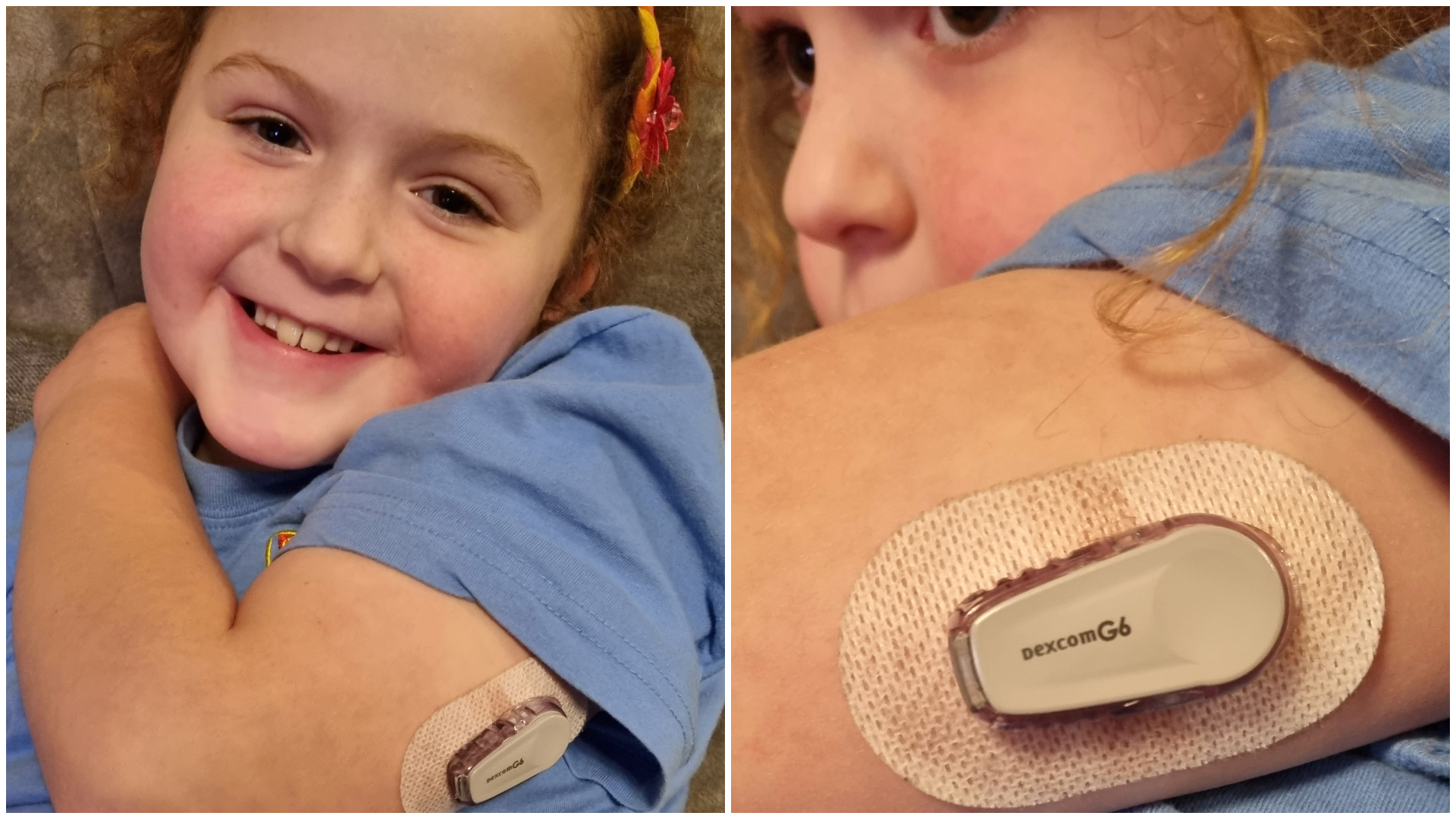
Implantable glucose sensors are already closer to clinical reality than fully autonomous insulin implants.
Some long-term continuous glucose monitoring devices can remain implanted for several months, reducing the need for frequent sensor replacements.
Future generations may offer even greater accuracy, longer lifespan, and improved integration with automated insulin delivery systems.
The Role of Artificial Intelligence
Artificial intelligence is expected to become an essential component of future smart implants.
Instead of responding only to current glucose levels, AI algorithms may analyze:
Previous glucose trends
Meal patterns
Physical activity
Sleep quality
Illness
Stress levels
Hormonal fluctuations
Using predictive models, the implant could anticipate glucose changes before they occur, allowing earlier and more precise insulin delivery.
This predictive capability may significantly reduce dangerous episodes of both hyperglycemia and hypoglycemia.
Potential Benefits for Children
Smart implants could transform many aspects of pediatric diabetes care.
Fewer Needle Sticks
Children may require far fewer injections if insulin delivery becomes automated through an implant.
Improved Glucose Stability
Continuous monitoring combined with rapid insulin adjustment could reduce large glucose fluctuations.
Stable glucose levels lower the risk of long-term complications affecting the eyes, kidneys, nerves, and cardiovascular system.
Greater Independence
Older children and adolescents may gain greater confidence in managing diabetes with less constant supervision.
Parents may experience reduced anxiety, particularly during nighttime hours.
Better Quality of Life
Reducing the daily burden of diabetes management may improve emotional well-being, school participation, sports involvement, and overall childhood experiences.
Technical Challenges
Despite remarkable progress, significant obstacles remain before smart implants become routine clinical treatment.
Long-Term Sensor Accuracy
Implanted sensors must maintain reliable performance for months or years without frequent recalibration.
Scar tissue formation around implants can interfere with accurate glucose measurement.
Researchers are developing improved coatings and biocompatible materials to address this issue.
Reliable Insulin Storage
Insulin gradually loses effectiveness under certain environmental conditions.
Scientists must develop implantable reservoirs capable of preserving insulin stability for extended periods while allowing precise dosing.
Battery Life
Powering implantable electronics presents another engineering challenge.
Future devices may use:
Wireless charging
Body heat
Mechanical movement
Biochemical energy harvesting
Reducing power consumption remains an important research priority.
Preventing Infection
Any implanted medical device carries a risk of infection.
Developing antimicrobial materials and minimally invasive implantation techniques will be essential for ensuring long-term safety.
Safety in Growing Children
Designing implants for pediatric patients presents unique challenges.
Children continue to grow rapidly, especially during infancy, childhood, and adolescence.
Implants must therefore:
Accommodate body growth
Remain comfortable
Function during sports and physical activity
Withstand accidental impacts
Be easily replaceable when necessary
Engineers must carefully consider these factors when developing pediatric devices.
Ethical Considerations
The introduction of smart implants in children also raises ethical questions.
Parents, physicians, and policymakers must consider:
Long-term safety
Informed consent
Data privacy
Cybersecurity
Device accessibility
Healthcare costs
Equal access across different populations
Balancing innovation with patient safety will remain essential as these technologies advance.
Clinical Trials: How Close Are We?
Before any smart implant can become a standard treatment for children with Type 1 diabetes, it must undergo a rigorous clinical development process.
This process is designed to ensure that new medical technologies are both safe and effective.
Clinical development generally proceeds through several stages:
Preclinical Research
Scientists first test new implant technologies in laboratories and animal models. During this stage, researchers evaluate:
Biocompatibility
Insulin delivery accuracy
Sensor reliability
Device durability
Potential side effects
Only technologies that demonstrate promising safety and performance move on to human testing.
Early Human Trials
Initial clinical trials involve a small number of adult volunteers. These studies focus primarily on determining whether the implant functions safely inside the human body.
Researchers monitor:
Blood glucose control
Device stability
Immune responses
Infection rates
Mechanical performance
Children are generally not included in these early studies until sufficient safety data have been collected.
Pediatric Clinical Trials
Once safety has been demonstrated in adults, carefully supervised pediatric studies may begin.
Because children have unique physiological and developmental needs, pediatric trials must address additional questions, including:
Does the implant remain effective as the child grows?
Is insulin delivery accurate during puberty?
Can the implant withstand vigorous physical activity?
Does the device remain comfortable during daily life?
Only after extensive evaluation can regulatory agencies consider approving these technologies for widespread pediatric use.
Can Smart Implants Replace the Artificial Pancreas?
Today’s most advanced diabetes technology is the hybrid closed-loop system, often referred to as an “artificial pancreas.”
These systems combine:
Continuous glucose monitors (CGMs)
Insulin pumps
Sophisticated control algorithms
Together, they automatically adjust insulin delivery throughout the day while still requiring users to announce meals and perform occasional system maintenance.
Smart implants represent the next evolutionary step.
Unlike external artificial pancreas systems, implantable devices could potentially:
Operate continuously beneath the skin
Require less maintenance
Eliminate external tubing
Reduce skin irritation
Improve comfort during sports and swimming
Provide more consistent glucose monitoring
However, today’s artificial pancreas systems are already highly effective and will likely remain the standard of care until implant technologies demonstrate comparable or superior long-term performance.

Combining Smart Implants with Stem Cell Therapy
One of the most exciting future possibilities involves combining smart implants with regenerative medicine.
Scientists are investigating ways to generate insulin-producing beta cells from stem cells.
These laboratory-grown cells could then be placed inside protective implantable capsules that allow:
Oxygen to enter
Nutrients to enter
Insulin to leave
Glucose to enter
At the same time, the protective barrier would prevent the immune system from attacking the implanted cells.
If researchers overcome current challenges related to immune rejection and long-term cell survival, such bioengineered implants could restore natural insulin production rather than simply delivering stored insulin.
Although this concept remains experimental, it represents one of the most promising long-term strategies for treating Type 1 diabetes.
Nanotechnology and Smart Implants
Nanotechnology is expected to play a central role in future implant development.
Nanomaterials possess unique physical and chemical properties that can improve device performance.
Potential applications include:
Ultra-sensitive glucose sensors
Improved insulin storage materials
Anti-inflammatory surface coatings
Antibacterial implant surfaces
Controlled drug-release nanoparticles
Flexible electronic components
Researchers are also exploring nanoparticles that respond directly to glucose concentrations, releasing insulin only when blood sugar rises above a healthy range.
These innovations may significantly improve both safety and treatment precision.
Wireless Connectivity and Remote Monitoring
Future smart implants are expected to become part of an interconnected digital healthcare ecosystem.
Using secure wireless communication, implants may transmit information to:
Smartphones
Smartwatches
Hospital databases
Healthcare providers
Parents’ mobile devices
Continuous remote monitoring could provide several advantages.
Parents may receive alerts if a child’s glucose falls overnight.
Physicians could review glucose trends between clinic visits.
Artificial intelligence systems may detect subtle changes suggesting that insulin therapy requires adjustment.
Remote monitoring could improve both convenience and long-term diabetes management while reducing unnecessary hospital visits.
Cybersecurity: Protecting Connected Medical Devices
As implantable medical devices become increasingly connected, cybersecurity becomes a critical aspect of patient safety.
Potential security risks include:
Unauthorized access to medical data
Interference with wireless communication
Software manipulation
Device malfunction due to cyberattacks
To minimize these risks, future implants are expected to incorporate:
End-to-end encryption
Multi-factor authentication
Secure wireless protocols
Automatic software updates
Continuous security monitoring
Protecting patient data and ensuring reliable device operation will be essential before widespread adoption.
Economic Considerations
Although smart implants could significantly improve diabetes management, affordability remains an important concern.
Initially, advanced implant technologies are likely to be expensive because of:
Complex manufacturing
Specialized materials
Surgical implantation
Long-term monitoring
Regulatory compliance
However, many medical technologies become more affordable as production increases.
If smart implants reduce hospital admissions, diabetes complications, and long-term healthcare costs, they may ultimately prove cost-effective despite higher initial expenses.
Healthcare systems will need to evaluate both clinical benefits and economic sustainability before adopting these devices on a large scale.
Psychological Impact on Children and Families
Beyond medical improvements, smart implants may profoundly affect the emotional experience of living with diabetes.
Children often describe diabetes as an invisible responsibility that requires constant attention.
Future implants could reduce many daily burdens by decreasing the number of treatment decisions families must make.
Potential psychological benefits include:
Less anxiety about injections
Improved confidence at school
Greater participation in sports
Better sleep for parents
Reduced diabetes burnout
Increased independence during adolescence
While no technology can completely eliminate the emotional challenges of chronic illness, reducing treatment complexity may significantly improve quality of life.
Will Smart Implants Eliminate Diabetes Completely?
It is important to distinguish between treating diabetes and curing diabetes.
Smart implants are designed to improve insulin delivery and glucose regulation.
They do not currently address the underlying autoimmune process responsible for destroying pancreatic beta cells.
A true cure would require preventing or reversing this immune attack while restoring long-term insulin production.
Researchers are actively investigating several complementary approaches, including:
Immune therapies
Stem cell transplantation
Gene editing
Beta-cell regeneration
Immune tolerance therapies
Smart implants may eventually work alongside these emerging treatments, serving as part of a comprehensive strategy rather than a standalone cure.
Looking Toward the Future
Experts believe that pediatric diabetes care will continue to evolve through the integration of multiple advanced technologies.
Within the next two decades, children with Type 1 diabetes may benefit from systems that combine:
Implantable glucose sensors
Automated insulin delivery
Artificial intelligence
Stem cell-derived beta cells
Wireless health monitoring
Predictive analytics
Personalized medicine
Rather than relying on a single breakthrough, future diabetes care is likely to emerge from the convergence of these innovations into seamless, patient-centered treatment systems.
Conclusion
Treating pediatric diabetes with smart implants is no longer a concept confined to science fiction.
Advances in biomedical engineering, artificial intelligence, nanotechnology, and regenerative medicine are steadily bringing these devices closer to clinical reality.
Implantable glucose sensors are already demonstrating long-term feasibility, while bioartificial pancreas systems, smart insulin reservoirs, and stem cell–based implants continue to show promise in preclinical and early clinical research.
Despite these exciting developments, significant challenges remain. Long-term safety, reliable insulin delivery, immune compatibility, affordability, cybersecurity, and pediatric-specific design considerations must all be addressed before smart implants can become routine therapy for children.
For now, smart implants should be viewed not as a distant fantasy, but as an emerging frontier.
Although they are unlikely to replace existing treatments immediately, they have the potential to transform diabetes management over the coming decades.
If ongoing research continues to progress, future generations of children with Type 1 diabetes may experience a world in which glucose regulation is largely automated, treatment is less intrusive, and the burden of living with a chronic condition is dramatically reduced.