
The Role of Startups in the Evolution of Pediatric Diabetes Equipment Around the World
Introduction
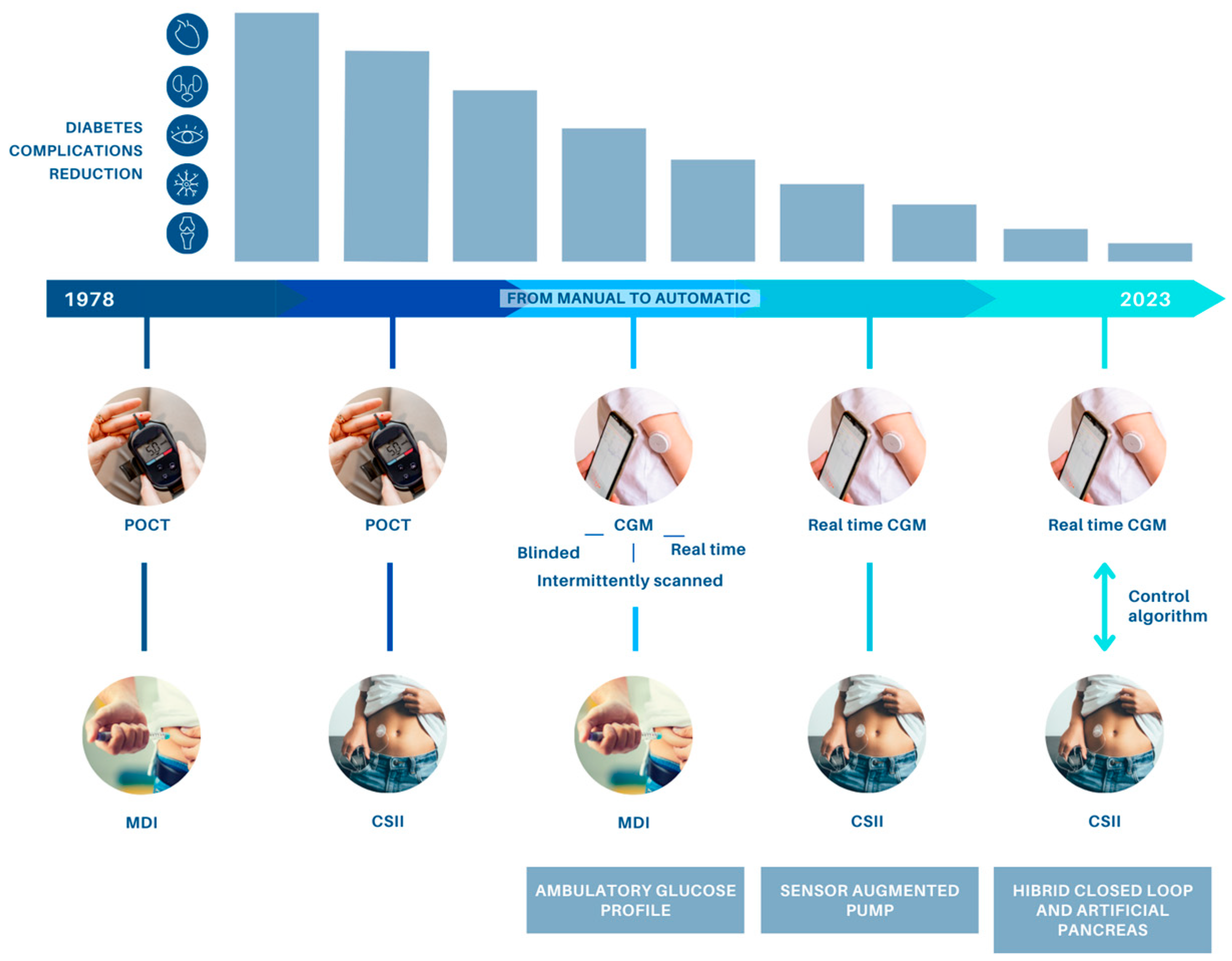
Over the past two decades, the treatment of pediatric diabetes has undergone a profound transformation.
Children diagnosed with Type 1 diabetes today have access to technologies that were unimaginable just a generation ago, including continuous glucose monitoring (CGM) systems, hybrid closed-loop insulin pumps, smart insulin pens, mobile health applications, wearable biosensors, and artificial intelligence (AI)-powered decision support tools.
While established medical device companies have played an essential role in bringing many of these products to market, a significant portion of recent innovation has originated from startups.
Startups are small, innovation-driven companies that focus on solving specific problems through novel technologies.
In the field of pediatric diabetes, they have introduced fresh ideas, accelerated technological development, challenged traditional business models, and pushed the boundaries of digital health.
Many of today’s most influential diabetes technologies began as ambitious startup projects before growing into global healthcare solutions or partnering with larger medical device companies.
Unlike large corporations, startups often have the flexibility to experiment with unconventional approaches, rapidly adapt to patient feedback, and develop highly specialized products tailored to the unique needs of children living with diabetes.
This article explores how startups are reshaping pediatric diabetes care, the technologies they are developing, the challenges they face, and the role they are expected to play in the future of childhood diabetes management.
Why Startups Matter in Healthcare Innovation
Healthcare has traditionally been dominated by large pharmaceutical companies and established medical device manufacturers.
While these organizations possess substantial financial resources and manufacturing capabilities, they often require long development cycles due to complex organizational structures and regulatory requirements.
Startups contribute differently.
They typically focus on:
Rapid innovation
Niche healthcare problems
Emerging technologies
User-centered product design
Digital transformation
Agile product development
Because startups are generally smaller and more adaptable, they can respond quickly to changing patient needs and technological advances.
In pediatric diabetes, where treatment requires constant monitoring and frequent interaction with medical devices, this flexibility is particularly valuable.
The Evolution of Pediatric Diabetes Technology
Managing childhood diabetes once depended almost entirely on:
Finger-stick blood glucose testing
Syringes
Insulin pens
Manual record keeping
Paper logbooks
Today, many children benefit from integrated digital ecosystems that include:
Continuous glucose monitoring
Automated insulin pumps
Smartphone applications
Remote caregiver monitoring
Artificial intelligence
Cloud-based health platforms
Although many commercial products are now produced by established companies, startups have played a critical role in introducing many of the technologies that transformed diabetes care.
Areas Where Startups Are Driving Innovation
Modern diabetes startups are working across numerous technological fields.
Continuous Glucose Monitoring
Many emerging companies are developing next-generation glucose sensors designed to be:
Smaller
More accurate
Longer lasting
Less invasive
Lower cost
More comfortable
Researchers are also exploring non-invasive glucose monitoring technologies that measure glucose through the skin, tears, saliva, or other biological fluids without requiring implanted sensors.
Although these technologies remain under development, startups continue to invest heavily in this area.
Smart Insulin Delivery
Startups are also designing innovative insulin delivery systems.
Research focuses on:
Wearable insulin patches
Implantable insulin devices
Smart insulin pens
Automated dosing algorithms
Glucose-responsive insulin delivery
Many companies are attempting to simplify diabetes management by reducing the number of treatment decisions families must make each day.
Artificial Intelligence
Artificial intelligence has become one of the fastest-growing areas of diabetes innovation.
Startup companies are developing AI platforms capable of:
Predicting hypoglycemia
Forecasting glucose trends
Recommending insulin doses
Detecting treatment patterns
Supporting physicians
Personalizing diabetes management
Instead of replacing healthcare professionals, these systems are designed to enhance clinical decision-making.

Digital Health Applications
Mobile health applications have become an essential component of modern diabetes care.
Startup developers are creating applications that help children and parents:
Track glucose levels
Calculate carbohydrates
Record insulin doses
Monitor physical activity
Schedule medications
Share information with physicians
Some applications include educational games designed specifically for younger children, encouraging engagement through interactive learning and positive reinforcement.
Wearable Technology
Children often prefer medical devices that are lightweight, discreet, and comfortable.
Many startups focus specifically on wearable technologies, including:
Smart patches
Flexible biosensors
Electronic skin
Smart clothing
Wrist-worn monitoring devices
These products are designed to minimize disruption to daily activities while improving long-term treatment adherence.
Remote Monitoring Solutions
Parents naturally worry about children managing diabetes away from home.
Startup companies have developed remote monitoring platforms that allow caregivers to receive real-time updates regarding:
Current glucose levels
High glucose alerts
Low glucose alerts
Rapid glucose changes
Device malfunctions
Missed insulin doses
These technologies have become especially valuable during school hours, overnight, and during extracurricular activities.
The Importance of User-Centered Design
One characteristic that distinguishes many startups is their emphasis on user-centered design.
Rather than developing products based solely on engineering priorities, startup teams frequently collaborate directly with:
Children
Parents
Pediatric endocrinologists
Diabetes educators
Nurses
Caregivers
This collaborative approach helps create products that better address real-world challenges.
For example, children may prioritize comfort and appearance, while parents may value remote monitoring and safety alerts.
Balancing these needs often leads to more practical and widely accepted solutions.
Collaboration with Hospitals and Universities
Many successful diabetes startups originate from collaborations between academic researchers and clinicians.
Universities contribute:
Scientific expertise
Biomedical research
Engineering innovation
Clinical laboratories
Hospitals contribute:
Patient experience
Clinical testing
Medical expertise
Real-world evaluation
These partnerships accelerate the translation of laboratory discoveries into practical medical technologies.
Venture Capital and Investment
Developing medical devices requires substantial financial investment.
Startup companies often rely on:
Venture capital
Angel investors
Government grants
University incubators
Research funding
Strategic industry partnerships
Investment enables startups to conduct research, manufacture prototypes, perform clinical trials, and navigate complex regulatory approval processes.
As digital health continues to expand, investment in pediatric diabetes innovation remains strong, reflecting confidence in the long-term potential of these technologies.
Challenges Facing Diabetes Startups
Although startups are highly innovative, they also face significant obstacles.
Regulatory Approval
Medical devices must undergo extensive safety and performance evaluations before reaching patients.
Obtaining regulatory approval often requires years of clinical testing and substantial financial resources.
Manufacturing Scale
Producing thousands—or millions—of high-quality medical devices is far more challenging than developing laboratory prototypes.
Scaling production while maintaining quality is a major hurdle for many young companies.
Competition
Startups compete not only with one another but also with well-established multinational medical technology companies.
Large corporations often possess:
Greater financial resources
Extensive manufacturing capacity
Global distribution networks
Experienced regulatory teams
To succeed, startups must offer meaningful technological advantages or address unmet clinical needs.
Cybersecurity and Data Privacy
As diabetes devices become increasingly connected, protecting patient information becomes essential.
Startups must invest in:
Secure software architecture
Data encryption
User authentication
Regulatory compliance
Privacy protection
Maintaining trust is particularly important when developing technologies for children.
Pediatric-Specific Innovation
Children are not simply smaller adults.
Their medical devices must accommodate:
Growth
Physical activity
School environments
Emotional development
Changing insulin requirements
Family involvement
Many startups specifically design products with pediatric users in mind, recognizing that successful diabetes technology must be safe, comfortable, intuitive, and adaptable throughout childhood and adolescence.
Startup Collaboration with Large Medical Technology Companies
While startups are often recognized for their creativity and speed, bringing a medical device from concept to global adoption usually requires resources beyond the reach of a young company.
As a result, collaboration between startups and established medical technology companies has become one of the most important drivers of innovation in pediatric diabetes care.
These partnerships allow each side to contribute its strengths.
Startups often provide:
Innovative ideas
Agile product development
Specialized technical expertise
User-centered design
Artificial intelligence capabilities
Established companies contribute:
Large-scale manufacturing
Global distribution networks
Regulatory expertise
Clinical trial infrastructure
Customer support
Long-term product maintenance
In many cases, promising startups are eventually acquired by larger healthcare organizations. Rather than ending innovation, these acquisitions often enable new technologies to reach far more patients than would otherwise be possible.
Open Innovation and Collaborative Ecosystems
Healthcare innovation is increasingly moving toward open innovation, in which companies, universities, hospitals, governments, and patient organizations work together.
Instead of developing products in isolation, startups often participate in collaborative ecosystems that encourage knowledge sharing and joint problem-solving.
Participants may include:
Biomedical engineers
Pediatric endocrinologists
Software developers
Data scientists
Regulatory experts
Patient advocacy groups
Parents and caregivers
This multidisciplinary approach helps ensure that new technologies address real clinical needs while meeting safety and usability standards.
Accelerating Innovation Through Incubators and Accelerators
Many diabetes-focused startups begin their journey in healthcare incubators or startup accelerators.
These programs provide:
Mentorship
Business development guidance
Laboratory space
Funding opportunities
Regulatory advice
Clinical partnerships
Networking with investors
For medical startups, early access to experienced advisors can significantly reduce development time and improve the likelihood of successful commercialization.
Some accelerators specialize specifically in digital health or medical technology, creating environments where entrepreneurs can collaborate with clinicians and researchers.
The Growing Importance of Software as a Medical Device
Traditionally, diabetes equipment referred to physical products such as insulin pumps or glucose meters.
Today, software itself is becoming a medical device.
Many startups are developing software platforms that perform critical clinical functions, including:
Insulin dose calculations
Glucose prediction
Risk assessment
Personalized treatment recommendations
Remote patient monitoring
Clinical decision support
These applications are often referred to as Software as a Medical Device (SaMD) because they provide medical functions independently of traditional hardware.
As software becomes more sophisticated, it will play an increasingly central role in pediatric diabetes management.
Artificial Intelligence Startups Transforming Diabetes Care
Artificial intelligence startups are introducing entirely new approaches to diabetes management.
Instead of simply collecting health information, AI systems can identify subtle patterns that may not be apparent to clinicians or families.
Potential applications include:
Predicting severe hypoglycemia hours in advance
Detecting insulin sensitivity changes
Estimating meal responses
Identifying adherence challenges
Supporting individualized treatment planning
Optimizing insulin pump settings
Future AI systems may function as virtual diabetes assistants, providing continuous guidance while remaining under the supervision of healthcare professionals.
The Role of Digital Therapeutics
An emerging field attracting startup investment is digital therapeutics.
Unlike general wellness applications, digital therapeutics are evidence-based software interventions designed to improve medical outcomes.
For pediatric diabetes, digital therapeutic platforms may offer:
Structured education
Behavioral coaching
Medication adherence support
Lifestyle guidance
Emotional well-being resources
Personalized goal setting
Clinical studies are increasingly evaluating whether these digital interventions improve long-term glucose control and quality of life.
Expanding Access in Low- and Middle-Income Countries
While advanced diabetes technologies have become increasingly common in many high-income countries, access remains limited in numerous parts of the world.
Several startups are focusing on affordable solutions that can be deployed in resource-limited settings.
Examples include:
Lower-cost glucose sensors
Smartphone-based monitoring systems
Portable diagnostic devices
Solar-powered medical equipment
Simplified insulin delivery technologies
Telemedicine platforms
These innovations may help reduce disparities in pediatric diabetes care and expand access to modern treatment globally.
Sustainability and Environmentally Responsible Innovation
As millions of diabetes devices are manufactured each year, startups are paying increasing attention to environmental sustainability.
Current research includes:
Biodegradable sensor components
Recyclable packaging
Rechargeable electronics
Reduced plastic consumption
Longer-lasting batteries
Energy-efficient manufacturing
Sustainable design not only benefits the environment but may also reduce long-term healthcare costs.
Challenges That Will Shape the Next Decade
Despite impressive progress, startups must continue addressing several important challenges.
Clinical Validation
Innovative ideas must be supported by rigorous scientific evidence before they can become standard medical practice.
Large clinical trials remain essential for demonstrating safety and effectiveness.
Regulatory Complexity
Healthcare regulations continue to evolve as technologies become increasingly digital and AI-driven.
Startups must comply with requirements related to:
Medical device safety
Software validation
Artificial intelligence transparency
Cybersecurity
Data privacy
Post-market surveillance
Navigating these regulations requires both technical expertise and significant financial investment.
Interoperability
Many families use devices from multiple manufacturers.
Future diabetes technologies should communicate seamlessly with:
Continuous glucose monitors
Insulin pumps
Smart insulin pens
Electronic health records
Mobile applications
Wearable devices
Open standards and interoperability will improve patient experience while reducing unnecessary complexity.
Long-Term Financial Sustainability
Even highly innovative startups must establish sustainable business models.
Success depends on balancing:
Research investment
Product affordability
Insurance reimbursement
Manufacturing costs
Customer support
Continuous software updates
Companies that achieve this balance are more likely to deliver lasting value to patients and healthcare systems.
The Future Startup Landscape
Over the next decade, diabetes startups are expected to focus increasingly on technologies that integrate multiple disciplines.
Future innovations may include:
Implantable glucose biosensors with multi-year lifespans
Needle-free insulin delivery systems
Smart insulin that responds automatically to blood glucose
AI-powered digital twins that simulate treatment outcomes
Augmented reality tools for diabetes education
Voice-controlled diabetes assistants
Flexible electronic skin capable of continuous health monitoring
Advanced nanotechnology-based drug delivery systems
Personalized treatment platforms based on genomic and metabolic data
Rather than developing isolated products, future startups will likely create integrated ecosystems that connect hardware, software, artificial intelligence, and clinical care.
Lessons from Successful Startups
Several common characteristics are shared by startups that successfully bring healthcare innovations to market.
They typically:
Focus on solving clearly defined clinical problems
Collaborate closely with healthcare professionals
Involve patients and families throughout product development
Build multidisciplinary teams
Prioritize scientific validation
Adapt rapidly to user feedback
Design with scalability in mind
Maintain strong commitments to safety and quality
These principles help transform promising ideas into technologies that make a meaningful difference in children’s lives.
Conclusion
Startups have become a powerful force in the evolution of pediatric diabetes equipment worldwide.
Their ability to combine scientific innovation, engineering creativity, artificial intelligence, digital health, and patient-centered design has accelerated the development of technologies that improve glucose monitoring, automate insulin delivery, enhance remote care, and simplify daily diabetes management.
Although startups often face significant challenges—including regulatory approval, funding limitations, manufacturing scale-up, and market competition—their contributions extend far beyond individual products.
They foster collaboration across academia, healthcare, industry, and patient communities, driving continuous improvement throughout the diabetes technology ecosystem.
As advances in biosensors, wearable devices, AI, digital therapeutics, regenerative medicine, and connected healthcare continue to converge, startups will remain at the forefront of innovation.
Their work has the potential to create a future in which children with Type 1 diabetes experience safer, more personalized, and less burdensome care.
Ultimately, the evolution of pediatric diabetes equipment will not be driven by a single breakthrough or one company alone.
It will emerge from a global network of entrepreneurs, researchers, clinicians, investors, regulators, and families working together to transform bold ideas into practical solutions that improve the lives of millions of children around the world.