
The Role of Auto-Injectors in Reducing Children’s Fear of Injections
For many children, injections are a source of anxiety, stress, and even avoidance. This fear can interfere with routine vaccinations, insulin therapy, allergy treatments, and emergency medications, posing risks to their health and well-being.
Fortunately, auto-injectors—devices designed to simplify and automate the injection process—have emerged as a powerful tool to reduce pain, anxiety, and fear for children requiring injections.
This article explores how auto-injectors work, their psychological benefits, clinical effectiveness, and practical guidance for parents and caregivers.
1. Understanding Needle Anxiety in Children
Needle-related anxiety is extremely common among children:
Prevalence: Studies suggest that up to 50–70% of children experience significant fear of needles, sometimes lasting into adolescence.
Consequences: Needle phobia can lead to:
Refusal of vaccines or medications
Behavioral distress during procedures
Physiological responses such as increased heart rate, sweating, or fainting
Psychological mechanisms: Fear arises from a combination of anticipatory anxiety, previous negative experiences, and perception of pain.
In chronic conditions requiring frequent injections—such as diabetes, severe allergies, or growth hormone therapy—needle anxiety can directly affect adherence and health outcomes.
2. What is an Auto-Injector?
An auto-injector is a medical device that delivers a pre-measured dose of medication automatically, without requiring the child (or parent) to manipulate a needle manually. Key features include:
Pre-filled medication: Ensures accurate dosing.
Hidden needle: The needle is concealed until the injection occurs, reducing visual cues that trigger fear.
Automatic delivery: The device injects the medication at a controlled speed, often with a consistent pressure and depth.
Auditory and tactile feedback: Many devices have clicks or vibrations to signal completion.
Single-use and disposable: Simplifies handling and reduces risk of errors.
Common examples include:
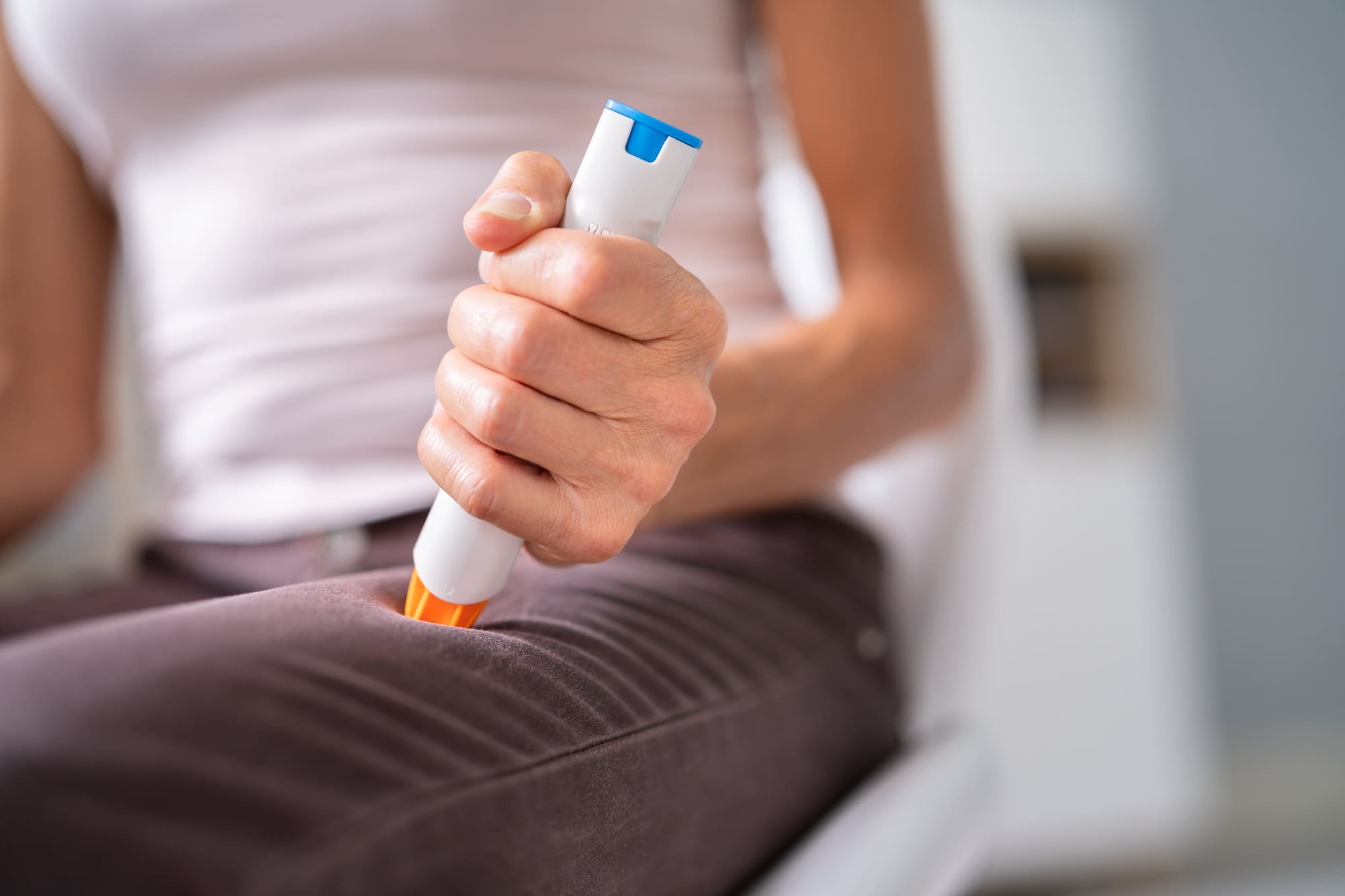
Epinephrine auto-injectors for severe allergic reactions
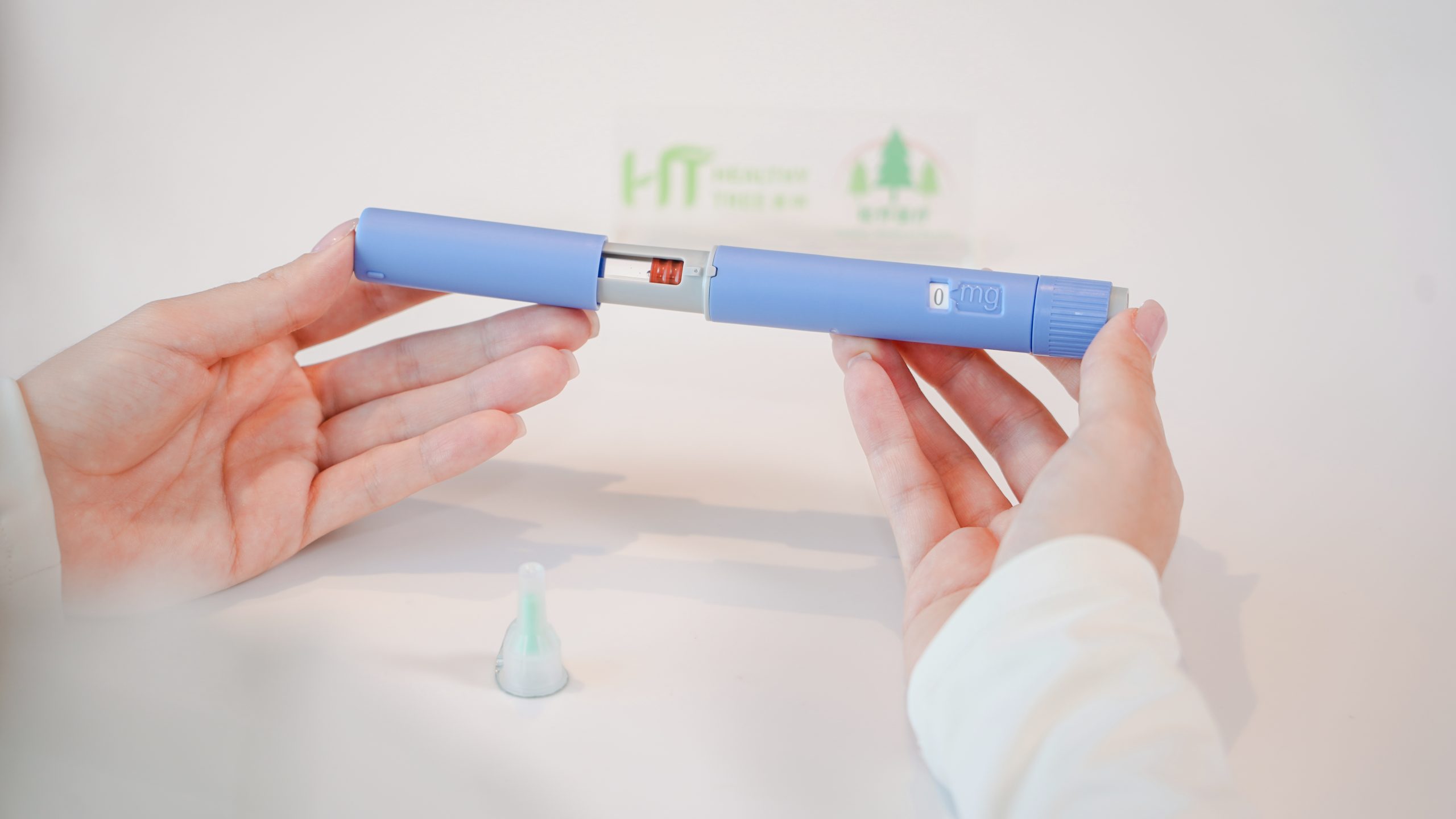
Insulin pens for children with diabetes
Growth hormone auto-injectors
3. How Auto-Injectors Reduce Pain and Fear
Auto-injectors address the two main sources of injection fear: the needle itself and the anticipation of pain.
3.1 Needle Concealment
The needle is hidden until the moment of injection.
Children cannot see the sharp tip, which significantly reduces anticipatory fear.
The “surprise factor” is minimized, especially with distraction or play techniques.
3.2 Controlled Injection Speed
Manual injections can be jerky or inconsistent, causing more discomfort.
Auto-injectors deliver medication at a constant rate, which often reduces the pain sensation.
3.3 Reduced Procedural Anxiety
Less manual handling and fewer steps simplify the process.
Children and parents experience fewer opportunities for error, reducing stress and worry.
Devices can be used in home, school, or emergency settings, creating a predictable routine.
3.4 Positive Reinforcement
Many auto-injectors provide auditory or tactile signals that indicate completion.
This feedback allows children to associate the procedure with predictability and safety, building confidence over time.
4. Psychological and Behavioral Benefits
Studies have demonstrated multiple psychological advantages of using auto-injectors in pediatric populations:
Lower reported pain scores: Children consistently report less perceived pain compared to manual syringes.
Reduced anxiety and distress: Visual concealment and automation decrease pre- and post-injection stress.
Increased adherence: Children are more willing to complete routine injections or emergency medication.
Empowerment: Older children can often self-administer, giving them a sense of control and reducing dependence on caregivers.
Positive long-term attitudes: Early exposure to pain-minimizing devices may reduce lifetime needle phobia.
5. Clinical Applications for Children
5.1 Diabetes Management
Insulin pens with auto-injector mechanisms reduce needle-related fear.
Children are more likely to adhere to daily insulin schedules.
Parents report less distress during injections, improving family dynamics.
5.2 Allergy and Anaphylaxis
Epinephrine auto-injectors allow rapid, life-saving administration in children with severe allergies.
Anxiety is reduced by pre-training, role-play, and easy-to-use devices.
Ensures children are less dependent on adult intervention in emergencies.
5.3 Growth Hormone Therapy
Auto-injectors simplify daily hormone administration.
Reduced pain and simplified technique improve adherence, crucial for long-term treatment effectiveness.
5.4 Other Chronic Conditions
Pediatric conditions requiring frequent injections, such as hemophilia or immunodeficiencies, also benefit from auto-injector systems.
6. Supporting Children During Auto-Injector Use
Even with advanced devices, support strategies enhance the benefits:
6.1 Preparation and Education
Explain the device in child-friendly terms, emphasizing “quick, easy, and almost painless.”
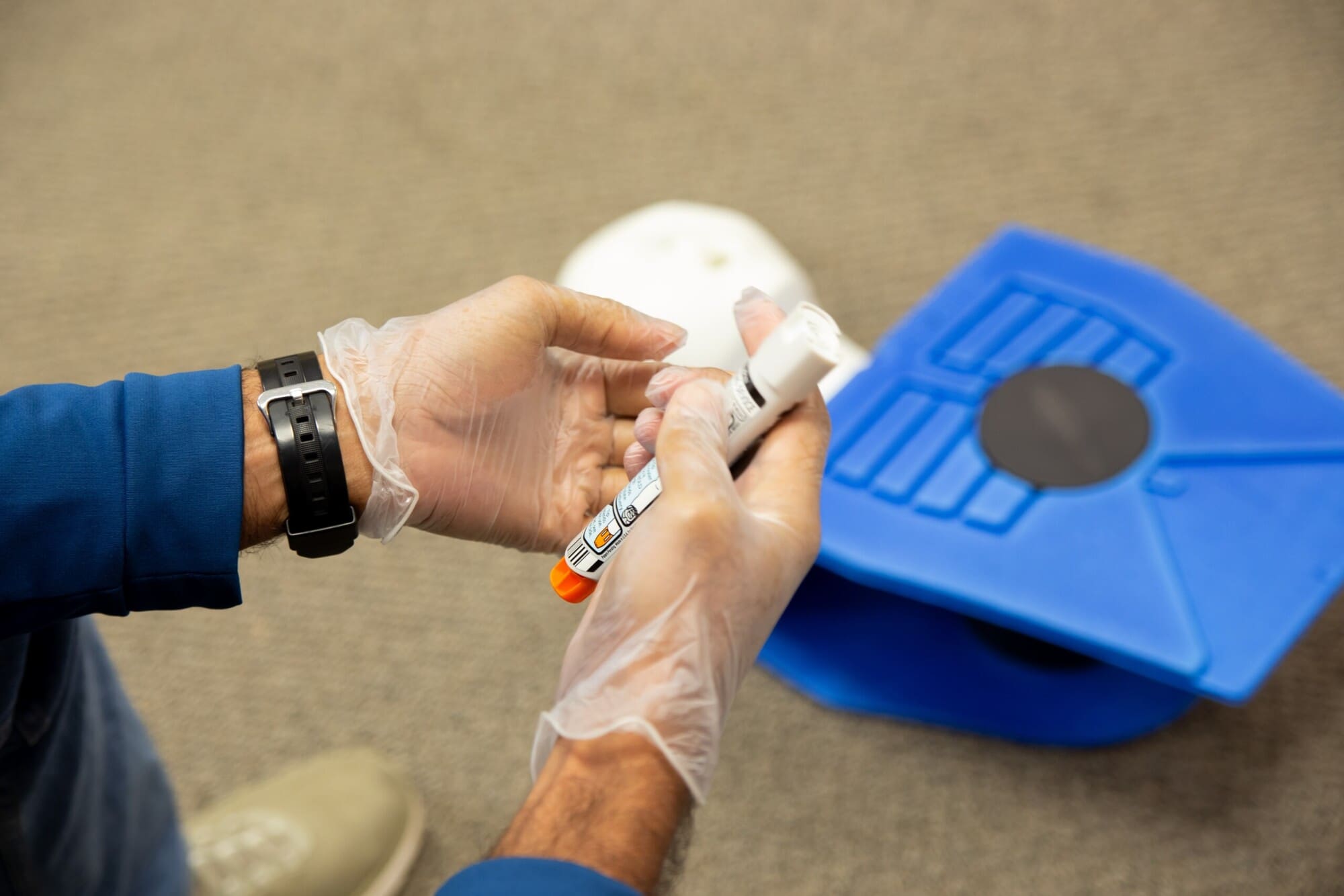
Use demonstration pens or training devices for practice without medication.
6.2 Distraction Techniques
Visual: cartoons, videos, or toys
Auditory: music, guided breathing
Interactive: counting, games, or playful storytelling
6.3 Gradual Exposure
Start with non-medicated practice injections or simulations.
Gradually introduce real medication once the child is comfortable.
6.4 Positive Reinforcement
Praise, stickers, or small rewards can reinforce bravery and cooperation.
Focus on success and completion, rather than pain or fear.
7. Advantages for Parents and Caregivers
Auto-injectors also reduce stress for parents:
Simplified procedure: Fewer steps, less preparation, easier handling.
Enhanced confidence: Accurate dosing and automated delivery reduce worry about mistakes.
Remote supervision: Many devices provide dose memory or digital tracking, improving adherence monitoring.
Improved child-parent interaction: Reduces power struggles and behavioral resistance during injections.
8. Limitations and Considerations
Despite their advantages, auto-injectors have some limitations:
Needle anxiety is not fully eliminated — children may still experience fear of the sensation.
Cost: Auto-injectors can be more expensive than standard syringes.
Device size and portability: Some children may find larger devices intimidating.
Training requirement: Children and caregivers must be taught proper technique, especially for emergency medications like epinephrine.
Storage and expiration: Devices must be stored correctly and replaced when expired.
9. Future Innovations in Pediatric Auto-Injectors
The next generation of auto-injectors aims to further reduce fear and discomfort:
Microneedle technology: Ultra-thin needles may make injections almost imperceptible.
Needle-free injectors: Devices that deliver medication through high-pressure liquid streams or transdermal systems.
Smart auto-injectors: Bluetooth-enabled devices that track usage, adherence, and dosing history.
Customizable features: Child-friendly colors, smaller form factors, and sensory-friendly textures.
These innovations aim to transform pediatric injections into a routine, low-stress experience.
10. Conclusion
Auto-injectors play a critical role in reducing children’s fear of injections. By automating medication delivery, concealing the needle, and standardizing the injection process, they:
Reduce pain and anxiety
Improve adherence to long-term treatments
Empower children to self-administer safely
Reduce stress for parents and caregivers
Foster positive attitudes toward medical care
For children with chronic conditions or frequent injection needs, auto-injectors are more than convenience—they are a tool for emotional well-being and long-term health success. With ongoing innovation and supportive strategies, children can receive essential medications safely, confidently, and with minimal fear.
Practical Guide: Using Auto-Injectors to Reduce Children’s Fear of Injections
This guide provides hands-on tips, comparisons, and strategies for parents, caregivers, and healthcare providers.
Comparing Auto-Injectors and Traditional Syringes
| Feature | Traditional Syringe | Auto-Injector | Impact on Children |
|---|---|---|---|
| Needle Visibility | Fully visible | Hidden until injection | Reduces anticipatory fear |
| Injection Speed | Manual, variable | Automatic, controlled | Less pain, smoother experience |
| Dosing Accuracy | Dependent on caregiver | Pre-measured, automated | Safer, fewer errors |
| Ease of Use | Requires skill | Minimal training | Empowers child and caregiver |
| Adherence Support | None | Some devices have memory or app tracking | Improved long-term adherence |
| Distraction-Friendly | Harder to combine with play | Easier to use with toys, videos, or games | Reduces stress and behavioral resistance |
Age-Specific Strategies
Toddlers (1–3 years)
Use distraction techniques: songs, bubbles, or toys.
Perform injections in a familiar, comfortable environment.
Praise and immediate positive reinforcement (stickers, high-fives).
Preschool (4–6 years)
Explain simply what the device does (“It gives the medicine quickly like a tiny robot”).
Use practice devices for play before real injections.
Offer choice where the injection happens (chair, lap, or playroom).
School-Age (7–12 years)
Teach basic self-injection skills with supervision.
Use visual timers or apps that sync with the auto-injector.
Encourage questions and participation, making injections part of a routine rather than a threat.
Adolescents (13+ years)
Encourage self-administration with minimal supervision.
Allow digital tracking and reminders via smartphone apps.
Involve them in device selection, so they feel control over the process.
Step-by-Step Tips for Using an Auto-Injector with Children
Preparation
Wash hands and clean the injection site.
Explain what will happen in simple terms.
Positioning
Choose a stable, comfortable position.
Toddlers can sit on a parent’s lap; older children can stand or sit independently.
Distraction
Provide toys, video, music, or counting exercises.
Encourage deep breathing or visualization.
Injection
Place the auto-injector on the skin.
Press the button or activate according to device instructions.
Most devices provide a click or vibration to signal completion.
Post-Injection
Praise the child for bravery.
Offer a small reward if appropriate.
Record the dose and time, especially for medications like insulin or epinephrine.
Training and Familiarization
Practice with training devices: Many auto-injectors come with dummy pens or trainers.
Role-play scenarios: Pretend injections during playtime reduce anxiety.
Education for caregivers: Ensure both parents, teachers, or babysitters know how to use the device.
Emergency readiness: For epinephrine auto-injectors, practice both administering and accessing the device quickly.
Psychological Considerations
Empowerment: Children who can self-administer feel in control, reducing fear.
Positive associations: Linking injections to predictable routines and rewards helps reduce anticipatory anxiety.
Consistency: Using auto-injectors consistently builds familiarity and trust in the device.
Benefits for Families
Reduced stress during routine or emergency injections.
More predictable and less traumatic experiences for both children and caregivers.
Encourages long-term adherence for chronic therapies.
Improves communication: children feel respected and included in their care.
Future Directions
Needle-free injectors: High-pressure or microneedle technology could further reduce fear.
Smart auto-injectors: Integrated Bluetooth tracking, reminders, and dosing logs.
Customizable devices: Child-friendly colors, smaller sizes, or tactile designs to make injections less intimidating.
Combined educational apps: Gamified training for children to practice injections in a stress-free environment.
Conclusion
Auto-injectors transform the experience of injections for children by:
Reducing pain and anxiety
Improving adherence
Empowering children to participate in their care
Simplifying the process for parents and caregivers
By combining age-appropriate strategies, practice, and positive reinforcement, auto-injectors can make injections a manageable and even routine part of a child’s health care, rather than a source of trauma or fear.
Parent-Friendly Guide: Using Auto-Injectors to Reduce Children’s Fear of Injections
This guide is structured for quick reference, helping families make injections less stressful, safer, and more manageable.
Auto-Injectors vs Traditional Syringes
| Feature | Traditional Syringe | Auto-Injector | Impact on Children |
|---|---|---|---|
| Needle visibility | Fully visible | Hidden | Reduces anticipatory fear |
| Injection speed | Variable, manual | Automatic, controlled | Less pain, smoother experience |
| Dosing accuracy | Depends on caregiver | Pre-measured | Safer, fewer errors |
| Ease of use | Requires skill | Minimal training | Empowers child & caregiver |
| Adherence support | None | Some with memory or apps | Improves long-term adherence |
| Distraction-friendly | Hard | Easy to combine with play | Reduces stress |
Key takeaway: Auto-injectors hide the needle and automate delivery, minimizing pain and anxiety.
Age-Specific Strategies
| Age | Approach | Tips |
|---|---|---|
| Toddlers (1–3 yrs) | Short attention span | Songs, bubbles, toy distraction, praise immediately |
| Preschool (4–6 yrs) | Simple explanations | Practice devices, “tiny robot” analogy, offer choice of injection site |
| School-age (7–12 yrs) | Learning & participation | Teach basic self-administration, use timers or apps, involve them in the routine |
| Adolescents (13+ yrs) | Independence | Encourage self-injection, use digital tracking, empower decision-making |
Step-by-Step Auto-Injector Use
Preparation
Wash hands and clean skin
Explain the process in simple terms
Positioning
Toddlers: sit on lap
Older children: seated or standing comfortably
Distraction
Toys, videos, music, counting
Injection
Press auto-injector per instructions
Listen/feel for click indicating completion
Post-Injection
Praise child for bravery
Offer reward if desired
Record dose/time
Tips to Reduce Fear
Practice with training devices (no needle or medication)
Role-play injections to build familiarity
Positive reinforcement: stickers, praise, small rewards
Consistent routines: schedule injections at the same time/place
Explain sensations beforehand: “It’s quick, like a little pinch, and then it’s done.”
Benefits for Children
Reduced pain perception
Lower anxiety before and during injections
Increased confidence and sense of control
Higher adherence to long-term treatment plans
Positive experience with medical care
Benefits for Parents
Simplifies procedure and reduces errors
Reduces stress and conflict during injections
Improves ability to manage chronic treatments
Allows safe, predictable administration at home, school, or on-the-go
Advanced & Future Features
Needle-free injectors for minimal pain
Bluetooth-connected smart auto-injectors for dose tracking
Gamified apps for children to practice injections
Customizable device designs: colors, textures, and shapes for comfort and engagement
Quick Checklist for Parents
Prepare skin and gather device
Choose comfortable, low-friction injection site
Use distraction techniques (toy, video, song)
Apply auto-injector per instructions
Praise child and record dose
Reinforce bravery with reward or sticker
Rotate sites to prevent irritation
Train caregivers, teachers, and babysitters
Key Takeaway
Auto-injectors transform injections from a stressful, painful experience into a manageable, less frightening process. By combining technology, preparation, and psychological strategies, children can take an active, confident role in their own care, while parents feel reassured that treatment is safe and effective.