
Complete Guide to Choosing Between a CGM and a Glucometer for Newly Diagnosed Children with Type 1 Diabetes
When a child is diagnosed with Type 1 diabetes, families suddenly enter a world filled with medical terms, numbers, devices, and constant worry. One of the very first and most important decisions parents face is whether to monitor their child’s glucose levels using a traditional glucometer or a Continuous Glucose Monitor (CGM).
Many parents ask questions like:
Will my child need finger pricks all day?
Is a CGM more accurate than a glucometer?
Is CGM safe for children?
Can diabetes still be managed well without a CGM?
Will my child become dependent on technology?
Which option is better for school, sleep, sports, and daily life?
This article is a detailed and practical guide designed to answer these questions and help families make an informed decision.
Understanding Type 1 Diabetes in Children
Type 1 diabetes is an autoimmune condition in which the pancreas no longer produces enough insulin. As a result, blood glucose levels can rise or fall rapidly throughout the day.
Good glucose management is especially important in children because:
The brain is still developing
Severe low blood sugar can be dangerous
Long-term high blood sugar may lead to complications
Children often have unpredictable eating and activity patterns
School, exercise, and sleep create additional challenges
Because of this, regular glucose monitoring becomes one of the most important parts of diabetes care.
What Is a Glucometer?
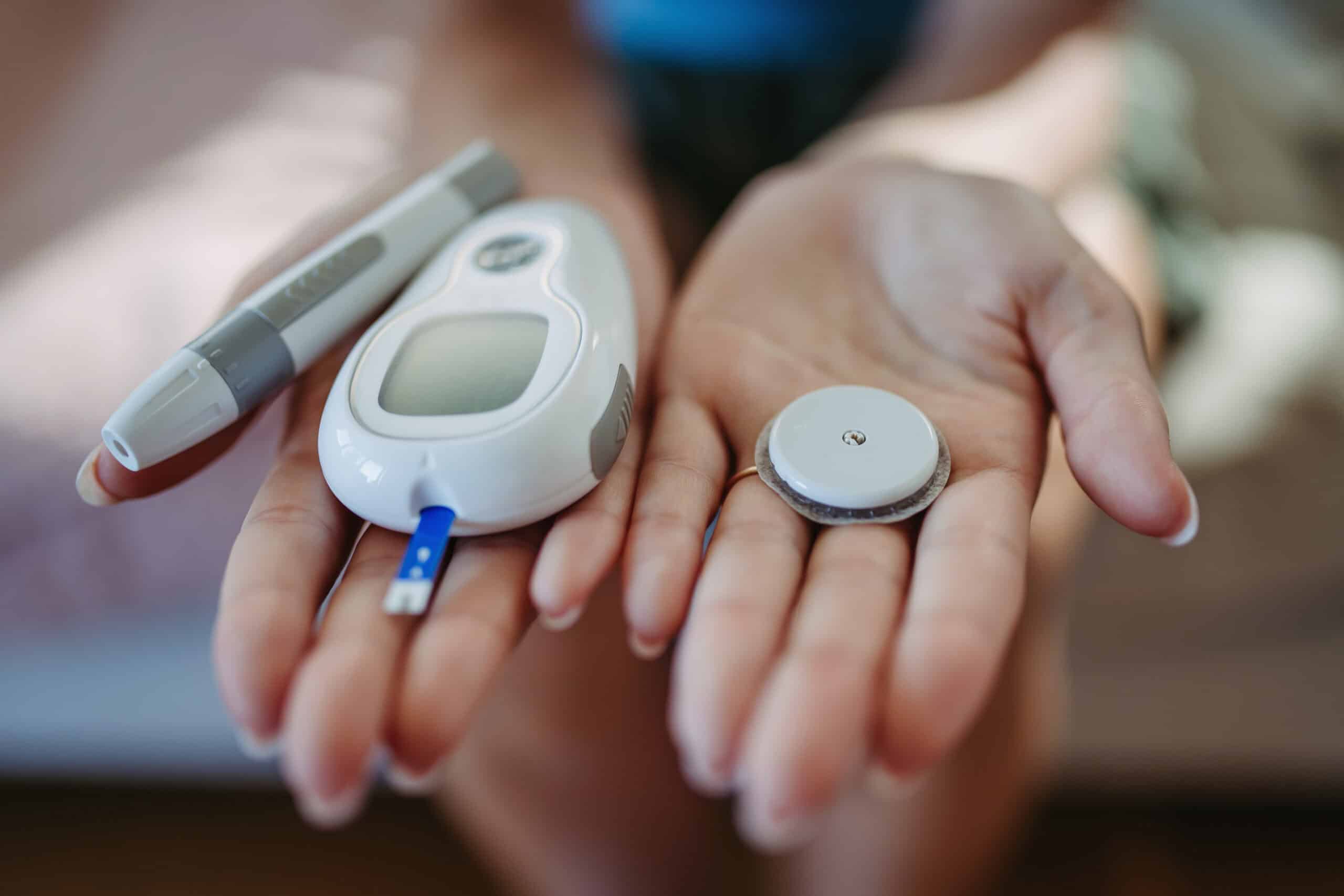
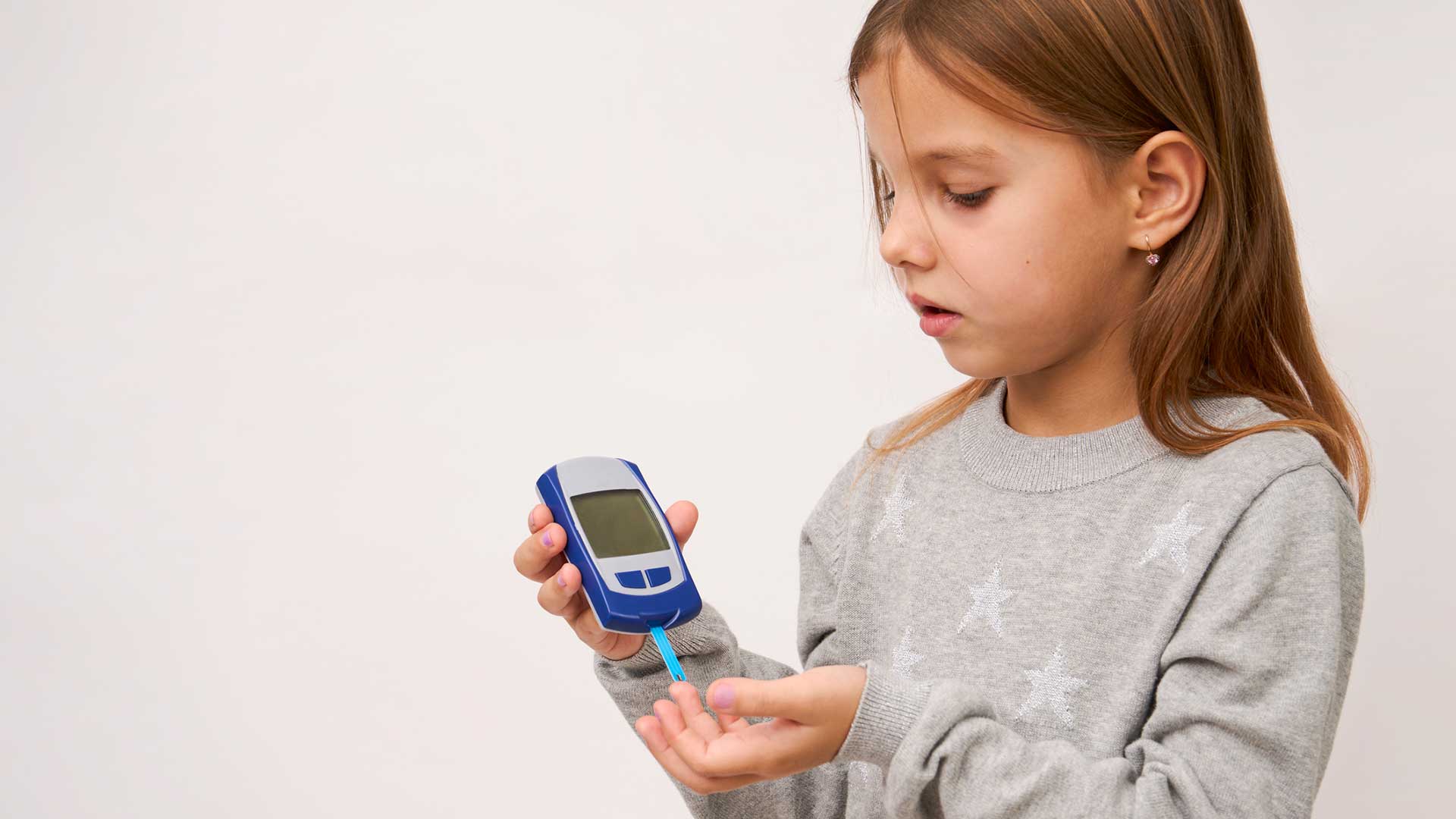
A glucometer is a small device that measures blood sugar using a drop of blood taken from the fingertip.
For many years, it has been the standard method for monitoring diabetes.
Main Components of a Glucometer
Glucose meter
Test strips
Lancet
Finger-pricking device
How It Works
The child’s finger is pricked
A drop of blood is placed on the test strip
The device displays the glucose reading within seconds
CGM stands for Continuous Glucose Monitoring.
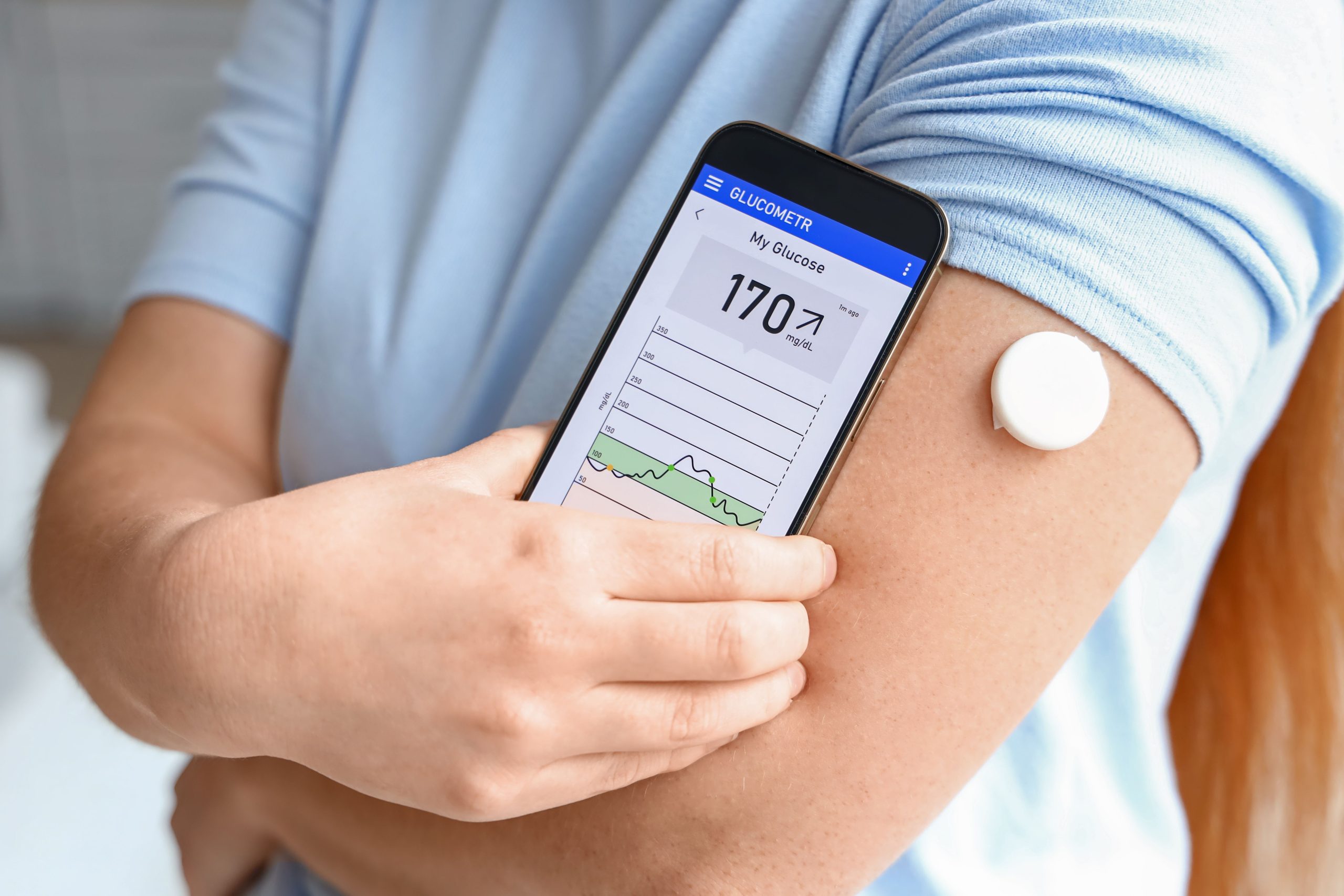
A CGM uses a small sensor placed on the skin to measure glucose levels continuously throughout the day and night. The data is transmitted to a smartphone, smartwatch, receiver, or insulin pump.
Unlike a glucometer, which only gives a single reading at one moment in time, a CGM shows trends and patterns.
The Main Difference Between a CGM and a Glucometer
Glucometer:
Shows what the blood sugar level is “right now.”
CGM:
Shows:
Current glucose level
Whether glucose is rising or falling
How quickly it is changing
Possible future trends
Overnight glucose patterns
This difference alone can completely change the way families manage diabetes.
Why CGMs Are Especially Valuable for Children
According to modern diabetes guidelines, CGMs should be offered to children with Type 1 diabetes as early as possible, including shortly after diagnosis. (diabetesjournals.org)
Reasons include:
Reduced risk of severe hypoglycemia
Better HbA1c outcomes
Less parental stress
Improved overnight safety
Easier monitoring during school and sports
Real-time alerts for highs and lows
Advantages of a Glucometer
Even with advances in CGM technology, glucometers still play an important role.
1. High Accuracy for Immediate Readings
A glucometer measures glucose directly from capillary blood.
2. Lower Cost
In many countries, glucometers are still much more affordable than CGMs.
3. No Sensor Attached to the Body
Some children dislike wearing devices on their skin.
4. Useful as a Backup Tool
If a CGM gives an unexpected reading or error, fingerstick testing remains the reference method.
Disadvantages of a Glucometer
1. Frequent Finger Pricks
Some children need glucose checks 6–10 times daily. (emedicine.medscape.com)
2. No Trend Information
Two identical glucose numbers may represent completely different situations if one is rapidly rising and the other rapidly falling.
3. Difficult Overnight Monitoring
Parents may need to wake up during the night to check glucose manually.
4. Increased Stress for Families
Many parents constantly worry about hidden overnight lows.
Advantages of a CGM
1. Alerts for High and Low Blood Sugar
This is one of the biggest advantages for children.
CGMs can warn families before glucose reaches dangerous levels.
2. Trend Arrows and Pattern Recognition
CGMs show whether glucose is:
Rising
Falling
Stable
This helps parents make smarter decisions about insulin, meals, and activity.
3. Greater Peace of Mind for Parents
Many parents report that CGMs improve sleep quality and reduce anxiety.
In diabetes communities, CGMs are often described as “life-changing.” (reddit.com)
4. Improved HbA1c
Research shows that early CGM use can improve overall glucose control and HbA1c levels. (diabetesjournals.org)
5. Better Safety at School
Many CGM systems allow parents to monitor glucose remotely while the child is at school.
6. Support During Exercise and Sports
Children may experience sudden glucose drops during physical activity.
CGMs provide early warning alerts.
7. Fewer Finger Pricks
Although occasional fingerstick checks are still needed, they are much less frequent.
Disadvantages of a CGM
1. Higher Cost
Sensors must be replaced regularly, which can become expensive.
2. Possible Delays or Inaccuracies
CGMs measure glucose in interstitial fluid rather than directly in blood.
Because of this, readings may lag behind blood glucose by about 5–15 minutes during rapid changes. (diabetesjournals.org)
3. Wearing a Sensor on the Skin
Some children:
Pull sensors off
Develop skin irritation
Dislike adhesive patches
4. Alarm Fatigue
Frequent alerts can sometimes become mentally exhausting for families.
Can a CGM Completely Replace a Glucometer?
No.
Even children using CGMs still need access to a glucometer.
Fingerstick testing may still be necessary:
When symptoms do not match CGM readings
During severe hypoglycemia
If the sensor fails
During the first hours after sensor insertion
During illness or dehydration
Clinical guidelines also recommend confirming certain readings with fingerstick testing when necessary. (diabetesjournals.org)
What Is the Best Choice for a Newly Diagnosed Child?
The short answer:
If access and affordability allow, a CGM is often considered the better and more modern option.
Why?
During the first months after diagnosis:
Parents are overwhelmed and anxious
Glucose levels fluctuate unpredictably
Insulin doses are still being adjusted
Overnight lows are a major concern
A CGM provides far more information and can significantly reduce stress during this difficult adjustment period.
That is why many diabetes organizations recommend early CGM use after diagnosis. (diabetesjournals.org)
Which Children Benefit Most from CGMs?
Children who:
Experience overnight hypoglycemia
Have large glucose fluctuations
Are too young to recognize low blood sugar symptoms
Participate in sports frequently
Attend school regularly
Are very young
When Might a Glucometer Be the More Practical Choice?
A glucometer may still be a reasonable option if:
CGM costs are too high
Sensor access is limited
The child strongly dislikes wearing a device
The family feels overwhelmed by technology
Skin sensitivity or adhesive allergies are present
Some families start with a glucometer and transition to CGM later.
Do Children Adapt to CGMs?
Most children adjust surprisingly well after a few weeks.
Younger children often adapt even faster because they grow up considering the device part of normal life.
Does a CGM Hurt?
Sensor insertion may cause brief discomfort, but many children find it less stressful than repeated finger pricks throughout the day.
Popular CGM Brands
Common CGM systems include:
Dexcom
FreeStyle Libre
Medtronic Guardian
They differ in:
Accuracy
Alert systems
Sensor lifespan
Pump integration
Smartphone compatibility
Cost
Can CGMs Cause Anxiety or Obsession With Numbers?
Sometimes, yes.
Some parents feel compelled to constantly monitor glucose data, leading to stress and burnout.
This is why emotional support and diabetes education are just as important as the technology itself.
The goal of a CGM is to support decision-making — not create fear.
The Importance of Education
Even the best CGM can become confusing without proper training.
Families should learn:
What trend arrows mean
How to respond to alerts
When CGM readings may be inaccurate
How to interpret patterns over time
Are CGMs Right for Every Child?
CGMs are beneficial for most children, but the “best” choice is always individualized.
Healthcare providers consider:
The child’s age
Family budget
Lifestyle
School routine
Risk of hypoglycemia
Comfort with technology
Access to supplies
The Future of Diabetes Care in Children
Today, CGMs are more than monitoring tools.
Many modern systems connect directly with insulin pumps and automatically adjust insulin delivery. These systems are known as Automated Insulin Delivery (AID) or “artificial pancreas” systems. (diabetesjournals.org)
They represent the future of pediatric diabetes care.
Final Summary
Glucometer:
Less expensive
Simple and reliable
Accurate for immediate readings
But limited to single-point measurements
CGM:
More advanced and informative
Safer for detecting low blood sugar
Better for sleep, school, and sports
Provides alerts and trend data
But more expensive and requires training
Today, many pediatric diabetes specialists consider CGMs the preferred option for most newly diagnosed children with Type 1 diabetes — especially when families have access to the technology and proper education.
However, even in the era of CGMs, the glucometer remains an essential part of diabetes care.
Practical Tips for Parents Choosing Between a CGM and a Glucometer
For many families, the decision is not simply about technology — it is about daily life, emotional stress, sleep, school safety, finances, and the child’s comfort.
Below are some practical considerations that can help parents make a more realistic decision.
Questions Parents Should Ask Before Choosing
1. How old is the child?
Very young children often benefit greatly from CGMs because they may not recognize or communicate symptoms of low blood sugar.
Toddlers and preschoolers are especially vulnerable to:
Overnight hypoglycemia
Sudden glucose swings
Inability to explain symptoms clearly
In these cases, CGM alarms can add an important layer of safety.
2. How comfortable is the child with medical devices?
Some children adapt quickly to wearable technology, while others may:
Fear insertion
Pull sensors off repeatedly
Become distressed by adhesive patches
Personality matters more than many parents initially realize.
3. Is nighttime monitoring a major concern?
For many parents, nighttime is the most emotionally difficult part of diabetes management.
Without CGM:
Parents may wake multiple times per night
Manual glucose checks may interrupt sleep
Fear of overnight lows can become overwhelming
CGMs with low-glucose alarms often reduce this anxiety significantly.
4. What is the family’s budget and insurance coverage?
In many healthcare systems:
Glucometers are relatively inexpensive
CGM sensors may require ongoing monthly costs
Families should investigate:
Insurance reimbursement
Government support programs
Diabetes foundations
Hospital assistance programs
Access varies greatly depending on the country and healthcare system.
Understanding CGM Numbers and Trend Arrows
One of the most valuable features of CGM technology is trend analysis.
A single glucose number does not tell the full story.
For example:
A glucose of 120 mg/dL with a downward arrow may require immediate attention
A glucose of 120 mg/dL with a stable arrow may be perfectly safe
Trend arrows help families anticipate changes before they become dangerous.
Example of Trend Interpretation
Imagine two children both showing a glucose level of 100 mg/dL.
Child A:
Stable glucose
No active insulin
Resting quietly
Child B:
Rapid downward trend
Recently exercised
Insulin still active
Although the numbers are identical, the second child may soon develop hypoglycemia.
This is one reason why many diabetes specialists consider CGMs transformational.
The Emotional Side of Diabetes Technology
Technology can improve safety, but it can also create emotional challenges.
Some families experience:
Constant worry about every number
Alarm fatigue
Sleep disruption from notifications
Feelings of failure when glucose levels fluctuate
It is important to remember:
Perfect glucose control does not exist — especially in children.
Growth hormones, illness, stress, activity, puberty, appetite, and sleep can all affect glucose unpredictably.
A CGM is a tool for guidance, not a report card on parenting.
School and Diabetes Management
School introduces additional concerns:
Teachers may not recognize hypoglycemia
Young children may forget symptoms
Exercise and lunch timing vary daily
Parents are physically separated from the child
CGMs with remote monitoring features can help parents:
View glucose levels from a distance
Receive urgent alerts
Coordinate with school staff
For many families, this remote access becomes one of the most important benefits of CGM technology.
Sports, Exercise, and Physical Activity
Exercise affects blood glucose differently in every child.
Activities such as:
Soccer
Swimming
Dancing
Running
Gymnastics
may cause glucose to drop rapidly during or even hours after activity.
CGMs help detect these trends early and allow families to:
Adjust snacks
Reduce insulin doses
Prevent severe lows
Puberty and Glucose Variability
As children grow older, hormones make diabetes management more difficult.
Puberty often causes:
Increased insulin resistance
Sudden glucose spikes
Greater unpredictability
During this phase, CGMs can provide valuable insight into daily patterns and help healthcare teams make treatment adjustments more effectively.
What About Accuracy?
Parents often ask:
“Which device is more accurate?”
The answer is nuanced.
Glucometers:
Measure capillary blood directly
Very accurate for immediate readings
CGMs:
Measure interstitial fluid
Slight delay during rapid changes
Better for understanding trends over time
In real-world diabetes care, both tools complement each other.
Sensor Placement in Children
Common sensor placement sites include:
Back of the upper arm
Abdomen
Upper buttocks (in smaller children)
Choosing the right location can improve:
Comfort
Adhesion
Accuracy
Sensor lifespan
Skin Irritation and Adhesive Problems
Some children develop:
Redness
Itching
Rash
Adhesive allergies
Helpful strategies may include:
Barrier wipes
Protective underpatches
Hypoallergenic adhesives
Rotating insertion sites
Families should discuss persistent skin problems with their diabetes care team.
Traveling With Diabetes Devices
Travel introduces additional planning.
Families using CGMs should consider:
Bringing backup sensors
Carrying a glucometer at all times
Airport screening procedures
Charging devices
Extra adhesives for hot weather or swimming
Even children with advanced CGM systems should always travel with a backup glucometer.
What Happens if the Sensor Fails?
Sensor failures occasionally happen.
Possible issues include:
Sensor detachment
Calibration errors
Signal loss
Inaccurate readings
This is why healthcare providers strongly recommend maintaining fingerstick testing supplies at home.
Should Families Start With a Glucometer First?
Some diabetes teams still recommend learning basic diabetes management with a glucometer before transitioning to CGM.
Their reasoning:
Parents learn glucose fundamentals
Families understand insulin effects more clearly
Technology dependence may be reduced initially
However, many modern diabetes centers now introduce CGM very early because of its safety and educational benefits.
Both approaches can be reasonable depending on the child and family.
Combining CGM With Insulin Pumps
Modern diabetes care increasingly combines:
CGM systems
Insulin pumps
Automated insulin delivery algorithms
These systems can:
Adjust insulin automatically
Reduce overnight lows
Improve time-in-range
Reduce mental burden on families
This technology is rapidly changing pediatric diabetes care worldwide.
Time in Range: A New Way to Measure Diabetes Control
Traditionally, diabetes management focused mainly on HbA1c.
CGMs introduced a newer concept called:
“Time in Range” (TIR)
This measures how much time glucose stays within the target range.
For many families, improving time-in-range becomes a more practical and motivating goal than chasing perfect numbers.
Common Parent Concerns About CGMs
“Will my child feel different from other kids?”
Many children initially worry about visible devices.
In reality:
Most classmates become curious briefly and then lose interest
Many children become proud of understanding their condition
Diabetes technology is becoming increasingly common
Supportive school environments make a major difference.
“What if my child refuses to wear it?”
This happens sometimes.
Helpful strategies may include:
Allowing the child to choose sensor colors or stickers
Practicing insertion on toys
Offering rewards initially
Giving older children some control over placement
Forcing technology often increases resistance.
“Will CGM make us obsessive?”
It can if boundaries are not healthy.
Some parents benefit from:
Limiting overnight alert settings
Avoiding constant checking
Focusing on trends instead of isolated numbers
Working with diabetes psychologists or educators
The Most Important Thing to Remember
No device can replace:
Education
Experience
Emotional support
Consistent follow-up with healthcare providers
A CGM or glucometer is only one part of diabetes care.
The real goal is helping the child:
Stay safe
Grow normally
Participate fully in life
Build confidence and independence
Final Thoughts
Choosing between a CGM and a glucometer is not about finding a “perfect” device.
It is about finding the right balance between:
Safety
Cost
Comfort
Lifestyle
Emotional well-being
Family readiness
For many newly diagnosed children, CGMs provide major advantages in safety, convenience, and quality of life.
However, glucometers remain essential tools and continue to play an important role in diabetes management around the world.
The best choice is always the one that helps the child and family feel informed, supported, and capable of managing diabetes with confidence.