
The Best Methods for Disinfecting Diabetes Equipment in Children
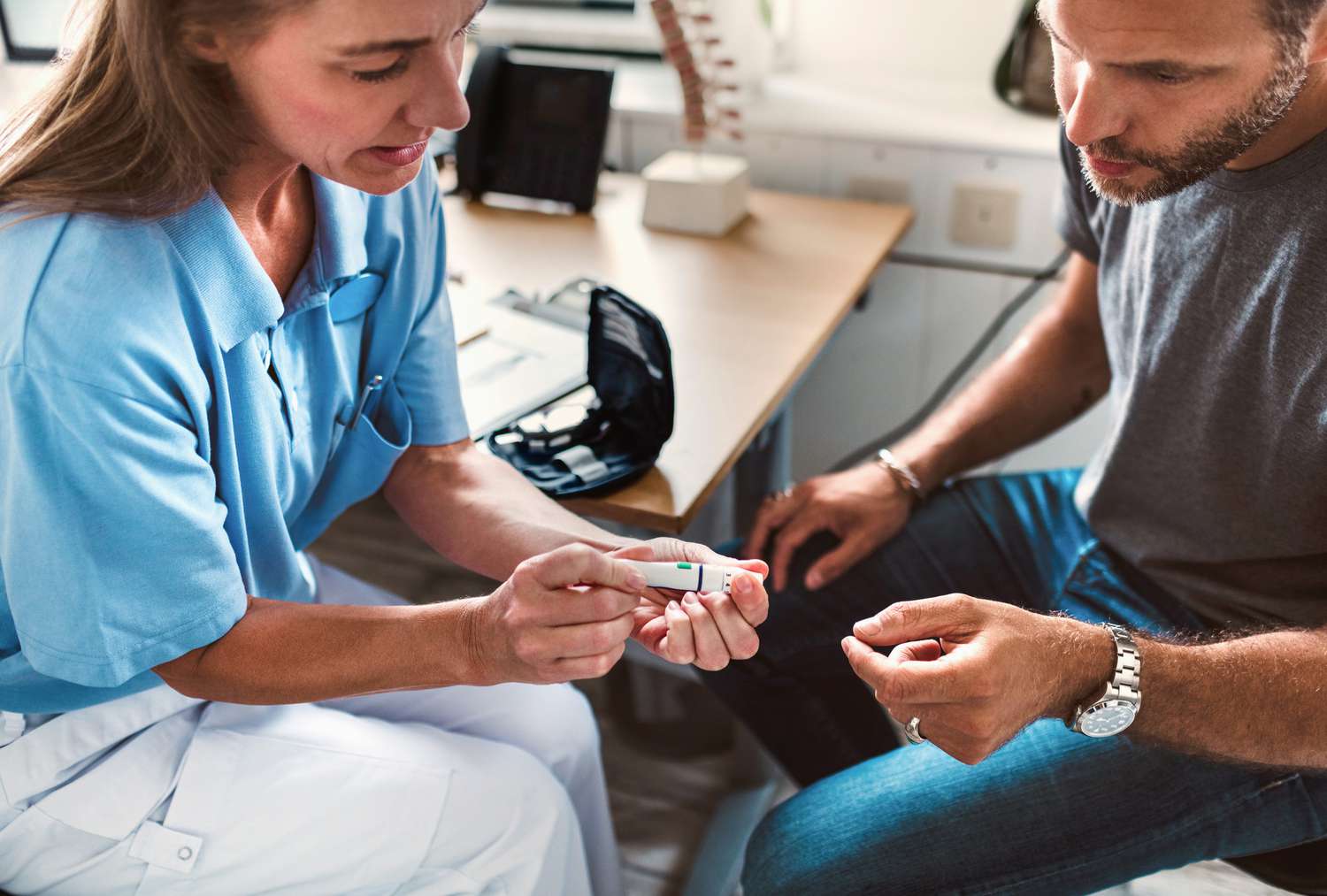
Proper hygiene and disinfection of diabetes equipment are essential parts of safe diabetes management in children. Young patients with diabetes often use multiple medical devices every day, including glucose meters, insulin pens, insulin pumps, Continuous Glucose Monitoring (CGM) systems, lancets, and syringes. Because children may have developing immune systems, sensitive skin, active lifestyles, and frequent physical contact with shared environments such as schools and playgrounds, maintaining clean diabetes equipment becomes especially important.
Incorrect cleaning practices can lead to:
Skin infections
Contamination of medical devices
Inaccurate glucose readings
Device malfunction
Irritation and allergic reactions
Increased anxiety for children and parents
This article provides a detailed guide to safely disinfecting diabetes equipment used by children, including best practices for home, school, travel, sports, and hospital settings.
Why Hygiene Matters in Pediatric Diabetes Care
Children with diabetes often handle equipment many times each day.
Daily diabetes routines may involve:
Fingerstick testing
Insulin injections
Sensor insertions
Pump site changes
Handling adhesives and tubing
Every contact point creates opportunities for bacteria, viruses, dirt, and sweat to contaminate equipment.
Good hygiene reduces the risk of:
Local skin infections
Device contamination
Inflammation
Sensor failure
Cross-contamination among family members
Common Diabetes Equipment Used by Children
Children with diabetes may use:
Blood glucose meters
Test strips
Lancet devices
Insulin pens
Syringes
Insulin pumps
CGMs
Alcohol swabs
Adhesive patches
Popular pediatric-compatible devices include:
Dexcom G7
FreeStyle Libre 3
Omnipod 5
Tandem t:slim X2
Each device requires different cleaning and disinfection approaches.
Cleaning vs Disinfecting: Understanding the Difference
Many people confuse cleaning with disinfecting.
Cleaning
Cleaning removes:
Dirt
Dust
Oils
Sweat
Organic material
This usually involves soap and water.
Disinfecting
Disinfecting kills harmful microorganisms such as:
Bacteria
Viruses
Certain fungi
Disinfection typically requires alcohol or approved disinfectant products.
Both cleaning and disinfecting are important.
General Hygiene Principles for Children with Diabetes
Before touching diabetes equipment, children and caregivers should:
Wash hands thoroughly
Dry hands completely
Use clean surfaces
Avoid touching sterile parts unnecessarily
Good hand hygiene is the foundation of infection prevention.
Proper Handwashing Technique
Effective handwashing should last at least 20 seconds.
Important areas include:
Fingertips
Under nails
Between fingers
Palms and wrists
Soap and water are generally better than hand sanitizer before glucose testing because sanitizer residue may affect readings.
Best Methods for Cleaning Glucose Meters
Blood glucose meters are handled frequently and may accumulate bacteria over time.
Examples include:
Accu-Chek Guide
OneTouch Verio Reflect
Contour Next One
Daily Meter Cleaning
Use:
Soft cloths
Mild soap
Manufacturer-approved wipes
Avoid:
Excessive moisture
Spraying liquid directly onto the meter
Bleach unless specifically approved
Moisture entering the strip port may damage electronics.
Disinfecting the Meter Surface
Alcohol wipes containing approximately 70% isopropyl alcohol are commonly recommended for external surfaces.
Wipe:
Buttons
Outer casing
Screen edges
Allow the device to air dry fully before use.
Cleaning the Test Strip Port
The strip port should remain dry and free from debris.
If cleaning is necessary:
Use a dry cotton swab
Follow manufacturer instructions carefully
Never insert wet objects into the port.
Lancet Device Hygiene
Lancet devices are often overlooked but can carry blood contamination.
Important rules include:
Never share lancet devices
Replace lancets regularly
Clean visible blood immediately
How Often Should Lancets Be Changed?
Ideally, lancets should be changed after every use.
Reusing lancets may:
Increase pain
Damage skin
Raise infection risk
Dull the needle tip
Children especially benefit from sharp, clean lancets because they reduce discomfort.
Cleaning Insulin Pens
Insulin pens should be wiped regularly, especially after travel, school, or sports.
Examples include:
Humalog KwikPen
NovoLog FlexPen
Use:
Alcohol wipes
Soft disinfecting cloths
Avoid soaking pens or exposing them to excessive moisture.
Needle Safety for Children
Pen needles and syringes must remain sterile.
Important recommendations:
Never reuse needles excessively
Store needles in clean containers
Dispose of used sharps safely
Children should never play with diabetes supplies.
Safe Cleaning of Insulin Pumps
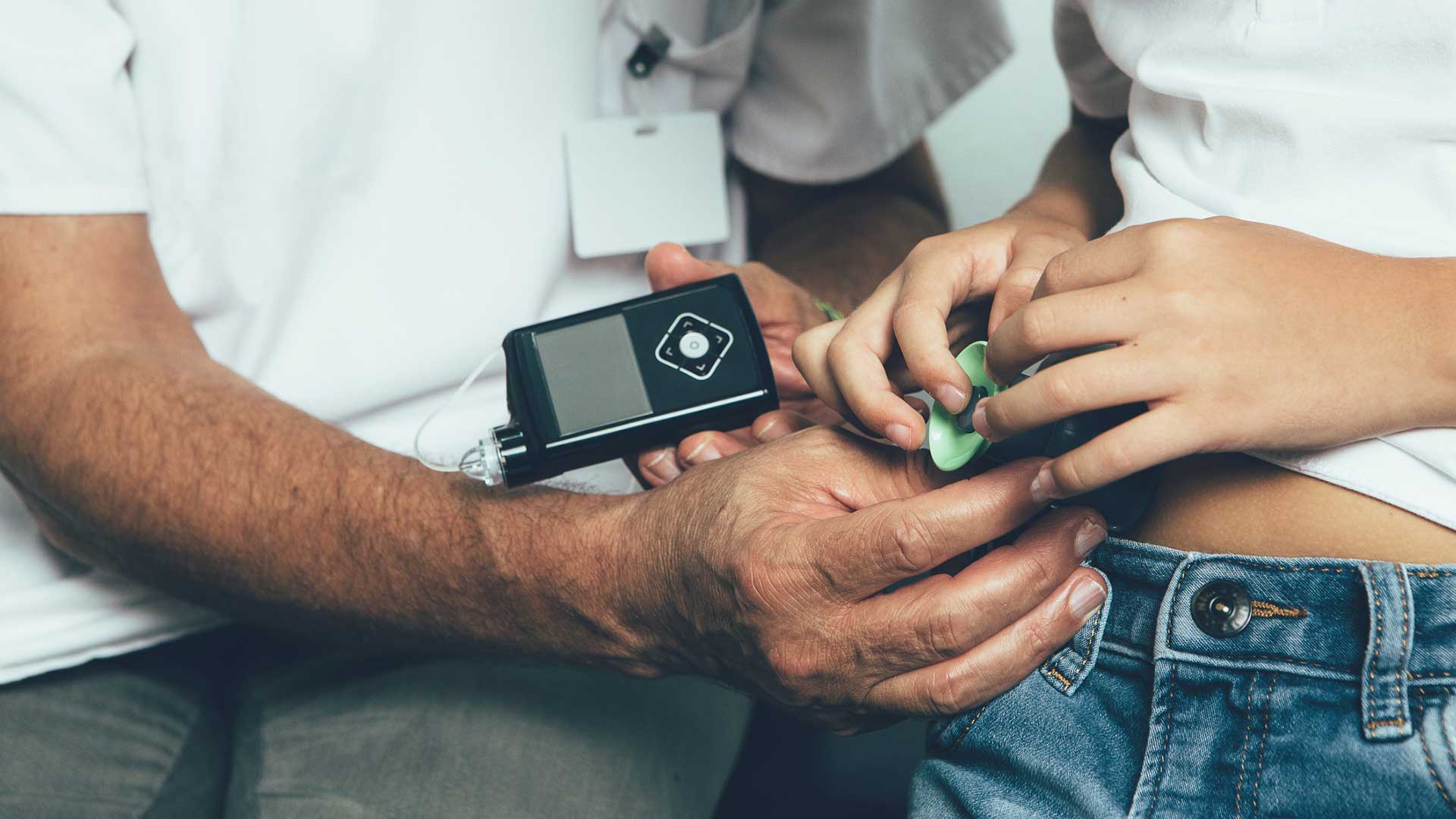
Insulin pumps require careful maintenance because they combine medication delivery with electronics.
External Pump Cleaning
Pump surfaces should be cleaned regularly using:
Soft disinfecting wipes
Mild soap cloths
Alcohol wipes approved by the manufacturer
Avoid:
Immersing pumps in water unless waterproof
Harsh chemicals
Abrasive cleaning tools
Tubing and Infusion Sets
Infusion sets should be replaced according to manufacturer schedules.
Signs of contamination include:
Redness
Swelling
Leakage
Odor
Pain
Infusion sites should always be disinfected before insertion.
Proper Skin Preparation Before Insertions
Before injections, pump insertions, or CGM placement:
Wash hands
Clean skin with alcohol wipe
Allow skin to dry completely
Avoid touching cleaned area
Allowing alcohol to dry reduces skin irritation and improves adhesive strength.
Cleaning CGM Sensors and Adhesives
CGM systems require special skin care because sensors remain attached for days.
Examples include:
Dexcom G7
FreeStyle Libre 3
Skin Cleaning Before Sensor Application
The insertion area should be:
Clean
Dry
Oil-free
Avoid applying sensors immediately after lotions or sunscreen.
Managing Sweat and Moisture
Children are physically active, increasing sweat exposure.
Sweat may:
Weaken adhesives
Increase bacterial growth
Cause skin irritation
Extra adhesive patches may help maintain hygiene and sensor stability.
Preventing Skin Irritation in Children
Children often have sensitive skin.
Avoid over-cleaning with harsh disinfectants because this may cause:
Dryness
Rashes
Cracking
Allergic reactions
Gentle products are usually best.
Disinfecting Diabetes Equipment at School
School environments expose equipment to many surfaces and germs.
Children should have:
Clean carrying cases
Personal diabetes kits
Hand wipes
Backup supplies
School staff should understand proper hygiene procedures.
Shared Devices in Schools or Clinics
If glucose meters are shared in healthcare or school settings, strict disinfection protocols are critical.
This may include:
EPA-approved disinfectants
Full surface cleaning after each use
Disposable gloves
Blood contamination risks are higher in shared environments.
Traveling with Diabetes Equipment
Travel introduces additional contamination risks.
Portable hygiene kits should include:
Alcohol wipes
Hand sanitizer
Spare lancets
Adhesive removers
Disinfecting cloths
Children should avoid placing devices directly on public surfaces.
Cleaning Equipment After Sports and Outdoor Activities
Outdoor activities expose equipment to:
Dirt
Sweat
Sand
Water
Bacteria
After activities:
Wipe devices carefully
Inspect insertion sites
Replace loose adhesives
Wash hands before testing
COVID-19 and Viral Infection Awareness
The COVID-19 pandemic increased awareness about device hygiene.
Important precautions include:
Frequent handwashing
Avoiding shared devices
Disinfecting frequently touched surfaces
Cleaning phones used with CGMs
Smartphones paired with diabetes devices may also carry germs.
Safe Disposal of Diabetes Waste
Proper disposal protects children and others from injury and contamination.
Dispose safely:
Needles
Lancets
Syringes
Used sensors
Sharps containers are strongly recommended.
Emotional and Psychological Considerations
Excessive focus on sterility may increase anxiety in some children.
Parents should aim for:
Consistent hygiene
Calm routines
Age-appropriate education
Positive reinforcement
Children should learn hygiene without developing fear of medical equipment.
Teaching Children Hygiene Independence
As children grow older, they should gradually learn:
Handwashing
Cleaning routines
Safe disposal
Equipment organization
Building independence improves long-term diabetes management skills.
Common Mistakes to Avoid
Using Excessive Alcohol
Too much alcohol may:
Damage adhesives
Irritate skin
Dry out devices
Reusing Dirty Lancets
This increases pain and infection risk.
Cleaning Electronics Incorrectly
Liquids inside devices may destroy sensitive electronics.
Ignoring Redness or Irritation
Skin problems should never be ignored because infections can worsen quickly.
Signs of Possible Infection
Parents should watch for:
Redness
Warmth
Swelling
Pus
Fever
Pain at insertion sites
Medical attention may be necessary if symptoms worsen.
Creating a Safe Diabetes Hygiene Routine
A good routine includes:
Daily handwashing habits
Regular device cleaning
Organized supplies
Scheduled site changes
Backup hygiene kits
Consistency is more important than perfection.
Future Innovations in Diabetes Hygiene and Device Safety
Researchers are developing:
Antimicrobial device coatings
Improved adhesives
Needle-free monitoring systems
Longer-lasting sterile sensors
Self-cleaning medical surfaces
These technologies may improve safety and comfort for children with diabetes in the future.
Conclusion
Proper disinfection of diabetes equipment in children is a critical part of safe and effective diabetes care. Clean devices help prevent infections, improve accuracy, extend equipment life, and create safer daily routines for children and families.
The best approach combines regular hand hygiene, proper cleaning methods, safe disposal practices, careful skin care, and age-appropriate education. Parents and caregivers should focus on maintaining clean but balanced routines without creating unnecessary fear or stress.
With consistent hygiene habits and proper device care, children with diabetes can safely participate in school, sports, travel, and everyday activities while maintaining healthy and confident diabetes management.
Advanced Infection Prevention and Sterilization Strategies for Pediatric Diabetes Equipment
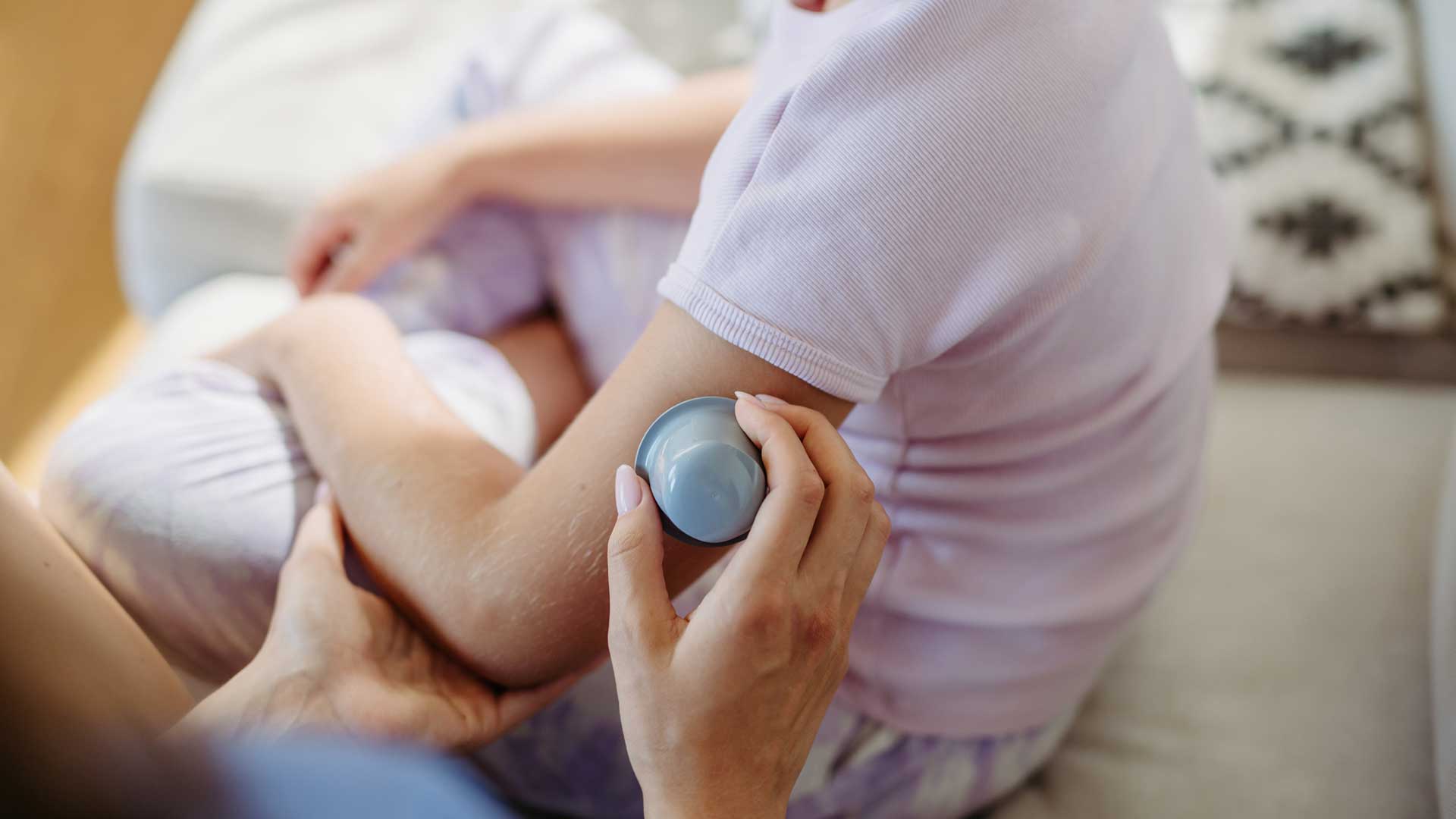
As diabetes technology becomes more advanced, children are using medical devices more frequently and for longer periods of time. While basic cleaning routines are extremely important, families and caregivers should also understand advanced hygiene strategies that help prevent infections, preserve device function, and support healthy skin over the long term.
This section explores deeper aspects of pediatric diabetes equipment disinfection, including bacterial contamination risks, safe sterilization practices, skin microbiome protection, hygiene during illness, and practical strategies for schools, hospitals, sports, and public environments.
Understanding Infection Risks in Children with Diabetes
Children with diabetes are not automatically “unsafe” or severely immunocompromised, but several factors can increase infection risk.
These may include:
Frequent skin punctures
Continuous device wear
High blood glucose levels
Sweat accumulation under adhesives
Improper hand hygiene
Shared environments
High blood sugar itself may also slow wound healing and reduce the body’s ability to fight infections effectively.
Common Sources of Contamination
Diabetes equipment may become contaminated through:
Hands
Shared surfaces
School desks
Sports equipment
Mobile phones
Bathroom surfaces
Food residue
Sweat and body oils
Understanding contamination sources helps families create better prevention habits.
Bacteria Commonly Found on Medical Devices
Studies have shown that frequently touched medical devices may carry bacteria such as:
Staphylococcus species
Streptococcus species
E. coli
Skin flora bacteria
Most bacteria are harmless in healthy skin, but broken skin around infusion or sensor sites may increase infection risk.
The Role of the Skin Microbiome
Human skin naturally contains beneficial microorganisms called the skin microbiome.
Excessive disinfection may disrupt this protective barrier.
Over-cleaning can sometimes lead to:
Dry skin
Irritation
Increased sensitivity
Weakened skin protection
The goal is balanced hygiene — not aggressive sterilization.
Sterile vs Clean: Important Distinction
In hospitals, “sterile” means completely free of microorganisms.
At home, most diabetes care focuses on “clean” rather than fully sterile conditions.
Families do not need surgical-level sterilization for routine diabetes management.
Instead, focus should remain on:
Clean hands
Clean surfaces
Safe insertion practices
Proper disposal
Choosing Safe Disinfectants for Children
Children often have more sensitive skin than adults.
The safest products are usually:
Mild alcohol wipes
Fragrance-free disinfecting wipes
Manufacturer-approved cleaning products
Avoid harsh chemicals unless specifically recommended.
Why Bleach Is Usually Not Ideal for Home Use
Bleach may damage:
Plastic surfaces
Device coatings
Adhesives
Electronics
Bleach residue may also irritate children’s skin and respiratory systems.
Only use diluted bleach if specifically instructed for certain medical situations.
Alcohol-Based Disinfection: Best Practices
70% isopropyl alcohol is commonly recommended because it balances effectiveness with safety.
Higher concentrations evaporate too quickly and may disinfect less effectively.
Important rules:
Do not soak electronics
Allow complete drying
Avoid repeated heavy exposure to sensitive skin
UV Sanitizers for Diabetes Equipment
Some families use UV-C sanitizing devices for:
Glucose meters
Smartphones
Carrying cases
UV sanitizers may reduce surface bacteria, but they should supplement — not replace — proper cleaning.
Not all devices are safe for UV exposure, so manufacturer recommendations should be checked.
Cleaning Diabetes Carrying Cases
Many people clean devices but forget storage bags.
Carrying cases often collect:
Crumbs
Dust
Sweat
Dirt
Bacteria
Cases should be cleaned regularly using mild disinfecting wipes or washable fabric methods if permitted.
Hygiene for Smartphones Connected to Diabetes Devices
Modern diabetes management often relies on smartphones connected to:
Dexcom G7
FreeStyle Libre 3
Dexcom G7 App
Phones are among the dirtiest commonly used objects.
Children frequently touch phones after:
Eating
Playing
Sports
Public activities
Regular phone cleaning is important in diabetes hygiene routines.
Hygiene During Illness
When children are sick, stricter hygiene becomes important.
Illness increases:
Germ spread
Sweat
Glucose instability
Skin sensitivity
Extra precautions may include:
More frequent handwashing
Additional device cleaning
Separate diabetes supplies
Frequent site inspections
Managing Diabetes Equipment During Viral Infections
During flu or viral illnesses:
Avoid sharing supplies
Disinfect frequently touched surfaces
Replace contaminated adhesive patches
Clean reusable devices more often
Caregivers should also practice proper hygiene to avoid spreading illness.
Preventing Skin Infections Around CGM and Pump Sites
Continuous wear devices create warm, moist environments under adhesives.
This may encourage:
Bacterial growth
Fungal irritation
Skin breakdown
Site Rotation Is Critical
Repeated use of the same insertion area may lead to:
Scar tissue
Skin thickening
Poor healing
Increased irritation
Children should rotate sites systematically.
Common areas include:
Abdomen
Arms
Upper buttocks
Thighs
Rotation improves both hygiene and insulin absorption.
Recognizing Early Skin Problems
Parents should inspect sites daily for:
Redness
Swelling
Tenderness
Drainage
Unusual warmth
Blisters
Early treatment prevents more serious infections.
Adhesive Allergy vs Infection
Adhesive irritation can sometimes resemble infection.
Allergic reactions often cause:
Itching
Rash shape matching adhesive
Dry irritation
Infections more commonly cause:
Pain
Warmth
Swelling
Pus
Fever
Medical evaluation may be necessary if uncertain.
Swimming and Water Exposure
Water exposure creates special hygiene challenges.
Pools, lakes, and oceans may expose devices to:
Chlorine
Salt
Bacteria
Sand
After swimming:
Rinse skin gently
Dry devices carefully
Inspect adhesives
Replace loose patches if needed
Hygiene Challenges During Sports
Children involved in sports often experience:
Heavy sweating
Frequent contact
Dirt exposure
Device movement
Sports hygiene strategies include:
Cleaning skin before reapplying adhesives
Wearing protective covers
Carrying spare wipes and tapes
Monitoring skin irritation closely
Diabetes Hygiene at School
Schools can be major sources of germs because of shared surfaces and crowded environments.
Children should learn:
Not to place supplies on cafeteria tables
To wash hands before glucose testing
To store equipment safely
Not to share diabetes devices
Teachers and school nurses should understand these safety principles.
Cleaning Devices After Public Exposure
Devices exposed to public places such as:
Airports
Public transportation
Restaurants
Playgrounds
should be cleaned after returning home.
Simple surface disinfection greatly reduces contamination.
Emotional Balance in Pediatric Diabetes Hygiene
Some parents become extremely anxious about infection risks.
Overly strict cleaning routines may unintentionally create:
Fear of germs
Medical anxiety
Resistance to diabetes care
Stress around device use
Children benefit most from calm, consistent routines rather than fear-based approaches.
Teaching Age-Appropriate Hygiene Skills
Young Children
Focus on:
Basic handwashing
Simple routines
Adult supervision
School-Age Children
Teach:
Independent fingerstick hygiene
Safe supply handling
Device organization
Teenagers
Encourage:
Full hygiene responsibility
Site monitoring
Supply management
Travel hygiene preparedness
Developing independence improves long-term self-care skills.
Organizing a Pediatric Diabetes Hygiene Kit
A complete hygiene kit may include:
Alcohol wipes
Mild soap
Spare adhesives
Hand sanitizer
Cotton swabs
Adhesive remover
Backup lancets
Disposable gloves
Small trash bags
Portable kits improve safety during school and travel.
Safe Sharps Disposal for Families
Children should never throw loose needles into household trash.
Safe options include:
Commercial sharps containers
Pharmacy disposal programs
Approved puncture-resistant containers
Parents should supervise disposal until children are mature enough to manage safely.
Hospital and Clinic Safety Considerations
During hospital visits:
Ensure staff use proper hand hygiene
Confirm devices are cleaned before handling
Inform providers about adhesive sensitivities
Bring personal backup supplies when possible
Healthcare environments require especially careful infection prevention.
Long-Term Benefits of Proper Diabetes Hygiene
Consistent hygiene habits help:
Reduce infections
Improve sensor accuracy
Protect skin health
Extend equipment lifespan
Reduce anxiety
Improve treatment confidence
Healthy routines established during childhood often continue into adulthood.
Future Innovations in Pediatric Diabetes Hygiene
Researchers are developing technologies such as:
Antimicrobial infusion sets
Infection-resistant adhesives
Self-disinfecting device surfaces
Needle-free glucose monitoring
Advanced breathable materials
Future systems may greatly reduce infection risks and skin irritation.
Final Thoughts
Proper disinfection and hygiene of diabetes equipment in children require a balanced, practical, and consistent approach. The goal is not perfect sterility, but safe daily habits that protect children from infection while supporting healthy emotional development and independence.
Parents, caregivers, teachers, and healthcare providers all play important roles in creating safe diabetes routines. Through regular handwashing, careful device cleaning, proper site care, safe disposal practices, and calm education, children with diabetes can safely use modern diabetes technology while maintaining healthy, active, and confident lives.