

Symptoms of Insulin Pump Infusion Set Malfunction or Blockage and the Necessary Actions to Take
An insulin pump infusion set is designed to deliver insulin continuously and accurately into the subcutaneous tissue.
However, problems such as blockages, cannula kinking, dislodgement, or mechanical failure can interrupt insulin delivery.
Because rapid-acting insulin is the only insulin used in most pump systems, even a short interruption in insulin delivery can lead to rising blood glucose levels and, if left untreated, diabetic ketoacidosis (DKA).
Recognizing the warning signs of an infusion set malfunction and knowing how to respond quickly are essential skills for every insulin pump user and caregiver.
Why Infusion Set Failures Happen
Infusion set problems can occur for several reasons, including:
A kinked or bent soft cannula
A blocked steel needle or cannula
Air bubbles in the tubing
Tubing that is pinched or disconnected
Adhesive failure causing the infusion set to pull away from the skin
Scar tissue or lipohypertrophy reducing insulin absorption
Insulin crystallization inside the tubing or cannula
Pump occlusion due to mechanical obstruction
Most infusion set failures develop unexpectedly, making it important to recognize early symptoms before blood glucose rises significantly.
Early Warning Signs of an Infusion Set Problem
One of the earliest indicators is an unexplained rise in blood glucose despite following your usual insulin routine.
Common early symptoms include:
Blood glucose levels that continue to rise without an obvious cause
Correction boluses that have little or no effect
Continuous glucose monitor (CGM) trend arrows showing a steady increase
Frequent high glucose alerts from the CGM
Mild thirst
Increased urination
Fatigue
Difficulty concentrating
At this stage, prompt action may prevent more serious complications.
Physical Signs at the Infusion Site
Carefully inspect the infusion site if you suspect a problem.
Look for:
Redness around the insertion site
Swelling
Pain or tenderness
Warm skin
Blood inside the cannula or tubing
Insulin leaking around the adhesive
Loose or peeling adhesive
A cannula that appears partially pulled out
Any of these findings may indicate that insulin is not being delivered effectively.
Pump Alarms and Error Messages
Most modern insulin pumps continuously monitor insulin delivery and can detect many types of infusion set problems.
Common alerts include:
Occlusion alarms
Delivery interruption notifications
Blockage warnings
No-delivery alarms
Low reservoir alerts (which can mimic infusion failure if overlooked)
Never ignore pump alarms. Even if blood glucose is still within your target range, investigate the cause immediately.
Symptoms of Complete Insulin Delivery Failure
If insulin delivery stops completely, symptoms may develop rapidly because rapid-acting insulin leaves the body within a few hours.
Possible symptoms include:
Persistent hyperglycemia
Excessive thirst
Frequent urination
Dry mouth
Blurred vision
Extreme fatigue
Headache
Irritability
Without prompt treatment, these symptoms may progress to diabetic ketoacidosis.
Warning Signs of Diabetic Ketoacidosis (DKA)
An infusion set blockage can quickly lead to DKA if insulin delivery is interrupted for several hours.
Seek immediate medical attention if you experience:
Blood glucose remaining above your healthcare provider’s recommended threshold despite correction doses
Moderate or large ketones in the urine or blood
Nausea
Vomiting
Abdominal pain
Rapid or deep breathing
Fruity-smelling breath
Severe weakness
Confusion
Difficulty staying awake
DKA is a medical emergency that requires prompt treatment.

Immediate Actions to Take
If you suspect your infusion set is malfunctioning, act promptly.
Step 1: Check Your Blood Glucose
Confirm your glucose level using your CGM or a finger-stick blood glucose meter if needed.
If glucose is rising unexpectedly, begin troubleshooting immediately.
Step 2: Inspect the Infusion Set
Check for:
Loose adhesive
Kinked tubing
Air bubbles
Disconnected tubing
Bent cannula
Blood in the tubing
Insulin leakage
Sometimes the problem can be identified with a simple visual inspection.
Step 3: Check the Pump
Review the pump screen for:
Occlusion alarms
Delivery errors
Low battery warnings
Empty reservoir notifications
Suspended insulin delivery
Resolve any pump alerts before continuing.
Step 4: Replace the Infusion Set
If no obvious cause is found—or if the infusion set appears damaged—replace the entire infusion set, including:
Cannula or steel needle
Tubing
Reservoir or cartridge (if appropriate)
Do not simply reconnect a questionable infusion set.
Step 5: Administer a Correction Dose
After replacing the infusion set, administer a correction bolus according to your healthcare provider’s recommendations.
If your pump is suspected to be malfunctioning, your healthcare provider may advise using an insulin pen or syringe until normal pump function is confirmed.
Step 6: Check for Ketones
If blood glucose remains elevated, test for ketones using urine strips or a blood ketone meter.
Ketone testing is especially important if:
Blood glucose is persistently high
You are feeling ill
Correction insulin is not working
You have symptoms of DKA
Follow your diabetes care team’s sick-day management plan if ketones are present.
Step 7: Continue Monitoring
After changing the infusion set:
Check your blood glucose every one to two hours.
Watch your CGM trend carefully.
Ensure glucose levels begin to decrease.
Continue drinking water to stay hydrated.
If blood glucose does not improve within a few hours despite corrective action, contact your healthcare provider.
How to Reduce the Risk of Future Infusion Set Failures
Although not all problems can be prevented, the following habits can significantly reduce the likelihood of infusion set malfunctions:
Change infusion sets every 2 to 3 days, or as recommended.
Rotate insertion sites regularly.
Avoid inserting into scar tissue or irritated skin.
Inspect the infusion set after every insertion.
Remove air bubbles during reservoir filling.
Secure the adhesive before exercise or swimming.
Carry spare infusion sets and backup insulin whenever you leave home.
Respond promptly to unexplained high blood glucose levels.
Final Thoughts
Infusion set malfunctions and blockages are among the most common challenges faced by insulin pump users, but they can usually be identified and managed quickly with the right knowledge.
Persistent high blood glucose, pump alarms, insulin leakage, and changes at the infusion site are all warning signs that should never be ignored.
By checking your blood glucose, inspecting the infusion set, replacing it promptly when necessary, testing for ketones, and closely monitoring your glucose afterward, you can minimize the risk of serious complications and maintain safe, effective insulin pump therapy.
Working closely with your diabetes care team and developing a consistent troubleshooting routine can help ensure reliable insulin delivery and greater confidence in daily diabetes management.
Preventing Insulin Pump Infusion Set Malfunctions: Practical Tips for Everyday Use
While infusion set malfunctions cannot always be avoided, many common problems can be prevented with proper care, routine maintenance, and good diabetes management habits.
Taking a few extra precautions each day can improve insulin delivery, reduce unexpected blood glucose fluctuations, and extend the reliability of your insulin pump therapy.
Establish a Routine for Infusion Set Changes
One of the most effective ways to prevent infusion set failure is to replace the set on a regular schedule rather than waiting until a problem develops.
Most users benefit from changing their infusion set:
Every 48 to 72 hours for soft cannula sets
Every 48 hours for steel needle sets
According to the manufacturer’s instructions for extended-wear infusion sets
Setting reminders on your phone, smartwatch, or insulin pump can help you stay on schedule.
Inspect Your Infusion Set Every Day
A quick daily inspection can help identify small problems before they become serious.
Check for:
Adhesive lifting around the edges
Redness or swelling
Moisture or insulin leakage
Blood in the tubing
Tubing that is bent or twisted
Signs that the cannula has shifted
Even if your blood glucose is normal, a visual inspection is a good daily habit.
Rotate Infusion Sites Consistently
Repeated use of the same area can damage the tissue beneath the skin, leading to poor insulin absorption.
A systematic rotation plan should include:
Moving each new insertion site at least 1 inch (2.5 cm) away from the previous one
Rotating between different areas of the abdomen
Alternating between the left and right sides of the body
Using the thighs, upper buttocks, or upper arms when appropriate
Healthy tissue helps insulin absorb more predictably.
Secure the Infusion Set During Physical Activity
Exercise and sports increase the chance that an infusion set may loosen or become dislodged.
Before physical activity:
Make sure the adhesive is firmly attached.
Check that the tubing will not catch on clothing or equipment.
Consider using additional adhesive patches during vigorous exercise.
Inspect the infusion set after completing your workout.
Contact sports may require extra protective measures based on your healthcare provider’s recommendations.
Protect Your Insulin from Extreme Temperatures
Insulin exposed to excessive heat or freezing temperatures may lose its effectiveness, even if the infusion set is functioning properly.
Avoid:
Leaving the pump in direct sunlight
Storing insulin in a hot vehicle
Freezing insulin
Exposing insulin to prolonged high temperatures during outdoor activities
If you suspect insulin has been damaged by temperature, replace it with a new supply.
Watch for Changes in Blood Glucose Patterns
Continuous glucose monitoring (CGM) can often detect infusion set problems before symptoms develop.
Pay attention to:
Repeated unexplained high glucose readings
Correction boluses that seem less effective than usual
Overnight glucose elevations
Unusual glucose variability
Recognizing patterns early allows you to replace the infusion set before serious hyperglycemia occurs.
Keep Emergency Backup Supplies Available
Every insulin pump user should carry a backup diabetes kit.
Recommended supplies include:
Extra infusion sets
Spare insulin reservoirs or cartridges
Rapid-acting insulin
Insulin pen or syringe for backup injections
Blood glucose meter and test strips
Ketone testing supplies
Alcohol wipes
Extra adhesive patches
Pump batteries or charging equipment, if applicable
Being prepared allows you to respond quickly if an infusion set fails unexpectedly.
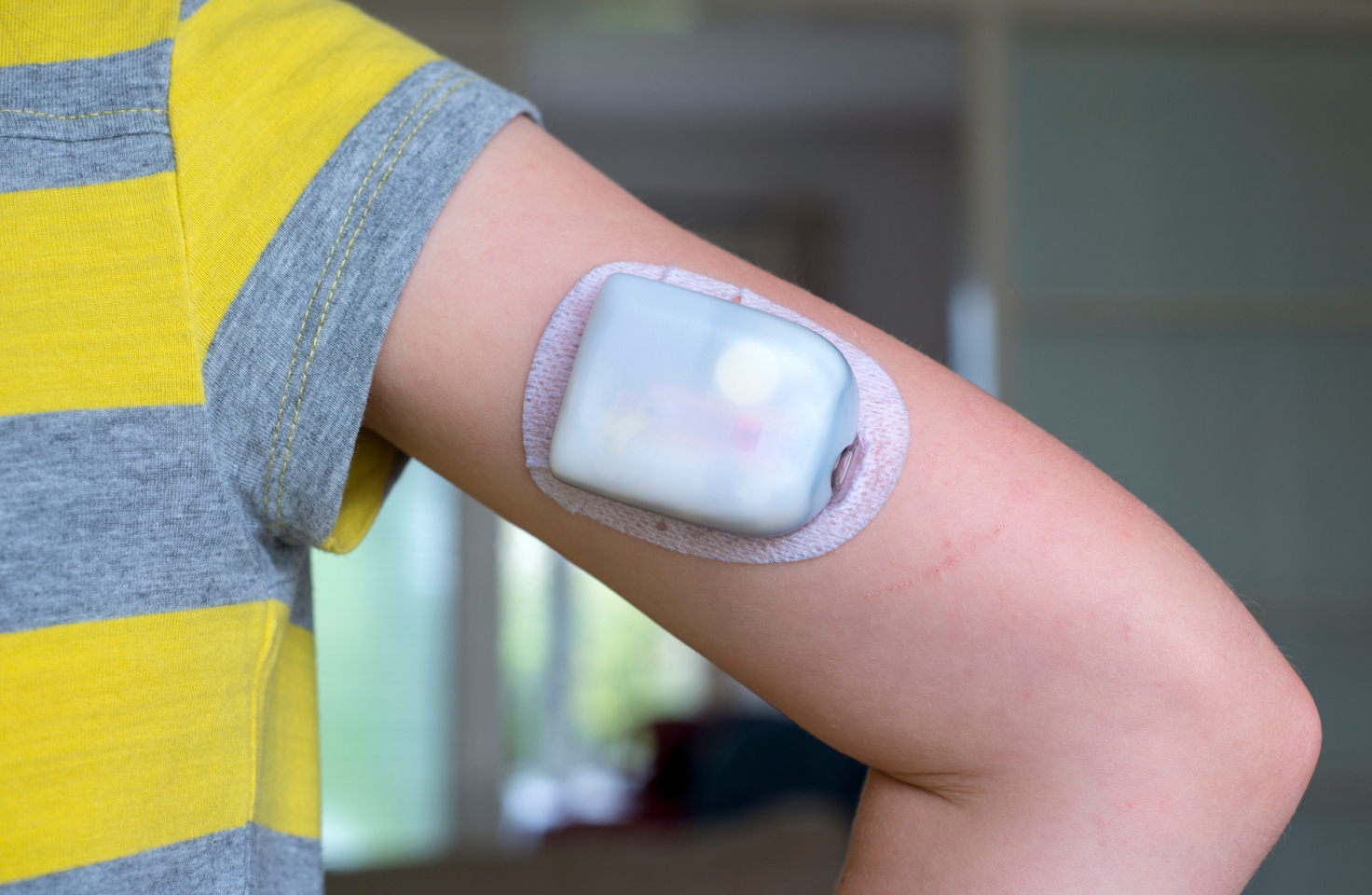
Educate Family Members and Caregivers
Parents, spouses, teachers, and caregivers should understand the basic signs of infusion set failure.
They should know how to recognize:
Persistent hyperglycemia
Pump alarms
Signs of infection
Symptoms of diabetic ketoacidosis (DKA)
Loose or disconnected infusion sets
They should also know when emergency medical care is needed.
Keep a Record of Infusion Set Issues
Tracking infusion set performance may help identify recurring problems.
Consider recording:
Date and time of each infusion set change
Insertion site location
Type of infusion set used
Episodes of hyperglycemia
Occlusion alarms
Skin irritation
Exercise performed during wear
These records can help your diabetes care team identify patterns and recommend improvements.
Work Closely with Your Diabetes Care Team
If infusion set problems occur frequently, do not assume they are unavoidable.
Your healthcare team may recommend:
A different cannula length
Switching from a soft cannula to a steel needle
Trying an angled instead of a straight insertion set
Using a different insertion device
Adjusting infusion site rotation techniques
Evaluating your insulin pump settings
Even small adjustments can significantly improve insulin delivery and overall glucose management.
Key Takeaways
Infusion set malfunctions are one of the most common causes of unexpected hyperglycemia in insulin pump users, but many of these issues are preventable.
Regular infusion set changes, proper site rotation, careful inspection, and prompt attention to rising blood glucose levels can greatly reduce the risk of treatment interruptions.
By developing consistent daily habits and maintaining open communication with your diabetes care team, you can improve the reliability of your insulin pump, protect your health, and feel more confident managing diabetes every day.
Frequently Asked Questions About Insulin Pump Infusion Set Malfunctions
Understanding how to respond to infusion set problems can help prevent serious complications and reduce anxiety when unexpected issues occur.
Below are answers to some of the most frequently asked questions about infusion set malfunctions and blockages.
Can an Infusion Set Fail Without Triggering a Pump Alarm?
Yes. Although modern insulin pumps are equipped with occlusion detection systems, not every infusion set problem will trigger an alarm immediately.
For example, the pump may not detect:
A partially kinked cannula
Reduced insulin absorption caused by scar tissue
A partially dislodged infusion set
Small insulin leaks around the insertion site
Gradual occlusions that develop over several hours
For this reason, users should never rely solely on pump alarms. If blood glucose is rising unexpectedly or correction boluses are not working, inspect the infusion set even if the pump reports no errors.
How Quickly Can Blood Glucose Rise After an Infusion Set Failure?
Since insulin pumps deliver only rapid-acting insulin, blood glucose may begin rising within 2 to 4 hours after insulin delivery is interrupted.
The exact timing depends on several factors, including:
Individual insulin sensitivity
Basal insulin requirements
Recent meals
Physical activity
Remaining active insulin in the body
Without corrective action, prolonged interruption of insulin delivery can lead to diabetic ketoacidosis (DKA), particularly in individuals with type 1 diabetes.
What Should I Do if My Pump Shows an Occlusion Alarm?
If your pump displays an occlusion alarm:
Stop and acknowledge the alarm.
Check the tubing for bends, knots, or disconnections.
Inspect the infusion site for redness, leakage, or a loose adhesive.
Verify that the insulin reservoir contains enough insulin.
Replace the infusion set if the cause cannot be identified immediately.
Monitor your blood glucose closely after replacing the set.
If the alarm continues after changing the infusion set, contact your pump manufacturer or healthcare provider for additional guidance.
Should I Replace the Reservoir When Changing a Faulty Infusion Set?
In many cases, replacing only the infusion set is sufficient. However, replacing both the infusion set and the insulin reservoir or cartridge may be appropriate if:
The insulin has been exposed to excessive heat or cold.
Air bubbles cannot be removed from the reservoir.
The reservoir is nearly empty.
The insulin appears cloudy (when using a clear insulin).
The pump manufacturer recommends replacing both components together.
Fresh insulin can help ensure reliable delivery after a suspected infusion failure.
Can Scar Tissue Cause Infusion Set Failure?
Yes. Scar tissue and lipohypertrophy are common causes of inconsistent insulin absorption.
Insulin delivered into damaged tissue may:
Be absorbed more slowly
Be absorbed unpredictably
Require larger correction doses
Cause repeated episodes of unexplained hyperglycemia
Regular site rotation is one of the best ways to prevent scar tissue from developing.
Does Exercise Increase the Risk of Infusion Set Problems?
Physical activity itself does not damage an infusion set, but vigorous movement may increase the likelihood of:
Adhesive loosening
Tubing being pulled
Cannula movement
Accidental dislodgement
Before exercising:
Check that the infusion set is securely attached.
Consider using additional adhesive products if you perspire heavily.
Inspect the infusion site after exercise.
Many athletes successfully use insulin pumps by planning ahead and monitoring their glucose closely.
How Can Continuous Glucose Monitoring (CGM) Help Detect Infusion Set Problems?
A Continuous Glucose Monitor (CGM) can often identify infusion set issues earlier than symptoms alone.
Watch for:
A steady upward glucose trend without an obvious explanation
Repeated high glucose alerts
Correction boluses with little effect
Overnight glucose elevations despite stable insulin settings
These patterns may suggest an infusion set problem before severe hyperglycemia develops.
When Should Ketones Be Checked?
Ketone testing is recommended whenever:
Blood glucose remains above the threshold recommended by your healthcare provider despite correction insulin
You are feeling sick
You have nausea or vomiting
An infusion set failure is suspected
Your pump has experienced prolonged insulin delivery interruption
Moderate or large ketones require immediate attention and should be managed according to your healthcare provider’s sick-day guidelines.
Is It Safe to Reinsert the Same Infusion Set?
No.
Infusion sets are designed for single use only. Once removed, they should not be reinserted because:
Sterility can no longer be guaranteed.
The cannula or needle may be damaged.
Adhesive strength is reduced.
The risk of infection increases.
Always use a new sterile infusion set when replacing a malfunctioning one.
How Can I Tell if the Problem Is the Pump or the Infusion Set?
Sometimes it can be difficult to determine whether the issue lies with the insulin pump or the infusion set.
An infusion set problem is more likely if:
Blood glucose improves after replacing the infusion set.
The pump passes its self-check without errors.
The tubing or cannula appears damaged.
There is leakage or redness at the insertion site.
A pump malfunction may be more likely if:
The pump repeatedly displays hardware or motor errors.
Multiple infusion set changes do not restore insulin delivery.
The screen, buttons, or battery system are not functioning correctly.
The pump fails manufacturer diagnostic tests.
If you suspect a pump malfunction, contact the manufacturer and use your backup insulin delivery method until the issue is resolved.
Final Thoughts
Most infusion set malfunctions can be managed successfully when recognized early.
Understanding the warning signs—such as unexplained hyperglycemia, pump alarms, leakage, or irritation at the insertion site—allows users to act quickly before serious complications develop.
Every insulin pump user should have a clear action plan that includes checking blood glucose, inspecting the infusion set, replacing it when necessary, testing for ketones if appropriate, and using backup insulin if pump therapy is interrupted.
Combined with regular follow-up from a diabetes care team, these practices can help ensure safer, more reliable insulin pump therapy and better long-term glucose control.