
Smart Insulin Pen vs. Regular Insulin Pen: Is the Upgrade Worth It?
Introduction
For millions of people living with diabetes, insulin pens have largely replaced traditional syringes because they are more convenient, accurate, and portable. However, a newer generation of devices—smart insulin pens—has introduced digital technology into insulin therapy.
Unlike conventional insulin pens, smart insulin pens can track doses, record injection times, calculate insulin requirements, and sync with smartphone applications.
The question many patients ask is:
Are smart insulin pens truly worth the extra cost, or is a standard insulin pen sufficient?
The answer depends on your diabetes type, lifestyle, treatment complexity, and personal preferences.
What Is a Regular Insulin Pen?
A regular insulin pen is a device designed to deliver insulin through prefilled cartridges or disposable pen systems.
Examples include insulin pens used with rapid-acting, long-acting, or mixed insulin formulations.
A regular pen allows the user to:
Dial the dose manually
Inject insulin
Reset the pen after use
However, it does not remember previous injections or communicate with digital devices.
Advantages
Simple to use
Reliable
Lower cost
No batteries
No smartphone required
Disadvantages
No dose history
No reminders
No injection tracking
Higher risk of forgetting doses
What Is a Smart Insulin Pen?
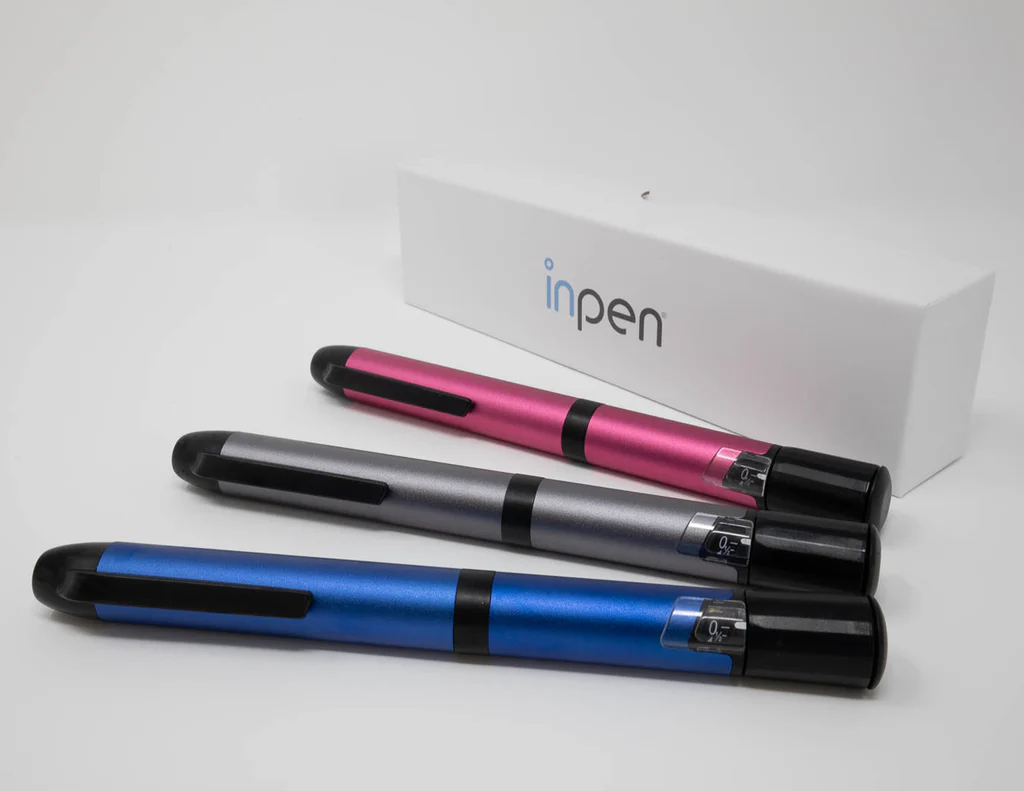
A smart insulin pen looks similar to a regular insulin pen but contains electronic components that collect and store injection information.
Many smart pens can:
Record dose amounts
Record injection times
Calculate insulin doses
Track active insulin
Connect to smartphone apps
Share reports with healthcare providers
Some systems also integrate with continuous glucose monitors (CGMs).
How Smart Insulin Pens Work
The pen automatically records:
Time of injection
Amount injected
Insulin type
Dose history
The data is transferred to a mobile application through Bluetooth.
Users can then review:
Daily insulin usage
Missed injections
Trends and patterns
Recommended correction doses
The Biggest Problem Smart Pens Solve
One of the most common challenges in diabetes management is forgetting:
Whether insulin was taken
How much insulin was taken
When the last injection occurred
Consider this common situation:
A person is about to eat dinner and thinks:
“Did I take my lunch insulin today or not?”
With a regular pen, there may be no reliable way to know.
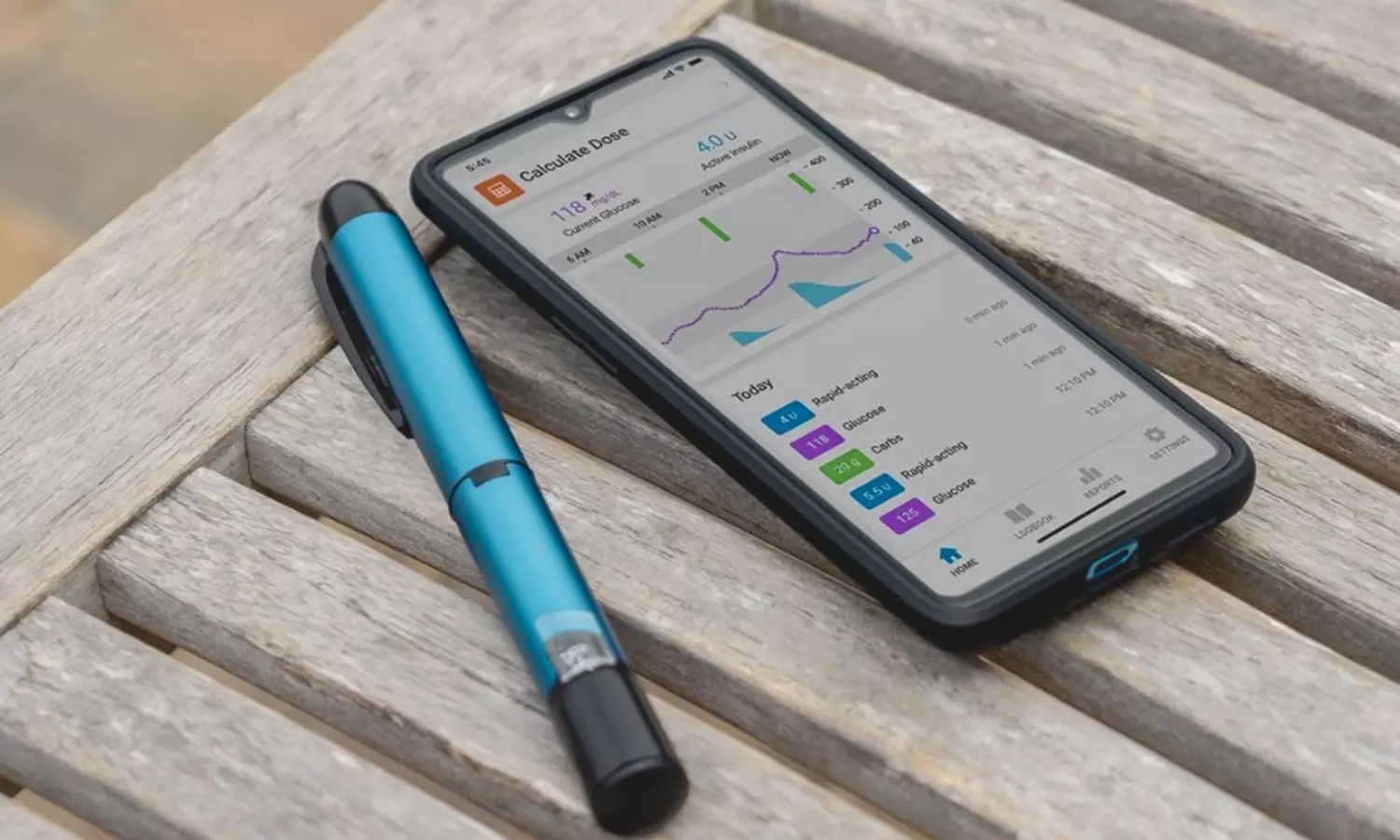
With a smart pen, the app immediately shows:
Last injection time
Exact dose
Remaining active insulin
This can help prevent both underdosing and accidental double dosing.
Advantages of Smart Insulin Pens
1. Improved Dose Tracking
Every injection is automatically recorded.
This reduces uncertainty and improves treatment adherence.
For people who take several injections per day, this feature can be extremely valuable.
2. Reduced Risk of Missed Doses
Many smart pen apps provide reminders.
These reminders can help users remember:
Mealtime insulin
Basal insulin
Correction doses
Missed insulin doses are a major cause of poor glucose control.
3. Active Insulin Calculations
One of the most advanced features is “insulin on board” tracking.
The system estimates how much previously injected insulin is still active in the body.
This can help reduce:
Insulin stacking
Unexpected hypoglycemia
Overcorrection
4. Better Glucose Management
Because insulin data is stored automatically, users gain a clearer picture of:
Blood sugar trends
Insulin effectiveness
Timing issues
This information can improve diabetes management over time.
5. Easier Communication with Healthcare Providers
Smart pen apps often generate detailed reports.
Healthcare providers can review:
Dose history
Missed injections
Insulin patterns
This may allow more accurate treatment adjustments.
6. Integration with CGMs
Some smart pen systems work alongside glucose monitoring technologies such as:
Dexcom
FreeStyle Libre
This combination provides a more complete view of diabetes management.
Advantages of Regular Insulin Pens
1. Lower Cost
Regular insulin pens are generally less expensive.
For many patients, affordability remains a major consideration.
2. Simplicity
There is no need to:
Install apps
Pair Bluetooth devices
Charge batteries
Learn software
You simply inject insulin.
3. Reliability
A regular pen continues to function regardless of:
Battery status
Software updates
Connectivity issues
Many users appreciate this simplicity.
4. Less Technology Dependence
Some people prefer not to manage their diabetes through smartphones and applications.
Regular pens provide a straightforward approach.
Who Benefits Most from Smart Pens?
Smart insulin pens may be particularly beneficial for:
People with Type 1 Diabetes
Individuals taking:
Basal insulin
Mealtime insulin
Correction doses
often manage multiple injections every day.
Dose tracking becomes extremely useful.
Teenagers and Young Adults
Many younger users appreciate:
Mobile apps
Notifications
Data visualization
These features may improve treatment consistency.
Busy Professionals
People with demanding schedules may occasionally forget doses.
Reminder systems can help.
Parents of Children with Diabetes
Tracking insulin administration can provide additional confidence and safety.
People with Frequent Hypoglycemia
Active insulin calculations may reduce accidental insulin stacking.
Who May Not Need a Smart Pen?
A regular insulin pen may be sufficient if:
You take only one daily injection
Your routine is very consistent
You rarely forget doses
You prefer simplicity
Cost is a major concern
Not every person with diabetes needs advanced technology.
Potential Drawbacks of Smart Pens
Cost
The primary disadvantage is price.
Smart pens and associated systems may cost more than standard options.
Learning Curve
Some users need time to learn:
App functions
Dose calculators
Data interpretation
Technology Dependence
Smart pens rely on:
Batteries
Bluetooth
Mobile devices
Although the insulin delivery itself remains reliable, some smart features can fail.
Data Overload
For some users, excessive information may increase stress rather than improve control.
Not everyone wants to analyze large amounts of diabetes data every day.
Final Verdict
For people who frequently ask:
“Did I take my insulin?”
“How much insulin did I inject?”
“When was my last dose?”
a smart insulin pen can be a significant upgrade.
The greatest benefits are seen in individuals using multiple daily injections, especially those with Type 1 diabetes or intensive insulin therapy.
However, if your diabetes management is already stable, you rarely miss doses, and you prefer a straightforward approach, a regular insulin pen may continue to meet your needs perfectly well.
In summary:
Choose a regular insulin pen if you want simplicity, reliability, and lower cost.
Choose a smart insulin pen if you want dose tracking, reminders, insulin calculations, and better digital diabetes management.
For many patients, the upgrade is not merely a convenience—it can improve adherence, reduce mistakes, and support better long-term glucose control when used correctly alongside medical guidance.
Smart Insulin Pens in Real Life: What Changes Day-to-Day?
When discussing smart insulin pens, many articles focus on technical features such as Bluetooth connectivity, dose calculators, and mobile applications. However, the most important question is often much simpler:
What actually changes in everyday life for a person living with diabetes?
The answer depends on how often insulin is used, how complex the treatment plan is, and how much mental effort diabetes management requires.
For many people, diabetes is not difficult because of the injections themselves. The difficult part is remembering dozens of small decisions every day.
Questions such as:
Did I take my breakfast insulin?
How many units did I inject?
Was it 6 units or 8 units?
How long ago was my last correction dose?
Do I still have active insulin working in my body?
These questions create what many healthcare professionals call diabetes burden or decision fatigue.
A smart pen is designed to reduce some of that burden.
The Hidden Cost of Diabetes: Mental Work
People without diabetes rarely realize how much thinking is involved in insulin management.
A person using multiple daily injections may make decisions regarding:
Meals
Snacks
Exercise
Illness
Stress
Travel
Sleep
every single day.
Each decision can affect blood glucose levels.
Over months and years, this constant attention can become exhausting.
Many diabetes specialists now recognize that reducing mental workload is almost as important as improving glucose numbers.
A smart pen can act as a memory assistant.
Instead of trying to remember every injection, the system remembers for you.
The Problem of “Insulin Stacking”
One of the most common causes of unexpected hypoglycemia is insulin stacking.
This occurs when a person injects additional insulin before the previous dose has finished working.
For example:
12:00 PM: 8 units injected for lunch
1:30 PM: Blood sugar still appears elevated
Another correction dose is taken
The person may forget that much of the first dose is still active.
Several hours later, blood glucose can drop unexpectedly.
Smart pens attempt to prevent this by displaying the estimated amount of active insulin remaining.
This feature is especially valuable for:
Type 1 diabetes
Intensive insulin therapy
Individuals prone to hypoglycemia
Comparing Smart Pens with Insulin Pumps
Many people wonder whether a smart pen can replace an insulin pump.
The answer is both yes and no.
Similarities
Both systems can:
Track insulin delivery
Record dosing history
Assist with dose calculations
Improve diabetes management
Differences
Insulin pumps:
Deliver insulin continuously
Use programmable basal rates
Can automate certain functions
Typically cost much more
Smart pens:
Still require manual injections
Are generally less expensive
Are simpler to learn
Provide greater flexibility for some users
For many patients, a smart pen serves as a middle ground between traditional injections and full pump therapy.
Smart Pens and Continuous Glucose Monitoring
One of the most exciting developments in diabetes care is the combination of smart pens with CGM systems.
A CGM continuously measures glucose levels throughout the day and night.
Examples include:
Dexcom G7
FreeStyle Libre 3
When insulin data and glucose data are viewed together, patterns become easier to understand.
For example:
You may discover that:
Breakfast doses are too low.
Exercise consistently lowers glucose by a specific amount.
Certain meals require different insulin timing.
This combination can provide insights that are difficult to obtain using handwritten logs.
The Financial Perspective
One concern many patients have is cost.
The value of a smart pen should not be measured solely by its purchase price.
It should also be evaluated based on potential benefits such as:
Fewer missed doses
Better glucose control
Reduced risk of severe hypoglycemia
Improved treatment adherence
Better long-term health outcomes
For some individuals, these benefits may justify the additional expense.
For others, especially those who already manage diabetes successfully with standard pens, the difference may be relatively small.
Smart Pens for Older Adults
There is a common misconception that smart diabetes technology is only for younger people.
In reality, older adults may benefit significantly.
Potential advantages include:
Dose reminders
Simplified record keeping
Reduced memory-related mistakes
Better communication with family members and healthcare teams
However, ease of use remains important.
Some individuals prefer the simplicity of traditional pens and may not want to interact with smartphone applications.
The best device is ultimately the one a person feels comfortable using consistently.
Travel and Smart Insulin Pens
Frequent travelers often face unique challenges.
Travel can disrupt:
Meal schedules
Sleep patterns
Time zones
Exercise routines
As a result, insulin management becomes more complicated.
A smart pen can provide useful information while traveling:
Last dose taken
Exact injection time
Active insulin remaining
Daily insulin history
These records can be especially helpful during long flights or international travel.
Situations Where Smart Pens May Not Add Much Value
Although smart pens offer impressive features, they are not essential for everyone.
Benefits may be limited if:
You Use Only Basal Insulin
Someone taking one long-acting injection daily often has a simpler routine.
The tracking features may provide less additional value.
You Already Maintain Detailed Records
Some individuals are highly organized and consistently document every dose.
In these cases, a smart pen may offer convenience rather than a dramatic improvement.
Technology Causes Frustration
If managing apps, Bluetooth connections, and digital systems feels burdensome, a traditional pen may remain the better choice.
The goal is to simplify diabetes management, not make it more complicated.
The Future of Smart Insulin Pens
Smart pens continue to evolve rapidly.
Future generations may offer:
More accurate dose recommendations
Enhanced integration with CGMs
Artificial intelligence support
Automated insulin decision assistance
Improved connectivity with healthcare providers
Many experts view smart pens as an important step toward more personalized diabetes management.
They provide some of the advantages of advanced diabetes technology while maintaining the familiarity of injections.
Final Thoughts
The decision between a smart insulin pen and a regular insulin pen is not simply a question of technology versus tradition. It is a question of how much support you need in managing daily insulin therapy.
A regular insulin pen remains an excellent tool. It is reliable, straightforward, affordable, and effective. Millions of people achieve excellent glucose control using standard pens.
A smart insulin pen, however, offers something additional: information.
It remembers what humans sometimes forget.
It records what humans sometimes overlook.
It helps answer questions that arise multiple times every day.
For individuals who inject insulin several times daily, struggle with missed doses, experience insulin stacking, or want deeper insights into their diabetes management, the upgrade can be meaningful.
The greatest value of a smart pen is not that it delivers insulin differently. The insulin itself is the same.
The true value lies in helping people make better-informed decisions, reducing uncertainty, and making the daily task of living with diabetes a little easier and more manageable.