
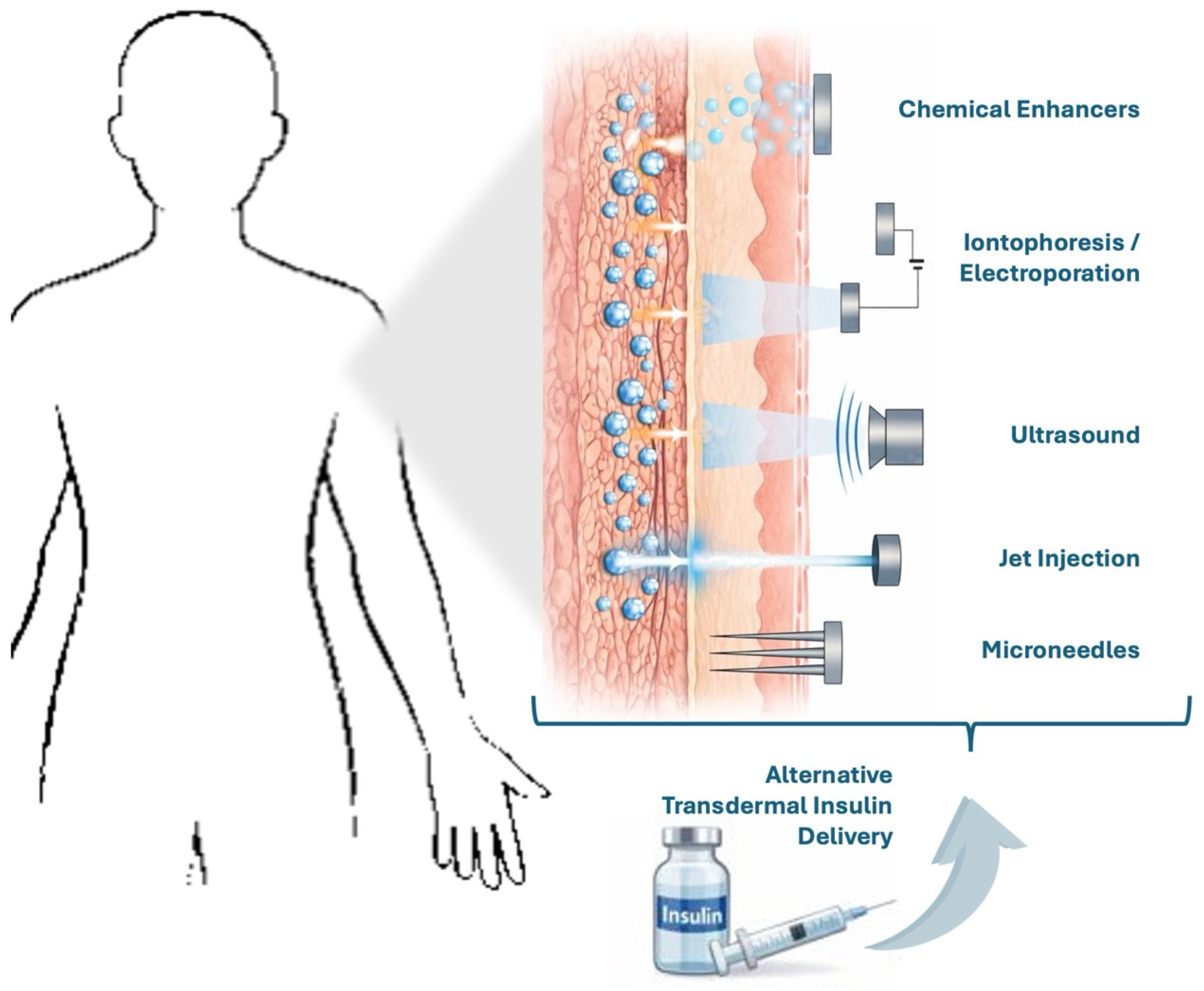
Smart Insulin Patches: A Needle-Free Future for Children with Diabetes
Introduction
For millions of children living with Type 1 diabetes, daily life revolves around blood glucose monitoring and multiple insulin injections.
While insulin therapy has saved countless lives since its discovery over a century ago, the burden of repeated needle sticks remains one of the greatest challenges for young patients and their families.
Fear of injections, discomfort, interrupted school activities, and emotional stress often make diabetes management difficult, particularly for children who must cope with these responsibilities from an early age.
In recent years, scientists and biomedical engineers have been developing an innovative solution that could transform diabetes care: smart insulin patches.
These advanced wearable devices aim to deliver insulin automatically when blood sugar levels rise, reducing or even eliminating the need for multiple daily injections.
Although several smart patch technologies are still under development and clinical evaluation, they represent one of the most exciting advances in diabetes treatment.
If successfully brought to widespread clinical use, smart insulin patches could offer children a future with fewer needles, improved glucose control, greater independence, and a better quality of life.
Understanding Diabetes in Children
Type 1 diabetes is an autoimmune disease in which the body’s immune system mistakenly attacks the insulin-producing beta cells of the pancreas.
Without insulin, glucose cannot enter the body’s cells to provide energy, causing blood sugar levels to rise dangerously.
Unlike Type 2 diabetes, Type 1 diabetes cannot currently be prevented or cured. Children diagnosed with this condition require lifelong insulin replacement therapy.
Managing childhood diabetes involves several daily tasks:
Monitoring blood glucose levels
Calculating carbohydrate intake
Administering insulin multiple times each day
Preventing dangerously low blood sugar
Adjusting insulin during exercise, illness, or stress
Even with modern insulin pens and pumps, maintaining healthy glucose levels can be challenging.
The Problem with Traditional Insulin Injections
Although insulin injections are highly effective, they present several difficulties for children.
Fear of Needles
Many children develop anxiety before injections. Some cry, resist treatment, or become fearful of medical procedures in general.
Pain and Skin Irritation
Repeated injections can cause:
Bruising
Swelling
Skin thickening
Lipohypertrophy
Injection site discomfort
These problems may affect insulin absorption over time.
Human Error
Children and caregivers must constantly calculate insulin doses based on:
Meals
Blood sugar readings
Physical activity
Illness
Stress
Even experienced parents sometimes make dosing errors.
Emotional Burden
Living with diabetes often causes emotional fatigue. Children may feel different from classmates, become frustrated with constant monitoring, or experience “diabetes burnout.”
What Is a Smart Insulin Patch?
A smart insulin patch is a small wearable device, typically about the size of a coin or adhesive bandage, that attaches to the skin.
Unlike ordinary adhesive patches, smart insulin patches contain:
Tiny insulin reservoirs
Microscopic needles (microneedles)
Glucose-sensitive materials
Advanced biomaterials
Drug delivery technology
The goal is simple:
The patch continuously senses glucose levels and automatically releases insulin only when needed.
This creates a “closed-loop” response that closely imitates the function of a healthy pancreas.
How Smart Insulin Patches Work
Most smart insulin patches rely on microscopic needles that are almost painless because they penetrate only the upper layers of the skin.
Inside these tiny needles are insulin-filled particles protected by glucose-responsive materials.
The process typically follows these steps:
Step 1: Blood Sugar Rises
After eating carbohydrates, blood glucose levels begin to increase.
Step 2: The Patch Detects the Change
Special glucose-sensitive molecules recognize the elevated glucose concentration.
Step 3: Chemical Activation
The glucose triggers chemical reactions that break down protective coatings surrounding stored insulin.
Step 4: Insulin Release
Insulin is released directly into the skin and enters nearby blood vessels.
Step 5: Blood Sugar Falls
As glucose returns to a healthy range, insulin release automatically slows or stops.
This intelligent response greatly reduces the need for manual dosing.
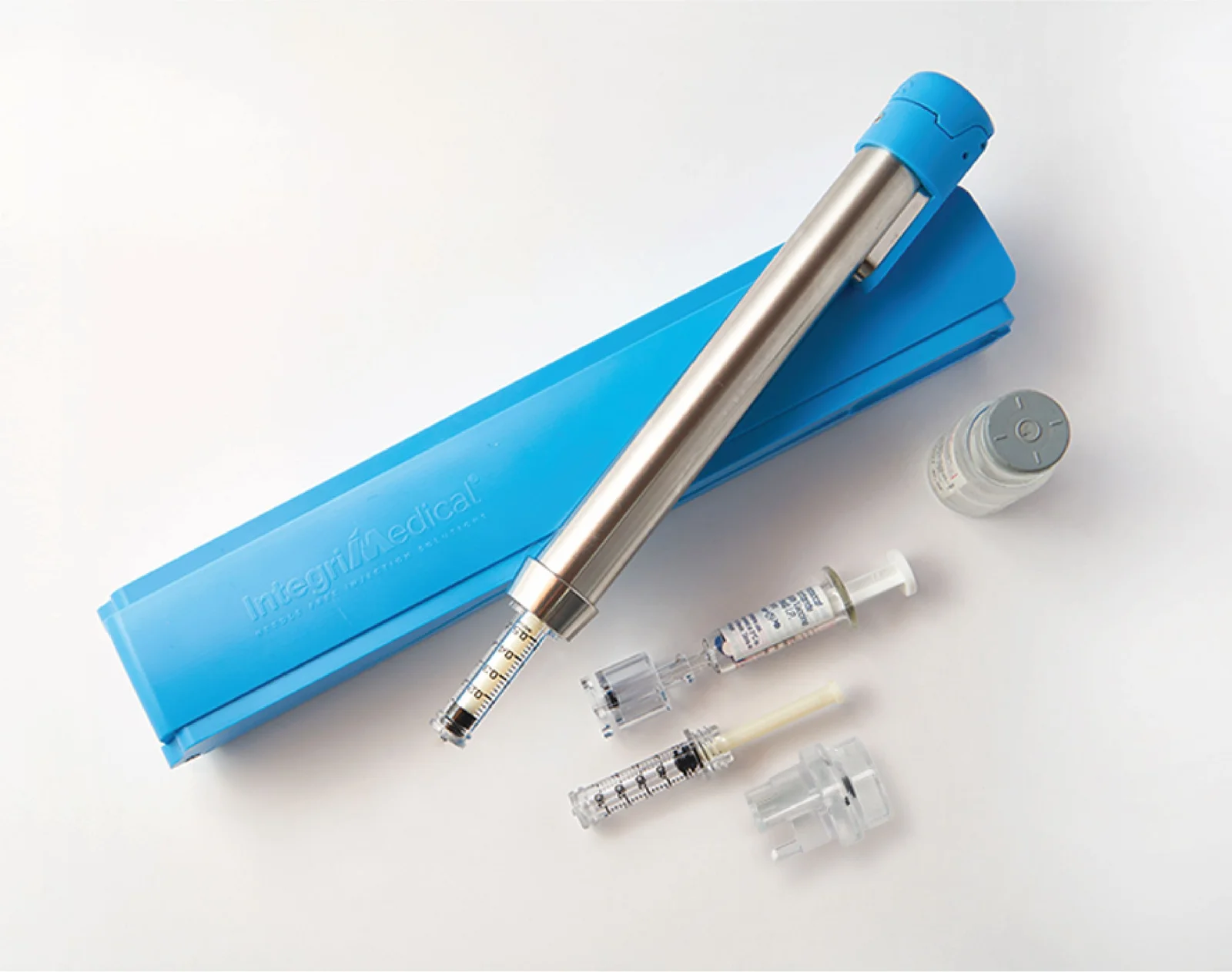
Microneedles: Tiny Technology with Big Potential
The most fascinating component of smart insulin patches is the microneedle array.
Microneedles are incredibly small—often shorter than one millimeter.
Because they do not reach the deeper pain receptors found in the skin, most users experience little to no discomfort.
Microneedles may be made from:
Biodegradable polymers
Hyaluronic acid
Sugars
Medical-grade plastics
Some dissolve after delivering insulin, while others remain intact until the patch is removed.
This technology is considered much less intimidating than conventional injections.
Smart Materials That Respond to Glucose
Researchers have developed several innovative glucose-sensitive systems.
Glucose Oxidase
One common approach uses the enzyme glucose oxidase.
When glucose levels increase, the enzyme converts glucose into gluconic acid, changing the local environment.
This chemical change breaks insulin-containing capsules, releasing insulin only when necessary.
Phenylboronic Acid
Another promising material is phenylboronic acid.
It binds directly to glucose molecules.
As glucose concentrations increase, structural changes occur that trigger insulin release.
Hypoxia-Sensitive Systems
Some experimental patches create tiny oxygen changes during glucose detection.
Reduced oxygen levels activate insulin-containing nanoparticles.
This mechanism provides another automatic method for insulin delivery.
Benefits for Children
Smart insulin patches could significantly improve childhood diabetes care.
Nearly Painless Treatment
Children may avoid multiple daily injections.
Instead of several needle sticks each day, they may only need to replace the patch every day or every few days, depending on the design.
Better Blood Sugar Control
Automatic insulin release may reduce:
High blood sugar
Dangerous lows
Glucose fluctuations
Maintaining stable glucose levels helps protect long-term health.
Greater Freedom
Children could participate more confidently in:
School
Sports
Birthday parties
Sleepovers
Family vacations
Parents may worry less about constantly monitoring insulin schedules.
Improved Quality of Life
Reducing treatment burden can improve:
Emotional well-being
Confidence
Treatment adherence
Family relationships
Many experts believe psychological benefits could be just as important as medical improvements.
Advantages for Parents
Parents of children with diabetes often carry a heavy emotional burden.
Smart insulin patches may help by:
Reducing nighttime glucose concerns
Lowering dosing errors
Simplifying diabetes management
Improving confidence during travel
Decreasing stress during school hours
Although parents would still monitor glucose and attend medical appointments, daily management could become much easier.
Integration with Continuous Glucose Monitoring
Future smart patches may work together with continuous glucose monitoring (CGM) systems.
CGMs measure glucose every few minutes using a tiny sensor placed under the skin.
By combining:
Continuous glucose monitoring
Artificial intelligence
Smart insulin patches
researchers hope to create fully automated diabetes management systems.
Such systems could function much like an artificial pancreas.
Current Research
Scientists around the world are actively studying smart insulin patches.
Researchers have reported encouraging results in laboratory experiments and animal studies, demonstrating effective glucose-responsive insulin delivery.
Some early human studies of related technologies have also shown promise, but fully autonomous smart insulin patches are still under clinical development and are not yet a standard treatment for children.
More research is needed to confirm long-term safety, reliability, dosing precision, and effectiveness before these devices become widely available.
Remaining Challenges
Despite remarkable progress, several challenges remain.
Manufacturing Costs
Advanced biomaterials are expensive to produce.
Large-scale manufacturing will be necessary to make patches affordable.
Long-Term Stability
Insulin must remain stable inside the patch under different temperatures and storage conditions.
Researchers continue improving storage technology.
Accurate Dosing
Children require highly precise insulin doses.
Engineers must ensure patches release the correct amount under many different conditions.
Regulatory Approval
Every new medical device must undergo extensive safety testing.
Clinical trials require years of careful evaluation before approval.
Could Smart Patches Replace Insulin Pumps?
Possibly—but not immediately.
Insulin pumps already provide excellent glucose management for many patients.
However, pumps require:
Tubing or wearable devices
Programming
Regular maintenance
Site changes
Smart insulin patches could eventually offer a simpler alternative for some patients by combining automated insulin delivery with a lightweight, disposable design.
Even so, experts expect pumps, continuous glucose monitors, and smart patches to coexist for some time, with treatment tailored to each child’s needs.
Future Innovations
Researchers are exploring even more advanced technologies, including:
Artificial intelligence that predicts glucose changes before they occur
Longer-lasting patches that function for several days
Combination patches that deliver insulin and other hormones such as glucagon
Flexible electronic skin capable of continuous health monitoring
Wireless communication with smartphones and healthcare providers
These innovations could further personalize diabetes management and improve safety.
Ethical and Accessibility Considerations
As with many cutting-edge medical technologies, ensuring fair access will be essential.
Policymakers, healthcare systems, and manufacturers will need to address affordability, insurance coverage, and global availability so that children from different socioeconomic backgrounds can benefit from these advances.
Education for families and healthcare professionals will also play an important role in the safe adoption of smart insulin patches.
Conclusion
Smart insulin patches represent one of the most promising innovations in diabetes care.
By combining glucose sensing, advanced biomaterials, and automated insulin delivery, these wearable devices have the potential to reduce the burden of daily injections and make diabetes management easier for children and their families.
While the technology is still being refined and is not yet a widely available replacement for conventional insulin therapy, ongoing research suggests that smart patches could become an important part of future diabetes treatment.
If proven safe, effective, and affordable, they may usher in a new era in which children with diabetes experience fewer needles, more freedom, and a better quality of life.
Although no technology can currently cure Type 1 diabetes, smart insulin patches bring us closer to a future where managing the disease is simpler, less painful, and more responsive to each child’s individual needs.
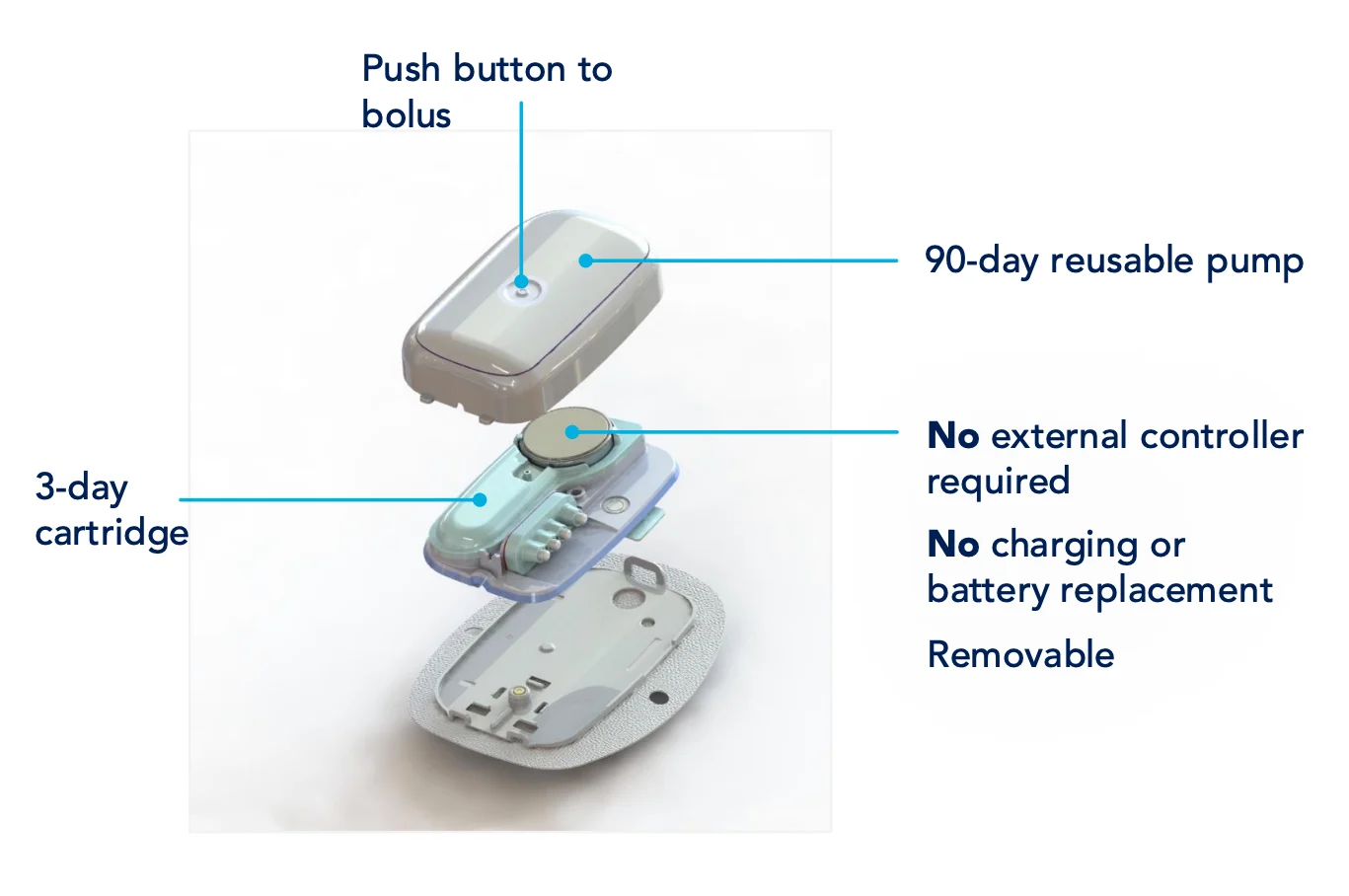
The Role of Artificial Intelligence in Smart Insulin Patches
Artificial intelligence (AI) is expected to become a key component of next-generation smart insulin patches.
While current experimental patches primarily rely on glucose-responsive materials that react chemically to changes in blood sugar, future versions may incorporate AI algorithms capable of learning each patient’s unique glucose patterns.
Every child with diabetes responds differently to insulin. Factors such as age, body weight, physical activity, emotional stress, illness, sleep quality, and even hormonal changes influence blood glucose levels.
Traditional insulin therapy often requires caregivers to estimate these variables, but AI systems could analyze them continuously and make more personalized decisions.
For example, if a child usually experiences rising blood sugar after breakfast or during periods of reduced physical activity, the AI system could recognize these recurring patterns over time.
Instead of simply reacting to elevated glucose levels, future smart patches may anticipate glucose spikes before they occur, helping to prevent hyperglycemia rather than merely treating it after it develops.
Machine learning algorithms may also combine data from multiple wearable devices, including continuous glucose monitors, smartwatches, activity trackers, and even sleep-monitoring systems.
By integrating this information, the patch could provide highly individualized insulin delivery based on the child’s daily routine.
Although these technologies remain under investigation, AI has the potential to transform diabetes management from reactive treatment into proactive prevention.
Comparing Smart Insulin Patches with Existing Diabetes Technologies
To appreciate the significance of smart insulin patches, it is useful to compare them with current treatment options.
Multiple Daily Injections (MDI)
The most common method of insulin delivery involves insulin pens or syringes. Children usually require several injections each day, including long-acting insulin for baseline needs and rapid-acting insulin before meals.
Advantages include simplicity, relatively low cost, and widespread availability.
However, disadvantages include frequent needle sticks, discomfort, and the need for careful dose calculations before every meal.
Insulin Pumps
Insulin pumps continuously deliver insulin through a catheter inserted beneath the skin.
These devices offer:
Adjustable insulin delivery
Precise dosing
Flexible meal management
Reduced number of injections
Nevertheless, insulin pumps require regular maintenance, infusion set changes, battery charging, and continuous wearing of the device. Some children may find pumps uncomfortable or inconvenient during sports and swimming.
Smart Insulin Patches
If future clinical trials confirm their effectiveness, smart insulin patches could offer several unique advantages:
Automatic insulin release
Minimal pain
Simple application
Reduced user intervention
Potentially improved glucose stability
Increased independence for children
Rather than replacing all existing technologies immediately, smart patches may become another valuable treatment option that healthcare providers can tailor to individual patient needs.
The Importance of Personalized Medicine
Modern healthcare is increasingly moving toward personalized medicine, where treatments are adapted to the characteristics of each individual patient.
Smart insulin patches fit perfectly within this concept.
No two children experience diabetes in exactly the same way. Some are highly active athletes, while others have more sedentary lifestyles. Growth spurts, puberty, illness, emotional stress, and changing eating habits all influence insulin requirements.
Future smart patches may be customized according to:
Age
Body weight
Daily insulin needs
Skin characteristics
Lifestyle
Activity level
Individual glucose response
Such personalization could improve both safety and treatment effectiveness.
Potential Impact on School Life
Managing diabetes during school hours presents unique challenges.
Young children often depend on teachers or school nurses for glucose monitoring and insulin administration. Older children may feel self-conscious about checking blood sugar or giving injections in front of classmates.
Smart insulin patches could reduce many of these difficulties.
Children may spend less time visiting the nurse’s office, experience fewer interruptions during class, and participate more confidently in school activities. Teachers may also have fewer concerns about assisting with insulin administration.
Extracurricular activities, including sports, music lessons, field trips, and overnight camps, could become easier to manage if insulin delivery becomes more automated.
Psychological Benefits Beyond Physical Health
Diabetes management affects not only physical health but also emotional well-being.
Children with Type 1 diabetes have higher rates of anxiety, diabetes distress, and treatment fatigue compared with their peers.
Some children become overwhelmed by the constant attention required to monitor glucose levels and administer insulin. Others may worry about experiencing hypoglycemia in public or feeling different from friends.
Reducing the daily burden of treatment could improve several aspects of mental health:
Reduced fear of injections
Greater confidence
Lower treatment-related anxiety
Increased independence
Improved self-esteem
Better social participation
Parents may also experience less stress, particularly regarding nighttime glucose management and school-related concerns.
Could Smart Patches Help Prevent Severe Hypoglycemia?
One of the greatest risks of insulin therapy is hypoglycemia, a condition in which blood glucose falls too low.
Symptoms may include:
Sweating
Shaking
Confusion
Dizziness
Hunger
Difficulty concentrating
Seizures in severe cases
Loss of consciousness
Future smart insulin patches are being designed to release insulin only when glucose levels are elevated.
In theory, this glucose-responsive behavior may lower the likelihood of excessive insulin delivery, reducing the risk of severe hypoglycemia.
However, researchers must continue evaluating these systems in large clinical studies before confirming their long-term safety and effectiveness.
Environmental Considerations
Traditional diabetes care generates considerable medical waste.
Every year, millions of:
Syringes
Pen needles
Lancets
Test strips
Plastic insulin pens
are discarded worldwide.
Researchers are exploring environmentally friendly materials for future smart insulin patches.
Potential innovations include:
Biodegradable polymers
Dissolvable microneedles
Recyclable packaging
Sustainable manufacturing processes
Reducing medical waste could become an additional benefit of future patch technologies.
Global Access and Health Equity
While smart insulin patches represent remarkable scientific progress, ensuring equitable access remains a major challenge.
Advanced medical technologies often become available first in high-income countries, where healthcare systems have greater resources.
Children living in low- and middle-income countries may face delays due to cost, limited infrastructure, or regulatory barriers.
To maximize the public health impact of smart insulin patches, researchers, manufacturers, governments, and international organizations will need to work together to improve affordability and global distribution.
Expanding access to innovative diabetes care is essential to reducing disparities in health outcomes worldwide.
The Future of Diabetes Care
The development of smart insulin patches is part of a broader movement toward automated diabetes management.
Scientists envision future systems that combine:
Continuous glucose monitoring
Smart insulin patches
Artificial intelligence
Cloud-based data analysis
Smartphone applications
Remote physician monitoring
These integrated technologies could provide real-time decision support while reducing the daily workload for families.
Although a complete biological cure for Type 1 diabetes has not yet been achieved, each technological advance brings medicine closer to making the disease easier to manage.
Final Thoughts
Smart insulin patches represent a remarkable intersection of medicine, engineering, nanotechnology, and artificial intelligence.
By responding automatically to changing glucose levels, these innovative devices have the potential to make insulin therapy more precise, less painful, and more convenient for children living with diabetes.
Much work remains before smart patches become a routine part of clinical practice. Researchers must continue refining their accuracy, durability, safety, affordability, and long-term performance through carefully designed clinical trials.
Nevertheless, the progress achieved over the past decade demonstrates how rapidly diabetes technology is evolving. What once seemed like science fiction—a small patch capable of sensing blood sugar and delivering insulin automatically—is steadily moving toward reality.
For children diagnosed with Type 1 diabetes today, the future may hold treatments that are not only more effective but also far less intrusive.
Smart insulin patches symbolize more than a technological breakthrough; they represent hope for a generation that deserves to live with fewer needles, fewer interruptions, and greater freedom to enjoy childhood without the constant burden of manual insulin management.