
Buying Second-Hand Diabetes Equipment for Children: Yes or No?
A Complete Guide for Parents Before Purchasing Used Diabetes Devices
Managing childhood diabetes is emotionally demanding, physically exhausting, and often financially overwhelming. Between insulin, glucose monitoring supplies, doctor visits, emergency snacks, and medical devices, the cost of diabetes care can become extremely high for many families.
Because of this financial pressure, some parents begin exploring a difficult question:
“Is it safe to buy second-hand diabetes equipment for my child?”
This question is becoming increasingly common, especially with the rising prices of:
Continuous Glucose Monitors (CGMs)
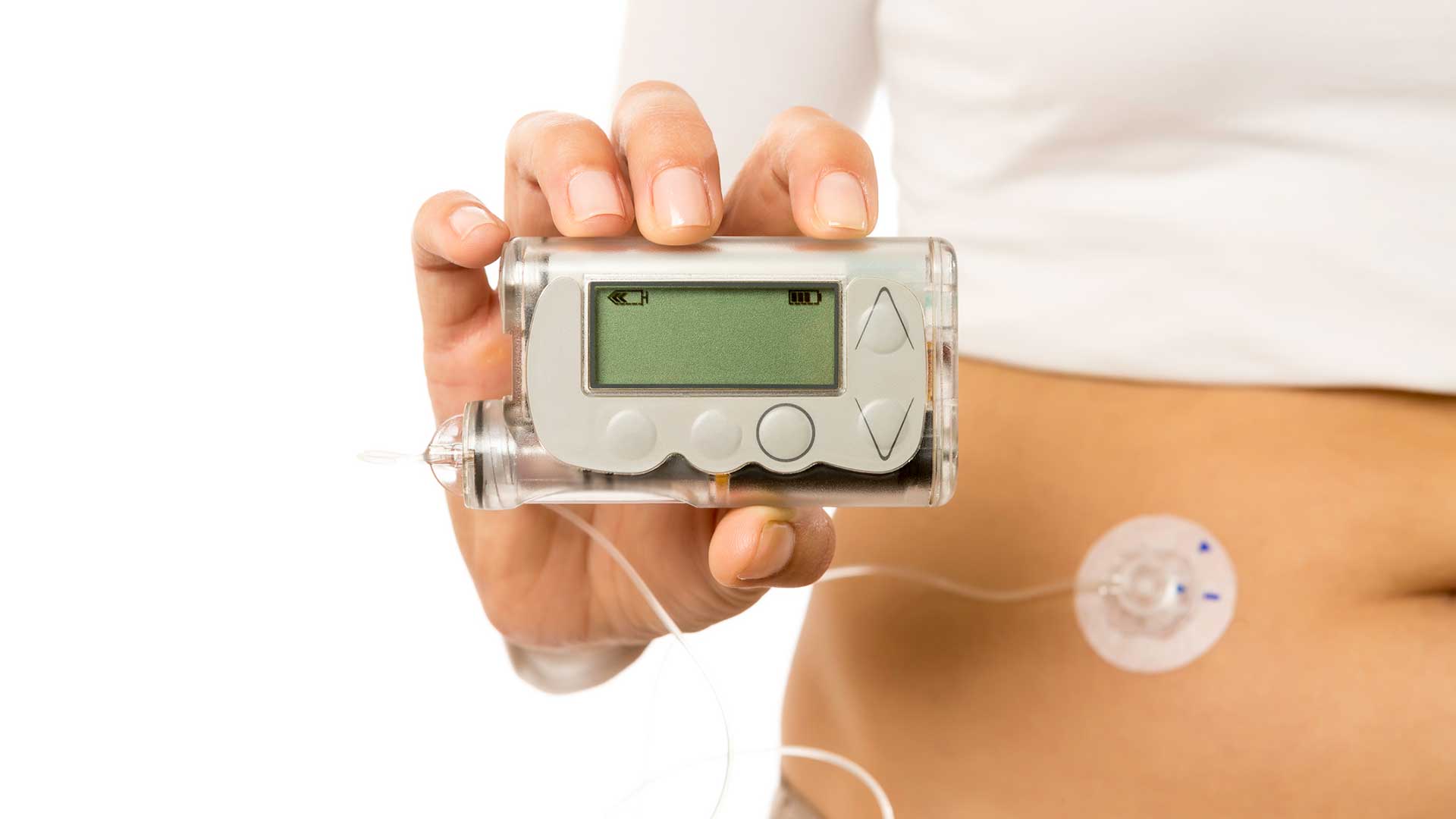
Insulin pumps
Diabetes receivers
Smart insulin pens
Glucose monitoring accessories
Online marketplaces, social media groups, and local diabetes communities often offer used devices at dramatically lower prices than new equipment.
For families struggling financially, these offers can seem like a lifesaver.
But are second-hand diabetes devices actually safe?
The answer is complicated.
Some used diabetes equipment may still function well and provide real benefit. Other devices may carry serious medical, technical, or safety risks — especially for children.
This article explores the advantages, dangers, ethical concerns, and practical considerations parents should understand before buying second-hand diabetes equipment for a child.
Why Families Consider Buying Used Diabetes Devices
The biggest reason is simple:
Cost.
Modern diabetes technology can be extremely expensive.
Many families face ongoing expenses such as:
CGM sensors
Transmitters
Insulin pump supplies
Infusion sets
Adhesives
Test strips
Backup devices
In some countries, insurance coverage is limited or unavailable.
As a result, families may turn to:
Online resale markets
Community exchanges
Facebook groups
Local diabetes support networks
Friends or relatives
Sometimes families simply cannot afford brand-new equipment.
For them, second-hand devices may feel like the only realistic option.
What Counts as “Second-Hand” Diabetes Equipment?
Used diabetes equipment may include:
Insulin pumps
CGM receivers
Transmitters
Charging devices
Carrying cases
Smart insulin pens
Blood glucose meters
However, not all diabetes supplies carry the same level of risk when purchased used.
Some items may be relatively low-risk. Others should almost never be shared or reused.
Understanding the Difference Between Reusable and Disposable Equipment
This distinction is extremely important.
Reusable Equipment
Examples:
Insulin pump body
CGM receiver
Glucose meter
Charging cables
These devices are designed for long-term use.
Disposable or Limited-Life Supplies
Examples:
CGM sensors
Infusion sets
Lancets
Reservoirs
Adhesive patches
These items are generally intended for single-patient or short-term use only.
Buying used disposable supplies carries much greater risk.
The Biggest Safety Concern: Medical Reliability
Diabetes devices are not ordinary electronics.
They directly affect:
Insulin delivery
Glucose monitoring
Hypoglycemia prevention
Emergency diabetes management
A malfunctioning device may lead to:
Severe hypoglycemia
Diabetic ketoacidosis (DKA)
Dangerous insulin dosing errors
Delayed emergency response
For children especially, reliability is critical.
A cheaper device is not truly “cheap” if it compromises safety.
Used Insulin Pumps: High Benefit, High Risk
Insulin pumps are among the most commonly resold diabetes devices.
Because new pumps can cost thousands of dollars, used pumps may seem financially attractive.
However, insulin pumps involve significant risks.
Potential problems include:
Mechanical wear
Battery failure
Hidden damage
Inaccurate insulin delivery
Cracked casings
Water exposure damage
Expired warranties
Even if a pump appears functional, internal components may be unreliable.
For a child dependent on accurate insulin delivery, this can become dangerous quickly.
Warranty and Manufacturer Support Problems
Many manufacturers:
Do not transfer warranties to second owners
Refuse support for unofficially purchased devices
Restrict software updates
Limit replacement services
If a used device fails, families may have no official support available.
This is especially important for insulin pumps and CGM transmitters.
Used CGM Receivers vs. Used Sensors
Not all CGM components carry the same level of risk.
Used Receivers
A receiver is mainly a display device.
In some cases, a properly functioning used receiver may be relatively low-risk.
Used Sensors
Used sensors are far more concerning.
CGM sensors:
Are designed for limited wear periods
Lose accuracy over time
May fail unexpectedly
Are not intended for reuse between patients
Using expired or reused sensors may produce inaccurate glucose readings, which can lead to dangerous treatment decisions.
Infection Risks
Some diabetes supplies come into direct contact with:
Skin
Blood
Body fluids
Improperly cleaned equipment may increase the risk of:
Skin infections
Contamination
Cross-infection
Lancets, infusion sets, and partially used supplies should never be shared between individuals.
For children with developing immune systems, hygiene is especially important.
The Problem of Counterfeit Diabetes Supplies
One growing danger in online marketplaces is counterfeit medical products.
Fake diabetes supplies may include:
Counterfeit sensors
Fake test strips
Non-original infusion sets
Altered packaging
Expired products relabeled as new
Counterfeit products may:
Produce inaccurate readings
Fail unexpectedly
Cause skin reactions
Deliver unsafe insulin dosing
Parents purchasing from unofficial sellers must be extremely cautious.
Why Some Families Still Choose Used Equipment
Despite the risks, some families still decide that second-hand devices are worthwhile.
Reasons may include:
Lack of insurance coverage
Long waiting lists
Financial hardship
Emergency replacement needs
Limited regional availability
For some families, imperfect access to technology may still feel better than no access at all.
This reality highlights major inequalities in diabetes care worldwide.
Questions Parents Should Ask Before Buying Used Equipment
1. Is this device legally transferable?
Some devices are regulated differently depending on the country.
2. Is the device still supported by the manufacturer?
Older discontinued devices may no longer receive updates or replacement parts.
3. How old is the device?
Medical technology ages differently than consumer electronics.
A very old device may no longer perform reliably.
4. Has the device been damaged?
Ask about:
Water exposure
Cracks
Battery issues
Error messages
Repair history
5. Can the healthcare team inspect it?
Whenever possible, parents should ask their diabetes care team to evaluate the device before use.
Buying Used Glucometers: Usually Lower Risk
Compared with pumps and CGMs, used glucometers may carry lower risk if:
Properly cleaned
Used with new test strips
Verified for accuracy
However, parents should still:
Check expiration dates
Confirm calibration accuracy
Ensure compatibility with available strips
Very old glucometers may also be less accurate than modern models.
Emotional Pressure and Parental Guilt
Many parents feel guilty when they cannot afford expensive diabetes technology.
This guilt can become emotionally painful.
But it is important to remember:
A loving, educated, attentive parent matters far more than owning the newest device.
Excellent diabetes care is still possible with simpler tools.
Technology helps — but it does not replace:
Consistent monitoring
Education
Careful insulin management
Emotional support
Social Media and Diabetes Device Exchanges
Many families obtain second-hand equipment through online diabetes communities.
These groups can sometimes provide:
Emergency supplies
Donation programs
Financial assistance
Practical advice
However, social media also increases risks of:
Scams
Counterfeit products
Unsafe sharing practices
Unverified sellers
Parents should approach online exchanges carefully and critically.
Ethical and Legal Issues
In some countries:
Reselling prescription medical devices may violate regulations
Insurance-funded equipment may not legally be resold
Manufacturer agreements may prohibit transfer
Parents should understand local laws before purchasing used medical equipment.
When Buying Used Equipment May Be More Reasonable
Second-hand diabetes equipment may be more acceptable in situations such as:
Backup emergency devices
Temporary replacement during repairs
Older receivers or display devices
Non-invasive accessories
It may be less appropriate for:
Critical insulin delivery systems
Expired sensors
Reused disposable supplies
The Importance of Backup Supplies
Even families using brand-new diabetes technology should maintain backup tools.
This includes:
A standard glucometer
Extra batteries
Manual insulin supplies
Written insulin dosing plans
Technology can fail unexpectedly — whether new or used.
Talking With Your Child About Used Equipment
Older children may notice financial stress surrounding diabetes technology.
Parents should avoid creating shame around:
Not having the newest device
Using older equipment
Financial limitations
Children benefit most from:
Feeling safe
Feeling supported
Understanding their diabetes confidently
The emotional environment matters as much as the technology itself.
What Many Diabetes Professionals Recommend
Healthcare providers often recommend:
Purchasing critical devices through official channels whenever possible
Avoiding reused disposable supplies
Carefully verifying any second-hand equipment
Maintaining manufacturer-supported devices for insulin delivery
For financially struggling families, many diabetes centers may also help identify:
Assistance programs
Insurance appeals
Donation resources
Community support options
Final Thoughts
So — should parents buy second-hand diabetes equipment for their child?
There is no single answer.
Some used diabetes devices may provide meaningful access to life-improving technology for families who otherwise could not afford it.
But the risks are real:
Mechanical failure
Inaccurate readings
Lack of warranty
Infection concerns
Counterfeit products
Reduced reliability
For children, safety must always come first.
Parents should carefully evaluate:
The type of device
The reliability of the seller
The medical importance of the equipment
Long-term support availability
Their healthcare team’s guidance
Most importantly, families should remember:
The quality of diabetes care depends far more on knowledge, consistency, support, and attention than on owning the newest or most expensive device.
Technology can help enormously — but informed, compassionate caregiving remains the most important tool of all.
Real-World Situations: When Second-Hand Diabetes Equipment May or May Not Make Sense
The question of buying used diabetes equipment is rarely simple.
For some families, it may feel like a practical compromise.
For others, the risks may outweigh any possible savings.
Understanding different real-life situations can help parents make safer and more informed decisions.
Scenario 1: A Family Facing Sudden Financial Hardship
Imagine parents whose child was recently diagnosed with Type 1 diabetes.
They are suddenly paying for:
Insulin
Test strips
Doctor visits
Emergency supplies
School accommodations
CGM sensors
At the same time, insurance approval for advanced devices may take months.
A second-hand CGM receiver or older insulin pump may appear to offer temporary relief.
In these situations, families often feel trapped between:
Financial reality
Medical safety
Emotional exhaustion
This is why diabetes assistance programs and community support systems are so important.
Scenario 2: Buying a Used Pump as a “Backup Device”
Some experienced diabetes families purchase older pumps as emergency backup devices.
For example:
During travel
While waiting for repairs
In case of technical failure
In this context, the risk may be more manageable because:
The family already understands pump therapy
The device is not the only insulin delivery method available
Backup insulin injections are still accessible
However, even backup devices should be checked carefully before use.

Scenario 3: Buying Reused Disposable Supplies
This is one of the most concerning situations.
Some families may consider reusing or purchasing:
Expired CGM sensors
Opened infusion sets
Used lancets
Partially used reservoirs
These products were generally not designed for:
Repeated use
Sharing between individuals
Extended wear beyond manufacturer recommendations
Possible risks include:
Infection
Skin damage
Device failure
Inaccurate readings
Insulin delivery problems
For children especially, these risks can become serious quickly.
The Hidden Emotional Cost of Financial Stress
One aspect rarely discussed openly is the emotional burden families experience when they cannot afford ideal diabetes care.
Parents may feel:
Guilt
Shame
Fear
Anxiety
Pressure to “keep up” with newer technology
Social media can intensify these emotions by constantly showcasing:
Advanced insulin pumps
Automated systems
Perfect glucose graphs
Expensive diabetes accessories
But it is important to remember:
A child’s health is not determined solely by owning expensive devices.
Stable routines, attentive care, education, and emotional support remain the foundation of good diabetes management.
Why Children Need Extra Protection
Children are not simply “small adults.”
Their diabetes management is often more unpredictable because of:
Rapid growth
Variable eating habits
Physical activity
Illness
Hormonal fluctuations
Difficulty recognizing symptoms
This makes device reliability even more important.
A malfunctioning device in a young child may lead to:
Severe hypoglycemia
Diabetic ketoacidosis
Emergency hospitalization
Parents must therefore be especially cautious when considering used technology for children.
The Problem With Expired Sensors and Test Strips
Expired diabetes supplies may not function properly.
Potential problems include:
Reduced accuracy
Sensor instability
Adhesive breakdown
Increased error messages
Inconsistent glucose readings
Even small inaccuracies can affect insulin dosing decisions.
For children using rapid-acting insulin, incorrect readings may become dangerous quickly.
Online Sellers: Important Warning Signs
Families purchasing diabetes devices online should watch for red flags such as:
Missing packaging
Removed serial numbers
Unusually low prices
Opened supplies
Incomplete product information
Pressure for quick payment
No proof of ownership
No explanation of device history
If something feels suspicious, it is safer not to proceed.
Medical devices should never be treated like ordinary second-hand electronics.
Why Manufacturer Training Matters
Advanced diabetes devices often require:
Setup training
Calibration
Troubleshooting knowledge
Software configuration
Safety education
Families purchasing unofficial second-hand equipment may lose access to:
Technical support
Certified training
Replacement services
Software updates
This can increase the likelihood of user error.
The Difference Between “Affordable” and “Cheap”
When managing childhood diabetes, the cheapest option is not always the safest or most sustainable.
A device that:
Frequently fails
Causes stress
Produces inaccurate readings
Requires constant troubleshooting
may ultimately cost more emotionally and medically.
Sometimes a simpler but reliable tool is better than an advanced but unstable one.
Donation Programs and Community Support
Families struggling financially should know that legitimate support options may exist.
Possible resources include:
Diabetes charities
Hospital social workers
Pediatric diabetes foundations
Local nonprofit organizations
Manufacturer assistance programs
Community donation networks
These options are often safer than purchasing unknown devices from random online sellers.
Can Older Diabetes Technology Still Work Well?
In some cases, yes.
Older:
Glucometers
CGM receivers
Insulin pumps
may still function adequately if:
Properly maintained
Manufacturer-supported
Tested for accuracy
Used under medical supervision
Newer technology is not automatically necessary for every child.
What matters most is:
Reliability
Safety
Consistency
Family understanding
The Role of Healthcare Providers
Parents should involve their child’s diabetes care team whenever considering used equipment.
Healthcare providers may help:
Inspect devices
Verify compatibility
Identify risks
Recommend safer alternatives
Explain local regulations
This professional guidance can prevent dangerous mistakes.
“Diabetes Hacking” and Unofficial Modifications
Some online communities promote unofficial modifications to diabetes devices, including:
Restarting expired sensors
Extending wear beyond recommendations
Using unsupported software systems
While some families report success with these methods, they may also increase:
Technical failures
Inaccurate readings
Safety risks
Lack of manufacturer accountability
Parents should understand that unofficial modifications may void warranties and reduce medical support.
The Importance of Emergency Preparedness
Whether using new or second-hand equipment, every diabetes family should prepare for device failure.
This includes keeping:
Backup insulin
Syringes or pens
Extra test strips
Ketone testing supplies
A working glucometer
Written emergency plans
No device is completely failure-proof.
Preparedness matters more than technology alone.
Helping Children Feel Secure
Children often notice parental stress surrounding diabetes equipment.
If parents constantly worry about:
Costs
Device failure
Access to supplies
children may absorb this anxiety.
Parents should try to reassure children that:
Diabetes management is still possible even when technology changes
Their safety matters most
Devices are tools, not measures of worth or success
Emotional stability is an important part of diabetes care.
Should Families Feel Ashamed About Using Older or Used Equipment?
Absolutely not.
Many families worldwide manage diabetes successfully with:
Older pumps
Basic glucometers
Simpler insulin regimens
Access to expensive technology varies greatly depending on:
Geography
Healthcare systems
Insurance
Financial circumstances
No parent should feel inadequate because they cannot afford the newest diabetes devices.
What Truly Improves Diabetes Outcomes?
Research consistently shows that good diabetes outcomes depend heavily on:
Education
Consistency
Follow-up care
Family support
Psychological well-being
Access to insulin
Technology can improve these areas — but it cannot replace them.
Final Conclusion
Buying second-hand diabetes equipment for a child is a decision that requires careful thought.
In some situations, used devices may provide meaningful access to important technology for families who otherwise could not obtain it.
But parents must balance potential savings against important risks, including:
Device malfunction
Inaccurate readings
Lack of warranty
Infection concerns
Counterfeit products
Limited technical support
For children, safety and reliability must always remain the highest priorities.
Whenever possible, families should:
Consult healthcare professionals
Verify device history carefully
Avoid reused disposable supplies
Maintain backup diabetes tools
Explore official financial assistance programs
Most importantly, parents should remember:
A child with diabetes does not need perfect technology to live a healthy, full, and meaningful life.
What matters most is:
Consistent care
Knowledge
Preparation
Emotional support
Safe access to insulin and monitoring
Technology can make diabetes management easier — but loving, informed caregiving remains the most powerful tool of all.