
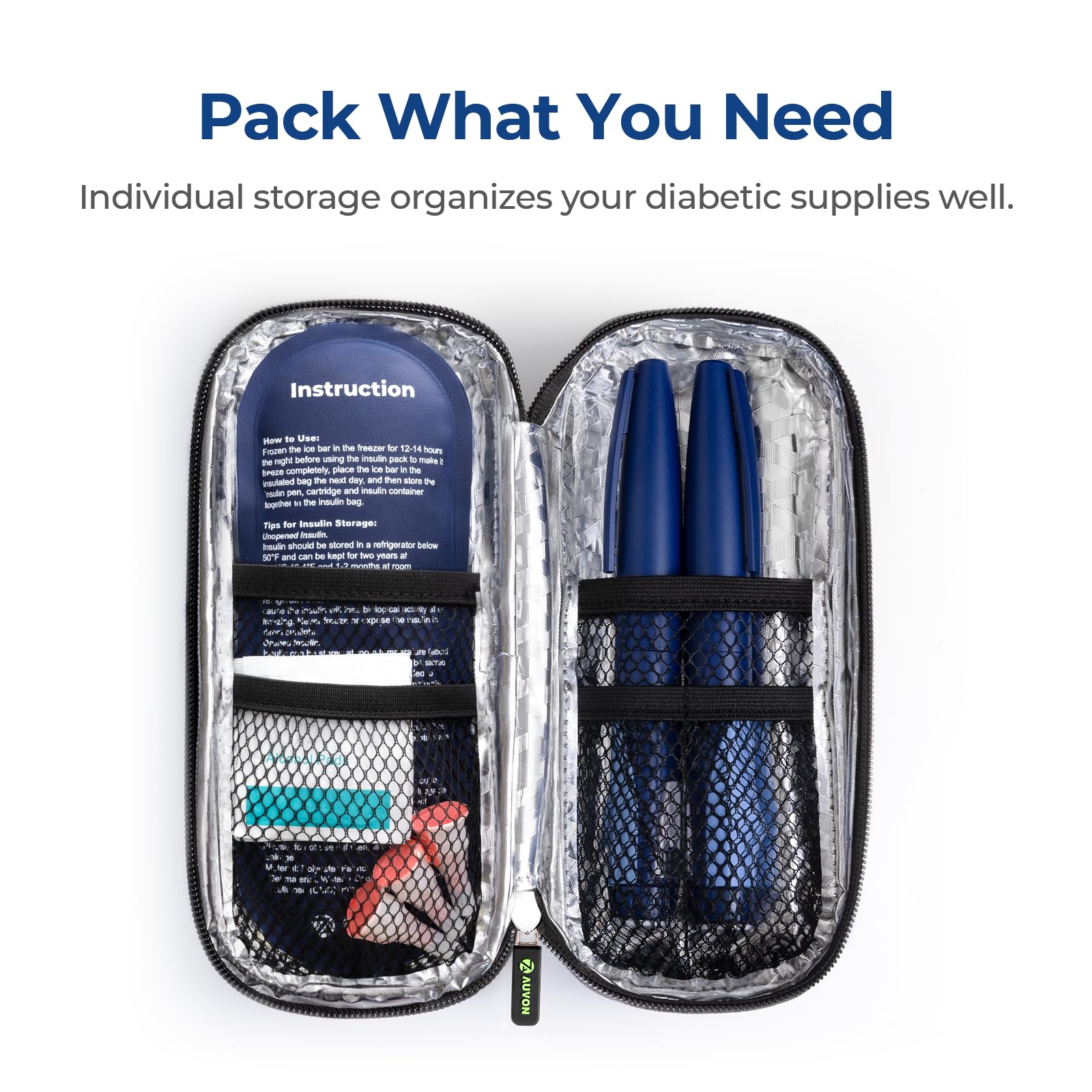
Proper Storage and Handling of Insulin and Diabetes Supplies at Home and During Travel
Managing diabetes successfully depends not only on taking insulin correctly, but also on storing and handling it properly. Insulin is a sensitive medication that can lose its effectiveness when exposed to extreme temperatures, direct sunlight, freezing conditions, or improper handling. Whether you are at home, commuting daily, or traveling long distances, understanding how to protect insulin and diabetes equipment is essential for maintaining stable blood glucose levels and preventing complications.
This article provides a comprehensive guide to storing insulin safely at home and while traveling, including practical tips for hot weather, cold climates, flights, road trips, and emergency situations.
Understanding Insulin Sensitivity
Insulin is a protein hormone. Because it is biologically active, it can be damaged by:
Heat
Freezing temperatures
Rapid temperature fluctuations
Direct sunlight
Excessive shaking or agitation
Expired storage conditions
When insulin becomes damaged, it may appear normal but lose part or all of its potency. Using ineffective insulin can lead to:
High blood sugar (hyperglycemia)
Diabetic ketoacidosis (DKA)
Fatigue and dehydration
Dangerous glucose instability
For this reason, correct storage is critical.
Ideal Insulin Storage Temperature
Most insulin manufacturers recommend the following:
Unopened Insulin
Unopened insulin should generally be stored in a refrigerator at:
36°F to 46°F (2°C to 8°C)
It should never be frozen. If insulin freezes, even once, it should be discarded.
Opened or In-Use Insulin
Most opened insulin products can be kept at room temperature:
Usually between 59°F and 86°F (15°C to 30°C)
Depending on the insulin type, opened insulin is typically usable for:
28 days
30 days
42 days
Some newer formulations last longer
Always check the manufacturer’s instructions for the specific product.
Room-temperature insulin is often more comfortable to inject than cold insulin.
How to Store Insulin Correctly at Home
Refrigeration Tips
Store unopened insulin:
In the main body of the refrigerator
Away from the freezer compartment
Away from cooling vents
Inside original packaging to protect from light
Avoid storing insulin:
In the refrigerator door (temperature fluctuates frequently)
Near the back wall where freezing may occur
A small thermometer inside the refrigerator can help monitor safe temperature ranges.
Avoid Freezing
Frozen insulin becomes ineffective.
Signs insulin may have frozen include:
Clumping
Crystals
String-like particles
Cloudiness in clear insulin
Unusual texture
If freezing is suspected, discard the insulin.
Protect from Heat and Sunlight
Never leave insulin:
On windowsills
Near ovens or heaters
Inside parked cars
In direct sunlight
Heat exposure can quickly destroy insulin potency.
Store Supplies in a Clean, Dry Area
Diabetes supplies should be organized and protected from humidity and contamination.
Common supplies include:
Insulin pens
Syringes
Pen needles
Glucose meters
CGM sensors
Test strips
Alcohol wipes
Glucagon kits
Keep supplies:
In labeled containers
Away from bathrooms with excessive humidity
Out of reach of children and pets
Recognizing Damaged Insulin
Different insulin types have different appearances.
Clear Insulin Should NOT:
Look cloudy
Contain particles
Change color
Cloudy Insulin Should NOT:
Have clumps
Stick to the bottle
Form crystals
If insulin looks unusual, replace it immediately.
Power Outages and Emergency Storage
Power outages can create major concerns for insulin users.
During Short Power Failures
A closed refrigerator usually keeps insulin safe for several hours.
Avoid opening the refrigerator unnecessarily.
During Extended Outages
Use:
Insulated coolers
Ice packs wrapped in cloth
Portable medication coolers
Important:
Insulin should stay cool but must not touch ice directly.
Traveling with Insulin
Travel requires extra preparation because insulin can be exposed to temperature extremes and delays.
Always plan ahead.
General Travel Recommendations
Carry more supplies than expected.
A good rule is:
Bring at least double the amount needed
Include:
Extra insulin
Needles and syringes
Glucose monitor supplies
Batteries or chargers
Snacks for hypoglycemia
Prescriptions
Medical documents
Traveling by Airplane
Air travel presents unique challenges.
Always Keep Insulin in Carry-On Luggage
Never place insulin in checked baggage because cargo holds may experience:
Freezing temperatures
Excessive heat
Lost luggage risks
Carry all diabetes supplies with you onboard.
Airport Security
Most diabetes supplies are permitted through airport security.
These include:
Insulin pens
Pumps
CGMs
Syringes
Glucose tablets
A doctor’s letter may help, especially for international travel, although it is not always required.
Time Zone Adjustments
Long-distance travel across time zones may affect insulin schedules.
People using:
Basal-bolus regimens
Insulin pumps
Long-acting insulin
may need dosing adjustments.
Consult a healthcare provider before major international travel.
Traveling by Car
Cars can become dangerously hot or cold.
Never leave insulin:
In the glove compartment
On dashboards
In parked vehicles
During road trips:
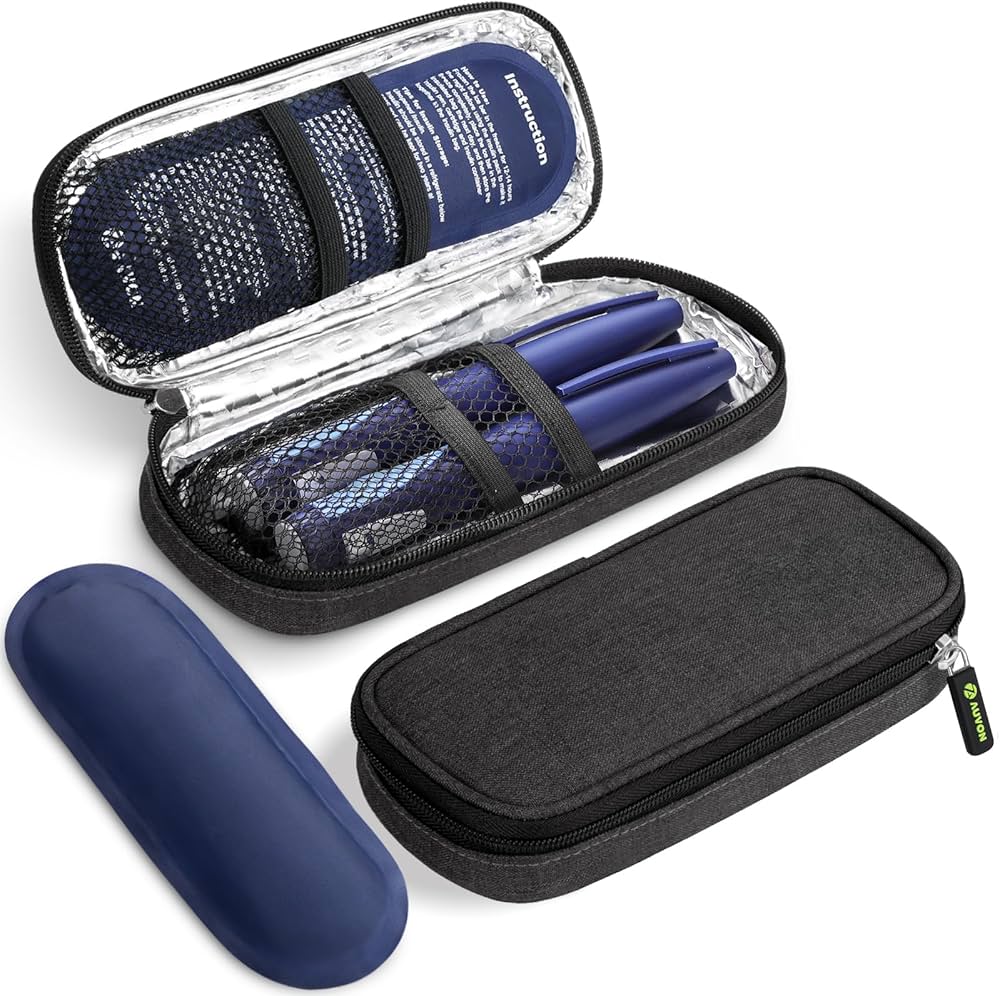
Use insulated travel cases
Keep insulin near cabin temperature
Avoid direct sunlight exposure
Insulin Cooling Travel Cases
Specialized cooling cases help maintain safe temperatures.
Common options include:
Gel-pack coolers
Evaporative cooling pouches
USB-powered portable refrigerators
These are especially useful in:
Summer travel
Camping
Outdoor work
Hot climates
Traveling in Hot Weather
Heat is one of the greatest threats to insulin.
In tropical or desert climates:
Store insulin in cooling pouches
Stay indoors during extreme heat
Avoid beach exposure
Monitor blood sugar more frequently
High temperatures may also increase insulin absorption rates in the body, increasing hypoglycemia risk.
Traveling in Cold Weather
Cold climates can freeze insulin quickly.
Protect insulin by:
Keeping it close to the body
Using insulated bags
Avoiding exposure during skiing or winter sports
Do not leave insulin in cars overnight during winter.
Storing Insulin Pumps and CGMs
Modern diabetes technology also requires protection.
Insulin Pumps
Pumps and insulin reservoirs are temperature-sensitive.
Avoid:
Direct sun exposure
Hot tubs
Saunas
Freezing temperatures
Continuous Glucose Monitors (CGMs)
Sensors and transmitters may malfunction under extreme temperatures.
Always follow manufacturer instructions for:
Storage ranges
Operating temperatures
Transportation guidelines
Medication Expiration Dates
Expired insulin may become less effective.
Always:
Check expiration dates regularly
Rotate older stock first
Label opened insulin with the opening date
Discard expired insulin safely according to local medical waste guidelines.
Emergency Preparedness for People Using Insulin
Every insulin user should prepare an emergency diabetes kit.
Include:
Backup insulin
Extra prescriptions
Syringes or pens
Fast-acting carbohydrates
Water
Glucose monitoring supplies
Medical ID information
Emergency contacts
Natural disasters, travel delays, and unexpected situations can interrupt access to medication.
Tips for Parents of Children with Diabetes
Parents should ensure:
School staff understand insulin storage
Backup supplies are available
Insulin is protected during outdoor activities
Teachers recognize signs of hypoglycemia
Children traveling to camps or sports events should carry insulated storage bags.
Common Mistakes to Avoid
Leaving Insulin in a Hot Car
Even one hour in extreme heat may damage insulin.
Using Frozen Insulin
Never thaw and reuse frozen insulin.
Exposing Insulin to Direct Sunlight
UV light and heat degrade insulin rapidly.
Traveling Without Backup Supplies
Unexpected delays happen frequently.
Always prepare extra medication.
Organizing Diabetes Supplies Efficiently
A well-organized system reduces stress and improves safety.
Helpful strategies include:
Weekly supply checks
Travel preparation checklists
Separate home and travel kits
Labeling medication dates
Using portable organizer bags
Psychological Comfort and Confidence During Travel
Many people with diabetes feel anxious about traveling with insulin.
Preparation significantly reduces stress.
Knowing that supplies are:
Protected
Accessible
Properly stored
can improve confidence and allow safer, more enjoyable travel experiences.
Final Thoughts
Proper insulin storage is a fundamental part of diabetes management. Temperature damage, freezing, heat exposure, and poor organization can reduce insulin effectiveness and place health at serious risk.
At home, insulin should be refrigerated correctly and protected from temperature fluctuations. During travel, careful planning, insulated storage, and carrying backup supplies are essential.
With the right preparation and awareness, people using insulin can safely manage diabetes anywhere — at home, on the road, or around the world.
Advanced Tips for Safe Insulin Storage and Diabetes Management During Travel
In addition to basic insulin storage principles, there are many advanced strategies that can help people with diabetes maintain medication safety, avoid emergencies, and reduce stress during daily life and travel. Understanding these details becomes especially important for individuals who travel frequently, live in extreme climates, or rely on insulin pumps and continuous glucose monitoring systems.
Understanding Different Types of Insulin and Their Storage Needs
Not all insulin products behave exactly the same way. Some formulations are more temperature-sensitive than others.
Rapid-Acting Insulin
Examples include:
Humalog
NovoLog
Apidra
These are commonly used before meals and inside insulin pumps.
Because insulin pumps keep insulin close to body temperature for extended periods, users should avoid exposing pump reservoirs to external heat.
Long-Acting Insulin
Examples include:
Lantus
Levemir
Tresiba
Long-acting insulin is usually injected once or twice daily and often remains stable at room temperature for several weeks after opening.
However, heat exposure can still reduce effectiveness significantly.
Premixed Insulin
Premixed insulin products contain combinations of rapid and intermediate insulin.
These insulin types are often cloudy and must be gently rolled before use.
Never shake insulin aggressively because excessive agitation can damage the protein structure.
Safe Handling of Insulin Pens
Insulin pens are convenient but still require careful handling.
Important Pen Storage Rules
Unused pens should remain refrigerated
In-use pens are usually kept at room temperature
Pen caps should remain attached when not in use
Avoid storing pens with needles attached
Leaving needles attached may:
Allow air bubbles to enter
Cause insulin leakage
Increase contamination risk
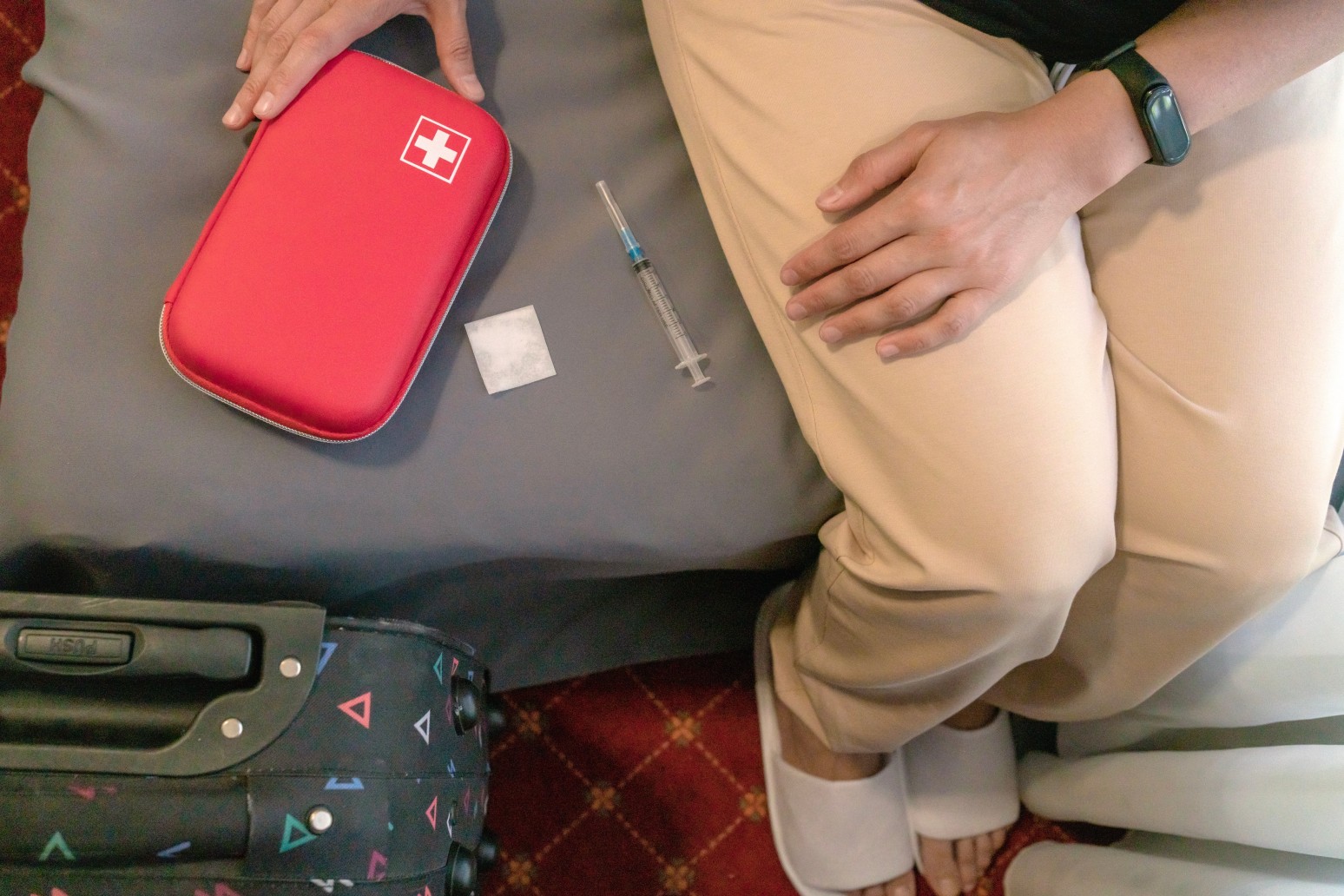
Syringe and Needle Storage
Needles and syringes should always remain:
Dry
Sterile
Sealed before use
Avoid exposing supplies to:
Humidity
Dust
Direct sunlight
Used sharps should be disposed of safely in puncture-resistant containers.
Traveling Internationally with Diabetes
International travel requires additional preparation beyond standard domestic travel.
Carrying Medical Documentation
Travelers should carry:
Prescriptions
A physician letter
Medication lists
Emergency contacts
Insurance information
Medical letters are particularly useful when carrying:
Injectable medications
CGMs
Insulin pumps
Large quantities of supplies
Language Barriers and Translation Cards
In countries where you do not speak the local language, carrying translated diabetes cards can help communicate emergency medical needs.
Useful phrases include:
“I have diabetes.”
“I need sugar.”
“I use insulin.”
“I need medical assistance.”
Researching Medical Care Before Travel
Before visiting another country, identify:
Nearby hospitals
Pharmacies
Diabetes clinics
Emergency phone numbers
This preparation can be lifesaving in emergencies.
Managing Insulin During Long Flights
Long-haul flights may disrupt routine schedules.
Important Considerations
Stay hydrated
Move regularly to improve circulation
Monitor blood glucose more often
Keep snacks accessible
Avoid packing supplies overhead if difficult to reach quickly
Cabin pressure changes generally do not damage insulin, but insulin pumps may occasionally develop air bubbles.
Pump users should inspect tubing periodically during flights.
Hotel Storage Tips
Hotels may not always provide ideal storage conditions.
Mini Refrigerators
Some hotel refrigerators become too cold and may freeze insulin.
To reduce risk:
Place insulin in the middle section
Avoid direct contact with freezer surfaces
Use insulated pouches inside the refrigerator
Cruise Travel and Diabetes
Cruises require special planning because access to pharmacies may be limited.
Bring:
Extra medication
Additional pump supplies
Backup glucose meters
Ketone testing supplies
Sea excursions and tropical weather can expose insulin to excessive heat.
Portable cooling cases are highly recommended.
Camping and Outdoor Activities
Outdoor adventures present major temperature-control challenges.
Hiking and Backpacking
During hiking:
Keep insulin insulated
Avoid prolonged sun exposure
Carry glucose sources
Protect equipment from moisture
Battery-operated devices may also require extra power sources.
Beach and Pool Safety
Sand, water, and heat can damage diabetes equipment.
Important precautions include:
Keeping devices shaded
Using waterproof cases
Drying hands before glucose testing
Monitoring glucose frequently during swimming
Heat and physical activity together may increase insulin sensitivity.
Sports and Physical Activity
Exercise changes how insulin works in the body.
People engaging in intense activity should monitor for:
Hypoglycemia
Increased insulin absorption
Dehydration
Insulin stored outdoors during sports should remain protected from direct heat or freezing conditions.
Protecting Continuous Glucose Monitors (CGMs)
Popular CGM systems include:
Dexcom G7
FreeStyle Libre 3
Guardian Sensor 4
CGMs are sensitive electronic devices.
Extreme temperatures may:
Reduce sensor accuracy
Shorten battery life
Cause adhesive problems
Travelers should pack extra adhesives and backup testing supplies.
Backup Plans for Technology Failure
Technology can fail unexpectedly.
Always carry backup options such as:
Traditional glucose meters
Manual insulin pens
Syringes
Printed prescriptions
Never rely entirely on one device.
Safe Disposal of Diabetes Waste During Travel
Used needles and lancets should never be thrown loosely into trash bins.
Portable sharps containers are useful for travel.
If a commercial sharps container is unavailable, a thick plastic bottle with a secure lid may temporarily help contain used sharps safely.
Humidity and Moisture Risks
Humidity can damage:
Test strips
Adhesives
Electronic equipment
Store supplies in sealed pouches when traveling to humid climates.
Moisture exposure may cause inaccurate glucose readings.
Signs That Insulin May No Longer Be Effective
Even properly stored insulin can occasionally degrade.
Possible warning signs include:
Unexplained high blood sugar
Increased insulin requirements
Ketone formation
Persistent hyperglycemia despite dosing
If these occur, replace the insulin immediately and monitor glucose carefully.
Psychological Stress and Diabetes During Travel
Travel stress itself can affect blood glucose levels.
Factors include:
Sleep disruption
Anxiety
Time zone changes
Irregular meals
Physical exhaustion
Maintaining organized supplies and preparation routines helps reduce stress and improve glucose control.
Preparing Children and Teenagers for Independent Diabetes Management
Young travelers should learn:
How to recognize insulin damage
How to pack supplies
Emergency hypoglycemia treatment
Safe needle disposal
Device troubleshooting
Gradually teaching these skills encourages independence and confidence.
Workplace and School Storage Considerations
Insulin users should ensure safe storage in schools and workplaces.
Important recommendations include:
Avoid leaving insulin in lockers exposed to heat
Use insulated lunch bags if necessary
Keep emergency snacks accessible
Inform trusted staff members about diabetes emergencies
Building a Long-Term Diabetes Emergency Plan
Every person using insulin should have a written emergency plan.
Include:
Medication schedules
Emergency contacts
Pharmacy information
Insurance details
Backup treatment plans
Device serial numbers
Keep digital and printed copies available.
Future Innovations in Insulin Storage
Researchers continue developing improved insulin technologies, including:
Heat-stable insulin formulations
Smart insulin pens
Advanced cooling systems
Longer-lasting insulin analogs
These innovations may eventually reduce many storage challenges faced today.
Conclusion
Proper insulin storage is not simply a recommendation — it is a critical part of safe diabetes care. Insulin must be protected from heat, freezing, moisture, and physical damage to ensure it works effectively.
Whether at home, at work, on airplanes, during road trips, or in remote outdoor environments, thoughtful preparation can prevent dangerous blood sugar problems and reduce anxiety.
People living with diabetes can travel safely and confidently when they understand how to protect their insulin, organize their supplies, and prepare for emergencies. Careful planning, proper storage, and regular monitoring are the foundations of successful diabetes management anywhere in the world.