
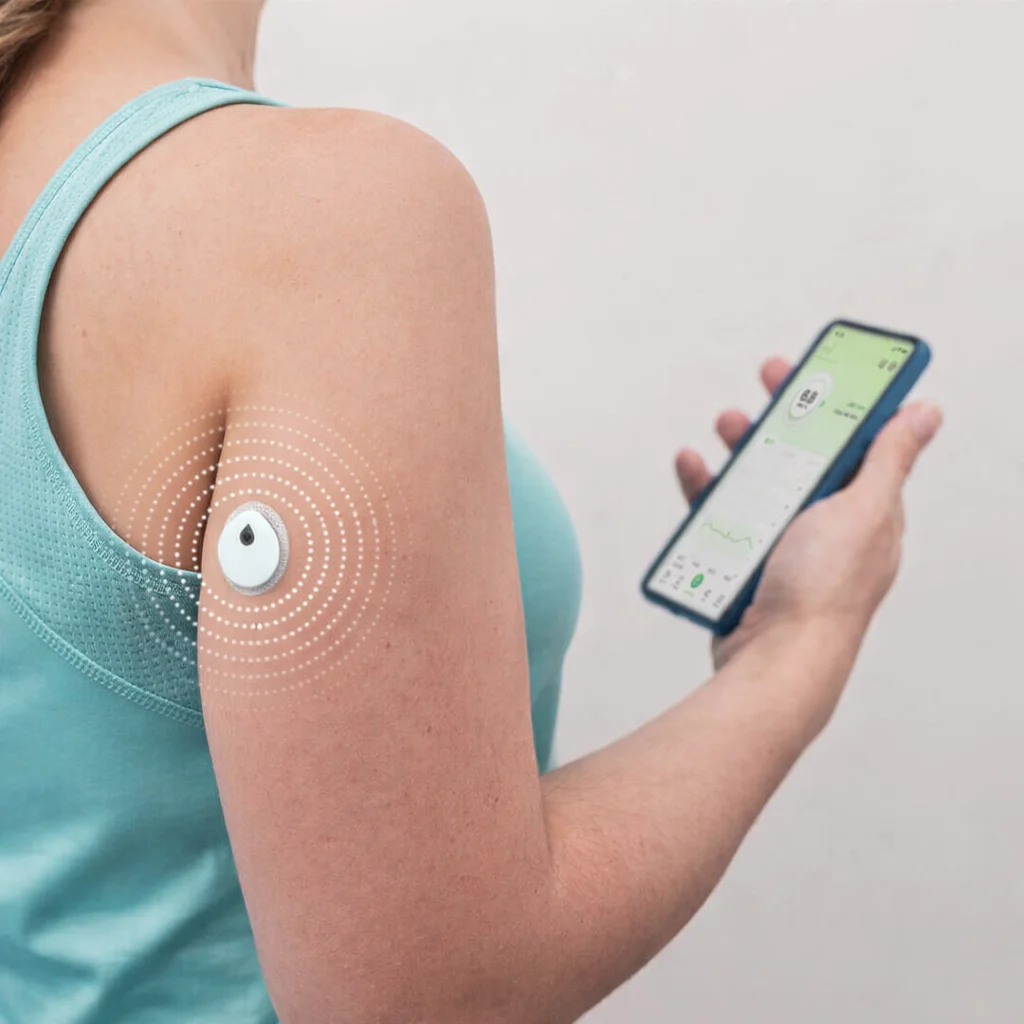
New Generation High-Precision Sensors: What Changes Are Coming?
Introduction
The world is becoming increasingly connected, intelligent, and data-driven. At the heart of this transformation lies one of the most important technological innovations of the 21st century: high-precision sensors.
These tiny yet sophisticated devices are responsible for collecting accurate information from the physical world and converting it into digital data that computers, smartphones, robots, medical devices, vehicles, and industrial systems can understand.
Sensors are already embedded in nearly every aspect of modern life.
They monitor our heartbeats through smartwatches, guide autonomous vehicles safely through traffic, regulate industrial machinery, detect environmental pollution, and help doctors diagnose diseases earlier than ever before.
However, a new generation of high-precision sensors is poised to revolutionize these capabilities even further.
Advances in nanotechnology, artificial intelligence, quantum science, advanced materials, and wireless communication are enabling sensors to become smaller, faster, more sensitive, more energy-efficient, and remarkably intelligent.
Rather than simply measuring physical quantities, future sensors will be capable of interpreting complex environments, learning from data, communicating with one another, and making autonomous decisions.
This technological evolution promises to reshape healthcare, transportation, manufacturing, agriculture, environmental protection, and many other industries.
What Are High-Precision Sensors?
A sensor is a device that detects changes in its environment and converts those changes into measurable electrical signals.
High-precision sensors differ from conventional sensors because they can detect extremely small changes with exceptional accuracy and reliability.
They are designed to minimize measurement errors while maintaining consistent performance over long periods.
Modern high-precision sensors can measure:
Temperature
Pressure
Humidity
Light
Motion
Acceleration
Distance
Force
Chemical composition
Blood glucose
Oxygen concentration
Magnetic fields
Sound waves
Radiation
Electrical signals
Some advanced sensors can even identify individual molecules, viruses, or tiny structural changes in materials.
Why Are More Accurate Sensors Needed?
As technology becomes increasingly automated, even small measurement errors can have significant consequences.
For example:
A self-driving car must accurately detect pedestrians within milliseconds.
A surgical robot requires extremely precise position measurements.
A glucose monitoring device must accurately measure blood sugar to ensure safe insulin dosing.
Industrial robots depend on precise sensors to manufacture products with microscopic tolerances.
Spacecraft navigation systems require incredibly accurate measurements to travel millions of kilometers through space.
Greater sensor precision improves:
Safety
Reliability
Efficiency
Product quality
Energy savings
Medical outcomes
The Technologies Driving the Next Generation of Sensors
Several scientific breakthroughs are making future sensors dramatically more capable.
Nanotechnology
Nanotechnology allows engineers to build sensing structures at the scale of billionths of a meter.
At this microscopic scale, materials exhibit unique electrical, optical, and mechanical properties that greatly enhance sensor performance.
Nanomaterials improve:
Sensitivity
Response speed
Power efficiency
Miniaturization
Carbon nanotubes, graphene, and semiconductor nanowires are among the materials enabling these advances.
Artificial Intelligence
Artificial intelligence is transforming sensors from passive measuring devices into intelligent systems.
Instead of simply collecting raw data, AI-powered sensors can:
Filter noise
Detect patterns
Predict failures
Recognize objects
Adapt to changing environments
Improve accuracy over time
For example, a medical sensor may distinguish between normal heartbeat variations and early signs of heart disease by analyzing thousands of previous recordings.
Advanced Materials
Traditional silicon remains important, but researchers are developing entirely new sensing materials.
Examples include:
Graphene
Flexible polymers
Piezoelectric materials
Smart ceramics
Two-dimensional semiconductors
Shape-memory alloys
These materials enable sensors that are thinner, lighter, more flexible, and capable of functioning in extreme environments.
Miniaturization: Smaller Than Ever Before
One of the biggest trends is sensor miniaturization.
Many future sensors will be almost invisible to the naked eye.
Tiny sensors can be integrated into:
Clothing
Contact lenses
Medical implants
Smart bandages
Artificial organs
Consumer electronics
Industrial equipment
Smaller sensors often consume less power while providing greater flexibility for wearable and implantable technologies.
Wearable Sensors in Healthcare
Healthcare is expected to experience one of the greatest transformations through high-precision sensing.
Future wearable sensors may continuously monitor:
Blood pressure
Heart rhythm
Blood oxygen
Hydration
Body temperature
Respiratory rate
Stress hormones
Blood glucose
Muscle activity
Instead of visiting hospitals for routine testing, patients could receive continuous monitoring from comfortable wearable devices.
Doctors would gain access to real-time health information, enabling earlier diagnosis and more personalized treatment.
Implantable Sensors
Researchers are also developing implantable sensors that function inside the human body for months or even years.
Potential applications include monitoring:
Brain activity
Heart function
Organ health
Drug delivery
Cancer progression
Blood chemistry
These sensors may communicate wirelessly with external devices, reducing the need for repeated medical procedures.
Flexible and Stretchable Sensors
Unlike traditional rigid electronic components, new flexible sensors can bend, stretch, and conform to curved surfaces.
These sensors can be incorporated into:
Electronic skin
Smart clothing
Sports equipment
Prosthetic limbs
Medical patches
Electronic skin equipped with pressure and temperature sensors could restore a sense of touch to advanced prosthetic hands, improving functionality for amputees.
Quantum Sensors: A New Frontier
One of the most exciting developments is the emergence of quantum sensors.
Quantum sensors exploit the unusual properties of quantum physics to measure physical quantities with extraordinary precision.
They may eventually detect:
Tiny magnetic fields
Minute gravitational changes
Extremely small accelerations
Atomic-level temperature variations
Weak electrical signals
Potential applications include:
Early disease detection
Underground resource exploration
Navigation without GPS
Fundamental scientific research
Space exploration
Although still an emerging technology, quantum sensing could redefine the limits of measurement accuracy.
Environmental Monitoring
Climate change and environmental protection require better monitoring technologies.
Future sensor networks will continuously measure:
Air quality
Water pollution
Soil health
Greenhouse gases
Ocean acidity
Forest conditions
Wildfire risks
Real-time environmental data will help governments respond more quickly to pollution events and natural disasters.
Agriculture Becomes Smarter
High-precision sensors are transforming agriculture into a data-driven industry.
Farmers will increasingly rely on sensors that monitor:
Soil moisture
Nutrient levels
Plant health
Weather conditions
Crop diseases
Livestock health
By providing precise information, these sensors enable targeted irrigation, fertilizer application, and pest management, reducing costs while improving crop yields and conserving natural resources.
Industrial Automation
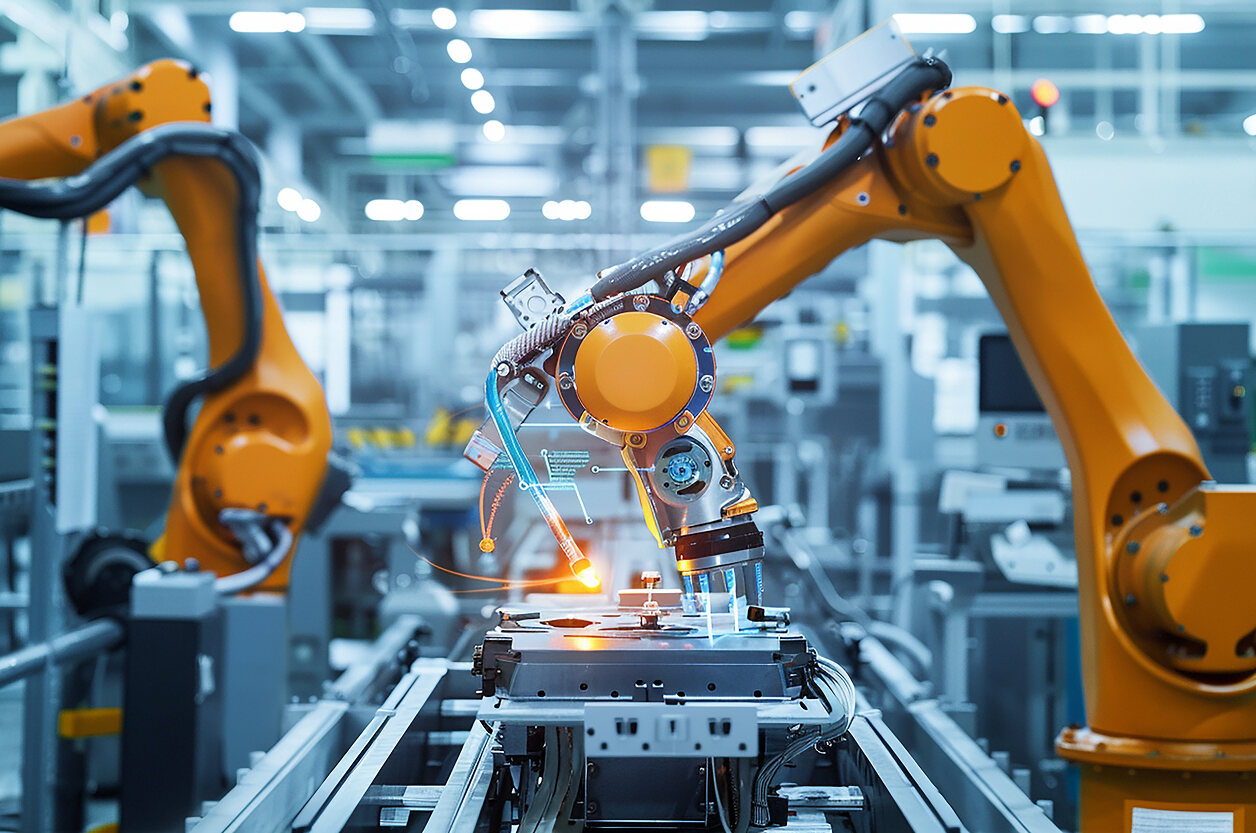
Modern factories already use thousands of sensors, but next-generation devices will make industrial systems even more efficient.
Applications include:
Predictive maintenance
Machine health monitoring
Precision manufacturing
Robotic automation
Energy optimization
Quality control
Instead of waiting for equipment to fail, intelligent sensors can detect early warning signs and alert maintenance teams before breakdowns occur.
Autonomous Vehicles
Self-driving cars rely on multiple sensor types working together, including cameras, radar, lidar, ultrasonic sensors, and inertial measurement units.
Future high-precision sensors will improve:
Obstacle detection
Weather performance
Nighttime driving
Pedestrian recognition
Navigation accuracy
Collision avoidance
Combining sensor data through a process known as sensor fusion allows autonomous systems to build a more accurate understanding of their surroundings than any single sensor could provide.
Smart Cities
Cities of the future will depend on extensive sensor networks to improve urban living.
Applications include:
Intelligent traffic management
Smart street lighting
Air pollution monitoring
Noise measurement
Structural health monitoring of bridges
Waste management
Public transportation optimization
These systems can help reduce congestion, improve energy efficiency, and enhance public safety.
Energy Efficiency
Power consumption remains a critical challenge, especially for battery-powered and remote devices.
Future sensors will increasingly feature:
Ultra-low-power electronics
Energy harvesting technologies
Solar-powered operation
Self-powered piezoelectric systems
Long-lasting batteries
Some sensors may operate for years without requiring battery replacement.
Challenges Facing Next-Generation Sensors
Despite their enormous potential, several challenges remain.
Data Security
As sensors collect more personal and industrial information, protecting that data from unauthorized access becomes increasingly important.
Strong encryption, secure communication protocols, and regular software updates will be essential.
Privacy
Wearable and environmental sensors can gather sensitive information about individuals and communities.
Transparent data policies and user consent are necessary to ensure responsible use.
Calibration and Reliability
Even highly accurate sensors require periodic calibration to maintain their precision. Researchers are developing self-calibrating systems that can automatically compensate for environmental changes and aging.
Manufacturing Costs
Advanced materials and complex fabrication techniques can increase production costs. Scaling up manufacturing will be important for making these technologies widely accessible.
Future Trends
Over the next decade, experts expect sensors to become:
Smaller than a grain of sand
More accurate than ever before
Nearly maintenance-free
Self-calibrating
AI-powered
Wirelessly connected
Energy-efficient
Environmentally sustainable
Capable of autonomous decision support
Rather than functioning as isolated devices, sensors will become part of interconnected ecosystems where millions of devices continuously share information in real time.
Conclusion
New-generation high-precision sensors are set to redefine how humans interact with technology and the physical world.
Advances in nanotechnology, artificial intelligence, quantum science, and advanced materials are creating sensors that are smaller, smarter, and more accurate than ever before.
These innovations will have far-reaching effects across healthcare, transportation, manufacturing, agriculture, environmental protection, and smart infrastructure.
From wearable medical devices that detect diseases before symptoms appear to autonomous vehicles that navigate safely through complex environments, high-precision sensors will play a central role in shaping the future.
Although challenges related to cost, privacy, cybersecurity, and large-scale deployment remain, the pace of innovation continues to accelerate.
As these technologies mature, high-precision sensors will move beyond simple measurement tools and become intelligent partners capable of supporting better decisions, improving safety, enhancing efficiency, and ultimately transforming everyday life.
The Rise of Self-Healing Sensors
One of the most promising areas of research is the development of self-healing sensors.
Traditional sensors can lose accuracy over time due to mechanical stress, temperature changes, corrosion, or microscopic damage.
Self-healing materials contain special polymers or microcapsules that can repair small cracks and defects automatically.
For example, if a flexible sensor embedded in smart clothing develops a tiny tear, the material may chemically reconnect itself without human intervention.
This capability could significantly extend the lifespan of wearable devices, medical implants, and industrial monitoring systems.
Benefits of self-healing sensors include:
Longer operational life
Reduced maintenance costs
Improved reliability in harsh environments
Lower electronic waste generation
Greater safety for critical applications
Multimodal Sensing: Combining Multiple Measurements
Future sensors will increasingly become multimodal, meaning a single device can measure several different parameters simultaneously.
Instead of using separate sensors for temperature, pressure, humidity, and motion, one compact unit may collect all these measurements at once.
In healthcare, a single skin patch could monitor:
Body temperature
Heart rate
Respiration
Sweat composition
Hydration levels
Stress indicators
In industrial settings, multimodal sensors could detect vibration, heat, sound, and gas leaks simultaneously, providing a more complete picture of equipment health.
Digital Twins and Sensor Integration
High-precision sensors are also enabling the creation of digital twins—virtual replicas of physical objects, machines, buildings, or even entire cities.
A digital twin receives continuous data from real-world sensors and updates its virtual model in real time.
For example:
A bridge equipped with strain and vibration sensors can have a digital twin that predicts structural fatigue.
A factory can simulate production processes before making physical adjustments.
A patient’s digital twin could help doctors test treatment strategies virtually.
This approach allows engineers and healthcare professionals to identify problems earlier and optimize performance more efficiently.
Edge Computing: Processing Data Near the Sensor
In the past, sensor data was often sent to distant cloud servers for processing.
However, transmitting enormous amounts of data can create delays and consume significant bandwidth.
Future high-precision sensors will increasingly use edge computing, where data is processed directly on or near the sensor itself.
Advantages include:
Faster response times
Lower network traffic
Improved privacy
Reduced power consumption
Greater reliability when internet connections are unavailable
For example, an autonomous vehicle cannot wait for a remote server to decide whether an obstacle is dangerous. Edge-based sensor processing enables near-instant decisions.
Biological and Bio-Inspired Sensors
Scientists are increasingly looking to nature for inspiration.
Animals possess extraordinary sensing abilities:
Dogs detect odors at extremely low concentrations.
Bats navigate using echolocation.
Sharks sense weak electrical fields.
Snakes detect infrared heat.
Researchers are developing bio-inspired sensors that mimic these natural capabilities.
Potential applications include:
Early cancer detection through breath analysis
Explosive detection
Food quality monitoring
Search-and-rescue operations
Advanced robotic navigation
Some experimental sensors can already identify specific disease-related molecules in human breath, opening the possibility of noninvasive medical diagnostics.
Space Exploration and Extreme Environments
Future missions to the Moon, Mars, and beyond will require sensors capable of operating under extreme conditions.
These sensors must withstand:
Intense radiation
Extreme temperatures
Vacuum conditions
Dust exposure
Long-duration missions
High-precision sensors will be essential for:
Spacecraft navigation
Life-support monitoring
Planetary exploration
Resource detection
Structural health monitoring of spacecraft
Technologies developed for space often find valuable applications on Earth, including in healthcare and industrial safety.
Human–Machine Interaction
As sensors become more sophisticated, the boundary between humans and machines will continue to blur.
Future systems may interpret:
Gestures
Facial expressions
Eye movements
Muscle signals
Brain activity
Emotional states
These capabilities could enable:
Hands-free control of devices
Advanced prosthetics
Assistive technologies for people with disabilities
Immersive virtual reality experiences
More natural communication with robots
Final Conclusion
The next generation of high-precision sensors represents far more than an incremental improvement in measurement technology.
These devices are evolving into intelligent, connected, and autonomous systems capable of understanding the world with unprecedented detail.
From self-healing materials and quantum sensing to AI-powered wearables and digital twins, the changes coming in the next decade could fundamentally transform healthcare, transportation, industry, agriculture, environmental management, and human–machine interaction.
As sensors become smaller, smarter, and more affordable, they will increasingly disappear into the background of daily life while quietly providing the data that powers safer cities, healthier populations, cleaner environments, and more efficient economies.
The future of technology will not simply be built with sensors—it will be defined by them.
Emerging Research Directions in High-Precision Sensors
As scientific research advances, high-precision sensors are evolving beyond simple measurement tools into intelligent systems capable of adapting, learning, and collaborating with other technologies.
Universities, research laboratories, and technology companies around the world are investing billions of dollars to develop sensors that are more accurate, autonomous, and sustainable than ever before.
Several groundbreaking research areas are expected to shape the next generation of sensor technology over the next two decades.
Neuromorphic Sensors: Mimicking the Human Brain
One of the most exciting innovations is the development of neuromorphic sensors, which imitate the way the human brain processes information.
Traditional sensors continuously collect enormous amounts of data, much of which is unnecessary.
This creates challenges related to power consumption, storage, and data transmission.
Neuromorphic sensors operate differently. Inspired by biological nervous systems, they process information only when significant changes occur.
For example, instead of recording every frame of a video, a neuromorphic vision sensor detects only movement or changes within the scene.
This event-driven approach dramatically reduces data processing while enabling faster response times.
Potential applications include:
Autonomous robots
Driverless vehicles
Surveillance systems
Drones
Industrial automation
Medical imaging
These sensors could make artificial intelligence systems more energy-efficient and responsive.
Printed Sensors: Manufacturing at Low Cost
Another rapidly growing field is printed electronics.
Instead of manufacturing sensors using expensive semiconductor fabrication techniques, engineers are developing methods to print electronic circuits onto flexible materials using specialized conductive inks.
Printed sensors may be manufactured on:
Plastic films
Paper
Fabric
Flexible polymers
Biodegradable materials
Advantages include:
Lower production costs
Faster manufacturing
Lightweight construction
Disposable medical devices
Large-area sensing surfaces
For example, food packaging may eventually include inexpensive printed sensors that detect bacterial contamination or indicate when products are no longer safe to consume.
Invisible Sensors in Everyday Objects
Future sensors may become so small and inexpensive that they are integrated into nearly every manufactured object.
Imagine a world where sensors are embedded inside:
Furniture
Windows
Roads
Household appliances
Children’s toys
Clothing
Food containers
Building materials
These invisible sensing systems could continuously collect useful information without requiring separate devices.
For example:
A refrigerator may monitor food freshness.
A kitchen countertop may detect bacterial contamination.
A chair may measure posture and alert users about prolonged sitting.
A bicycle helmet may automatically detect impacts and notify emergency contacts after a serious accident.
High-Precision Sensors in Disaster Prevention
Natural disasters often develop with little warning.
Advanced sensor networks can improve preparedness by continuously monitoring environmental conditions.
Examples include:
Earthquake Monitoring
Highly sensitive seismic sensors can detect tiny underground movements before larger earthquakes occur, helping scientists better understand fault activity.
Flood Prediction
Water-level sensors combined with rainfall measurements can provide earlier flood warnings.
Wildfire Detection
Networks of temperature, smoke, humidity, and gas sensors can identify wildfires during their earliest stages, enabling faster emergency response.
Landslide Monitoring
Ground movement sensors can detect unstable slopes before catastrophic landslides occur.
Although sensors cannot prevent natural disasters, they can significantly improve early warning systems and save lives.
Ocean Monitoring
More than 70% of Earth’s surface is covered by oceans, yet much of the underwater environment remains poorly understood.
Future underwater sensor networks may monitor:
Ocean temperature
Salinity
Marine biodiversity
Coral reef health
Plastic pollution
Oil spills
Tsunami activity
Ocean currents
Autonomous underwater vehicles equipped with high-precision sensors could continuously collect scientific data without requiring human divers.
These technologies will help researchers better understand climate change and protect marine ecosystems.
Cybersecurity Challenges
As sensors become increasingly connected through the Internet of Things (IoT), cybersecurity becomes a critical concern.
If attackers gain access to sensor networks, they could manipulate measurements or disrupt essential services.
Potential risks include:
False medical readings
Manipulated industrial measurements
Traffic management disruptions
Power grid interference
Unauthorized access to personal health data
To reduce these risks, future sensor systems will require:
End-to-end encryption
Secure authentication
Tamper detection
Regular firmware updates
AI-powered intrusion detection
Zero-trust security architectures
Protecting sensor data will be just as important as improving measurement accuracy.
Ethical Considerations
The widespread use of advanced sensors raises important ethical questions.
Privacy
Continuous sensing can reveal sensitive information about individuals, including health status, daily routines, and locations.
Organizations must collect only the data necessary for their intended purpose and handle it responsibly.
Transparency
Users should understand what information is being collected, how it is processed, and who has access to it.
Bias in AI Systems
Many intelligent sensors rely on artificial intelligence for data interpretation. Developers must ensure that algorithms are trained on diverse datasets to avoid biased or unfair outcomes.
Accessibility
Innovative sensing technologies should not be limited to wealthy populations.
Expanding access to affordable sensors is essential for reducing global inequalities in healthcare, education, and environmental protection.
Sensors and the Circular Economy
As billions of electronic devices are manufactured each year, reducing electronic waste has become increasingly important.
Future sensors are being designed with sustainability in mind.
Researchers are developing devices that are:
Biodegradable
Recyclable
Repairable
Energy-efficient
Manufactured from renewable materials
Some experimental sensors dissolve harmlessly after completing their intended medical function, eliminating the need for surgical removal and reducing waste.
The Convergence of Technologies
Perhaps the most transformative trend is not any single innovation but the convergence of multiple technologies.
Future high-precision sensors will increasingly combine:
Artificial intelligence
Robotics
6G wireless communication
Quantum computing
Cloud computing
Edge computing
Nanotechnology
Advanced materials
Together, these technologies will create highly intelligent systems capable of understanding and responding to complex environments with minimal human intervention.
Looking Beyond 2040
By the 2040s, sensors may become so integrated into daily life that they are virtually unnoticed.
Researchers envision:
Smart homes that automatically adapt to occupants’ health and comfort
Roads that continuously monitor traffic and structural integrity
Clothing that tracks health and adjusts to environmental conditions
Medical implants that predict disease before symptoms appear
Factories where every machine continuously monitors its own performance
Cities that optimize energy, transportation, and public safety in real time
The distinction between the digital and physical worlds will continue to fade as sensors provide continuous streams of accurate, real-time information.
Final Perspective
High-precision sensors are becoming the foundation of the intelligent technologies that will shape the future.
Their evolution—from simple measuring instruments to interconnected, AI-enhanced systems—marks a profound shift in how humans collect, interpret, and act upon information.
The coming decades will bring sensors that are smaller, faster, more durable, and capable of operating in environments once thought impossible.
Whether improving medical care, protecting ecosystems, enhancing industrial productivity, or enabling safer transportation, these devices will play a central role in addressing many of society’s greatest challenges.
The future will not be defined solely by faster computers or smarter software.
It will also depend on the remarkable ability of high-precision sensors to bridge the physical and digital worlds, providing the accurate, real-time data that powers innovation across every sector of modern life.