
Are Expensive Diabetes Devices Really Worth It?
A Complete Cost–Benefit Analysis for People Living With Diabetes
Living with diabetes is not only a medical challenge — it is also a financial one.
Families and individuals managing diabetes often face difficult questions:
Is an expensive Continuous Glucose Monitor (CGM) really worth the money?
Do insulin pumps actually improve quality of life enough to justify their cost?
Is a basic glucometer “good enough”?
Are premium diabetes technologies truly life-changing, or are they luxury products?
Will buying advanced devices reduce future medical expenses?
For newly diagnosed patients and families especially, the cost of diabetes care can feel overwhelming. Modern diabetes technology promises better glucose control, fewer complications, improved safety, and greater convenience — but these benefits often come with significant financial costs.
This article explores the real-world cost–benefit balance of expensive diabetes equipment, including:
CGMs
Insulin pumps
Smart insulin pens
Hybrid closed-loop systems
Premium glucometers
Diabetes management apps and accessories
The goal is not to promote or discourage any specific technology, but to help patients and families understand whether higher-cost diabetes tools truly provide meaningful value.
The Growing Cost of Diabetes Care
Diabetes management has evolved dramatically over the past two decades.
Years ago, many people managed diabetes using:
Syringes
Basic insulin
Traditional glucometers
Manual carbohydrate calculations
Today, modern diabetes care may involve:
Continuous glucose monitoring
Smartphone integration
Automated insulin delivery systems
Cloud-based glucose sharing
AI-assisted insulin algorithms
While these advances improve diabetes management, they also increase ongoing healthcare expenses.
For many families, diabetes technology becomes one of the largest recurring medical costs in daily life.
Why Diabetes Technology Has Become So Expensive
Modern diabetes devices are expensive because they combine:
Medical engineering
Software development
Wireless communication
Sensor technology
Regulatory approval processes
Ongoing manufacturing costs
Unlike a one-time purchase, many diabetes devices also require:
Monthly sensors
Adhesives
Test strips
Infusion sets
Reservoirs
Batteries
Software subscriptions
This creates continuous long-term expenses rather than a single payment.
Understanding the Main Categories of Diabetes Technology
1. Basic Glucometers
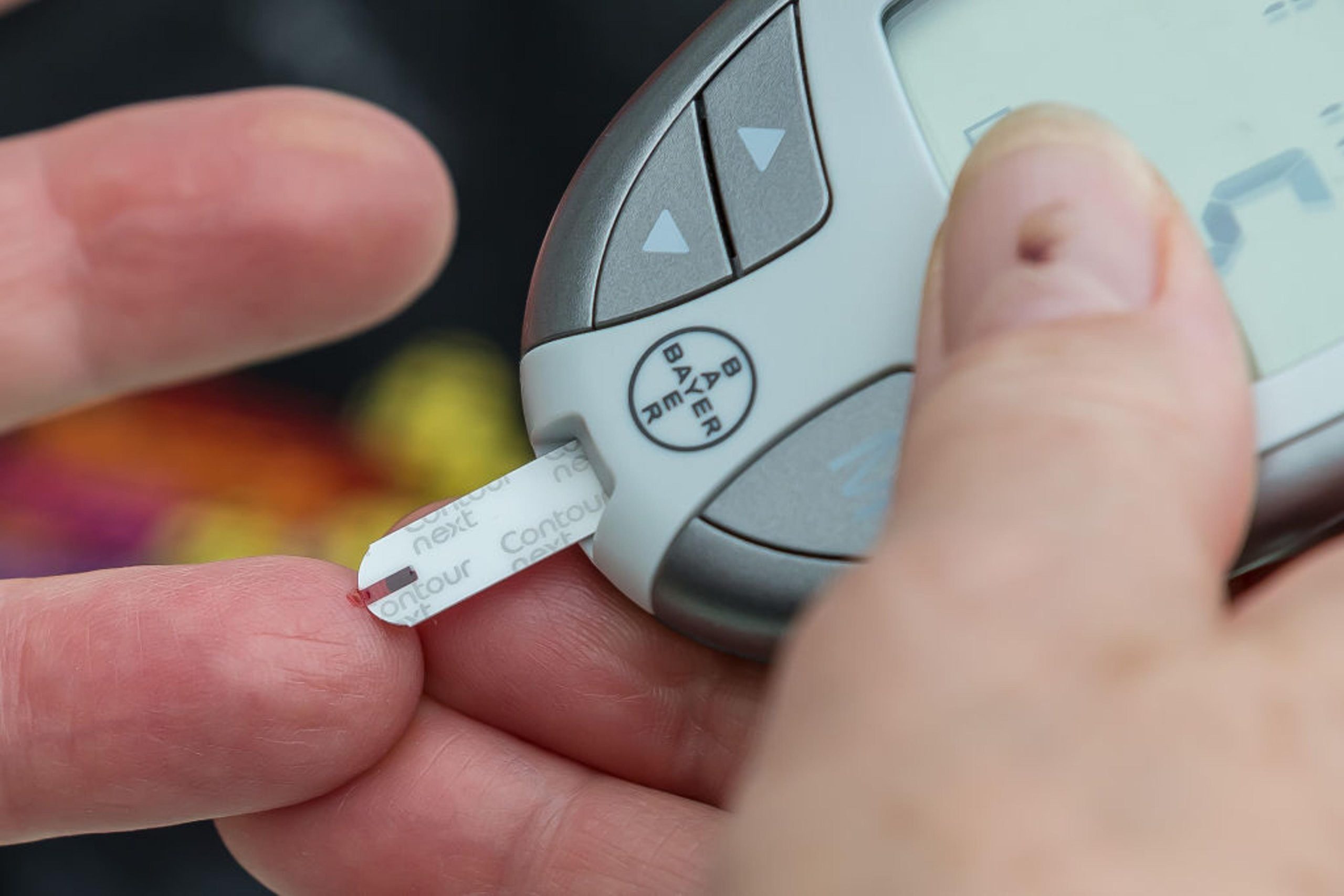
These are the least expensive diabetes monitoring tools.
Advantages:
Affordable
Widely available
Accurate for spot-check testing
Low upfront cost
Limitations:
Require finger pricks
No trend data
No predictive alerts
Difficult overnight monitoring
For some patients, especially those with stable Type 2 diabetes, a glucometer may be entirely sufficient.
2. Continuous Glucose Monitors (CGMs)
CGMs are among the most transformative diabetes technologies developed in recent years.
Benefits:
Real-time glucose monitoring
Alerts for dangerous highs and lows
Trend analysis
Reduced finger pricks
Better overnight safety
Remote monitoring for parents
Costs:
Sensors replaced regularly
Higher monthly expenses
Insurance limitations in some countries
The key question becomes:
Do the benefits justify the cost?
For many people with Type 1 diabetes, especially children, the answer is often yes.
The Hidden Financial Cost of Poor Glucose Control
When evaluating diabetes technology, many people focus only on the immediate purchase price.
But poorly controlled diabetes also has costs — many of them enormous.
Long-term complications may include:
Eye disease
Kidney disease
Nerve damage
Cardiovascular disease
Hospitalization for severe hypoglycemia or ketoacidosis
These complications can lead to:
Lost work productivity
Emergency medical bills
Reduced quality of life
Permanent disability
In many cases, investing in better glucose control today may reduce far greater medical costs later.
CGMs and Hospitalization Prevention
One major financial advantage of CGMs is the potential reduction in emergency situations.
CGMs may help prevent:
Severe hypoglycemia
Diabetic ketoacidosis (DKA)
Emergency room visits
Ambulance calls
Overnight glucose emergencies
Even one avoided hospitalization may offset months or years of CGM costs.
For parents of young children with Type 1 diabetes, this safety benefit alone can feel invaluable.
The Emotional Value of Diabetes Technology
Not every benefit can be measured financially.
Many families report that advanced diabetes devices improve:
Sleep quality
Anxiety levels
Confidence
Independence
Daily functioning
For example:
A parent sleeping peacefully because a CGM alarm will detect overnight lows may experience a profound improvement in mental well-being.
That emotional relief is difficult to quantify — but deeply important.
Insulin Pumps: Convenience or Necessity?
Insulin pumps are another major investment in diabetes care.
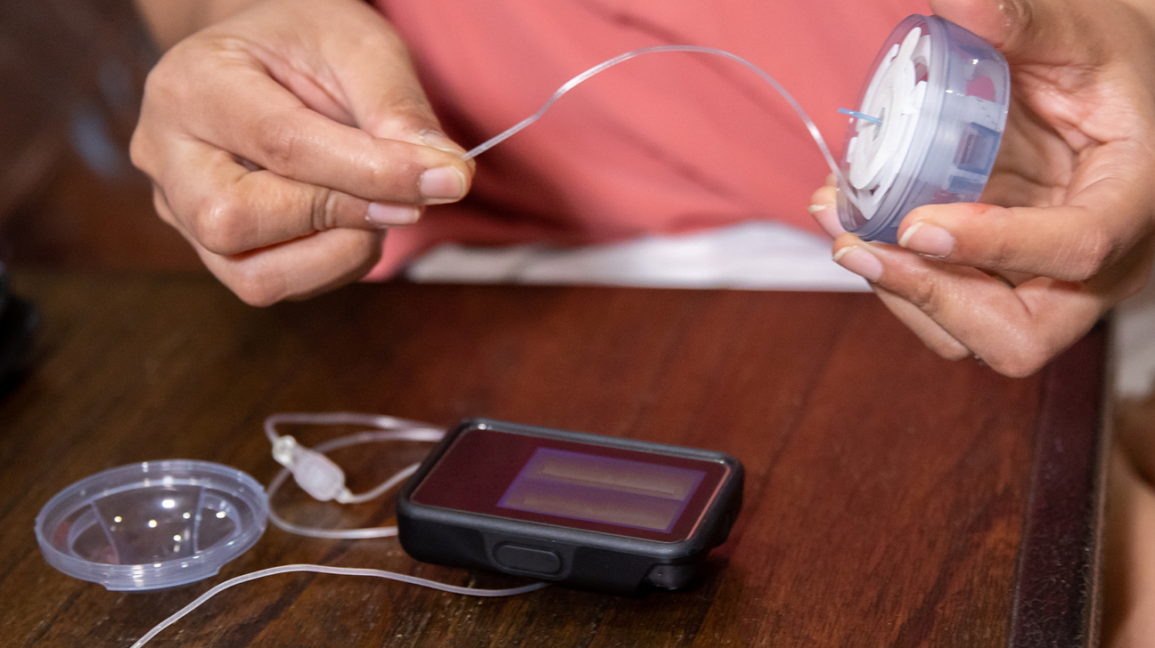
They deliver insulin continuously through a small wearable device.
Benefits:
More precise insulin dosing
Easier correction adjustments
Improved flexibility
Better overnight glucose management
Reduced injection burden
Costs:
High upfront price
Ongoing infusion set expenses
Maintenance and replacement costs
For some patients, pumps dramatically improve quality of life.
For others, multiple daily injections remain effective and far more affordable.
When Expensive Devices May Truly Be Worth It
Advanced diabetes technology often provides the greatest value for:
People with Type 1 Diabetes
Especially:
Children
Teenagers
Pregnant women
Individuals with hypoglycemia unawareness
People With Frequent Severe Hypoglycemia
If a device prevents dangerous low blood sugar episodes, its value may far exceed its price.
Families Managing Diabetes in Young Children
Remote monitoring and overnight alerts can significantly reduce parental stress.
Patients With Highly Variable Glucose Levels
Trend analysis and automated insulin adjustments may improve control substantially.
When Expensive Technology May Offer Less Value
Not everyone benefits equally from premium diabetes devices.
For some individuals:
Diabetes is relatively stable
Glucose checks are infrequent
Technology becomes stressful
Financial strain outweighs convenience
In such cases, lower-cost approaches may still provide excellent care.
The Psychological Burden of Technology
Ironically, advanced devices can sometimes create new stress.
Some users experience:
Alarm fatigue
Obsession with numbers
Constant data checking
Anxiety over fluctuations
Device burnout
More technology does not automatically mean better emotional health.
Successful diabetes care still requires balance.
The “Time Savings” Factor
One overlooked benefit of advanced diabetes devices is time.
CGMs and pumps may reduce:
Manual glucose checks
Overnight testing
Insulin calculations
Record-keeping
Daily decision fatigue
Over months and years, these time savings become substantial.
For working adults or exhausted parents, this can be life-changing.
School, Work, and Social Life
Advanced devices may also improve:
School safety
Workplace functioning
Sports participation
Travel flexibility
Social confidence
For teenagers especially, discreet devices may reduce feelings of being “different.”
Smart Pens and Connected Devices
Smart insulin pens are a middle-ground technology.
They offer:
Dose tracking
Reminders
Smartphone connectivity
Insulin history logging
At a lower cost than pumps, they may provide meaningful convenience for some users.
Insurance Changes the Equation Completely
Whether a device is “worth it” depends heavily on insurance coverage.
A CGM may feel:
Completely affordable with insurance
Financially impossible without it
The same technology can have very different value depending on:
Country
Healthcare system
Reimbursement policies
Government assistance programs
Expensive Does Not Always Mean Better
Some people assume the newest device automatically produces the best outcomes.
But successful diabetes management still depends primarily on:
Education
Consistency
Nutrition
Insulin management skills
Follow-up care
Emotional resilience
A highly motivated patient using a basic glucometer may achieve better control than someone with expensive technology used inconsistently.
The Long-Term Economic Perspective
When viewed over decades, advanced diabetes technology may potentially reduce:
Complication-related healthcare costs
Hospitalizations
Missed workdays
Caregiver burden
Long-term disability risks
However, these savings are not always immediate or guaranteed.
The financial value often depends on:
How consistently the technology is used
The patient’s engagement
The severity of diabetes variability
Access to education and support
Technology Fatigue Is Real
Some users eventually stop using expensive devices despite initial enthusiasm.
Common reasons include:
Sensor irritation
Constant alarms
Device discomfort
Data overload
Financial exhaustion
Before investing heavily, families should realistically evaluate whether the technology fits their lifestyle long-term.
Questions to Ask Before Buying Expensive Diabetes Equipment
1. Will this device meaningfully improve safety?
2. Will it realistically improve glucose control?
3. Can we afford the ongoing costs?
4. Will the child or adult actually use it consistently?
5. Is the emotional benefit worth the financial cost?
6. Does this technology reduce stress — or increase it?
The Most Valuable Diabetes Technology Is the One That Gets Used
A perfectly designed device has little value if:
It remains in a drawer
Causes emotional burnout
Is financially unsustainable
Creates daily frustration
The best diabetes technology is not necessarily the most expensive one.
It is the one that:
Fits the person’s lifestyle
Improves safety
Supports consistency
Feels sustainable emotionally and financially
Final Thoughts
Expensive diabetes equipment can absolutely be worth the investment — especially for people with Type 1 diabetes, children, individuals with severe hypoglycemia, or those struggling with unstable glucose levels.
For many families, technologies like CGMs and insulin pumps provide:
Better glucose control
Improved safety
Greater independence
Better sleep
Reduced anxiety
Higher quality of life
However, these benefits must always be weighed against:
Financial burden
Emotional stress
Long-term sustainability
Individual preferences
Diabetes technology is not a magic solution.
It is a tool.
And like any tool, its real value depends on how well it matches the needs, goals, and daily life of the person using it.
Real-Life Scenarios: When Expensive Diabetes Devices Make the Biggest Difference
Understanding the value of diabetes technology becomes easier when viewed through real-life situations.
The same device may feel absolutely essential for one person and unnecessary for another.
Scenario 1: A Young Child With Type 1 Diabetes
Imagine a 4-year-old child newly diagnosed with Type 1 diabetes.
The parents:
Wake multiple times every night
Fear severe hypoglycemia
Worry during daycare or school
Feel emotionally exhausted
For this family, a CGM with real-time alerts may provide:
Safer overnight monitoring
Fewer finger pricks
Remote monitoring at school
Better sleep
Reduced anxiety
Financially, the device may still be expensive.
But emotionally and medically, many parents consider it priceless.
Scenario 2: An Adult With Stable Type 2 Diabetes
Now consider an adult with Type 2 diabetes who:
Uses oral medication only
Has relatively stable glucose levels
Rarely experiences hypoglycemia
Checks glucose occasionally
In this case:
A traditional glucometer may work perfectly well
A costly CGM may provide limited additional value
The financial investment may not significantly change outcomes
The “best” technology depends heavily on the clinical situation.
Scenario 3: A Teenager Struggling With Diabetes Burnout
Teenagers often face:
Emotional fatigue
Frustration
Social pressure
Resistance to diabetes management
For some teens, advanced technology improves independence and confidence.
For others, constant alarms and data tracking increase stress.
This is why psychological fit matters just as much as medical benefit.
Scenario 4: Someone With Hypoglycemia Unawareness
Hypoglycemia unawareness means a person no longer recognizes symptoms of low blood sugar.
This condition can become extremely dangerous.
For these individuals, CGM alarms may literally prevent:
Seizures
Accidents
Loss of consciousness
Emergency hospitalization
In such cases, expensive technology may dramatically improve safety and survival.
The “Quality of Life” Question
Many healthcare decisions focus heavily on numbers:
HbA1c
Time in range
Glucose averages
But quality of life matters too.
Important questions include:
Is the person sleeping better?
Are parents less afraid?
Does the child participate more freely in life?
Is diabetes consuming less mental energy?
These outcomes are harder to measure — but often deeply meaningful.
Diabetes Technology and Mental Load
Diabetes requires hundreds of daily decisions.
Patients constantly think about:
Food
Exercise
Stress
Insulin timing
Blood glucose trends
Sleep
Illness
School or work schedules
This constant mental effort is often called:
“Diabetes mental load”
Advanced devices may reduce some of this burden by automating parts of diabetes management.
Even small reductions in decision fatigue can improve overall well-being.
The Problem of Unequal Access
One of the biggest challenges in modern diabetes care is inequality.
Some families have access to:
The newest CGMs
Automated insulin delivery systems
Premium insulin pumps
Comprehensive insurance coverage
Others struggle to afford:
Test strips
Insulin
Basic supplies
This creates major differences in diabetes outcomes worldwide.
Unfortunately, the people who could benefit most from advanced technology are not always the ones who can access it.
Are We Becoming Too Dependent on Technology?
Some healthcare professionals worry that overreliance on devices may reduce fundamental diabetes management skills.
For example:
Understanding insulin action
Recognizing body symptoms
Learning manual glucose interpretation
Managing diabetes during device failure
Technology is extremely helpful — but backup skills remain essential.
Every person using advanced diabetes devices should still know:
How to use a glucometer
How to calculate insulin manually
What to do during technical problems
The Financial Stress of “Keeping Up”
Diabetes technology evolves rapidly.
New versions of:
Sensors
Pumps
Apps
Smart pens
appear constantly.
This can create pressure to always upgrade.
But newer does not always mean necessary.
Families should avoid feeling guilty if they cannot afford the latest technology.
Excellent diabetes management is still possible with simpler tools.
Marketing vs. Real-Life Benefit
Diabetes device marketing often emphasizes:
Perfect glucose graphs
Effortless management
Fully automated care
Real life is more complicated.
Even with advanced technology:
Glucose still fluctuates
Sensors still fail sometimes
Diabetes still requires attention
Stress still exists
Technology improves management — it does not eliminate diabetes.
Hidden Costs Beyond the Device Price
When evaluating expensive diabetes equipment, families should consider hidden expenses too.
These may include:
Replacement adhesives
Subscription services
Smartphone upgrades
Travel supplies
Backup devices
Extra chargers
Out-of-pocket sensor replacements
The true long-term cost is often higher than the initial purchase price.
Children Growing Up With Diabetes Technology
Today’s children are growing up in a completely different diabetes world than previous generations.
Many children diagnosed now may:
Never experience routine fingerstick-only care
Use automated insulin systems from an early age
Share glucose data remotely with parents
Integrate diabetes management into smartphones and watches
This technological shift is reshaping childhood diabetes experiences entirely.
The Importance of Diabetes Education
No technology can replace education.
Even the most advanced devices require understanding:
Insulin dosing
Carbohydrate counting
Exercise effects
Illness management
Sensor interpretation
Problem-solving skills
Families who receive strong diabetes education often benefit more from technology than those relying on devices alone.
The Risk of “Perfect Number” Obsession
One downside of advanced monitoring is the temptation to chase perfect glucose numbers constantly.
This can lead to:
Anxiety
Burnout
Excessive corrections
Sleep disruption
Family conflict
Healthy diabetes management involves balance, not perfection.
Even people using advanced systems will still experience:
Highs
Lows
Unexpected fluctuations
This is normal.
Technology and Independence in Children
Advanced diabetes devices can sometimes help children gain independence earlier.
Examples include:
Teens managing insulin discreetly
Parents monitoring remotely instead of constantly asking questions
School-age children participating more confidently in activities
However, excessive remote monitoring can occasionally create tension if children feel overly watched.
Finding a healthy balance is important.
Is There a “Best” Diabetes Device?
No single device works perfectly for everyone.
The best choice depends on:
Age
Diabetes type
Financial situation
Emotional preferences
Lifestyle
Technology comfort level
Medical needs
For one person:
A basic glucometer may be ideal.
For another:
A hybrid closed-loop insulin pump system may dramatically improve life.
Personalization is essential.
What Experts Often Recommend
Many diabetes specialists now recommend:
CGMs for most people with Type 1 diabetes
Automated insulin systems when accessible
Individualized care rather than one-size-fits-all decisions
At the same time, experts also emphasize:
Education
Psychological support
Sustainable routines
Financial realism
Technology works best when integrated into a realistic long-term care plan.
Looking Toward the Future
The future of diabetes care will likely include:
Smaller sensors
Longer-lasting CGMs
Fully automated insulin delivery
AI-driven glucose prediction
Noninvasive monitoring technologies
Over time, some currently expensive devices may become:
More affordable
More accurate
Easier to use
More widely available
The landscape of diabetes care is evolving rapidly.
Final Conclusion
So — are expensive diabetes devices really worth it?
For many people, absolutely yes.
Especially when they provide:
Better safety
Reduced hypoglycemia
Better glucose control
Greater freedom
Improved sleep
Less daily stress
Better quality of life
But the answer is not universal.
A device is only truly valuable if it:
Fits the user’s real needs
Is financially sustainable
Improves daily life
Can be used consistently without burnout
The goal of diabetes technology should never be perfection.
The real goal is helping people with diabetes live:
Safely
Confidently
Independently
Comfortably
Fully engaged in life
And sometimes, the most valuable diabetes tool is not the most expensive one — but the one that makes daily life feel more manageable and less overwhelming.