
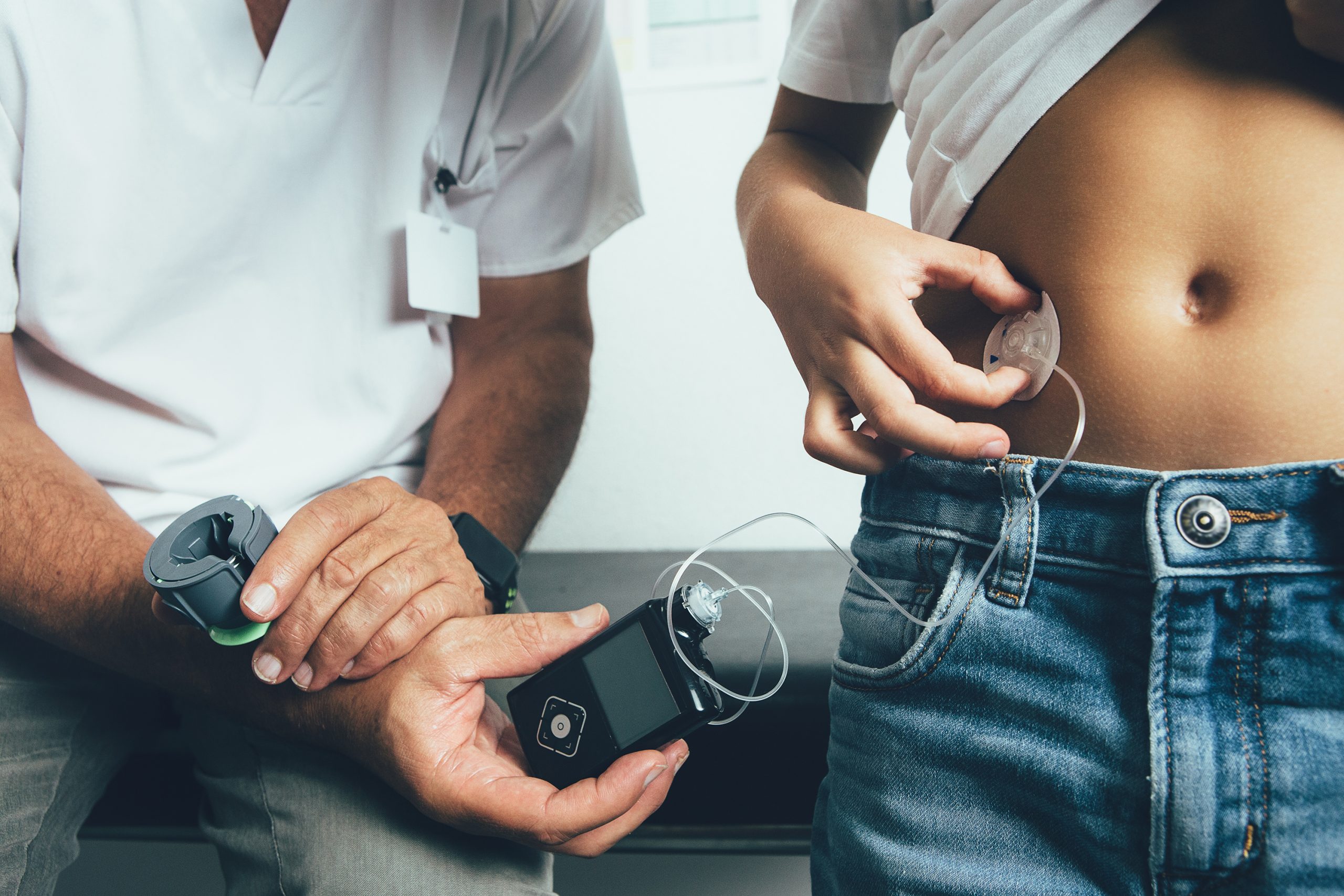
Introduction to Insulin Pump Infusion Sets and How to Choose the Most Appropriate Model
For people living with type 1 diabetes and many individuals with insulin-dependent type 2 diabetes, an insulin pump offers greater flexibility and more precise insulin delivery than multiple daily injections.
However, the pump itself is only one part of the therapy. The infusion set—the component that connects the insulin pump to the body—is equally important.
Choosing the right infusion set can improve insulin absorption, reduce discomfort, minimize pump-related complications, and help achieve better glucose control.
Because every person’s body, lifestyle, and insulin needs are different, there is no universal infusion set that works for everyone.
Understanding the available options and their advantages is the first step toward selecting the best model.
What Is an Insulin Pump Infusion Set?
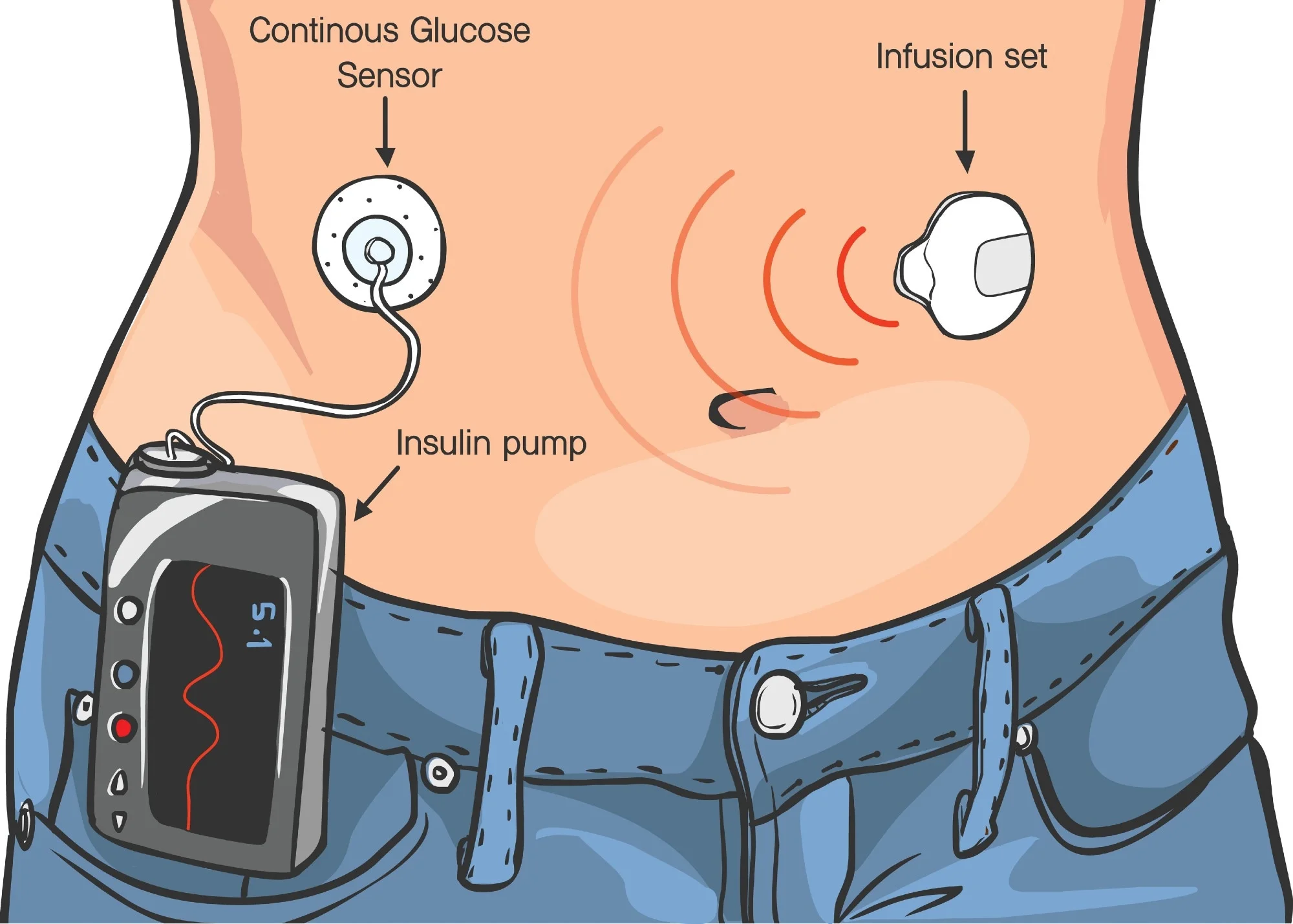
An insulin pump infusion set is a disposable device that delivers insulin from the pump reservoir into the subcutaneous (fatty) tissue beneath the skin. It typically consists of three main components:
A soft cannula or steel needle inserted under the skin
Flexible tubing that carries insulin from the pump
An adhesive patch that secures the infusion set in place
Some modern insulin pumps, especially patch pumps, integrate the infusion mechanism directly into the pump, eliminating external tubing.
The infusion set must be replaced regularly—usually every two to three days—to maintain reliable insulin delivery and reduce the risk of infection.
Why Choosing the Right Infusion Set Matters
Many people focus on selecting the right insulin pump while overlooking the importance of the infusion set. In reality, an inappropriate infusion set may cause:
Poor insulin absorption
Unexpected high blood glucose levels
Frequent pump occlusion alarms
Pain or discomfort
Skin irritation
Cannula bending or kinking
Increased risk of infection
The right infusion set improves treatment comfort, consistency, and confidence in pump therapy.
Main Types of Infusion Sets
Soft Cannula Infusion Sets
These are the most commonly used infusion sets worldwide.
A small, flexible Teflon cannula remains under the skin after insertion. Many users find soft cannulas more comfortable because only the flexible catheter stays in place.
Advantages:
Comfortable for daily wear
Flexible during movement
Suitable for children and adults
Available with manual or automatic insertion devices
Potential drawbacks:
The cannula can occasionally bend during insertion.
Kinking may interrupt insulin delivery.
Steel Needle Infusion Sets
Instead of a flexible cannula, these sets use a very thin stainless steel needle that remains under the skin.
Although some people worry about discomfort, many users report that steel sets are surprisingly comfortable.
Advantages:
No risk of cannula kinking
Reliable insulin delivery
Excellent option for lean individuals
Helpful for people experiencing unexplained hyperglycemia
Potential drawbacks:
Needle remains under the skin continuously
Usually replaced every two days
Straight vs. Angled Insertion
Infusion sets also differ in the angle at which they enter the skin.
Straight (90°) Insertion
These sets enter the skin vertically.
They are generally recommended for:
Children
Adults with moderate body fat
Users who prefer automatic insertion devices
Individuals seeking simple insertion techniques
Angled (20°–45°) Insertion
Angled infusion sets enter beneath the skin at a shallower angle.
They are often recommended for:
Very lean individuals
Athletic users with little subcutaneous fat
Pregnant women in certain situations
People who experience cannula kinking with straight sets
Manual vs. Automatic Inserters
Infusion sets may be inserted manually or with an insertion device.
Manual Insertion
The user inserts the cannula by hand.
Benefits include:
Better control of insertion angle
Lower equipment cost
Preferred by experienced pump users
Automatic Inserters
Spring-loaded devices insert the infusion set quickly with the push of a button.
Advantages include:
Less anxiety during insertion
Consistent placement
Reduced insertion pain for many users
Easier use for children and caregivers
Choosing the Right Cannula Length
Cannulas are available in different lengths, commonly ranging from 6 mm to 13 mm.
Factors influencing selection include:
Body fat thickness
Age
Body mass index (BMI)
Physical activity level
Personal comfort
Healthcare provider recommendations
A cannula that is too short or too long may lead to inconsistent insulin absorption.
Tubing Length Options
Tubing is available in several lengths, typically between 23 and 110 cm.
Short tubing may be ideal for:
Young children
Individuals wearing pumps close to the infusion site
Active users who want less excess tubing
Longer tubing may benefit:
Adults
People who carry pumps in pockets or bags
Users seeking greater flexibility in pump placement
Skin Sensitivity Considerations
Some users develop skin irritation from adhesives.
If skin reactions occur, options include:
Hypoallergenic adhesive barriers
Protective skin films
Different adhesive formulations
Rotating infusion sites regularly
Consulting a healthcare professional if irritation persists
Proper skin preparation before insertion also reduces complications.
Infusion Site Rotation
Using the same area repeatedly can lead to scar tissue and lipohypertrophy, reducing insulin absorption.
Recommended infusion sites include:
Abdomen
Upper buttocks
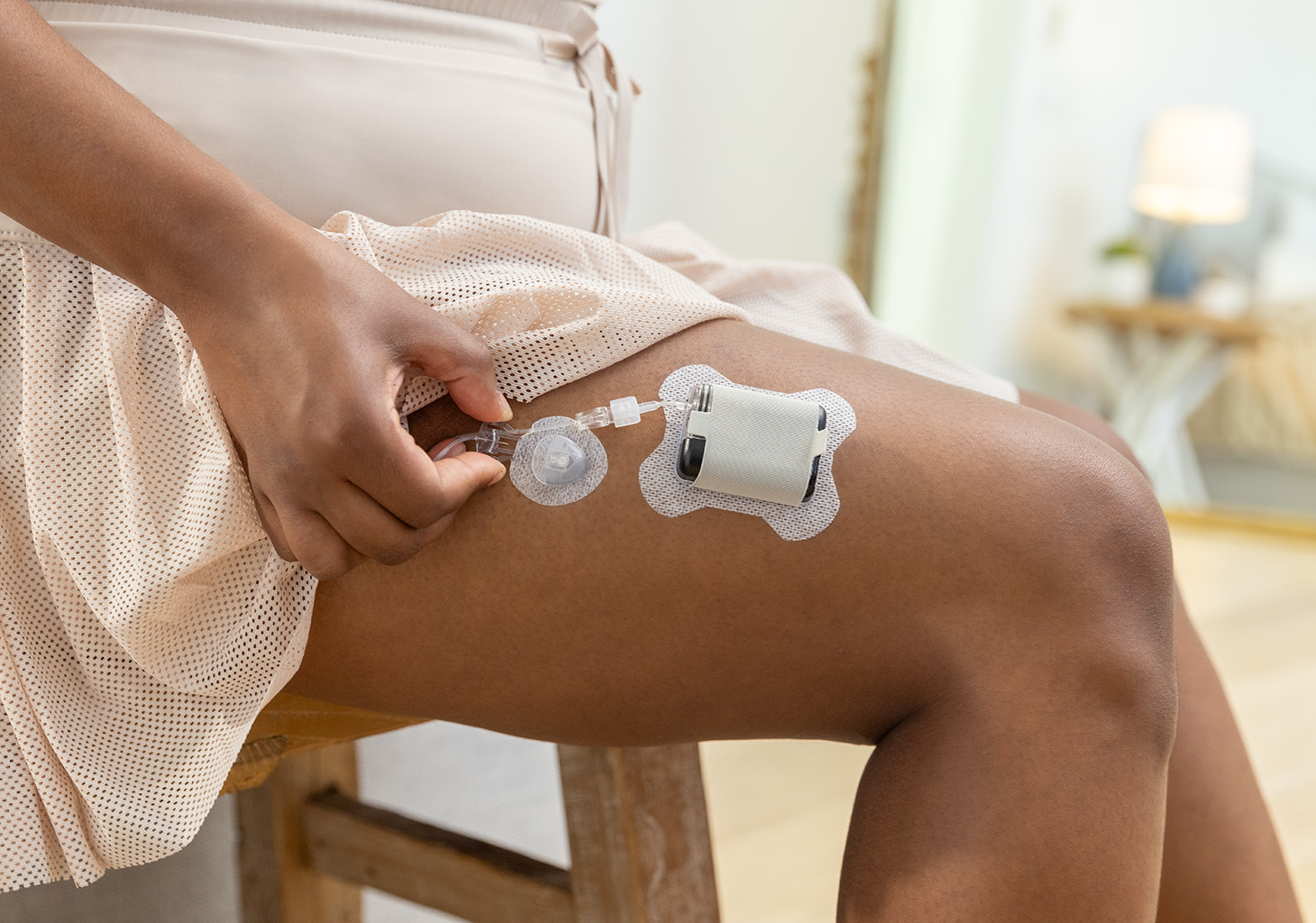
Upper thighs
Back of the upper arms (when appropriate)
Rotating sites systematically helps maintain healthy tissue and more consistent insulin delivery.
How Active Lifestyles Affect Infusion Set Choice
Highly active individuals, athletes, and children may have different needs.
For physically active users, important features include:
Strong adhesive
Flexible tubing
Secure cannula placement
Low-profile design
Resistance to accidental dislodgement
People participating in contact sports or intense exercise may benefit from additional adhesive patches or over-tape for extra security.
Signs That Your Infusion Set May Not Be Working Properly
Watch for signs such as:
Persistent unexplained high blood glucose
Frequent occlusion alarms
Insulin leaking around the insertion site
Redness, swelling, or pain
Loose adhesive
Blood visible in the cannula or tubing
Repeated correction doses with little effect
If these occur, replacing the infusion set promptly can often resolve the issue.
Questions to Ask Before Choosing an Infusion Set
Before selecting an infusion set, consider the following:
Am I lean or do I have more subcutaneous fat?
How physically active am I?
Do I prefer automatic or manual insertion?
Have I experienced cannula kinking before?
Do I have sensitive skin?
Which insertion sites are most comfortable for me?
What tubing length best fits my daily routine?
Working with your diabetes care team can help identify the most suitable option through trial and adjustment.
Final Thoughts
An insulin pump infusion set is much more than a simple accessory—it is a critical part of successful insulin pump therapy.
The right infusion set can improve insulin absorption, increase comfort, reduce complications, and support more stable glucose management.
Since no single infusion set is ideal for everyone, factors such as body type, age, activity level, skin sensitivity, and personal preference should all be considered.
With guidance from a diabetes care team and a willingness to try different options when necessary, most users can find an infusion set that fits their lifestyle and helps them get the most out of insulin pump therapy.
Common Problems with Insulin Pump Infusion Sets and How to Prevent Them
Even with the best insulin pump and a well-chosen infusion set, occasional problems can occur.
Recognizing these issues early and knowing how to prevent them can reduce interruptions in insulin delivery and help maintain stable blood glucose levels.
Cannula Kinking
One of the most common problems with soft cannula infusion sets is cannula kinking. This happens when the flexible catheter bends under the skin, blocking or reducing insulin flow.
Signs of a Kinked Cannula
Unexpected high blood glucose levels
Pump occlusion alarms
Ketone development despite correction doses
Little or no improvement after insulin boluses
Prevention Tips
Use the correct insertion angle recommended for your infusion set.
Avoid inserting into scar tissue or hardened areas.
Replace the infusion set if blood glucose remains elevated without another explanation.
Consider switching to a steel needle infusion set if kinking occurs frequently.
Infusion Site Infections
Although uncommon, infections can develop if infusion sites are not cared for properly.
Symptoms
Redness that spreads beyond the adhesive
Swelling
Warmth around the insertion site
Pain or tenderness
Pus or drainage
Fever (in severe cases)
Prevention
Wash your hands thoroughly before changing the infusion set.
Clean the skin with an appropriate antiseptic.
Allow the skin to dry completely before insertion.
Change the infusion set according to manufacturer recommendations.
Avoid touching the insertion needle or cannula.
If signs of infection develop, remove the infusion set immediately and contact your healthcare provider.
Adhesive Problems
Sweating, swimming, hot weather, or oily skin may cause the adhesive to loosen.
Helpful Solutions
Clean the skin thoroughly before application.
Avoid lotions or creams on the insertion site.
Use adhesive barrier wipes if recommended.
Apply medical over-tape for additional support.
Choose infusion sets with stronger adhesives if needed.
Many athletes and active children successfully use additional adhesive patches to keep infusion sets secure during sports.
Lipohypertrophy
Repeated insulin delivery into the same area may cause fatty lumps beneath the skin, known as lipohypertrophy.
These areas often:
Feel firm or rubbery
Absorb insulin unpredictably
Cause unexpected glucose fluctuations
Prevention
Develop a rotation schedule for infusion sites. Move each new infusion set at least one inch away from the previous location and rotate among different body regions.
Air Bubbles in the Tubing
Small air bubbles may occasionally appear inside the tubing.
Large bubbles can affect insulin delivery, especially in people with low daily insulin requirements.
To Reduce Air Bubbles
Fill the reservoir slowly.
Use insulin that has reached room temperature.
Tap the reservoir gently to release trapped air before connecting the tubing.
Prime the tubing according to the pump manufacturer’s instructions.
Occlusion Alarms
Modern insulin pumps monitor insulin flow and alert users when a blockage occurs.
Possible causes include:
Kinked cannula
Bent tubing
Air bubbles
Crystallized insulin
Blocked infusion site
If an occlusion alarm occurs repeatedly, replacing the entire infusion set is often the safest solution.
Choosing an Infusion Set for Different Age Groups
Infants and Young Children
Children generally benefit from infusion sets that offer:
Soft cannulas
Short cannula lengths
Automatic insertion devices
Strong adhesives
Flexible tubing
Parents should inspect infusion sites daily since young children may not recognize early problems.
Teenagers
Teenagers often participate in sports and other physical activities.
Important features include:
Secure adhesion
Low-profile design
Comfortable movement
Quick insertion
Easy replacement
Giving teenagers some independence in changing their infusion sets can also improve confidence and self-management skills.
Adults
Adults often prioritize convenience and reliability.
Many choose infusion sets based on:
Occupation
Exercise habits
Clothing preferences
Comfort while sleeping
Previous experience
Some adults prefer angled infusion sets, while others achieve excellent results with straight-insertion models.
Older Adults
Older adults may benefit from infusion sets that are:
Easy to insert
Comfortable for aging skin
Compatible with automatic inserters
Simple to replace
Caregivers can also assist with infusion set changes when needed.
Traveling with Infusion Sets
When traveling, always pack more infusion sets than you expect to need.
A good rule is to bring at least twice the number required for your trip.
Travel supplies should include:
Extra infusion sets
Additional insulin reservoirs or cartridges
Insulin
Alcohol wipes
Adhesive patches
Backup insulin pens or syringes
Extra batteries or charging equipment if required
Keep diabetes supplies in your carry-on luggage when flying to avoid temperature extremes and lost baggage.
When Should You Change an Infusion Set Early?
Do not wait for the scheduled replacement if you notice:
Persistent high blood glucose
Pain during insulin delivery
Loose adhesive
Bleeding at the insertion site
Bent tubing
Occlusion alarms
Signs of infection
Insulin leaking around the cannula
Changing the infusion set promptly can prevent diabetic ketoacidosis (DKA) and improve glucose control.
Final Takeaway
An infusion set plays a central role in successful insulin pump therapy.
Even the most advanced insulin pump cannot perform effectively if insulin is not delivered reliably.
Learning proper insertion techniques, rotating infusion sites, recognizing early warning signs, and replacing infusion sets on schedule can significantly improve treatment outcomes.
Because comfort and performance vary from person to person, finding the ideal infusion set may involve trying different cannula types, insertion angles, and tubing lengths under the guidance of a diabetes care team.
With the right combination, users can enjoy more consistent insulin delivery, greater confidence in pump therapy, and better long-term diabetes management.
Frequently Asked Questions (FAQs) About Insulin Pump Infusion Sets
Choosing and using an insulin pump infusion set often raises questions, especially for new pump users and parents of children with diabetes.
The following frequently asked questions address some of the most common concerns and provide practical guidance for safe and effective insulin pump therapy.
How Often Should an Infusion Set Be Changed?
Most infusion sets should be replaced every 2 to 3 days, although some steel needle infusion sets are recommended to be changed every 48 hours.
Following the manufacturer’s recommendations helps reduce the risk of infection, tissue irritation, insulin absorption problems, and infusion set failure.
Delaying infusion set changes may increase the likelihood of high blood glucose levels, occlusions, and skin complications.
Can I Leave an Infusion Set in Longer Than Recommended?
Although it may be tempting to extend wear time to save supplies, doing so is generally not recommended.
Leaving an infusion set in place for too long can lead to:
Reduced insulin absorption
Increased skin irritation
Higher infection risk
Occlusion alarms
Unexpected hyperglycemia
Greater risk of diabetic ketoacidosis (DKA)
Always follow the replacement schedule recommended by your healthcare provider and the infusion set manufacturer.
Does Inserting an Infusion Set Hurt?
Most users describe infusion set insertion as causing only mild discomfort that lasts a few seconds.
Several factors influence comfort, including:
Individual pain sensitivity
Cannula type
Needle size
Insertion technique
Body location
Automatic versus manual insertion
Many people find that using an automatic insertion device makes the process faster and less intimidating.
Which Body Areas Are Best for Infusion Sets?
Recommended infusion sites typically include:
Abdomen
Upper buttocks
Outer thighs
Back of the upper arms (when appropriate)
The abdomen is often preferred because it usually provides consistent insulin absorption.
Avoid placing infusion sets over:
Scar tissue
Bruises
Stretch marks
Moles
Areas with lipohypertrophy
Sites that will be compressed by belts or tight clothing
Can I Sleep on My Infusion Set?
Yes. Most people sleep comfortably while wearing an infusion set.
If sleeping directly on the infusion site causes discomfort or affects insulin delivery, consider placing the next infusion set in a different location or choosing an alternate sleeping position.
Low-profile infusion sets may also improve comfort during sleep.
Can I Exercise While Wearing an Infusion Set?
Absolutely. Regular physical activity is encouraged for people using insulin pumps.
During exercise:
Check that the adhesive remains secure.
Protect the tubing from being pulled.
Monitor blood glucose before, during, and after activity.
Carry fast-acting carbohydrates for treating hypoglycemia.
Consider additional adhesive products for prolonged or intense workouts.
Athletes often work with their diabetes care team to adjust insulin settings for different types of exercise.
Is Swimming Safe with an Infusion Set?
Many infusion sets are designed to tolerate exposure to water, but the insulin pump itself may have different water-resistance ratings depending on the model.
Before swimming:
Verify your pump’s waterproof rating.
Check that the adhesive is secure.
Dry the infusion site thoroughly afterward.
Inspect the infusion set to ensure it has not loosened.
Always follow the manufacturer’s recommendations for both the pump and infusion set.
What Should I Do If My Blood Sugar Suddenly Rises?
Unexplained hyperglycemia may indicate an infusion set problem.
First, check for:
Loose adhesive
Kinked tubing
Air bubbles
Cannula displacement
Pump alarms
Empty insulin reservoir
If no obvious cause is found, replace the infusion set immediately and monitor blood glucose closely.
If blood glucose remains high or ketones are present, follow your healthcare provider’s sick-day management plan.
What If Blood Appears in the Cannula or Tubing?
Small amounts of blood may occasionally appear after insertion.
If insulin delivery continues normally and blood glucose remains stable, the infusion set may still function properly.
However, replace the infusion set if:
Blood blocks insulin flow.
Blood glucose rises unexpectedly.
Bleeding continues.
Pain develops at the insertion site.
How Can I Tell If Insulin Is Being Delivered Properly?
Signs that insulin delivery is working well include:
Stable glucose trends
Normal correction responses
No pump alarms
Comfortable infusion site
Secure adhesive
No leakage around the cannula
Regular blood glucose monitoring or continuous glucose monitoring (CGM) can help identify delivery problems early.
Can Children Change Their Own Infusion Sets?
Many children gradually learn to change infusion sets independently as they mature.
The appropriate age depends on factors such as:
Manual dexterity
Emotional readiness
Diabetes knowledge
Confidence
Family support
Parents and caregivers should supervise until the child demonstrates safe and consistent technique.
Are All Infusion Sets Compatible with Every Pump?
No. Compatibility varies among insulin pump manufacturers.
Before purchasing an infusion set, confirm that it is specifically designed for your pump model.
Using incompatible equipment may prevent proper insulin delivery or damage the pump connection.
Should I Carry Spare Infusion Sets Every Day?
Yes. Unexpected infusion set failures can happen anywhere.
A daily diabetes supply kit should include:
One or two spare infusion sets
Extra insulin
Backup insulin delivery method (pen or syringe)
Alcohol wipes
Extra reservoir or cartridge
Adhesive patches
Blood glucose meter and supplies (if not using CGM)
Being prepared can prevent treatment interruptions and reduce the risk of severe hyperglycemia.
Conclusion
Insulin pump infusion sets are a small but essential part of successful diabetes management.
Selecting the right type, changing it on schedule, rotating insertion sites, and recognizing potential problems early can significantly improve insulin absorption and overall glucose control.
While finding the ideal infusion set may require some trial and error, working closely with your diabetes care team can help identify the option that best matches your body type, lifestyle, and treatment goals.
With proper care and consistent use, the right infusion set can make insulin pump therapy more comfortable, reliable, and effective for people of all ages.