

Insulin Pump or Daily Injections? Real Experiences of Families Living with Childhood Diabetes
When a child is diagnosed with diabetes, one of the biggest decisions families face is how insulin will be delivered every day. For many parents, the question becomes deeply personal and emotional:
*Should we choose an insulin pump or continue with daily insulin injections?*
Both methods can successfully manage diabetes, and both have helped millions of children live healthy and active lives. However, real-life experiences from families show that the choice is rarely simple. Every child is different, every family has unique routines, and what works perfectly for one child may feel overwhelming for another.
Some families describe insulin pumps as life-changing technology that gave them freedom and peace of mind. Others feel more comfortable with daily injections because they are simpler, less expensive, and easier to manage.
This article explores the real experiences, emotions, challenges, and practical realities families face when choosing between insulin pumps and multiple daily injections (MDI).
Understanding the Two Main Methods
Multiple Daily Injections (MDI)
Daily injection therapy usually involves:
* Long-acting insulin once or twice daily
* Rapid-acting insulin before meals and corrections
Children using injections may receive insulin through:
* Syringes
* Insulin pens
This approach has been used successfully for decades.
Insulin Pump Therapy
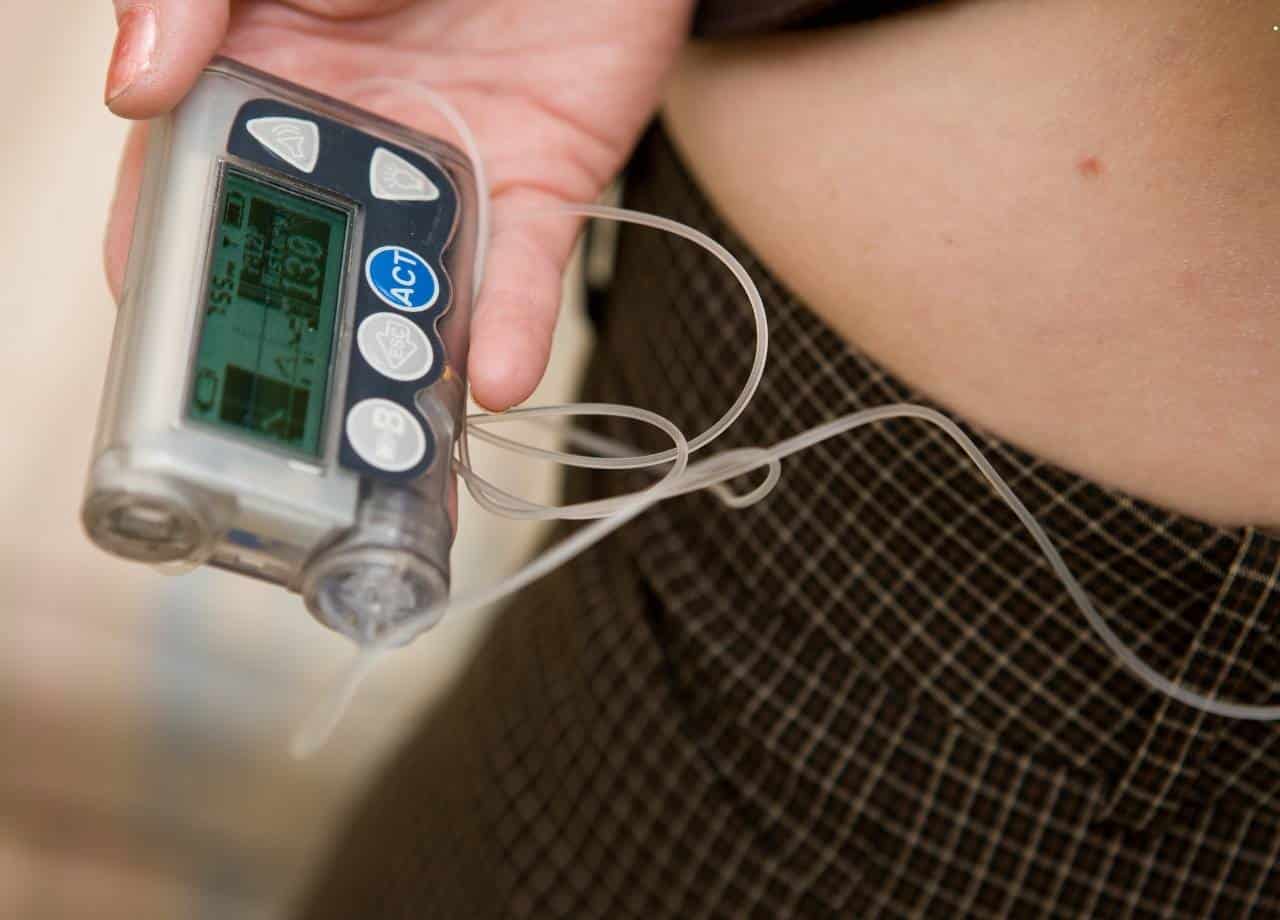
An insulin pump is a small computerized device that delivers rapid-acting insulin continuously through a tiny tube or patch attached to the skin.
Popular pump manufacturers include companies such as Medtronic, Insulet, and Tandem Diabetes Care.
Pumps provide:
* Basal insulin continuously
* Meal boluses
* Correction doses
Many modern pumps now integrate with Continuous Glucose Monitoring (CGM) systems.
The Emotional Reality After Diagnosis
For many parents, the first weeks after diagnosis are filled with fear, confusion, and exhaustion.
Families often describe:
* Sleepless nights
* Constant glucose checks
* Fear of hypoglycemia
* Anxiety about insulin dosing
* Emotional burnout
At this stage, choosing between injections and a pump can feel overwhelming.
Some families prefer starting with injections because they want to learn the basics of diabetes first before adding technology.
Others want a pump immediately because they hope it will make diabetes management easier.
Real Experiences with Daily Injections
“It Helped Us Understand Diabetes First”
Many parents report that injections taught them the foundations of diabetes care.
Families often say:
* They learned carbohydrate counting more carefully
* They understood insulin timing better
* They became more confident managing highs and lows manually
Some healthcare teams intentionally recommend injections first for educational reasons.
“It Was Simpler Than We Expected”
Some families initially fear injections intensely, especially with young children.
However, many later describe injections as:
* Fast
* Predictable
* Easy to carry
* Less technically complicated
Insulin pens especially improved convenience for many families.
Parents often say they appreciated:
* No charging devices
* No software updates
* No tubing problems
* Fewer technical alarms
“But the Constant Shots Were Hard”
Even families satisfied with injections often describe emotional challenges.
Children may struggle with:
* Fear of needles
* Injection fatigue
* Bruising
* Pain
* Feeling different from other children
Some parents describe mealtimes becoming stressful because every snack required another injection decision.
Real Experiences with Insulin Pumps
“The Pump Changed Our Lives”
Many families describe pump therapy as a major turning point.
Parents frequently report:
* Better overnight glucose control
* More flexible meal schedules
* Reduced severe hypoglycemia
* Improved HbA1c
* Less stress around eating
Some families say the pump helped their child feel more “normal.”

Flexibility with Food and Daily Life
One of the biggest advantages families mention is flexibility.
With injections, meal timing may feel more rigid.
Pump users often appreciate:
* Easier snack coverage
* More flexible sleep schedules
* Simpler correction dosing
* Adjustable basal rates during illness or sports
This flexibility can be especially important for:
* Toddlers with unpredictable eating
* Teenagers with irregular routines
* Active children involved in sports
The Nighttime Experience
Many parents fear nighttime hypoglycemia more than anything else.
Families using pumps combined with CGM systems often describe dramatic improvements in sleep quality.
Some advanced systems can:
* Reduce insulin automatically during lows
* Increase insulin during highs
* Alert parents overnight
Parents frequently say:
> “For the first time since diagnosis, we slept.”
Challenges Families Face with Insulin Pumps
Despite many benefits, pump therapy is not always easy.
Device Attachment
Some children dislike wearing a device continuously.
Common complaints include:
* Feeling attached to technology 24/7
* Discomfort during sleep
* Visible devices under clothing
* Body image concerns
Teenagers especially may become frustrated with constant device wear.
Site Changes
Pump infusion sets usually require replacement every few days.
Families often describe:
* Resistance during site changes
* Skin irritation
* Adhesive problems
* Fear of insertion devices
For some children, infusion set changes feel emotionally similar to injections.
Technical Problems
Pumps are highly advanced machines, but they can malfunction.
Families sometimes experience:
* Occlusions
* Air bubbles
* Infusion failures
* Battery problems
* Software errors
Because pumps use only rapid-acting insulin, interrupted insulin delivery can lead to high glucose and ketone buildup relatively quickly.
This can create anxiety for some parents.
Sports and Physical Activity
Physical activity affects diabetes management regardless of insulin method.
Experiences with Injections
Some families feel injections are easier during sports because:
* No device is attached
* There is no tubing
* Less worry about equipment damage
However, adjusting insulin for exercise may be less flexible.
Experiences with Pumps
Pump users often appreciate the ability to:
* Reduce basal insulin temporarily
* Suspend insulin delivery
* Adjust insulin quickly for activity
But athletes sometimes struggle with:
* Pump disconnection
* Device security during contact sports
* Sweat affecting adhesives
Some children remove pumps temporarily during activities such as swimming or gymnastics.
School Experiences
School management is a major concern for parents.
Injections at School
Children using injections may need:
* Visits to the nurse’s office
* Help with insulin dosing
* Privacy during injections
Some children feel embarrassed giving injections around classmates.
Pumps at School
Pumps may allow:
* Faster dosing
* More discreet insulin delivery
* Easier correction dosing
However, schools sometimes require additional staff training to manage pump systems safely.
Teenagers and Independence
Teen years are often difficult in diabetes care.
Many parents describe conflicts around:
* Missed insulin doses
* Device alarms
* Diabetes burnout
* Desire for independence
Teen Experiences with Pumps
Some teenagers love pump technology because it offers:
* Flexibility
* Fewer injections
* Easier social management
Others become frustrated by:
* Constant alerts
* Wearing visible devices
* Technology fatigue
Interestingly, some teens switch back from pumps to injections because they want a temporary break from being attached to devices.
Financial Considerations
Cost is one of the biggest factors influencing treatment choices.
Injection Costs
Daily injections are generally less expensive than pump therapy.
Families may still face costs for:
* Insulin pens or syringes
* Test strips
* Needles
* Glucose monitoring supplies
Pump Costs
Pump therapy can be significantly more expensive due to:
* Device purchase
* Monthly infusion supplies
* Sensors
* Adhesives
* Insurance limitations
Some families report financial stress related to maintaining pump supplies.
Which Method Provides Better Glucose Control?
Research often shows that pump therapy may improve:
* HbA1c
* Time in range
* Overnight glucose stability
However, real-world family experiences reveal an important truth:
Technology alone does not guarantee good diabetes control.
Successful management depends heavily on:
* Education
* Consistency
* Family support
* Monitoring habits
* Emotional health
Some children achieve excellent control with injections, while others thrive on pumps.
The Importance of Family Lifestyle
Many diabetes specialists emphasize choosing the method that best fits the family’s daily life.
Some families prefer:
* Simplicity
* Minimal technology
* Predictable routines
Others value:
* Flexibility
* Data tracking
* Automation
* Remote monitoring
There is no universal “best” choice.
Parents’ Emotional Experiences
Parents often carry an invisible emotional burden.
Common feelings include:
* Fear
* Guilt
* Exhaustion
* Hypervigilance
* Anxiety about nighttime lows
Many parents say both injections and pumps become easier with time as confidence grows.
One common theme among families is this:
> “The beginning was the hardest part.”
What Many Families Wish They Knew Earlier
Families frequently report several lessons learned over time:
1. Perfection Is Impossible
Even with advanced technology, glucose levels will not always be perfect.
2. Every Child Is Different
A method that works wonderfully for one child may not suit another.
3. Technology Is a Tool, Not a Cure
Pumps and CGMs help greatly, but diabetes management still requires daily attention.
4. Emotional Health Matters
Mental and emotional support are just as important as insulin dosing.
Can Families Switch Methods Later?
Absolutely.
Many families transition:
* From injections to pumps
* From pumps back to injections
* Between different pump systems
Diabetes management is flexible, and treatment plans can evolve over time.
Final Thoughts
The choice between insulin pumps and daily injections is deeply personal.
Daily injections offer:
* Simplicity
* Lower cost
* Less technology dependence
* Reliable insulin delivery
Insulin pumps offer:
* Flexibility
* Precision dosing
* Easier adjustments
* Integration with modern diabetes technology
Real family experiences show that there is no single “correct” answer. What matters most is finding the approach that helps the child feel safe, supported, healthy, and emotionally comfortable.
For many families, the journey involves trial and adjustment over time. As children grow and circumstances change, diabetes management may evolve as well.
In the end, both injections and pumps can help children with diabetes live full, active, and successful lives when supported by education, medical care, and compassionate family support.
Everyday Life with Diabetes Technology: What Families Often Experience After the First Year
The first year after a child’s diabetes diagnosis is often filled with fear, confusion, and constant learning. But after the initial crisis passes, many families begin discovering a different reality — diabetes becomes part of everyday life.
Whether a child uses an insulin pump or daily injections, families gradually develop routines, emotional coping strategies, and personal preferences. Over time, parents often realize that diabetes management is not only about numbers and insulin doses. It is also about sleep, school, friendships, sports, vacations, emotions, and family balance.
Real family experiences show that life with diabetes changes continuously as children grow older.
The First Months: Survival Mode
Many parents describe the early months after diagnosis as “survival mode.”
Families suddenly need to learn:
Carbohydrate counting
Insulin dosing
Hypoglycemia treatment
Ketone monitoring
Nighttime glucose management
At first, many parents feel terrified of making mistakes.
Common fears include:
Giving too much insulin
Missing signs of low blood sugar
Managing diabetes during illness
Sending the child to school
Sleeping through nighttime hypoglycemia
During this stage, some families feel more comfortable with injections because they seem simpler and less overwhelming.
Others quickly move toward insulin pumps because they hope technology will reduce stress.
How Family Routines Begin to Change
Over time, diabetes becomes woven into ordinary family routines.
Families begin adjusting:
Meal planning
Sleep schedules
Travel preparation
Exercise habits
School communication
Parents often describe becoming highly organized.
Many carry diabetes supply bags containing:
Glucose tablets
Snacks
Insulin
Backup infusion sets
Glucose meters
Ketone strips
Emergency glucagon
Regardless of insulin method, preparation becomes part of daily life.
Real Experiences During Mealtimes
Food becomes one of the most emotionally complicated parts of diabetes management.
Families Using Daily Injections
Parents using injections sometimes describe meal schedules as more structured.
Challenges may include:
Timing insulin before meals
Predicting how much a child will eat
Handling picky eating
Managing snacks
Parents of toddlers especially struggle because young children may suddenly refuse food after insulin has already been given.
This can create stressful situations involving:
Juice
Emergency snacks
Fear of hypoglycemia
Families Using Insulin Pumps
Pump users often describe greater flexibility around eating.
Families appreciate:
Smaller correction doses
Easier snack coverage
Ability to extend boluses for difficult meals
More flexible meal timing
However, pumps do not completely eliminate food-related stress.
Parents still face challenges such as:
Counting carbohydrates accurately
Managing high-fat meals
Handling birthday parties and holidays
Birthday Parties and Social Events
Many parents describe social situations as emotionally difficult in the beginning.
Children with diabetes may feel different during:
Birthday parties
School celebrations
Sleepovers
Sports events
Parents often worry about:
Sugar intake
Missed insulin doses
Hypoglycemia
Other adults supervising the child
Real Experiences with Sleepovers
Sleepovers can be emotionally challenging for both parents and children.
Parents’ Fears
Parents commonly worry about:
Overnight lows
Whether another adult understands diabetes
Missed alarms
Emergency situations
Some families delay sleepovers for years after diagnosis.
How Technology Changes Sleepovers
CGM systems combined with insulin pumps have made sleepovers easier for some families.
Remote monitoring allows parents to:
Watch glucose trends overnight
Contact supervising adults if needed
Feel more comfortable allowing independence
Still, many parents say emotional anxiety remains strong even with technology.
Traveling with Diabetes
Travel requires careful preparation regardless of insulin method.
Families often carry:
Extra insulin
Backup supplies
Emergency prescriptions
Snacks
Batteries and chargers
Pump Travel Challenges
Families using pumps may worry about:
Airport security
Device charging
Infusion set failures
Adhesives in hot climates
Some parents carry backup insulin pens in case the pump fails during travel.
Injection Travel Experiences
Families using injections sometimes feel travel is simpler because:
Fewer electronic devices are involved
Less equipment may be required
No concerns about pump malfunctions
However, insulin timing changes across time zones can still create challenges.
School and Teacher Relationships
Many families say school communication becomes one of the most important parts of diabetes management.
Parents often spend significant time:
Training teachers
Explaining hypoglycemia symptoms
Coordinating lunch plans
Updating emergency forms
Some families feel highly supported by schools.
Others report:
Lack of staff education
Fear from school personnel
Difficulty obtaining accommodations
Children’s Emotional Experiences
Children living with diabetes may experience emotions that adults do not always notice immediately.
Common feelings include:
Frustration
Anger
Embarrassment
Anxiety
Burnout
Some children become tired of:
Wearing devices
Fingersticks
Counting carbohydrates
Answering questions from classmates
Parents often describe emotional ups and downs that change with age.