
How to Store Insulin at High and Low Temperatures
Insulin is a life-saving medication for people with diabetes, but it is also highly sensitive to temperature.
Exposure to excessive heat or freezing temperatures can reduce its effectiveness, making blood glucose management more difficult and increasing the risk of serious complications.
Whether you are at home, traveling, or spending time outdoors, understanding how to store insulin properly is essential for maintaining its safety and potency.
This guide explains how temperature affects insulin, the best storage practices in different environments, and practical tips for protecting insulin in both hot and cold weather.
Why Proper Insulin Storage Matters
Insulin is a protein-based medication that can lose its structure when exposed to extreme temperatures. Once damaged, insulin may not work as intended, even if it looks normal.
Using ineffective insulin can lead to:
Persistent high blood glucose levels
Difficulty controlling diabetes
Increased risk of diabetic ketoacidosis (DKA) in people with type 1 diabetes
Unnecessary insulin dose adjustments
Medical emergencies requiring hospitalization
Proper storage helps ensure that insulin remains safe and effective until its expiration date or recommended period of use.
Ideal Temperature for Insulin Storage
Unopened insulin should generally be stored in a refrigerator at temperatures between 2°C and 8°C (36°F to 46°F).
Once opened, many insulin products can be kept at room temperature—typically between 15°C and 30°C (59°F to 86°F)—for a limited period, depending on the manufacturer’s instructions.
Because storage recommendations vary among insulin brands and delivery devices (vials, pens, or cartridges), always read the product information provided with your insulin.
What Happens If Insulin Gets Too Hot?
Heat is one of the most common causes of insulin damage, especially during summer travel or outdoor activities.
High temperatures can cause insulin to:
Break down more quickly
Lose its glucose-lowering effectiveness
Become less predictable in action
Shorten its usable lifespan
Insulin should never be left in places where temperatures can rise rapidly, such as:
Parked cars
Direct sunlight
Near heaters or radiators
On windowsills
Inside beach bags exposed to the sun
Even a short period in extreme heat may affect insulin quality.
How to Protect Insulin in Hot Weather
During warm weather, take extra precautions to keep insulin within a safe temperature range.
Helpful strategies include:
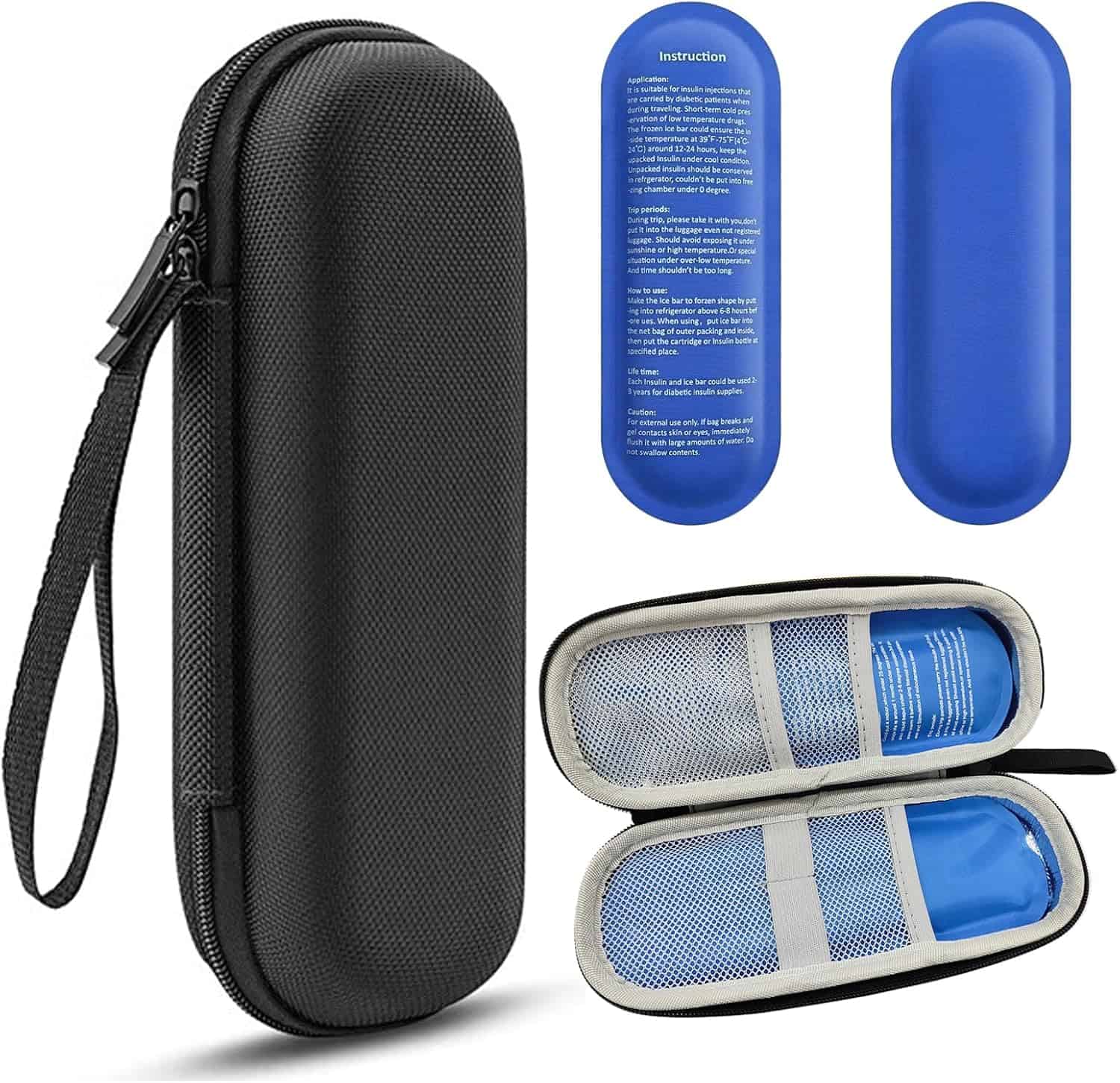
Store insulin in an insulated medical travel case.
Keep insulin in the shade whenever possible.
Avoid leaving it inside vehicles.
Carry insulin in a hand bag rather than checked luggage when flying.
Use evaporative cooling pouches designed for insulin if refrigeration is unavailable.
Keep insulin away from direct contact with ice packs to prevent freezing.
If you are hiking, camping, or spending the day outdoors, check insulin regularly and keep it protected from prolonged heat exposure.
What Happens If Insulin Freezes?
Freezing can permanently damage insulin.
When insulin freezes:
Its protein structure changes.
It may no longer lower blood glucose effectively.
It should not be used, even after thawing.
Insulin may accidentally freeze if:
Stored in the freezer
Placed directly against freezer packs
Left inside a vehicle during winter
Stored too close to the cooling element inside a refrigerator
If you suspect insulin has frozen, it should be discarded according to your healthcare provider’s recommendations or local disposal guidelines.
Protecting Insulin in Cold Weather
Winter travel and outdoor activities require special attention.
To protect insulin from freezing:
Carry it close to your body inside an inner jacket pocket.
Use insulated protective cases.
Avoid leaving insulin in cold vehicles overnight.
Prevent direct contact with frozen gel packs.
Keep insulin inside heated indoor spaces whenever possible.
Body heat is often enough to keep insulin within a safe temperature range during short periods outdoors.
Refrigerating Insulin at Home
Most unopened insulin should be stored in the refrigerator.
For best results:
Keep insulin in its original packaging.
Store it in the main compartment rather than the refrigerator door.
Avoid placing it near the back wall, where temperatures may become cold enough to freeze.
Do not store insulin near the freezer compartment.
Using a refrigerator thermometer can help ensure consistent storage temperatures.
Storing Opened Insulin
Many insulin products remain stable at room temperature after opening, making daily use more comfortable and reducing discomfort during injections.
However:
Avoid exposing opened insulin to excessive heat.
Keep the cap securely attached to insulin pens.
Store insulin away from direct sunlight.
Follow the manufacturer’s recommended time limits for opened products.
Discard insulin after the recommended in-use period, even if some remains.
Traveling with Insulin
Travel presents additional challenges for insulin storage.
When traveling:
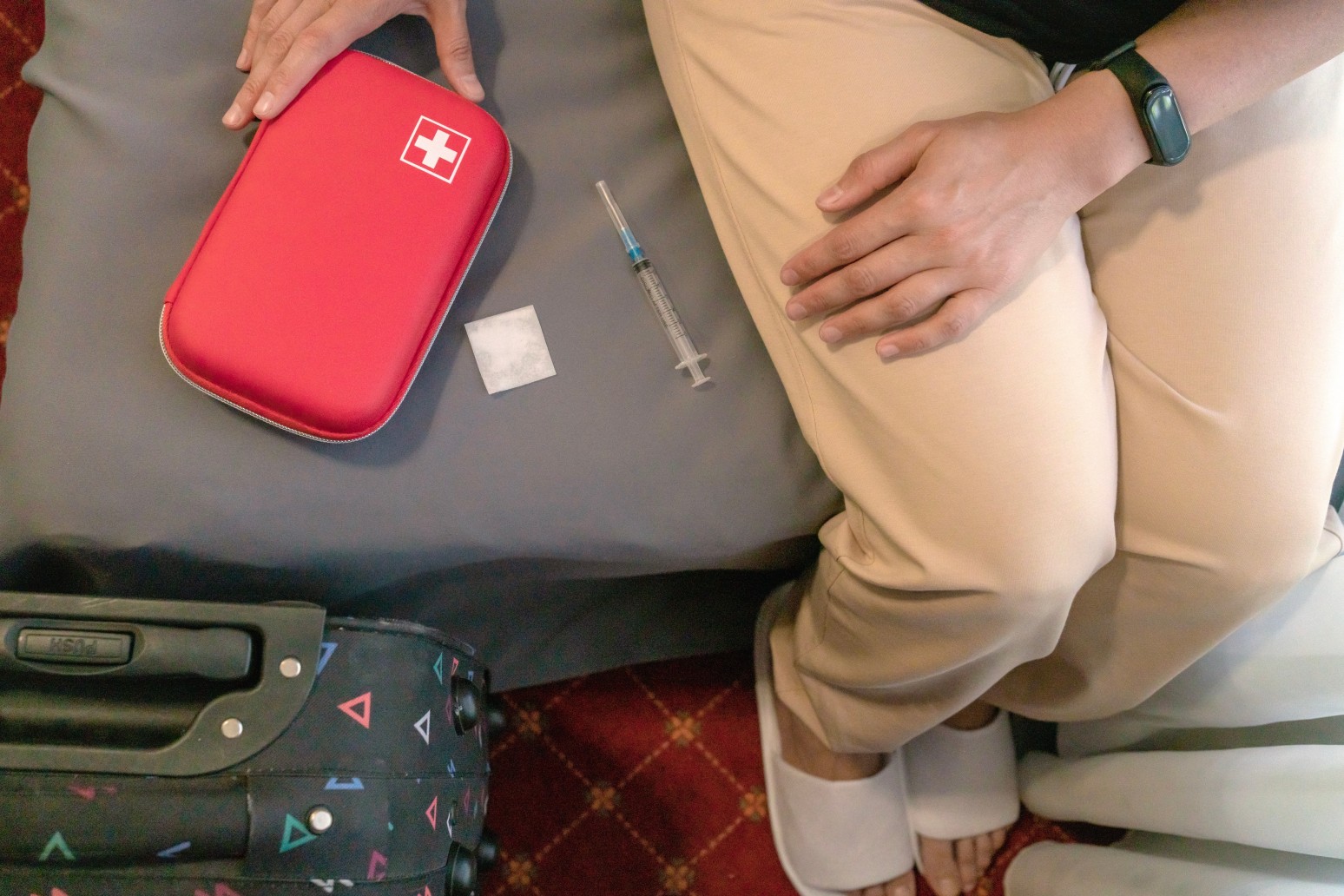
Carry insulin in your hand luggage.
Bring more insulin than you expect to need.
Use insulated travel cases during long journeys.
Avoid storing insulin in checked baggage due to temperature extremes.
Monitor environmental temperatures throughout your trip.
If traveling internationally, research climate conditions before departure and prepare accordingly.
Insulin Storage During Air Travel
Air travel introduces unique storage considerations.
Cabin temperatures are generally safe for insulin carried in hand luggage.
However:
Never place insulin in checked baggage.
Keep supplies easily accessible.
Protect insulin from direct sunlight while waiting at airports.
Carry a medical letter if required by airport security.
Maintaining control over your insulin throughout the journey reduces the risk of accidental damage.
Signs That Insulin May Be Damaged
Sometimes damaged insulin shows visible changes, but not always.
Possible warning signs include:
Cloudiness in insulin that should be clear
Clumping or particles
Frost crystals
Color changes
Thick or stringy appearance
Unexpectedly high blood glucose despite correct dosing
If insulin appears unusual or blood glucose levels become consistently difficult to control without another explanation, consult your healthcare provider and consider replacing the insulin.
Special Considerations for Insulin Pumps
People using insulin pumps should remember that insulin remains inside the pump reservoir for several days.
In hot weather:
Avoid exposing the pump to prolonged sunlight.
Cover the pump when outdoors.
Replace insulin if excessive heat exposure is suspected.
Follow manufacturer recommendations for reservoir replacement.
During winter:
Keep the pump protected under clothing when possible.
Prevent tubing and reservoirs from freezing.
Inspect insulin regularly during extended outdoor activities.
Because pump users rely solely on rapid-acting insulin, maintaining insulin quality is especially important.
Emergency Situations
If you believe insulin has been exposed to unsafe temperatures and you have no replacement available:
Monitor blood glucose more frequently.
Check for ketones if blood glucose remains elevated.
Contact your healthcare provider for advice.
Obtain replacement insulin as soon as possible.
Do not assume insulin is effective if blood glucose levels remain unexpectedly high after correction doses.
Common Mistakes to Avoid
Many insulin storage problems are preventable.
Avoid these common mistakes:
Leaving insulin in a parked car
Placing insulin directly on ice packs
Freezing insulin accidentally in the refrigerator
Storing insulin in direct sunlight
Using expired insulin
Ignoring unusual changes in insulin appearance
Assuming all insulin products have identical storage requirements
Small precautions can significantly improve insulin safety.
Frequently Asked Questions
Can insulin be stored at room temperature?
Yes. Most opened insulin products can be stored at room temperature for a specified period, but storage recommendations vary by product. Always follow the manufacturer’s instructions.
Is refrigerated insulin painful to inject?
Some people find cold insulin less comfortable to inject. Allowing insulin to reach room temperature before use may improve comfort, provided it has been stored safely.
Can insulin recover after freezing?
No. Frozen insulin should not be used, even if it appears normal after thawing.
Can insulin be used after being left in a hot car?
Not reliably. Extreme heat may permanently reduce insulin effectiveness. If exposure is suspected, replace the insulin whenever possible.
Conclusion
Proper insulin storage is a critical part of effective diabetes management.
Protecting insulin from excessive heat and freezing temperatures helps preserve its potency, ensures predictable blood glucose control, and reduces the risk of serious complications.
Whether at home, traveling, or spending time outdoors, simple precautions—such as using insulated storage, avoiding direct sunlight, preventing freezing, and following manufacturer recommendations—can keep insulin safe and effective.
By understanding how temperature affects insulin and developing good storage habits, individuals with diabetes and their families can confidently manage treatment in every season and every environment.
Practical Insulin Storage Tips for Everyday Life
Proper insulin storage is not only important during travel or extreme weather—it also plays a vital role in everyday diabetes management. Developing good storage habits can help preserve insulin quality, reduce waste, and ensure consistent blood glucose control.
Storing Insulin at School
Children with diabetes spend many hours each day at school, making proper insulin storage an important responsibility for both families and school staff.
Parents should work with the school nurse or designated staff to ensure that insulin is:
Stored according to the manufacturer’s recommendations.
Kept away from direct sunlight and heat sources.
Easily accessible during emergencies.
Protected from accidental freezing in staff refrigerators.
Clearly labeled with the child’s name and expiration date.
Schools should also have a plan for handling insulin during field trips, sports activities, and emergency evacuations.
Insulin Storage at Work
Adults with diabetes should identify a safe location to store insulin while at work.
Suitable options include:
A desk drawer away from heat sources
A climate-controlled office
A workplace refrigerator (if appropriate)
An insulated medical pouch
Avoid storing insulin:
Near windows with direct sunlight
Inside vehicles during the workday
Next to office heaters
In shared refrigerators where freezing may occur
If using a workplace refrigerator, place insulin in a protective container and avoid storing it near the cooling vents.
Storing Insulin During Power Outages
Power outages can be challenging, especially during extreme weather.
If refrigeration is temporarily unavailable:
Keep refrigerator doors closed as much as possible.
Transfer insulin to an insulated cooler if necessary.
Monitor the temperature inside the cooler.
Prevent insulin from touching ice directly.
Replace cooling packs as needed.
Many unopened insulin products remain stable for a limited time outside the refrigerator, but storage limits depend on the specific product.
For prolonged power outages, contact your healthcare provider or local pharmacy for guidance.
Using Insulated Medical Travel Cases
Specialized insulated cases provide additional protection against temperature fluctuations.
These cases are particularly useful for:
Daily commuting
Long road trips
Outdoor activities
International travel
Camping
Beach vacations
Some cases use evaporative cooling technology, while others rely on insulated materials or reusable cooling packs.
Always follow the manufacturer’s instructions to ensure the case maintains a safe temperature without freezing the insulin.
Monitoring Storage Temperatures
Using a thermometer can help ensure insulin is stored within the recommended temperature range.
Temperature monitoring is especially valuable for:
Home refrigerators
Travel coolers
Portable medical cases
Vacation accommodations
Small digital thermometers are inexpensive and can help identify temperature problems before insulin is damaged.
Understanding Expiration Dates
Every insulin product has two important time limits:
Manufacturer expiration date (before opening)
In-use expiration period (after opening)
These are not the same.
Once opened, insulin should generally be discarded after the recommended number of days, even if some medication remains.
Using insulin beyond its recommended in-use period may reduce treatment effectiveness.
Keep Track of Opening Dates
A simple but effective habit is to write the opening date on:
Insulin pens
Vials
Cartridges
This helps prevent accidental use of insulin beyond its recommended storage period.
Many families also use smartphone reminders to track replacement dates.
Caring for Insulin During Sports
Exercise often exposes insulin to changing temperatures.
Children participating in:
Soccer
Baseball
Cycling
Running
Tennis
Outdoor camps
should keep insulin protected from direct sunlight whenever possible.
If insulin is not immediately needed during activity, storing it in an insulated pouch placed in the shade can help maintain an appropriate temperature.
Protecting Insulin During Winter Sports
Cold-weather sports require different precautions.
Families participating in:
Skiing
Snowboarding
Ice skating
Snowshoeing
should carry insulin close to the body to reduce the risk of freezing.
Insulin should never be left inside vehicles or outdoor equipment bags overnight during freezing weather.
Storage Tips for Insulin Pump Users
Pump users should pay attention not only to stored insulin but also to insulin inside the pump reservoir.
Recommendations include:
Replace insulin reservoirs according to manufacturer guidelines.
Avoid prolonged heat exposure.
Protect the pump during hot weather.
Change infusion sets regularly.
Inspect tubing for air bubbles or damage.
Replace insulin if contamination or overheating is suspected.
Because insulin remains in the pump for several days, environmental conditions may affect its stability.
How Altitude May Affect Diabetes Management
Although altitude does not typically damage insulin directly, high-altitude environments can influence diabetes management in other ways.
Potential effects include:
Changes in insulin sensitivity
Increased dehydration
Altered appetite
Increased physical exertion
Difficulty recognizing symptoms of hypoglycemia
Families traveling to mountainous regions should monitor blood glucose more frequently and stay well hydrated.
Frequently Overlooked Storage Risks
Many insulin storage problems occur in everyday situations that people rarely consider.
Examples include:
Leaving insulin in a backpack under direct sunlight.
Forgetting insulin in a parked car after shopping.
Placing insulin near heating vents in winter.
Carrying insulin in luggage stored on hot buses.
Storing insulin against frozen water bottles inside coolers.
Leaving insulin outdoors during camping trips.
Awareness of these situations helps prevent accidental damage.
Educating Caregivers
Anyone responsible for your child’s diabetes care should understand proper insulin storage.
This includes:
Grandparents
Babysitters
Teachers
School nurses
Sports coaches
Camp staff
Relatives
Basic education should include:
Safe temperature ranges
Signs of damaged insulin
Emergency contact information
Storage during outings
Transportation guidelines
Consistent education ensures that insulin remains safe regardless of who is caring for the child.
Building Good Storage Habits
Simple daily habits can significantly reduce the risk of insulin damage.
These include:
Checking expiration dates regularly.
Returning unopened insulin to the refrigerator promptly.
Keeping insulin away from direct sunlight.
Using protective travel cases during transport.
Monitoring refrigerator temperatures.
Replacing insulin if its appearance changes.
Following manufacturer instructions carefully.
Over time, these practices become part of a routine that supports safe and effective diabetes management.
Looking Ahead: Future Innovations in Insulin Stability
Researchers are actively working to develop insulin formulations that remain stable over a wider range of temperatures. These innovations could reduce the need for refrigeration and make diabetes management easier in regions with limited access to reliable electricity or refrigeration.
Areas of ongoing research include:
Heat-stable insulin formulations
Improved packaging materials
Advanced cooling technologies for transport
Smart insulin storage devices with temperature monitoring
Temperature-sensitive labels that indicate potential insulin damage
While these technologies continue to evolve, current insulin products still require careful temperature management to maintain their effectiveness.
Final Thoughts
Proper insulin storage is a simple yet essential aspect of diabetes care that directly affects treatment success.
Whether at home, at school, at work, or while traveling, protecting insulin from excessive heat, freezing temperatures, and improper handling helps ensure that it remains effective when it is needed most.
By understanding storage guidelines, preparing for changing weather conditions, and developing consistent daily habits, individuals with diabetes and their caregivers can safeguard the quality of their insulin and support more reliable blood glucose management.
As diabetes technology continues to advance, maintaining proper insulin storage remains one of the most practical and important steps toward safe, effective, and confident diabetes care.