
Preventing sudden drops in blood sugar (hypoglycemia) in children — whether they have diabetes or not — involves maintaining steady energy intake and balancing meals, activity, and sometimes medication. Here’s a structured guide:
1. Provide Regular, Balanced Meals and Snacks
Don’t skip meals. Skipping or delaying meals is a major cause of low blood sugar in kids.
Include all macronutrients: Combine complex carbohydrates, protein, and healthy fats in every meal or snack.
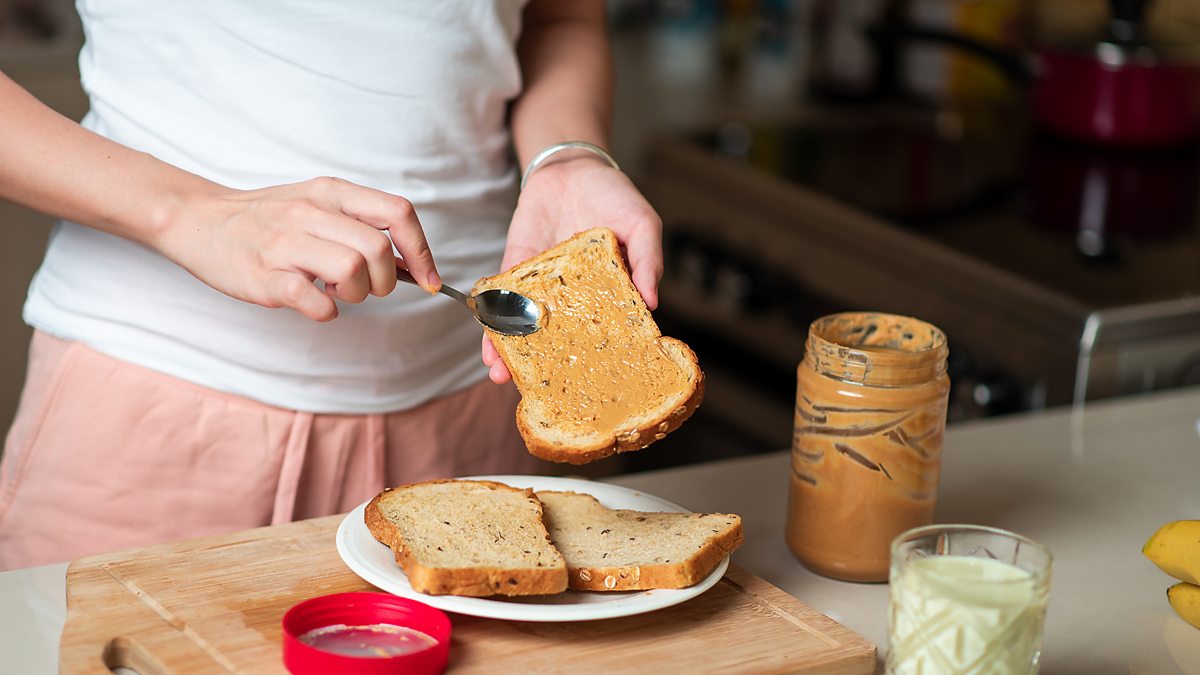
Example: Whole-grain toast with peanut butter, fruit with yogurt, or oatmeal with milk.
Use slow-digesting carbs (low glycemic index):
Such as oats, brown rice, sweet potatoes, lentils, and fruits like apples or berries — these release glucose gradually.
Offer healthy snacks between meals if the child is active or there’s a long gap between meals (e.g., mid-morning or mid-afternoon snack).
2. Watch Physical Activity
Give a snack before exercise (especially if longer than 30–60 minutes).
Example: A banana or granola bar before soccer practice.
Keep quick sugar on hand: Juice box, glucose tablets, or small candies in case symptoms appear (shakiness, sweating, irritability).
Encourage hydration, as dehydration can worsen symptoms.
3. Maintain a Consistent Eating Schedule
Keep meal and snack times consistent day to day to help the child’s body regulate glucose predictably.
Try not to go more than 3–4 hours without food.
4. Ensure Adequate Protein and Fiber
Protein and fiber slow glucose absorption and stabilize levels.
Good sources: Eggs, dairy, nuts, beans, vegetables, whole grains.
5. If the Child Has Diabetes
Monitor blood glucose regularly.
Adjust insulin or medication as advised by the healthcare team.
Review insulin timing and dose — too much insulin or a mismatch with meals is a common cause of lows.
Keep a bedtime snack if blood sugar tends to drop overnight.
6. Recognize Early Signs of Low Blood Sugar
Teach the child (and caregivers) to spot:
Shakiness, sweating, paleness
Irritability or sudden mood change
Hunger, dizziness, headache
Trouble concentrating or fatigue
Prompt treatment with 15 g of fast-acting carbs (juice, glucose tabs, or sugar water) is key.
7. Consult a Pediatrician or Nutritionist
If episodes happen often, a diet review and possibly blood tests (to rule out underlying metabolic or hormonal issues) are important.
Here’s a sample one-day meal plan designed to help prevent sudden blood sugar drops in children.
It’s balanced, nutrient-dense, and based on steady energy release throughout the day.
(You can adjust portions depending on age, activity level, and whether the child has diabetes.)
Breakfast
Goal: Start the day with slow-release carbs + protein + healthy fat.
Example:
1 bowl oatmeal made with milk
1 tablespoon nut butter (almond or peanut) stirred in
½ sliced banana or small apple
A sprinkle of cinnamon
A cup of water or milk
Why it helps: Oats and milk provide complex carbs and protein, slowing digestion and keeping blood sugar steady for hours.

Mid-Morning Snack
Example:
1 boiled egg
A few whole-grain crackers or one small piece of fruit (like an orange)
Why it helps: Combines protein and carbs — the egg prevents a rapid sugar drop after an active morning.
Lunch
Example:
Whole-grain wrap with grilled chicken or turkey
Lettuce, tomato, and a bit of avocado or hummus
Small side of carrot sticks or cucumber slices
Water or unsweetened herbal tea
Why it helps: Balanced mix of lean protein, fiber, and healthy fats prevents post-meal sugar swings.
Afternoon Snack
Example:
Greek yogurt (plain or low-sugar)
A few berries or a small drizzle of honey
Why it helps: Protein + a little natural sugar = steady energy during afternoon play or study.
Dinner
Example:
Brown rice or quinoa
Baked fish or chicken
Steamed veggies (like broccoli, carrots, or peas)
Drizzle of olive oil or a small pat of butter
Why it helps: Fiber from veggies and whole grains slows glucose absorption; protein supports overnight stability.
Bedtime Snack (if needed)
(Especially helpful if the child’s blood sugar tends to drop overnight.)
Example:
Half a slice of whole-grain toast with cheese or nut butter
Or a small glass of milk
Why it helps: Protein + complex carb helps keep blood sugar stable while sleeping.
General Tips
Avoid sugary drinks and processed snacks (like candy, white bread, or sweetened cereals) — they cause rapid spikes and crashes.
Encourage hydration — even mild dehydration can mimic or worsen low blood sugar symptoms.
Meal timing: roughly every 3–4 hours works best for most kids.
Check with your pediatrician before major diet changes, especially if the child takes insulin or has a metabolic condition.
Let’s continue by tailoring and expanding the guidance to make it more practical for everyday life.
Below you’ll find:
Age-specific adjustments
Tips for school days and activities
Emergency and monitoring guidance
When to see a doctor
1. Age-Specific Adjustments
Ages 4–8
Children this age need 4–5 small meals/snacks per day.
Portion size: about ½ to ¾ of an adult portion.
Keep snacks simple and quick — think fruit + protein (apple + cheese, banana + peanut butter).
Avoid long gaps (no more than 3 hours) without food, especially on busy or active days.
Ages 9–12
Appetite increases — especially in growth spurts.
Focus on higher-protein breakfasts (like eggs or Greek yogurt).
Encourage them to listen to their bodies — if they feel shaky, weak, or irritable, it might mean they need a small snack.
Involve them in packing balanced lunches — this builds awareness and consistency.
Teenagers (13+)
Teens are more prone to irregular eating patterns (skipping meals, over-snacking, or consuming energy drinks).
Stress, sports, and hormones can all affect blood sugar levels.
Encourage steady meal timing and teach the importance of protein-rich meals.
Avoid caffeine-heavy or high-sugar drinks that can cause rapid fluctuations.
2. Tips for School Days & Activities
School Day Routine
Breakfast before school: Always ensure a balanced breakfast (not just carbs).
Mid-morning snack: Pack something that doesn’t spoil easily (e.g., nuts, cheese stick, or granola bar).
Lunch: Include a mix of protein (chicken, egg, cheese, beans), fiber (whole-grain bread, fruits, veggies), and healthy fats (avocado, olive oil).
After-school snack: Offer something light but steady — smoothie with milk and banana, or yogurt with oats.
Sports & Active Play
Before activity: a snack with fast-acting carbs + some protein (like fruit and yogurt).
After activity: a recovery snack (such as chocolate milk or a small sandwich).
Keep a juice box or glucose gel handy for emergencies.
3. Emergency and Monitoring Tips
Recognize early warning signs:
Shaking, sweating, fatigue, irritability, pale skin, or sudden hunger.
Immediate action:
Give 15 g of fast-acting carbs, such as:
½ cup fruit juice
1 tablespoon honey (if age >1 year)
3–4 glucose tablets
Recheck symptoms in 15 minutes; repeat if needed.
If the child has diabetes: check glucose levels regularly, especially before bed and after activity.
4. When to Consult a Doctor
If your child experiences:
Frequent or severe low blood sugar episodes
Nighttime sweating or confusion
Growth or weight changes
Dizziness even with regular meals
Then your pediatrician or endocrinologist might:
Review insulin (if applicable)
Test for metabolic or adrenal issues
Refer you to a pediatric nutritionist for a personalized eating plan

Let’s continue and make this even more practical and usable day-to-day by adding:
1. A sample 7-day rotation meal plan (overview)
2. Healthy snack ideas
3. Parent & caregiver tips to prevent hypoglycemia patterns
4. Optional printable tracking plan (I can generate it as a file next if you want)
1. 7-Day Rotational Meal Plan (Overview)
(Balanced for children 6–12 years; adjust portion sizes as needed.)
Goal: Keep blood sugar steady, prevent energy crashes, and support growth.
| Day | Breakfast | Snack 1 | Lunch | Snack 2 | Dinner |
|---|---|---|---|---|---|
| Mon | Oatmeal + milk + banana | Cheese cubes + whole-grain crackers | Chicken sandwich + cucumber sticks | Yogurt + berries | Rice, lentils, steamed veggies |
| Tue | Scrambled eggs + toast + orange slices | Apple + peanut butter | Tuna wrap + carrots | Nuts + small piece of fruit | Grilled fish, quinoa, broccoli |
| Wed | Greek yogurt + granola + strawberries | Boiled egg + cucumber | Pasta with veggies + chicken | Smoothie (milk, banana, oats) | Baked potato, beans, salad |
| Thu | Whole-grain cereal + milk + berries | Small cheese sandwich | Rice + minced meat + peas | Yogurt drink or fruit smoothie | Chicken stir-fry, brown rice |
| Fri | Pancakes made with oats + fruit | Trail mix (nuts, raisins) | Turkey sandwich + salad | Hummus + veggie sticks | Baked salmon, couscous, carrots |
| Sat | Peanut butter toast + milk | Boiled corn or fruit | Homemade pizza (whole-grain base) + salad | Yogurt or smoothie | Lentil soup + rice + yogurt |
| Sun | Omelet + toast + apple | Small muffin + milk | Pasta with cheese & veggies | Fruit + handful of almonds | Grilled chicken, potatoes, green beans |
Pattern: Each day balances complex carbs, protein, and fiber at every meal — this is the best defense against sudden blood sugar drops.
2. Healthy Snack Ideas (Easy to Pack or Prep)
Quick Energy (pre-activity)
Banana or small apple + nut butter
Whole-grain granola bar
Yogurt + honey
Sustaining Energy (between meals)
Whole-grain crackers + cheese
Boiled egg + fruit
Small trail mix (nuts + seeds + raisins)
Sliced veggies + hummus
Bedtime Options (for kids with nighttime dips)
Warm milk + half a slice of toast
Oat cookies + milk
Small bowl of unsweetened cereal + yogurt
3. Parent & Caregiver Tips
Routine
Serve meals and snacks every 3–4 hours.
Keep carb + protein pairs (like fruit + nuts) handy for quick fixes.
Plan snacks before physical activity rather than after symptoms appear.
Observation
Note when lows occur — morning, afternoon, after play?
Repeated timing = clue for meal timing adjustment.
If the child’s blood sugar drops overnight, offer a bedtime snack richer in protein/fat.
Education
Teach your child to recognize their body’s signals:
Feeling dizzy, shaky, or “weird” → time to eat.
Keep emergency sugar (juice box, glucose tabs) in their school bag or sports kit.
Inform teachers or coaches if the child is prone to hypoglycemia.
4. Optional Printable Tracker (Weekly Log)
A simple daily log can help identify patterns and prevent future lows.
It includes:
Meal/snack times
Energy level (😐 / 🙂 / 😵💫)
Activities
Any symptoms (sweating, irritability, dizziness)
let’s complete the guidance by adding the final layer of practical management and prevention, including the printable tracker description,
long-term prevention habits, and guidance for special situations (like illness, travel, and picky eaters).
5. Printable Tracker (Weekly Log Template)
Here’s what your “Steady Blood Sugar Tracker” would look like if printed or filled in digitally (I can generate the actual file next if you’d like):
| Day | Time | Meal/Snack | What the Child Ate | Activity Before/After | Mood/Energy | Any Symptoms (e.g., shaky, dizzy, tired) | Notes |
|---|---|---|---|---|---|---|---|
| Monday | 7:30 AM | Breakfast | Oatmeal + milk | Woke up, got ready | 🙂 | None | |
| Monday | 10:00 AM | Snack | Apple + cheese | Class recess | 🙂 | None | |
| Monday | 12:30 PM | Lunch | Chicken sandwich + veggies | After class | 😐 | Slight tiredness | |
| … | … | … | … | … | … | … | … |
How to use:
Fill it out for 1–2 weeks.
Note when symptoms happen (before lunch? after play?).
Share with your pediatrician or nutritionist — patterns often reveal whether meal timing or content needs adjusting.
If you’d like, I can create a ready-to-print PDF version (colorful, child-friendly icons, 7 days, one page).
6. Special Situations and How to Handle Them
During Illness
Children may eat less — but their body still needs glucose.
Offer frequent small sips of fluids containing carbs (like diluted fruit juice, broth, or milk).
Keep monitoring for signs of low sugar: irritability, fatigue, pale face, sweating.
If on insulin, consult your doctor about dose adjustment during illness.
During Travel or Outings
Always pack portable snacks: granola bars, nuts, crackers, fruit, or small juice boxes.
Keep meals close to usual times as much as possible.
Avoid long stretches of excitement + no food (theme parks, flights, etc. can trigger lows).
Hydrate regularly — dehydration increases glucose fluctuations.
For Picky Eaters
Don’t force large meals — instead, serve 5–6 smaller balanced portions.
Use smoothies to sneak in calories and protein (milk, oats, nut butter, banana).
Offer finger foods — small cheese cubes, fruit slices, or mini sandwiches.
Add a protein-rich food to even small carb snacks (like cheese + breadstick).
Involve the child in choosing between 2–3 healthy options (“Do you want yogurt or apple slices?”).
7. Long-Term Prevention Habits
Routine: Keep consistent eating and sleep patterns.
Nutrition: Choose whole, minimally processed foods; avoid sugary drinks and refined snacks.
Hydration: Encourage water — sometimes fatigue or “crashes” are from mild dehydration.
Awareness: Teach children to say how they feel (“I feel shaky” or “I’m hungry”).
Checkups: For children with frequent sugar dips, request a glucose tolerance test or hormone check if not diabetic —
rare conditions like reactive hypoglycemia can mimic these symptoms.
Exercise balance: Combine regular activity with proper refueling snacks.
Key Takeaway
Preventing sudden blood sugar drops in children isn’t about sugar restriction —
it’s about steady energy supply through balanced meals, routine timing, and smart observation.
A child’s brain and body need a constant flow of glucose, so small, regular, and balanced meals are the best protection.