
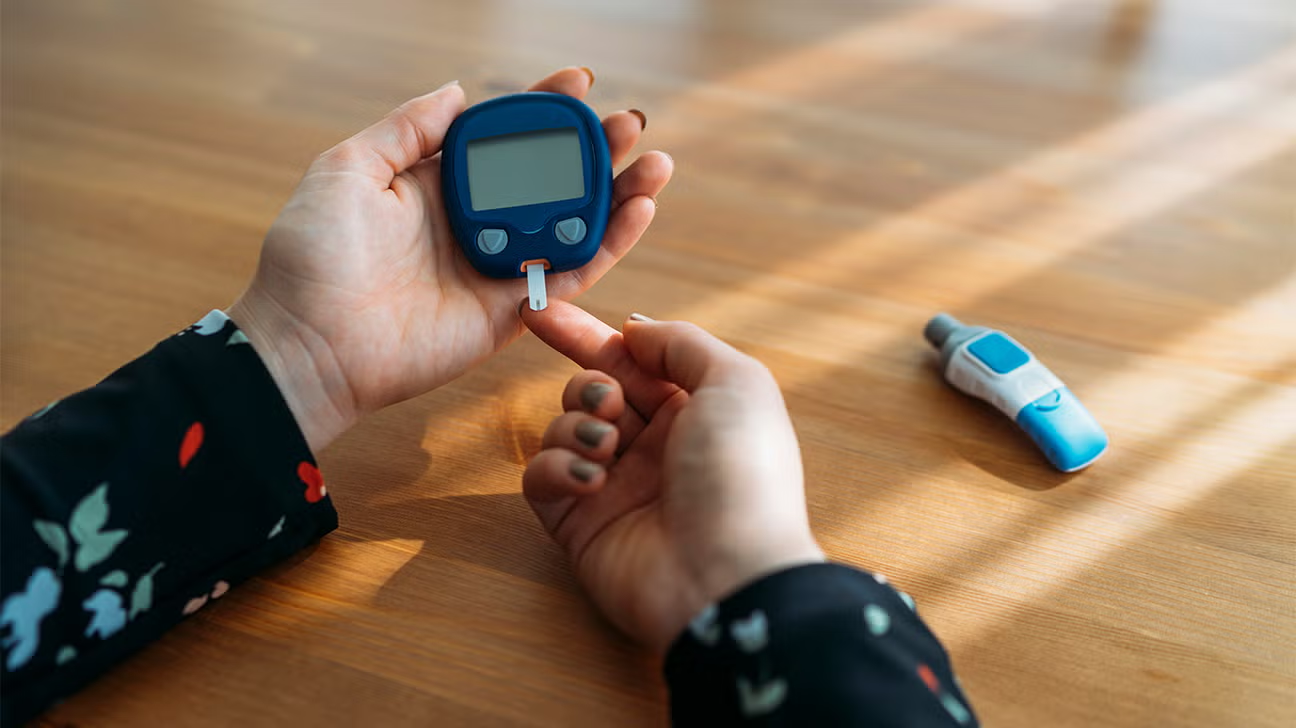
How to Increase the Accuracy of a Child’s Blood Glucose Sensor (CGM): A Comprehensive Guide
Introduction
Continuous glucose monitoring (CGM) systems have revolutionized the management of Type 1 Diabetes in children. Devices such as Dexcom G6, Dexcom G7, and FreeStyle Libre 3 provide near real-time glucose readings, trends, and alerts. However, ensuring optimal accuracy remains essential, as treatment decisions—especially insulin dosing—depend heavily on reliable data.
Accuracy in CGM is influenced by multiple factors, including sensor placement, physiology, device handling, and environmental conditions. This article provides a detailed, practical, and clinically grounded guide to improving CGM accuracy in children.
Understanding CGM Accuracy
CGM systems measure interstitial glucose, not blood glucose directly. This creates a natural time lag (typically 5–15 minutes), especially during rapid glucose changes.
Key Implications:
During stable glucose levels → CGM is highly accurate
During rapid rises or drops → discrepancies are more likely
Understanding this limitation is the foundation of improving accuracy.
1. Optimal Sensor Placement
Why It Matters
Sensor location significantly affects accuracy due to differences in blood flow, fat distribution, and movement.
Best Practices
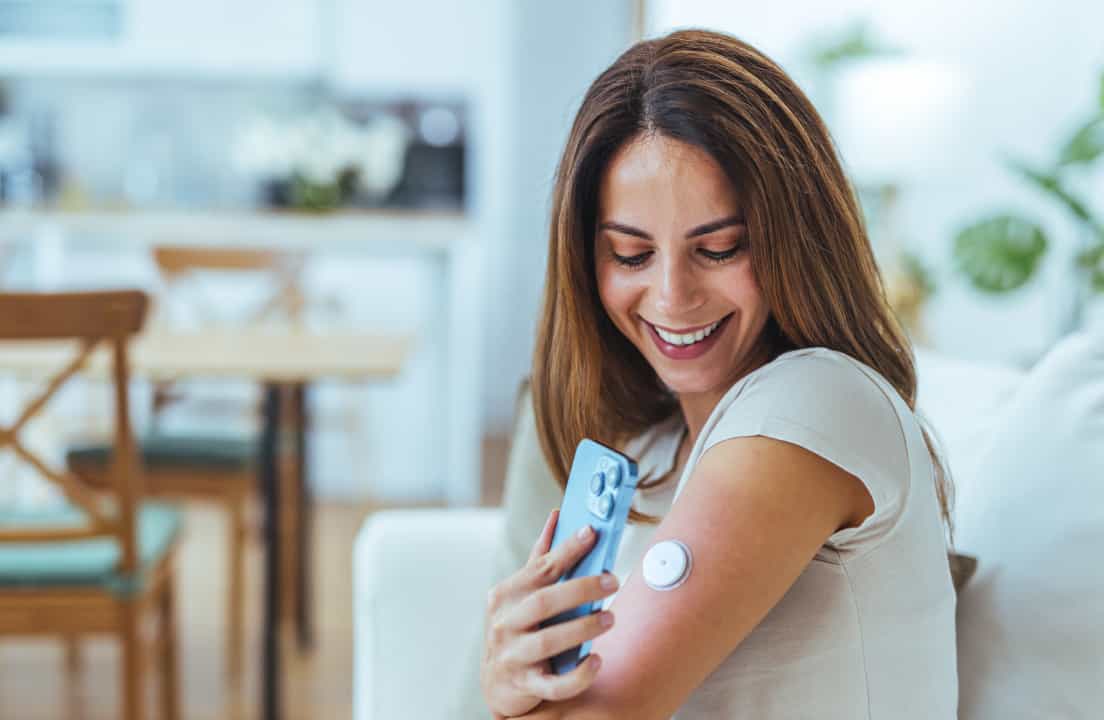
Use approved sites (abdomen, back of arms, upper buttocks depending on device)
Choose areas with:
पर्याप्त subcutaneous tissue
Minimal movement or pressure
Avoid:
Scar tissue
مناطق with lipohypertrophy
Areas under tight clothing
Pediatric Tip
In lean children, the back of the upper arm often provides more consistent readings than the abdomen.
2. Proper Skin Preparation
Steps for Better Accuracy:
Clean with mild soap and water
Ensure skin is completely dry
Avoid lotions, oils, or creams before insertion
Poor adhesion or micro-movement under the sensor can reduce signal quality.
3. Timing of Sensor Insertion
Avoid Inserting When:
Blood glucose is rapidly changing (after meals, exercise, or insulin bolus)
The child is dehydrated
Ideal Timing:
When glucose is relatively stable
Many families prefer evening insertion so the sensor stabilizes overnight
4. Allow the Sensor to “Settle”
Most CGMs require a warm-up period (e.g., 30 minutes to 2 hours). However:
Accuracy may continue improving over the first 12–24 hours
Expect slightly higher variability on day 1
Avoid making critical decisions based solely on early readings unless confirmed.
5. Sensor Stability and Adhesion
Why It Matters
Movement of the sensor filament under the skin reduces accuracy.
Strategies:
Use overpatches to secure the sensor
Avoid placing on مناطق with frequent bending or الضغط
Reinforce edges if peeling begins
Stable sensors = more consistent readings.
6. Maintain Good Hydration
Hydration affects interstitial fluid dynamics.
In Children:
Dehydration can lead to false readings or increased lag
Encourage regular fluid intake, especially during:
Illness
Hot weather
Physical activity
7. Understand When to Verify with Fingerstick
Even the most accurate CGM requires confirmation in certain situations:
Always Confirm If:
Symptoms don’t match the reading
Hypoglycemia is suspected
Glucose is changing rapidly
The sensor is newly inserted or near expiration
This hybrid approach improves safety and confidence.
8. Replace Sensors at the Right Time
Using a sensor beyond its optimal performance window reduces accuracy.
Dexcom G7: up to ~10 days
FreeStyle Libre 3: up to ~14 days
Signs Accuracy Is Declining:
Increased variability
Delayed response to glucose changes
Frequent signal loss
Replace promptly when these appear.
9. Avoid Compression Errors
What Are Compression Lows?
False low readings caused by pressure on the sensor (e.g., during sleep).
Prevention:
Avoid placing sensors on areas the child sleeps on
Rotate sites
Be cautious interpreting nighttime lows without symptoms
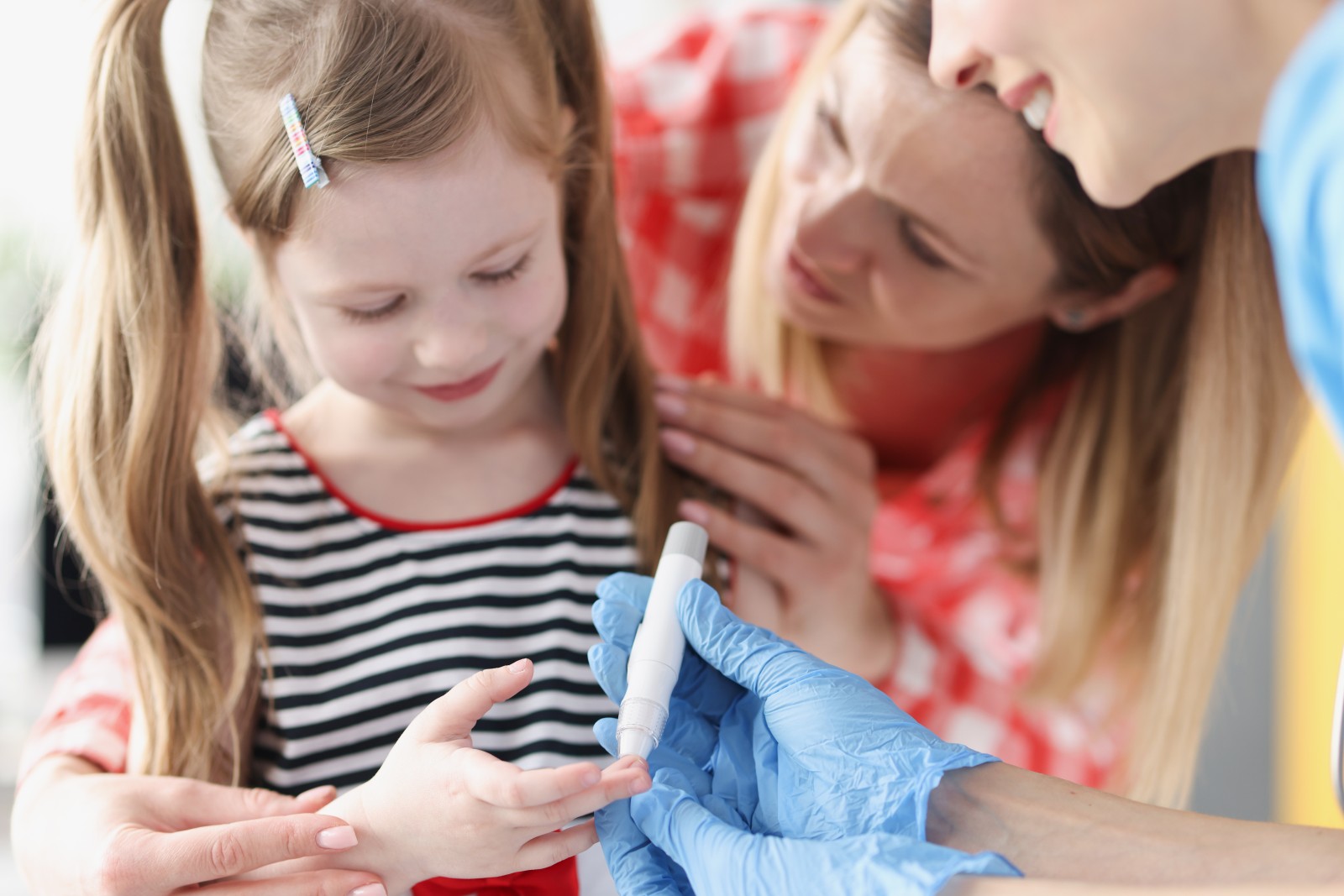
10. Educate the Child (Age-Appropriate)
Children should gradually learn:
To recognize when readings feel “off”
To report discomfort or sensor مشاكل
Basic understanding of trends vs single values
This improves long-term accuracy and adherence.
11. Calibration (When Applicable)
Some CGM systems require or allow calibration:
Best Calibration Practices:
Calibrate only when glucose is stable
Avoid calibrating during rapid changes
Use clean hands and accurate fingerstick technique
Improper calibration can worsen accuracy rather than improve it.
12. Consider Activity and Lifestyle Effects
Exercise:
Can cause rapid glucose shifts → increased lag
Check trends, not just single readings
Illness:
May affect sensor reliability
Monitor more closely and confirm when needed
13. Environmental Factors
Heat → sweating → adhesion issues
Cold → reduced circulation → altered readings
Adjust placement and monitoring accordingly.
14. Work with Your Care Team
Regular review of CGM data helps identify:
Patterns of inaccuracy
Site-related issues
Timing problems
Healthcare providers can tailor strategies for each child.
15. Recognizing Normal vs Problematic Variability
Not all اختلافات are errors.
Normal:
Small differences from fingerstick
Slight lag during changes
Concerning:
Persistent large gaps
Erratic fluctuations without explanation
Knowing the difference prevents unnecessary sensor changes.
Future Innovations
Emerging technologies aim to improve accuracy through:
Advanced algorithms
Multi-sensor integration
Longer-lasting, more stable المواد
Reduced lag time
Summary
Improving CGM accuracy in children involves a combination of technical precision and practical awareness:
Choose the right site and apply correctly
Ensure stable adhesion
Insert sensors at appropriate times
Monitor hydration and activity
Replace sensors when performance declines
Confirm readings when needed
Above all, accuracy improves when families understand how the sensor works and its limitations.
Final Thought
CGM systems are powerful tools in managing Type 1 Diabetes, but they are not infallible. The goal is not perfect numbers—but reliable trends that support safe and effective decision-making.
Advanced Strategies to Further Improve CGM Accuracy in Children
Beyond the basic principles, several advanced techniques—often used in clinical practice—can significantly enhance the reliability of CGM readings in children.
16. Use Trend Arrows, Not Just Numbers
One of the most common mistakes is focusing only on the glucose value instead of the trend direction.
Why Trends Matter:
CGM systems are designed to show where glucose is going, not just where it is
A reading of 100 mg/dL with a downward arrow may require action, while the same number with a stable arrow may not
Practical Tip:
Teach families and children to interpret:
Rising trends → anticipate hyperglycemia
Falling trends → prevent hypoglycemia
This reduces reliance on single-point accuracy and improves overall decision-making.
17. “Preconditioning” the Sensor Site
Some clinicians recommend preparing the skin in advance:
Method:
Choose the next insertion site 12–24 hours before placement
Keep the area clean and moisturized (but not immediately before insertion)
Rationale:
Healthier skin → better sensor function and adhesion → improved accuracy.
18. Managing the First-Day Inaccuracy
Day 1 is often the least accurate phase.
Strategies:
Insert the sensor several hours before activation (if device allows)
Avoid making major treatment decisions early unless confirmed
Monitor trends more than exact values
Some families report improved performance with this “early insertion” approach.
19. Minimizing Micro-Movements
Even small, invisible movements under the skin can affect readings.
How to Reduce Them:
Apply firm pressure during insertion
Use high-quality overpatches
Avoid مناطق with frequent stretching or bending
This is especially important in very active children.
20. Individual Variability: Personalizing Accuracy
Not all children respond to CGM in the same way.
Factors That Differ:
Skin thickness
Fat distribution
Immune response
Activity level
Clinical Insight:
A site that works perfectly for one child may perform poorly for another. Families should:
Experiment systematically
Track which sites provide the most reliable readings
21. Data Review and Pattern Recognition
Improving accuracy is not only about the sensor—it’s also about how data is interpreted.
Review Regularly:
Compare CGM data with fingerstick values
Identify recurring discrepancies
Look for patterns (e.g., always inaccurate at night or after meals)
Most CGM platforms provide downloadable reports that help with this analysis.
22. Differentiating Sensor Error from Physiological Lag
A key advanced skill is distinguishing between:
True sensor inaccuracy
Normal physiological delay
Example:
After eating:
Blood glucose rises quickly
Interstitial glucose rises more slowly
This delay is normal—not a sensor fault.
Understanding this prevents unnecessary sensor replacement.
23. When Accuracy Cannot Be Improved
In some cases, despite best efforts:
The child’s skin reacts poorly
Sensors frequently fail early
Accuracy remains inconsistent
Next Steps:
Try a different CGM system (e.g., switch between Dexcom G6 and FreeStyle Libre 2)
Consult dermatology or endocrinology specialists
Consider hybrid monitoring strategies
Role of Caregivers in Accuracy Optimization
Parents and caregivers play a central role:
Key Responsibilities:
Proper sensor application
Monitoring for early signs of failure
Teaching the child awareness and reporting
Making informed decisions based on trends
Confidence improves with experience and education.
Psychological Aspect of Accuracy
Accuracy is not only technical—it also affects:
Trust in the device
Anxiety levels in parents
Child’s willingness to wear the sensor
Important Insight:
Even a technically accurate sensor is not useful if the family does not trust it.
Building trust requires:
Consistent performance
Understanding limitations
Clear action plans for discrepancies
Clinical Pearls
Accuracy improves when insertion timing, placement, and adhesion are optimized together
The first and last days of sensor life are the most error-prone
Hydration and stable glucose conditions significantly enhance performance
Over-reliance on CGM without clinical judgment can be risky
Future Directions in Accuracy Improvement
Emerging technologies aim to address current limitations:
Multi-sensor systems to cross-check readings
AI-driven calibration algorithms
Reduced physiological lag
Longer-lasting sensors with stable enzymes
Fully non-invasive glucose monitoring (under development)
Final Summary
Improving CGM accuracy in children with Type 1 Diabetes requires a multifactorial approach:
Core Principles:
सही placement and stable adhesion
Proper timing of insertion
Awareness of physiological lag
Timely sensor replacement
Smart interpretation of trends
Most Important Rule:
Accuracy is maximized when technology and human understanding work together.
Integrating Technology and Technique: A Holistic Accuracy Model
Improving CGM accuracy in children is not achieved through a single intervention, but through the interaction of multiple factors—device technology, skin interface, physiology, and user behavior. A useful way to think about this is as a four-pillar model:
1. Device Factors
Sensor quality and algorithm performance
Wear duration and stability
Differences between systems such as Dexcom G7 and FreeStyle Libre 3
2. Skin–Sensor Interface
Adhesion quality
Skin condition (hydration, irritation, integrity)
Proper insertion technique
3. Physiological Factors
Interstitial fluid dynamics
Blood flow and tissue perfusion
Rate of glucose change
4. User Behavior
Timing of insertion
Interpretation of data
Response to alerts and discrepancies
When all four pillars are optimized, CGM accuracy improves significantly.
Real-World Case Scenarios
Case 1: The “Inaccurate First Day”
A child shows inconsistent readings during the first 12 hours after applying a new sensor.
Likely cause: Sensor stabilization phase
Solution:
Avoid major decisions based on early readings
Confirm with fingerstick
Allow time for equilibration
Case 2: “Nighttime Lows That Don’t Make Sense”
Frequent low readings occur at night, but the child has no symptoms.
Likely cause: Compression artifact
Solution:
Change sensor site
Avoid pressure نقاط during sleep
Confirm suspicious readings
Case 3: “Sudden Loss of Accuracy After Several Days”
Sensor readings become erratic near the end of wear.
Likely cause: Enzyme degradation or local inflammation
Solution:
Replace the sensor
Avoid extending wear beyond recommended duration
Case 4: “Always Off During Sports”
Readings lag or mismatch during physical activity.
Likely cause: Rapid glucose changes + physiological lag
Solution:
Focus on trend arrows
Use fingerstick for confirmation when needed
Teaching Accuracy as a Skill
Accuracy is not just a device feature—it’s a learned skill for both caregivers and children.
Key Learning Points:
CGM shows trends, not exact blood glucose at every moment
Discrepancies are expected in certain conditions
Decision-making should combine:
Sensor data
Symptoms
Context (food, activity, insulin)
Cognitive Strategies for Better Use
Families who achieve the best outcomes often:
Think in patterns, not isolated numbers
Anticipate glucose movement based on trends
Avoid overreacting to single readings
This approach reduces unnecessary corrections and improves safety.
Balancing Accuracy with Practical Use
Perfect accuracy is not always achievable—but clinically useful accuracy is.
Practical Goal:
Reliable trends
Safe decision-making
Minimal disruption to daily life
Trying to “perfect” every reading can lead to:
Overchecking
Anxiety
Device fatigue
Role of Clinical Follow-Up
Regular follow-up improves accuracy outcomes:
During Clinic Visits:
Review CGM reports
Identify recurring inaccuracies
Adjust strategies (site, timing, device choice)
Healthcare providers may also:
Recommend alternative CGM systems
Address skin or adhesion issues
Provide advanced education
Continuous Improvement Approach
Improving CGM accuracy is an ongoing process:
Apply best practices
Observe results
Identify problems
Adjust strategy
Repeat
Over time, families develop a personalized system that works best for their child.
Future Perspective: Toward “Invisible Accuracy”
The future of CGM aims to reduce user burden:
Sensors that automatically adjust for lag
Real-time calibration without user input
Improved biocompatibility with minimal skin reaction
Integration with insulin delivery systems (closed-loop systems)
These advances will make accuracy less dependent on user technique.
Final Conclusion
Improving the accuracy of a child’s CGM system—whether using Dexcom G6, Dexcom G7, or FreeStyle Libre 2—requires a comprehensive, thoughtful approach.
Core Takeaways:
Accuracy depends on both technology and technique
Proper placement, timing, and adhesion are essential
Understanding physiological lag prevents misinterpretation
Trends are more important than single readings
Continuous learning and adjustment lead to the best outcomes
Final Thought
A CGM is not just a measuring device—it is a decision-support tool. Its true accuracy lies in how well its data is understood and used.