
How Often Should an Insulin Pump Set Be Replaced?
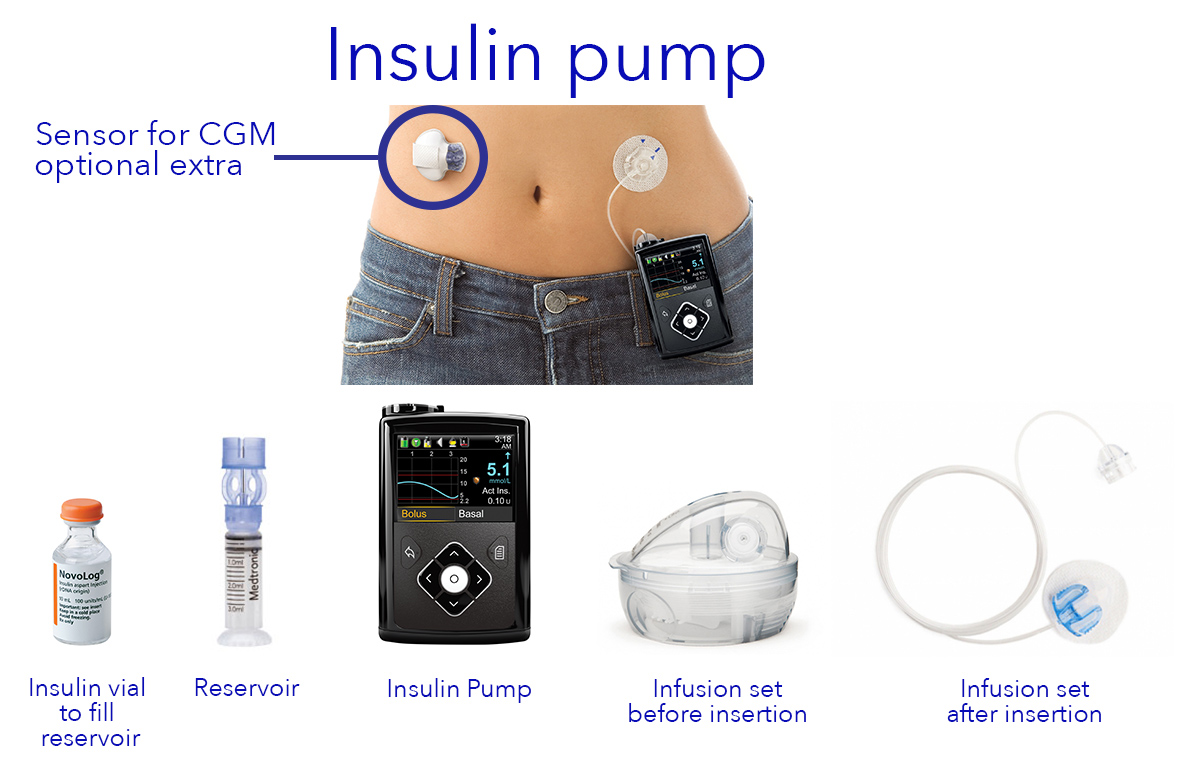
An insulin pump infusion set is a vital component of insulin pump therapy, providing a continuous pathway for insulin delivery into the body.
Although these sets are designed for comfort and reliability, they are intended for short-term use and must be replaced regularly to ensure safe and effective insulin absorption.
Replacing an infusion set on time helps prevent infections, infusion site complications, and unexpected blood glucose fluctuations.
General Replacement Guidelines
Most healthcare professionals and insulin pump manufacturers recommend changing an infusion set every 2 to 3 days (48 to 72 hours).
This schedule helps maintain consistent insulin absorption while reducing the risk of skin irritation, inflammation, and infusion site failure.
However, the recommended wear time may vary depending on the type of infusion set:
Soft Teflon cannula infusion sets: Usually replaced every 48 to 72 hours
Steel needle infusion sets: Typically replaced every 48 hours
Extended-wear infusion sets: Some newer models are approved for use up to 7 days, but only if specifically indicated by the manufacturer and your healthcare provider.
Always follow the instructions provided for your specific infusion set and insulin pump.
Why Regular Replacement Is Important
Leaving an infusion set in place longer than recommended can affect both insulin delivery and skin health.
Over time, the tissue around the cannula may become inflamed, reducing the body’s ability to absorb insulin efficiently.
This can lead to unexplained high blood glucose levels, increased insulin requirements, and a higher risk of diabetic ketoacidosis (DKA).
Regular infusion set changes also help prevent:
Skin infections
Cannula blockages
Insulin leakage
Adhesive failure
Tissue scarring (lipohypertrophy)
Occlusion alarms
Changing the infusion set on schedule is one of the simplest ways to maintain reliable pump performance.
Signs You Should Replace the Infusion Set Immediately
Even if your scheduled change is not due yet, replace the infusion set right away if you notice any of the following:
Persistent high blood glucose without an obvious cause
Pump occlusion alarms
Redness, swelling, or pain at the insertion site
Blood in the cannula or tubing
Insulin leaking around the insertion site
Loose or peeling adhesive
Bent or kinked cannula
Fever or signs of infection
Prompt replacement can restore insulin delivery and help prevent more serious complications.
The Importance of Site Rotation
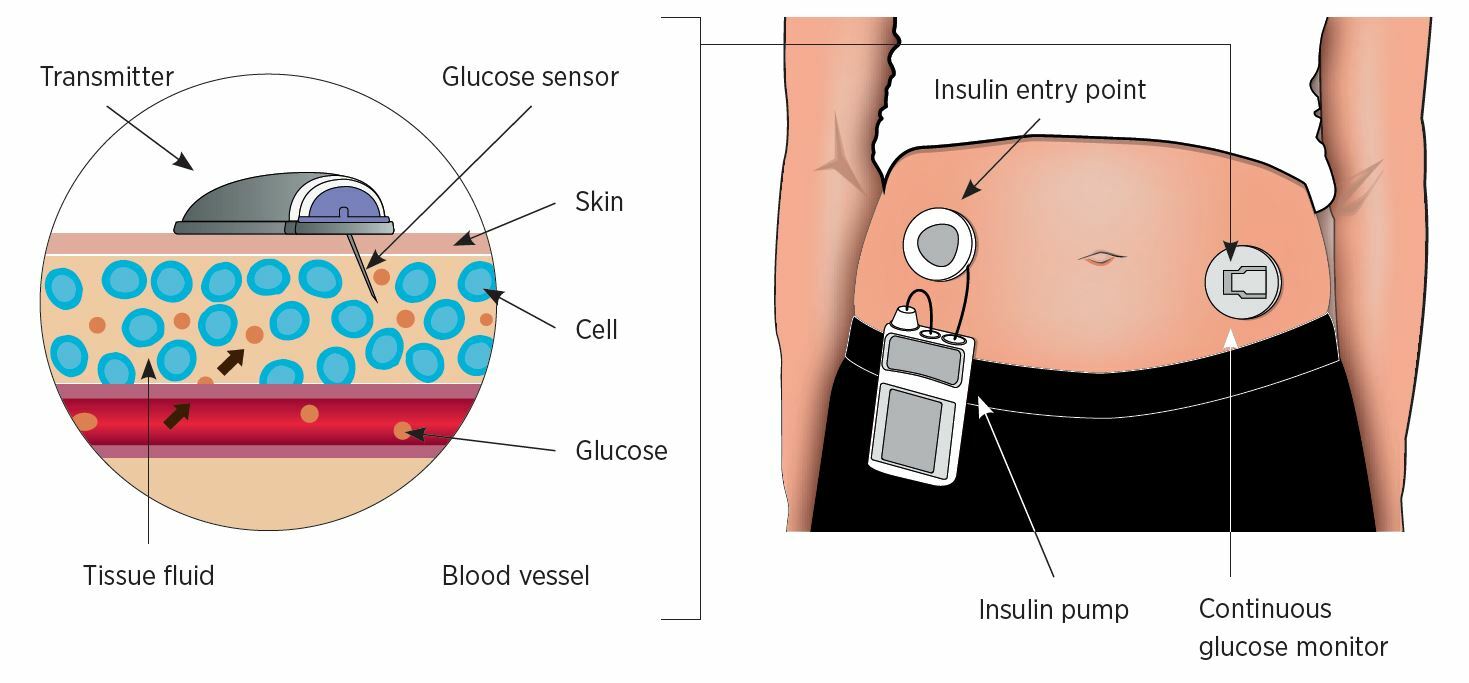
Changing the infusion set also means choosing a new insertion site. Repeatedly using the same area can lead to scar tissue or fatty lumps under the skin, known as lipohypertrophy, which can interfere with insulin absorption.
To promote healthy skin and consistent insulin action:
Rotate among approved insertion sites, such as the abdomen, thighs, upper buttocks, and upper arms (if appropriate).
Place each new infusion set at least 1 inch (2.5 cm) away from the previous site.
Avoid areas with bruising, scar tissue, or irritation.
A consistent site rotation plan helps preserve healthy tissue and supports predictable insulin absorption.
Tips for Remembering to Change Your Infusion Set
Many people find it helpful to establish a routine for infusion set changes. Consider these strategies:
Set reminders on your phone or smartwatch.
Change the infusion set at the same time of day.
Coordinate infusion set changes with reservoir or cartridge replacement when possible.
Keep spare infusion sets at home, work, school, and while traveling.
Record infusion site locations to ensure proper rotation.
Developing a regular schedule can reduce missed changes and improve overall diabetes management.
Can You Extend the Wear Time?
Some people may be tempted to wear an infusion set longer to reduce costs or conserve supplies.
However, extending wear time beyond the recommended limit is generally not advised, unless you are using an FDA-cleared extended-wear infusion set specifically approved for longer use.
Using a standard infusion set beyond its intended wear time may increase the risk of:
Poor insulin absorption
Hyperglycemia
Infection
Skin irritation
Pump occlusions
Diabetic ketoacidosis
If you frequently feel the need to extend infusion set use due to supply shortages or cost concerns, discuss the issue with your diabetes care team or insurance provider to explore available solutions.
Final Thoughts
Replacing your insulin pump infusion set on time is essential for maintaining safe and effective insulin therapy.
For most users, changing the infusion set every 2 to 3 days provides the best balance between reliable insulin delivery and healthy skin.
Steel needle sets are generally replaced every 48 hours, while certain extended-wear infusion sets may safely remain in place for up to 7 days when used according to manufacturer guidelines.
By following the recommended replacement schedule, rotating infusion sites, and responding quickly to signs of infusion set problems, you can reduce complications, improve glucose control, and get the most benefit from your insulin pump therapy.
Best Practices for Changing an Insulin Pump Infusion Set
Changing an insulin pump infusion set is a routine part of diabetes management, but following the correct procedure can significantly improve insulin delivery and reduce the risk of complications.
Developing a consistent technique helps ensure that each new infusion set functions properly and provides reliable insulin absorption.
Prepare Your Supplies
Before starting, gather everything you need in a clean, well-lit area. Having all supplies ready can make the process faster and reduce the risk of contamination.
Typical supplies include:
A new infusion set
A new insulin reservoir or cartridge (if needed)
Insulin vial or pen
Alcohol wipes or another skin cleanser
Adhesive wipes or barrier film (if recommended)
Your insulin pump
A sharps container for safe disposal of needles
Always wash your hands thoroughly with soap and water before handling any diabetes equipment.
Choose a Healthy Infusion Site
Selecting the right insertion site is essential for consistent insulin absorption.
Look for an area that:
Has enough fatty tissue beneath the skin
Is free of redness, swelling, or bruising
Does not have scar tissue or lipohypertrophy
Will not be compressed by tight clothing or waistbands
Is comfortable for your daily activities
The abdomen is the most commonly used site because it generally provides predictable insulin absorption, but the thighs, upper buttocks, and upper arms may also be suitable depending on your healthcare provider’s recommendations.
Clean and Dry the Skin
Proper skin preparation helps reduce the risk of infection and improves adhesive performance.
Clean the insertion site with an alcohol wipe or another recommended antiseptic. Allow the skin to air dry completely before inserting the infusion set.
Avoid blowing on the skin or touching the cleaned area before insertion.
Insert the Infusion Set Correctly
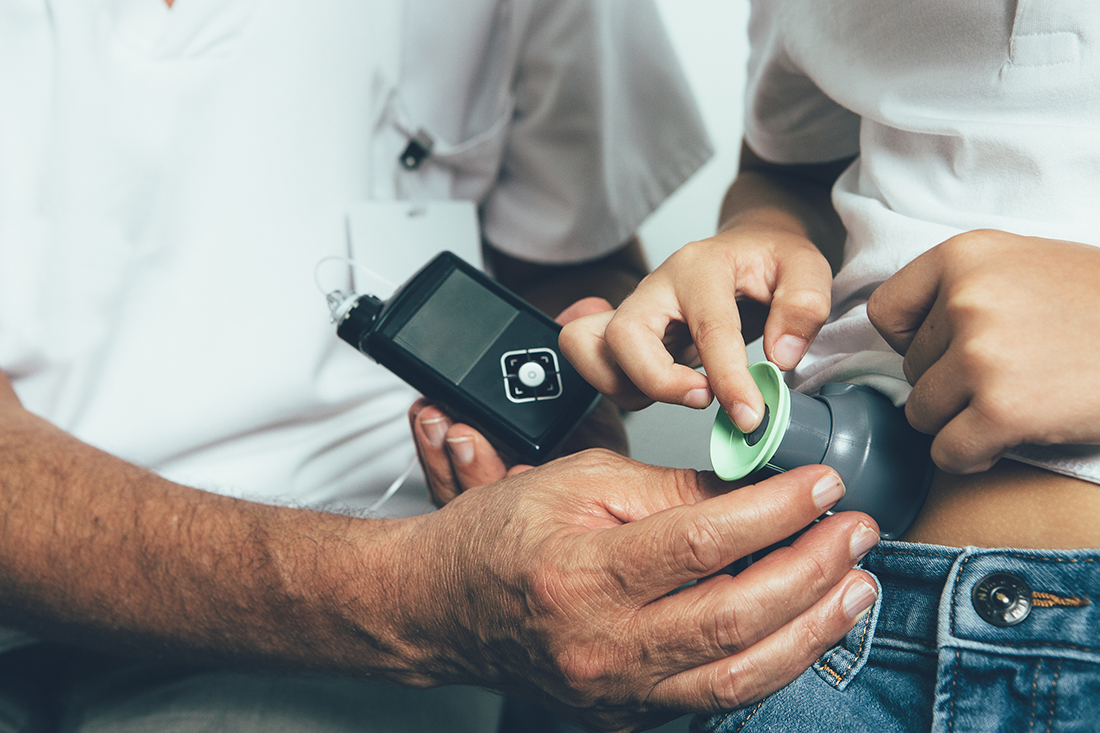
Whether using a manual technique or an automatic insertion device, follow the manufacturer’s instructions carefully.
After insertion:
Ensure the cannula is fully positioned beneath the skin.
Secure the adhesive smoothly without wrinkles.
Check that the tubing is not twisted or kinked.
Connect the tubing securely to the pump.
If your pump requires tubing priming or cannula filling, complete these steps before starting insulin delivery.
Verify Proper Insulin Delivery
After changing the infusion set, monitor your blood glucose closely over the next several hours.
Watch for:
Normal blood glucose trends
Successful correction boluses
No pump alarms
No insulin leakage
No unusual discomfort
Continuous glucose monitoring (CGM) can be especially helpful in detecting early signs of infusion set problems.
Keep a Consistent Rotation Schedule
Rotating infusion sites protects the skin and helps maintain consistent insulin absorption.
Many users follow a simple pattern, such as moving clockwise around the abdomen or alternating between the left and right sides of the body.
Keeping a written or digital record of previous insertion sites can help prevent repeated use of the same location.
Tips for Better Infusion Set Performance
Small adjustments to your routine can improve comfort and reliability.
Helpful tips include:
Change the infusion set during the day rather than before bedtime so you can monitor its performance.
Avoid inserting a new infusion set immediately before intense exercise.
Keep insulin at room temperature before filling the reservoir to reduce air bubbles.
Inspect the tubing after every change to ensure there are no visible kinks or bubbles.
Carry spare infusion sets whenever you leave home.
Common Mistakes to Avoid
Even experienced pump users occasionally make mistakes that can interfere with insulin delivery.
Avoid these common errors:
Leaving the infusion set in place longer than recommended
Reusing disposable infusion sets
Inserting into scar tissue or irritated skin
Forgetting to prime the tubing or fill the cannula
Ignoring unexplained high blood glucose levels after a set change
Failing to rotate insertion sites regularly
Recognizing and correcting these habits can improve both pump performance and long-term skin health.
Final Thoughts
Changing an insulin pump infusion set correctly is a key part of successful pump therapy.
While the process becomes easier with practice, attention to proper hygiene, site selection, and routine replacement helps ensure reliable insulin delivery and reduces the risk of complications.
By following recommended guidelines and working closely with your diabetes care team, you can make infusion set changes a simple, effective part of your diabetes management routine and enjoy greater confidence in your insulin pump therapy.
How to Troubleshoot Common Insulin Pump Infusion Set Problems
Even when an infusion set is inserted correctly and changed on schedule, occasional issues can still occur.
Knowing how to identify and troubleshoot these problems can help prevent prolonged hyperglycemia, reduce frustration, and improve the overall success of insulin pump therapy.
Unexplained High Blood Glucose Levels
One of the first signs of an infusion set problem is persistent high blood glucose without an obvious cause. If your glucose remains elevated despite correction boluses, the infusion set may not be delivering insulin properly.
Possible Causes
Kinked or bent cannula
Blocked tubing
Air bubbles in the tubing
Dislodged infusion set
Empty insulin reservoir
Expired or heat-damaged insulin
Infusion site inflammation
What to Do
Check your pump for alerts or occlusion alarms.
Inspect the tubing for kinks, air bubbles, or loose connections.
Look at the insertion site for redness, leakage, or a loose adhesive.
If no clear cause is found, replace the infusion set immediately.
Monitor your blood glucose every one to two hours until it returns to your target range.
If blood glucose remains high and ketones develop, follow your healthcare provider’s emergency instructions and seek medical attention if necessary.
Insulin Leakage Around the Infusion Site
Sometimes insulin may leak onto the skin instead of entering the subcutaneous tissue.
Signs of Leakage
Wetness around the adhesive
Smell of insulin
Sticky skin after a bolus
Unexpected high blood glucose
Common Causes
Cannula pulled partially out
Loose adhesive
Improper insertion
Damaged infusion set
Prevention
Press the adhesive firmly after insertion.
Avoid placing the infusion set where clothing rubs excessively.
Use additional adhesive patches if needed.
Replace the infusion set if leakage is suspected.
Infusion Set Becomes Loose
Sweating, swimming, hot weather, or physical activity can weaken the adhesive.
Ways to Improve Adhesion
Apply the infusion set to clean, dry skin.
Remove body oils before insertion.
Trim excess body hair if necessary.
Use skin barrier products approved for diabetes devices.
Reinforce with medical adhesive tape or over-patches.
People who exercise frequently may benefit from specially designed adhesive products that provide extra support during movement.
Pain During Insulin Delivery
Most infusion sets should remain relatively comfortable after insertion.
Pain during a bolus or throughout the day may indicate:
Cannula touching muscle tissue
Bent cannula
Inflamed insertion site
Improper insertion angle
Scar tissue beneath the skin
If pain continues, replace the infusion set and choose a different insertion site.
Bleeding After Insertion
Occasionally, a small blood vessel may be punctured during insertion.
Minor bleeding is usually harmless, but monitor the infusion site carefully.
Replace the infusion set if:
Bleeding continues
Blood blocks the cannula or tubing
Pain increases
Blood glucose begins to rise unexpectedly
Allergic Reactions to Adhesives
Some users develop skin irritation from infusion set adhesives.
Symptoms
Itching
Red rash
Burning sensation
Blistering
Skin peeling
Management
Try a different infusion set with another adhesive formulation.
Use protective barrier films if recommended.
Allow irritated skin to heal before using the same location again.
Consult a dermatologist if reactions become severe or persistent.
Pump Occlusion Alarms
Occlusion alarms indicate that insulin flow has been interrupted.
Common reasons include:
Kinked cannula
Blocked tubing
Crystallized insulin
Mechanical obstruction
Compressed tubing during sleep
Always inspect the entire infusion system before restarting insulin delivery.
If the alarm continues after troubleshooting, replace the infusion set and reservoir if necessary.
Traveling Across Time Zones
Changing time zones may require adjustments to insulin pump settings, including basal rates and infusion set replacement schedules.
Helpful travel recommendations include:
Discuss travel plans with your diabetes care team in advance.
Carry extra infusion sets, insulin, and backup supplies.
Keep diabetes supplies in your carry-on luggage.
Protect insulin from extreme temperatures.
Change the pump clock according to your healthcare provider’s recommendations after arriving at your destination.
When to Contact Your Healthcare Provider
Most infusion set problems can be resolved by replacing the set. However, contact your healthcare provider if you experience:
Repeated infusion set failures
Frequent unexplained hyperglycemia
Multiple occlusion alarms each week
Recurring infections
Severe skin reactions
Difficulty finding healthy infusion sites
Frequent episodes of ketosis despite changing infusion sets
Persistent problems may indicate the need for a different infusion set design, cannula type, or insertion technique.
Future Innovations in Infusion Set Technology
Researchers continue to improve infusion set design to make insulin pump therapy safer, more comfortable, and more reliable.
Current areas of innovation include:
Extended-wear infusion sets lasting up to seven days
Improved adhesives that remain secure during exercise and swimming
Cannulas designed to reduce inflammation
Smart sensors that detect infusion failures earlier
More flexible materials for increased comfort
Tubing designs that minimize air bubbles and occlusions
These advancements aim to reduce the burden of diabetes management while improving long-term glucose control.
Final Thoughts
Although infusion set issues are occasionally unavoidable, most can be prevented through proper insertion techniques, regular site rotation, timely replacement, and careful monitoring of blood glucose trends.
Becoming familiar with common warning signs allows users to respond quickly and minimize interruptions in insulin delivery.
An infusion set may be a small device, but it plays a crucial role in the success of insulin pump therapy.
With the right knowledge, preparation, and support from a diabetes care team, users can maximize the benefits of insulin pump technology while maintaining comfort, confidence, and effective diabetes management.