
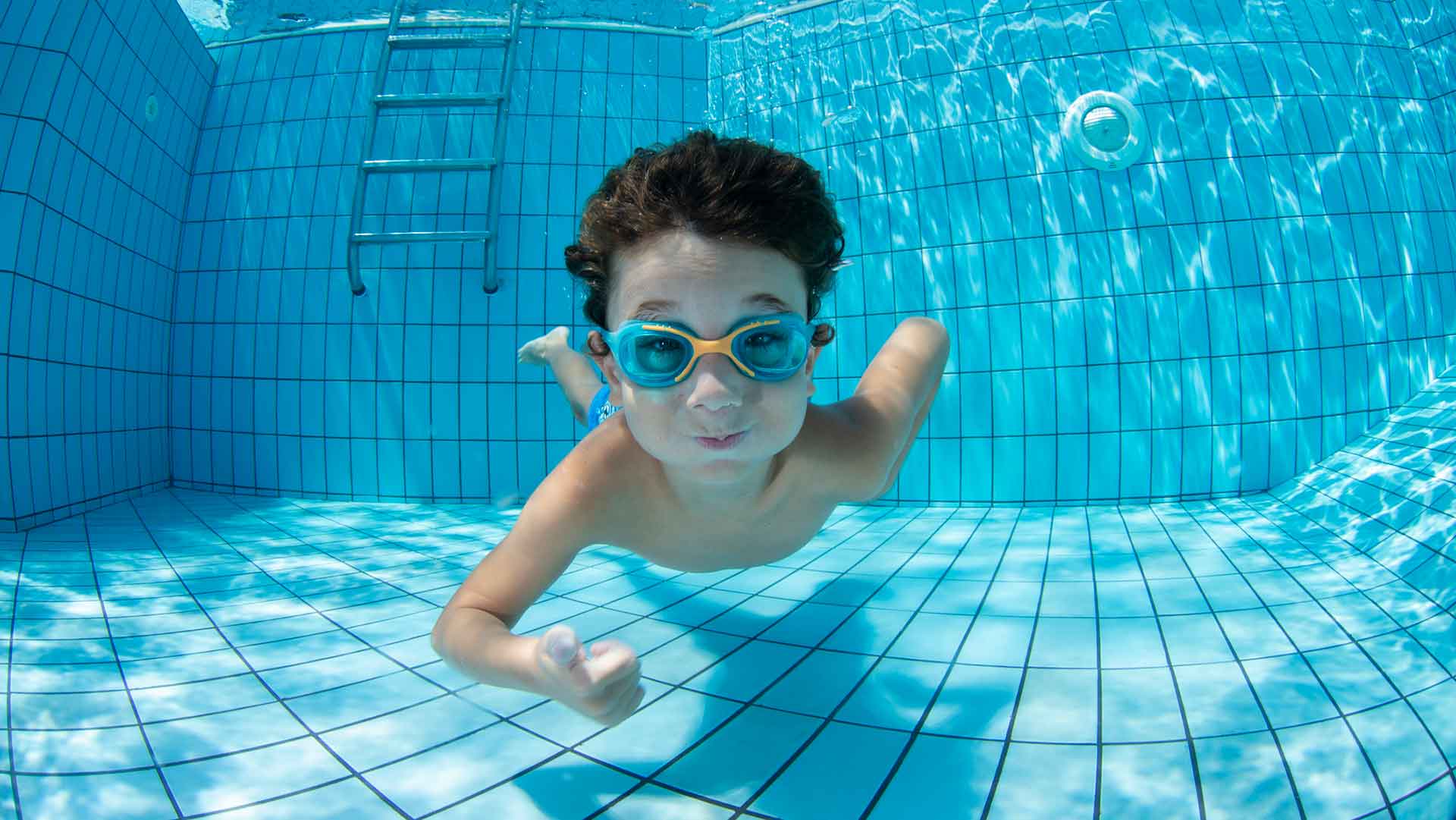
Guide to Using an Insulin Pump During Swimming and Water Activities
Swimming and other water activities are excellent forms of exercise for children and adults with diabetes.
Whether you’re enjoying a day at the pool, participating in swim practice, kayaking, or relaxing at the beach, having diabetes should not prevent you from enjoying the water.
However, insulin pump users need to take extra precautions to ensure safe insulin delivery, protect their equipment, and maintain stable blood glucose levels.
Because insulin pumps vary in their water resistance and waterproof capabilities, understanding your specific device and planning ahead are essential for a safe and enjoyable experience.
Can You Swim While Wearing an Insulin Pump?
The answer depends on the type of insulin pump you use.
Some insulin pumps are designed to be waterproof, allowing users to wear them while swimming or showering for a specified depth and duration.
Others are only water-resistant, meaning they can tolerate brief splashes but should not be submerged. Some pumps must be disconnected before entering the water.
Always read your pump manufacturer’s instructions to understand:
Whether the pump is waterproof or water-resistant
Maximum water depth
Maximum time underwater
Recommended precautions after water exposure
Never assume that all insulin pumps have the same level of water protection.
Understanding Waterproof Ratings
Manufacturers often use an IP (Ingress Protection) rating to describe water resistance.
For example:
Some pumps are designed to withstand temporary immersion.
Others are intended only for protection against accidental splashes.
Patch pumps may have different waterproof ratings than traditional tubed pumps.
Even waterproof devices should be inspected after prolonged water exposure to ensure they continue functioning properly.
Tubed Pumps vs. Patch Pumps
Different insulin pump designs require different approaches during swimming.
Tubed Insulin Pumps
Tubed pumps connect to the body through tubing attached to an infusion set.
Depending on the pump model, users may:
Wear the pump while swimming if approved by the manufacturer.
Disconnect the pump temporarily before entering the water.
Reconnect the pump immediately after swimming.
When disconnecting a tubed pump, follow your healthcare provider’s recommendations regarding the maximum safe disconnection time.
Patch Pumps
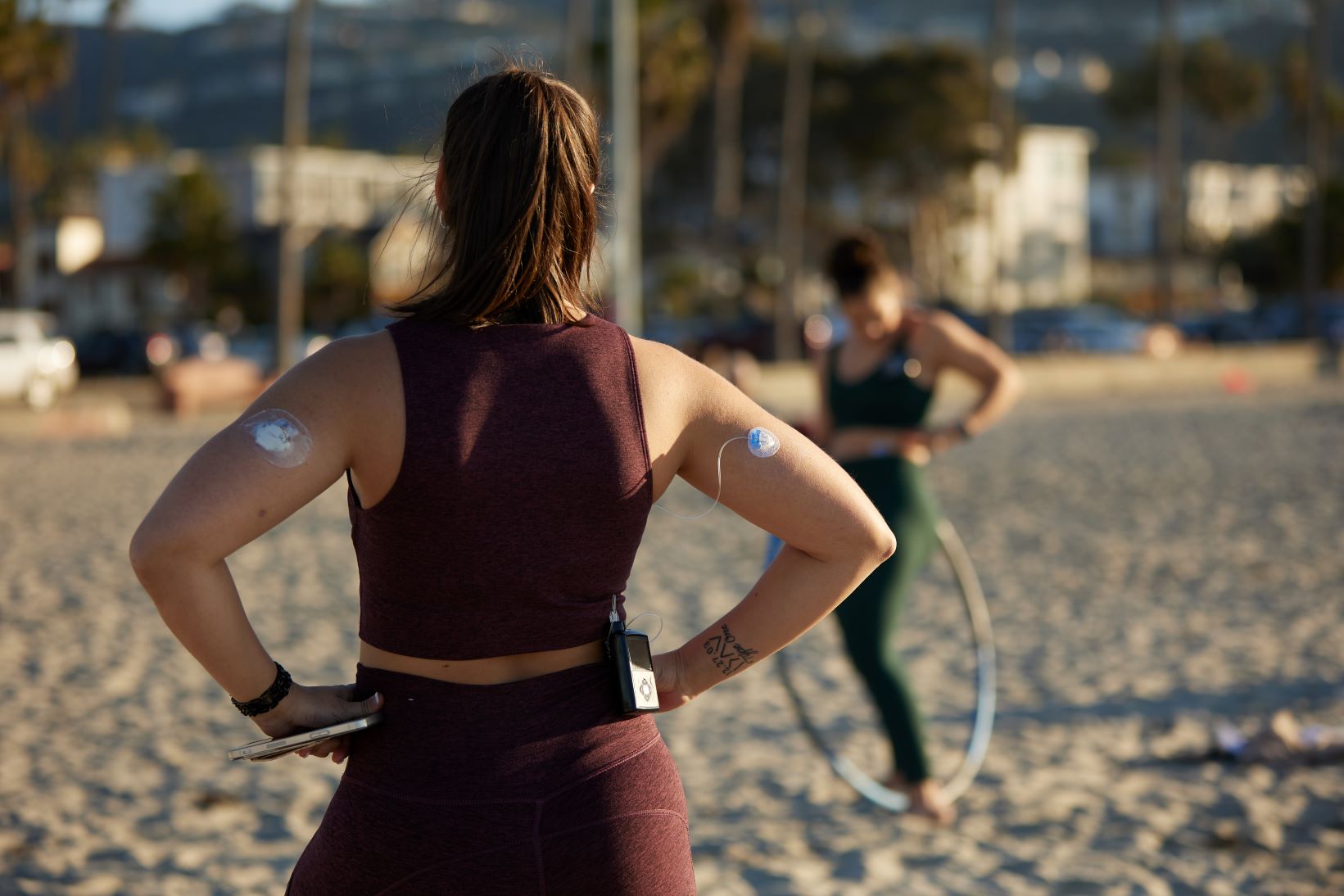
Patch pumps attach directly to the skin without external tubing.
Many patch pumps are designed to remain attached during swimming and other water activities. However, users should still verify the manufacturer’s waterproof specifications and inspect the adhesive after leaving the water.
Preparing Before Swimming
Good preparation can help prevent interruptions in insulin delivery.
Before entering the water:
Check your blood glucose level.
Ensure your infusion set or patch pump is securely attached.
Inspect the tubing for damage or air bubbles.
Confirm that your pump has sufficient battery life and insulin.
Pack emergency diabetes supplies nearby.
If using Continuous Glucose Monitoring (CGM), confirm that the sensor is also securely attached.
Monitoring Blood Glucose Before Swimming
Swimming can affect blood glucose differently depending on:
Exercise intensity
Water temperature
Duration of activity
Individual insulin sensitivity
Recent meals
Active insulin levels
Some people experience falling glucose during swimming, while others may see temporary increases due to excitement or competition.
Checking blood glucose before entering the water helps determine whether additional carbohydrates or insulin adjustments are needed.

Preventing Hypoglycemia During Swimming
Because swimming is often an aerobic activity, blood glucose may gradually decline.
To reduce the risk of hypoglycemia:
Avoid starting exercise with low blood glucose.
Follow your healthcare provider’s recommendations regarding insulin adjustments.
Keep fast-acting carbohydrates poolside.
Take regular breaks during extended swimming sessions.
Monitor glucose frequently.
Children should never swim alone and should always be supervised by adults familiar with diabetes management.
Managing Pump Disconnection
Some tubed pump users disconnect their pumps before swimming.
When doing so:
Disconnect only for the period recommended by your healthcare provider.
Store the pump in a cool, dry location away from direct sunlight.
Reconnect as soon as possible after leaving the water.
Check blood glucose after reconnecting.
Long periods without insulin may increase the risk of hyperglycemia and ketosis, especially for people with type 1 diabetes.
Protecting the Infusion Set
Water, sunscreen, sweat, and movement can weaken the infusion set adhesive.
To improve adhesion:
Apply the infusion set to clean, dry skin.
Use adhesive barrier products if recommended.
Reinforce with waterproof over-patches.
Allow adhesives to fully bond before entering the water.
Check the infusion site after swimming.
Replace the infusion set if it becomes loose or partially detached.
Using Continuous Glucose Monitoring (CGM) in the Water
Many modern CGM sensors are water-resistant or waterproof for specified periods.
Before swimming:
Verify your CGM’s water rating.
Ensure the sensor adhesive is secure.
Consider additional adhesive patches for extended swimming.
Remember that CGM readings may lag behind blood glucose during rapid changes caused by exercise.
If symptoms do not match the CGM reading, confirm your glucose with a finger-stick test when possible.
After Swimming
Once you finish swimming:
Dry the pump and infusion site thoroughly.
Inspect the infusion set for signs of loosening.
Check your blood glucose.
Monitor glucose more frequently for several hours.
Stay hydrated.
Replace the infusion set if you suspect it was damaged or partially dislodged.
Children may continue experiencing changes in glucose levels for several hours after exercise.
Water Sports Beyond Swimming
The same principles apply to many other water activities, including:
Kayaking
Paddleboarding
Canoeing
Rowing
Sailing
Snorkeling
Recreational boating
For activities with prolonged water exposure, protect your insulin pump according to the manufacturer’s recommendations and carry diabetes supplies in a waterproof container.
Travel Tips for Beach Vacations
Beach vacations require additional preparation.
Remember to:
Keep insulin out of direct sunlight.
Store insulin in an insulated cooling case if needed.
Protect the pump from sand and saltwater.
Bring extra infusion sets and adhesives.
Carry backup insulin pens or syringes.
Stay well hydrated in hot weather.
Heat can increase insulin absorption and may also affect insulin stability, making regular glucose monitoring even more important.
Final Thoughts
Swimming and water activities can be enjoyed safely by people using insulin pumps with proper planning and awareness.
Understanding your pump’s waterproof capabilities, securing the infusion set, monitoring blood glucose regularly, and preparing for emergencies are key to preventing complications.
Whether you are swimming laps, playing at the beach, or participating in water sports, an individualized diabetes management plan developed with your healthcare team can help you stay safe while enjoying the many physical and emotional benefits of being active in the water.
Safety Tips for Using an Insulin Pump During Swimming and Water Activities
Swimming and other water-based activities can be enjoyable and beneficial for people with diabetes, but they also present unique challenges for insulin pump users.
Changes in temperature, prolonged water exposure, and increased physical activity can all affect insulin delivery and blood glucose levels.
By following a few practical safety tips, you can reduce risks and enjoy water activities with greater confidence.
Create a Water Activity Diabetes Checklist
Before heading to the pool, beach, or lake, prepare a diabetes checklist to ensure you have everything you need.
Your checklist should include:
Insulin pump
Continuous Glucose Monitor (CGM) receiver or smartphone (if used)
Blood glucose meter and test strips
Fast-acting carbohydrates (glucose tablets, juice, or glucose gel)
Extra infusion sets
Additional insulin reservoirs or cartridges
Backup insulin pen or syringe
Alcohol wipes
Adhesive patches or waterproof tape
Ketone testing supplies
Medical identification
Waterproof bag or container for diabetes supplies
Having supplies readily available can save valuable time if a problem occurs.
Protect Your Pump from Heat and Sunlight
Many people focus on protecting their pump from water but forget that heat can also damage insulin and electronic components.
To help protect your equipment:
Avoid leaving your pump in direct sunlight.
Store disconnected pumps in a shaded location.
Never leave insulin inside a hot car.
Use an insulated cooling pouch when spending long hours outdoors.
Follow the manufacturer’s recommended storage temperatures.
Excessive heat may reduce insulin effectiveness, even if the pump itself remains undamaged.
Be Aware of Cold Water Effects
Swimming in cold water can also influence diabetes management.
Cold temperatures may:
Slow insulin absorption in some individuals
Make infusion site adhesives less flexible
Affect finger-stick blood glucose testing
Mask early symptoms of hypoglycemia, such as shivering or numbness
Warm up gradually after leaving cold water and continue monitoring your glucose levels.
Watch for Delayed Blood Glucose Changes
Blood glucose may continue changing long after swimming has ended.
Some individuals experience:
Delayed hypoglycemia several hours later
Overnight low blood glucose after afternoon swimming
Temporary hyperglycemia following intense swimming competitions
Continue checking glucose regularly for several hours after water activities, especially if they were prolonged or physically demanding.
Inspect the Infusion Set Carefully After Swimming
After leaving the water, examine the infusion site for signs of damage.
Check for:
Loose adhesive
Partial cannula dislodgement
Redness or irritation
Moisture trapped beneath the adhesive
Tubing damage
Insulin leakage
If the infusion set appears compromised, replace it immediately to ensure reliable insulin delivery.
Be Prepared for Pump Failure
Although uncommon, water exposure may occasionally contribute to pump problems.
Know the warning signs of pump malfunction:
Pump error messages
Unexpected alarms
Failure to deliver insulin
Blank display
Rapidly rising blood glucose
Repeated occlusion alarms
If you suspect your pump has malfunctioned:
Check your blood glucose.
Inspect the pump and infusion set.
Replace the infusion set if needed.
Use backup insulin if your healthcare provider has instructed you to do so.
Contact the pump manufacturer if the device is not functioning properly.
Swimming with Children Who Use Insulin Pumps
Parents should supervise children closely before, during, and after swimming.
Helpful safety measures include:
Checking blood glucose before entering the water.
Scheduling regular glucose checks during extended swimming sessions.
Keeping fast-acting carbohydrates nearby.
Ensuring another responsible adult understands the child’s diabetes care plan.
Teaching children to recognize symptoms of hypoglycemia while swimming.
Children should never swim alone, regardless of whether they have diabetes.
Open Water Safety
Lakes, rivers, and oceans present additional considerations compared to swimming pools.
Potential challenges include:
Limited access to diabetes supplies
Hot weather and dehydration
Long periods away from shore
Saltwater exposure
Greater physical exertion
Difficulty recognizing hypoglycemia while swimming long distances
Always bring a waterproof emergency kit and let others know that you have diabetes before participating in open-water activities.
Water Parks and Amusement Parks
Water parks combine prolonged activity, heat, excitement, and frequent water exposure.
Helpful strategies include:
Checking glucose more frequently than usual.
Staying hydrated throughout the day.
Reapplying adhesive patches if necessary.
Protecting the pump on water slides if allowed by the manufacturer.
Planning regular meal and snack times.
Excitement and adrenaline can temporarily increase blood glucose, while extended walking and swimming may lower it later.
Signs That It’s Time to Leave the Water
Stop swimming and check your diabetes equipment if you experience:
Symptoms of hypoglycemia
Symptoms of hyperglycemia
Pump alarms
Loose infusion set
Dizziness
Blurred vision
Severe fatigue
Nausea
Confusion
Do not return to the water until the problem has been addressed and you feel well.
Frequently Asked Questions
Can chlorine damage an insulin pump?
Pool chlorine generally does not damage pumps that are used according to the manufacturer’s instructions.
However, rinsing and drying the pump after swimming may help preserve the device and reduce residue buildup.
Can saltwater affect an insulin pump?
Saltwater can leave deposits on the pump and connectors.
After swimming in the ocean, rinse the outside of the pump with fresh water (if recommended by the manufacturer) and dry it thoroughly.
Should I change my infusion set after every swim?
Not necessarily.
If the infusion set remains securely attached, shows no signs of leakage, and insulin delivery appears normal, it usually does not need to be replaced.
However, replace it immediately if it becomes loose, partially detached, or damaged.
Is it safe to scuba dive while wearing an insulin pump?
Most insulin pumps are not designed for scuba diving because of increased water pressure at depth.
Always review the manufacturer’s recommendations and consult your diabetes care team before participating in diving activities.
Final Thoughts
Swimming, boating, and other water activities are entirely possible for people using insulin pumps when proper precautions are taken.
Understanding your pump’s water-resistance limitations, monitoring blood glucose before and after exercise, securing your infusion set, and carrying backup diabetes supplies can help prevent interruptions in insulin delivery and reduce the risk of both hypoglycemia and hyperglycemia.
With thoughtful preparation and an individualized diabetes management plan, children and adults with diabetes can safely enjoy pools, beaches, lakes, and water sports while maintaining excellent glucose control and an active, healthy lifestyle.
Frequently Asked Questions About Swimming with an Insulin Pump
Swimming often raises questions for people who use insulin pumps, especially parents of children with type 1 diabetes.
The answers below address common concerns and provide practical guidance for staying safe during water activities.
Can I Disconnect My Insulin Pump for Swimming?
Some tubed insulin pumps can be temporarily disconnected for swimming, while patch pumps generally remain attached. Whether you can safely disconnect your pump depends on:
The type of insulin pump
The length of time you plan to swim
Your individual insulin needs
Your healthcare provider’s recommendations
Even if temporary disconnection is appropriate, it should be kept as short as possible because insulin pumps deliver only rapid-acting insulin.
Long interruptions may increase the risk of hyperglycemia and diabetic ketoacidosis (DKA).
Will Water Affect My Blood Glucose?
Water itself does not directly change blood glucose, but swimming is a form of exercise that can have a significant impact.
Factors that influence glucose levels include:
Swimming intensity
Duration of activity
Water temperature
Stress or excitement
Recent meals
Active insulin levels
Some people experience a gradual drop in glucose, while others may notice a temporary increase during competitive events due to stress hormones.
How Often Should I Check My Blood Glucose While Swimming?
The ideal monitoring schedule depends on the length and intensity of the activity.
In general, consider checking:
Before entering the water
Every 30 to 60 minutes during prolonged swimming
Immediately after finishing
Two to four hours later
Before bedtime after a long or intense swimming session
If you use a Continuous Glucose Monitor (CGM), pay close attention to trend arrows and alerts, but remember that sensor readings may lag behind blood glucose during rapid changes.
Can an Infusion Set Come Loose in the Water?
Yes. Water, sweat, sunscreen, and repeated movement may weaken the adhesive over time.
To reduce this risk:
Apply the infusion set to clean, dry skin.
Allow the adhesive to fully bond before swimming.
Use waterproof over-patches if recommended.
Check the infusion site after leaving the water.
If the infusion set begins to peel or the cannula becomes partially dislodged, replace it before resuming normal pump use.
Should I Eat Before Swimming?
Some people need a carbohydrate snack before swimming, while others may not.
The decision depends on:
Current blood glucose
Amount of active insulin
Planned exercise intensity
Duration of swimming
Previous experiences with similar activities
A registered dietitian or diabetes care team can help develop a personalized strategy based on your glucose patterns.
What If My Blood Glucose Drops While Swimming?
Leave the water immediately if you notice symptoms of hypoglycemia.
Treat the low blood glucose using fast-acting carbohydrates according to your healthcare provider’s instructions.
Wait until:
Blood glucose has returned to a safe range.
Symptoms have resolved completely.
You feel well enough to continue.
Never ignore symptoms of hypoglycemia while swimming.
Can Children Swim Alone if They Use an Insulin Pump?
No.
Children with diabetes should always be supervised during swimming, regardless of whether they use an insulin pump.
Supervising adults should know:
The child’s diabetes management plan
Symptoms of hypoglycemia
Symptoms of hyperglycemia
How to contact parents
How to administer emergency glucagon if prescribed and trained
Safety around water is important for all children and is especially critical for those managing diabetes.
What Should I Do If My Pump Accidentally Falls Into Water?
If your pump is not designed for full water immersion:
Remove it from the water immediately.
Dry the outside thoroughly.
Follow the manufacturer’s recommendations for inspection.
Check that insulin delivery is functioning correctly.
Contact the manufacturer if you suspect damage.
If your pump is waterproof, inspect it after swimming and verify that it continues to operate normally.
Can I Wear an Insulin Pump While Showering?
This depends entirely on the pump model.
Some pumps are approved for showering, while others should be disconnected beforehand.
Always follow the manufacturer’s instructions regarding water exposure, and reconnect the pump promptly if it has been removed.
Does Saltwater or Chlorine Damage the Infusion Set?
Most infusion sets are designed to tolerate normal exposure to chlorinated pools and saltwater.
However, repeated exposure may:
Weaken the adhesive
Cause the edges to lift
Increase the chance of accidental dislodgement
Inspect the infusion site after every swim and replace the infusion set if necessary.
Key Safety Reminders
To enjoy swimming safely while using an insulin pump:
Learn your pump’s waterproof limitations.
Check blood glucose before and after swimming.
Monitor glucose regularly during prolonged activity.
Carry fast-acting carbohydrates at all times.
Keep backup diabetes supplies nearby.
Inspect the infusion set after leaving the water.
Stay hydrated.
Never ignore pump alarms or unexplained high blood glucose.
Follow your healthcare provider’s recommendations for insulin adjustments.
Conclusion
Swimming and water activities can be enjoyed safely by both children and adults using insulin pumps.
With proper preparation, regular glucose monitoring, secure infusion set placement, and an understanding of your pump’s water-resistance features, you can participate confidently in everything from recreational swimming to competitive aquatic sports.
Every person responds differently to exercise and water exposure, so it is important to work closely with your diabetes care team to develop a personalized management plan.
By combining smart planning with modern insulin pump technology, people with diabetes can safely enjoy the health, fitness, and recreational benefits of swimming while maintaining effective blood glucose control.