

Glucometer Buying Guide: What Features Are Most Important for Children?
Choosing a glucometer for a child with diabetes requires more than simply looking at the price or the number of features. Children need a blood glucose meter that is accurate, easy to use, comfortable, durable, and practical for everyday life.
Although continuous glucose monitors (CGMs) are increasingly common among children with diabetes, a glucometer can still be an important backup or monitoring tool. The right meter can make blood glucose testing less stressful and help children gradually become more involved in their diabetes management.
1. Accuracy Should Be the Top Priority
The most important feature of any glucometer is reliable blood glucose measurement.
Small differences between meters can occur, but a meter used for a child should meet recognized accuracy standards and be used according to the manufacturer’s instructions.
When comparing meters, parents should look for:
Compliance with applicable regulatory requirements
Reliable performance across the expected glucose range
Clear instructions for proper testing
Test strips that are easy to store and use correctly
Consistent results when testing is performed properly
Accuracy is particularly important when glucose readings may influence decisions about food, physical activity, or insulin.
However, a home glucometer should not replace the child’s individualized diabetes care plan.
2. A Small Blood Sample Can Make Testing Easier
For children, finger-prick testing can be uncomfortable or intimidating. A meter that requires only a small blood sample may make the process easier.
Look for a system that:
Requires a small sample of blood
Works reliably when the sample is applied correctly
Gives clear instructions when the sample is insufficient
Does not require repeated fingersticks unnecessarily
Reducing the amount of blood needed can be particularly helpful for younger children who may be anxious about testing.
3. Fast Results Are Useful for Active Children
Children are often testing before meals, during school, before or after exercise, or when they feel symptoms of low or high blood glucose.
A meter that produces a result quickly can make testing more convenient.
Fast testing is especially helpful when:
A child feels unwell
Blood glucose needs to be checked before physical activity
The child needs to eat or follow their diabetes plan
Testing needs to be performed at school
Parents need to make a timely decision based on the child’s diabetes plan
4. The Lancing Device Matters Too
Parents sometimes focus entirely on the meter and forget about the lancing device. For children, however, the lancing device can have a major effect on the overall testing experience.
A child-friendly lancing device should ideally have:
Adjustable depth settings
A design that is easy to hold
Simple operation
Minimal discomfort when used correctly
Easily replaceable lancets
Parents should teach children not to share lancing devices or lancets with other people.
5. Test Strips Should Be Easy to Handle
Test strips can be surprisingly difficult for young children to manipulate.
Consider whether the child can:
Remove a strip from its container
Insert it into the meter
Apply the blood sample correctly
Understand the meter’s instructions
Store the strips properly
Individually packaged strips may be useful in some situations because they can be convenient to carry and may reduce exposure to environmental conditions.
Parents should follow the manufacturer’s storage instructions and pay attention to expiration dates.
6. A Simple, Child-Friendly Interface
A glucometer does not need dozens of complicated functions to be useful.
For younger children, simplicity is often an advantage.
Useful features may include:
Large numbers on the screen
Easy-to-read display
Simple buttons
Clear symbols
Minimal steps required to perform a test
Easy-to-understand error messages
For older children and teenagers, additional functions such as data tracking and smartphone connectivity may become more valuable.
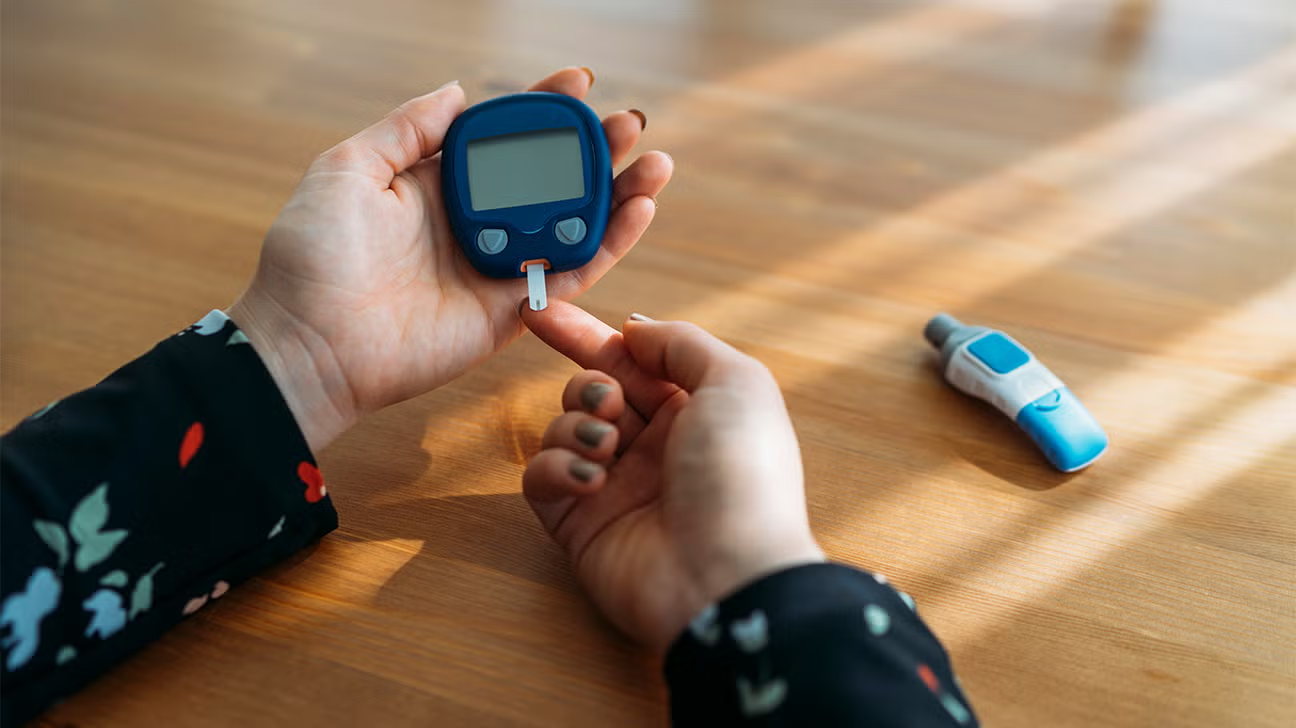
7. Memory and Data Tracking
A meter that stores previous readings can help parents and healthcare professionals identify patterns.
Depending on the device, stored information may include:
Blood glucose results
Date and time
Before- or after-meal markers
Averages over specific periods
Additional notes
Data tracking can be particularly useful during medical appointments because it provides a broader picture than a single glucose reading.
8. Smartphone Connectivity Can Be Helpful
Some modern glucometers can connect to a smartphone through Bluetooth or another wireless technology.
This can allow glucose readings to be transferred automatically to an app.
For families, potential advantages include:
Easier record keeping
Viewing trends
Sharing information with parents
Creating reports for healthcare appointments
Reducing manual entry
However, connectivity is not essential for a good glucometer. If a child or parent finds the technology confusing, a simple meter may actually be more practical.
Parents should also consider whether the app is compatible with their phone and whether its features are appropriate for their child’s age and needs.
9. Portability Is Important for School and Travel
Children rarely stay in one place all day. A glucometer should ideally be easy to carry in a diabetes bag or backpack.
A portable testing kit may include:
Glucose meter
Test strips
Lancing device
Lancets
Small disposal container or appropriate sharps-disposal solution
Backup batteries, if required
A compact meter can make it easier for children to carry their supplies to school, sports practice, sleepovers, and trips.
10. The Meter Should Be Durable
Children can accidentally drop things, spill liquids, or leave equipment in a backpack.
A durable meter can therefore be a practical advantage.
When comparing devices, parents can check the manufacturer’s information regarding:
Operating conditions
Storage conditions
Resistance to environmental factors
Warranty
Expected battery life
Even a durable meter should still be handled and stored according to the manufacturer’s instructions.
11. Consider the Cost of Test Strips
One of the biggest mistakes parents can make is looking only at the initial price of the glucometer.
The ongoing cost of test strips and lancets can be much more important.
Before purchasing a meter, consider:
Price of compatible test strips
Availability of the strips
Insurance or reimbursement coverage
Cost of lancets
Whether the strips are readily available locally
Whether the manufacturer has discontinued the product or supplies
A relatively inexpensive meter may become expensive if its test strips cost significantly more over time.
12. Availability of Supplies Is Essential
A sophisticated glucometer is not useful if its test strips are difficult to find.
Parents should check whether replacement supplies are easily available through their usual pharmacy or medical-supply provider.
This is particularly important when traveling.
Before choosing a meter, ask:
“Can I easily buy the strips and lancets for this meter when I need them?”
13. Alarms and Alerts Can Be Useful, But They Are Not a Substitute for a CGM
Some glucose meters may offer reminders or other notifications. These features can be convenient, but parents should understand the difference between a glucometer and a continuous glucose monitor.
A traditional glucometer provides a blood glucose measurement when the child performs a test. A CGM continuously measures glucose using a sensor and can provide trends and alerts.
Therefore, families should choose the monitoring technology based on the child’s treatment plan and healthcare team’s recommendations rather than simply choosing the device with the most features.
14. Consider the Child’s Age
The best glucometer for a preschool child may not be the best option for a teenager.
For younger children
Prioritize:
Simple operation
Large display
Minimal blood sample
Comfortable lancing
Durable design
Easy-to-carry case
Parents or caregivers will generally perform more of the testing and diabetes management.
For school-age children
Consider:
Easy operation
Memory storage
Portability
Fast results
Simple data tracking
Ability to use the meter independently with appropriate supervision
For teenagers
Additional features may become useful, including:
Bluetooth connectivity
Smartphone apps
Data sharing
Trend tracking
Compact design
Teenagers may also have stronger preferences regarding the appearance and size of their diabetes equipment, so involving them in the purchasing decision can improve acceptance and regular use.
15. Don’t Choose a Meter Based on Features Alone
A glucometer can have Bluetooth, a large memory, an attractive design, and multiple tracking options, but that does not necessarily make it the best choice for a child.
A better approach is to prioritize:
Accuracy → ease of use → comfort → supply availability → cost → useful technology
The most advanced device is not always the most practical one.
Glucometer Buying Checklist for Parents
Before buying a glucometer for a child, ask the following questions:
☐ Does the meter meet applicable accuracy and regulatory requirements?
☐ Does it require a small blood sample?
☐ Is the lancing device comfortable and adjustable?
☐ Is the display easy for the child and caregiver to read?
☐ Does it provide results quickly?
☐ Can the child use it easily when age-appropriate?
☐ Does it store previous readings?
☐ Is smartphone connectivity actually useful for the family?
☐ Are test strips readily available?
☐ How much do replacement strips and lancets cost?
☐ Is the meter portable enough for school and travel?
☐ Is there a reliable warranty or customer-support system?
☐ Does it fit the child’s diabetes management plan?
Final Thoughts
The best glucometer for a child is not necessarily the newest or most expensive model. Accuracy, ease of use, comfort, reliability, portability, and access to affordable test strips are usually more important than having every available technological feature.
Parents should discuss glucose-monitoring equipment with their child’s diabetes healthcare team, especially when deciding whether a traditional glucometer, CGM, or both are appropriate.
Most importantly, children should gradually be taught how to use their glucose-monitoring equipment safely and confidently. A meter that fits naturally into the child’s daily routine can make diabetes management less stressful for the entire family.
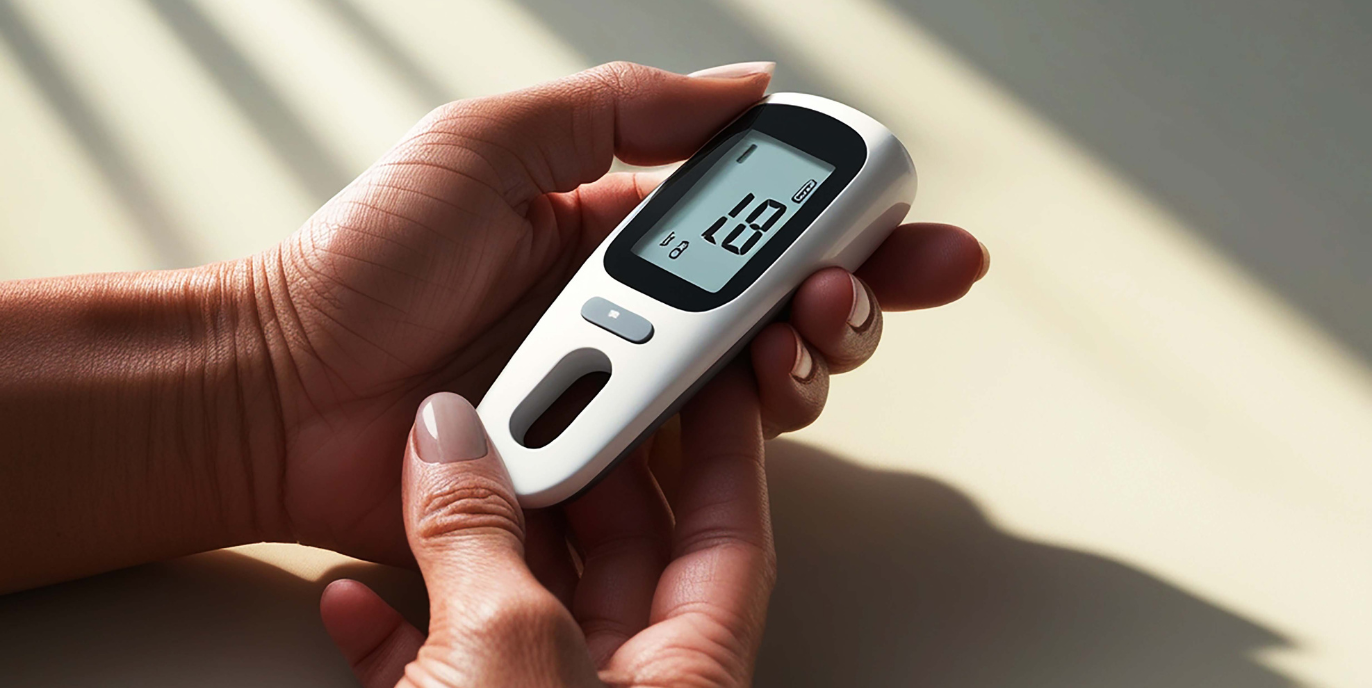
How to Choose a Glucometer for School
School is one of the most important environments to consider when selecting a glucose meter for a child. Testing may need to happen in the classroom, nurse’s office, cafeteria, or before and after physical education.
A school-friendly glucometer should ideally be:
Compact and easy to carry
Simple enough for the child or trained caregiver to operate
Quick to provide a reading
Easy to read in different lighting conditions
Supplied with a secure carrying case
Compatible with readily available test strips
Parents should also coordinate with school personnel about where the meter and other diabetes supplies will be stored. Younger children may need an adult to supervise testing, while older children may be able to perform testing independently according to their diabetes care plan.
What Makes a Glucometer Comfortable for Children?
Comfort is often overlooked when choosing diabetes equipment. If testing is consistently painful or frustrating, a child may become reluctant to check their blood glucose as recommended.
The meter itself does not usually cause discomfort—the fingerstick and lancing process do. Therefore, parents should pay attention to the entire testing system rather than only the meter.
Helpful considerations include:
Adjustable Lancing Depth
An adjustable lancing device allows the depth to be adapted to the child’s needs. Using the minimum effective depth may help reduce discomfort, although the appropriate setting varies between individuals.
Alternative Testing Sites
Some glucose meters and lancing devices may permit testing from sites other than the fingertip. However, alternative-site testing is not appropriate in every situation, particularly when glucose levels are changing rapidly or when symptoms do not match the meter reading.
Parents should follow the specific meter’s instructions and their child’s healthcare team’s recommendations.
Rotating Fingerstick Locations
Repeatedly using the same area of the same finger can cause soreness and irritation. Rotating testing sites as recommended can help reduce discomfort.
Glucometer Accuracy vs. CGM Accuracy
Parents sometimes wonder why a child’s CGM and glucometer can show different numbers.
A glucometer measures glucose in a blood sample, while a CGM measures glucose in interstitial fluid. Because they measure glucose in different ways and at somewhat different locations in the body, readings may not always be identical, particularly when glucose is changing quickly.
If a CGM reading does not match how the child feels, parents should follow the instructions provided by the CGM manufacturer and the child’s diabetes care team regarding when to confirm a reading with a blood glucose meter.
This is one reason why keeping a backup glucometer can be useful even when a child regularly uses a CGM.
When Should a Child Use a Glucometer?
The child’s diabetes management plan should determine when blood glucose testing is necessary.
A healthcare team may recommend checking blood glucose in situations such as:
When CGM readings are unavailable
When the CGM sensor is malfunctioning
When symptoms do not match the CGM reading
During certain illness or sick-day situations
When recommended by the child’s healthcare provider
When confirmation of a glucose reading is needed
Parents should not create additional testing requirements simply because a meter is available. The frequency and circumstances of glucose testing should be individualized.
How to Teach a Child to Use a Glucometer
Children can gradually learn to manage their own blood glucose testing as they become developmentally ready.
A parent or caregiver can first demonstrate the process:
Wash and dry the hands.
Prepare the meter and test strip.
Prepare the lancing device.
Obtain a blood sample according to the meter’s instructions.
Apply the blood to the test strip.
Wait for the result.
Record or synchronize the result if required.
Dispose of the lancet safely.
The child should learn that lancets are for single-person use and should never be shared.
For younger children, an adult may perform most of these steps. Independence can be introduced gradually rather than expecting the child to manage everything immediately.
How to Store a Child’s Glucometer
Proper storage can help protect the meter and its supplies.
Parents should:
Keep the meter and strips in their designated case when possible.
Follow the manufacturer’s temperature and humidity recommendations.
Keep test strips in their original container when required.
Close the test-strip container promptly after removing a strip.
Avoid storing supplies in places exposed to excessive heat or cold.
Check strips for expiration or damage.
Keep supplies away from young siblings who might accidentally access them.
Do not assume that a meter or test strip can safely remain in a car, especially during extreme temperatures.
Should Parents Buy Two Glucometers?
Having a backup meter can be useful for some families, particularly when a child spends significant time away from home.
For example, a family might keep:
One meter at home
Another meter in the child’s school diabetes kit
The exact arrangement depends on the child’s treatment plan, school policies, insurance coverage, and family preferences.
The important point is that a backup meter should use compatible, available supplies and should be maintained just like the primary meter.
What About Glucose Meters With Color-Coded Results?
Some meters use colors, symbols, or other visual indicators to help users understand whether a result falls within a programmed range.
These features may be helpful for children and caregivers because they can make the display easier to interpret.
However, parents should remember that a color or symbol does not replace the child’s individualized diabetes instructions. A reading should always be interpreted in the context of the child’s treatment plan.
Should You Choose a “Smart” Glucometer?
Smart meters can automatically transfer readings to an app or other connected device. This may be useful for families who want to keep digital records.
Before buying one, consider:
Is the app compatible with your phone?
Can multiple caregivers access the information when appropriate?
Is the connection reliable?
Is the interface easy to understand?
Can the meter still be used if the phone is unavailable?
Are the strips affordable and easy to obtain?
Technology should make diabetes management easier—not create another complicated system for the child or parent to maintain.
Questions to Ask a Healthcare Professional
Before purchasing a glucometer for a child, parents may want to ask the diabetes care team:
“Which meters are appropriate for my child’s treatment plan?”
“Does my child need a glucometer if they already use a CGM?”
“When should we confirm a CGM reading with a fingerstick?”
“What should we do if the meter and CGM show different results?”
“What blood glucose testing schedule is appropriate for my child?”
“Which supplies should we keep at home, at school, and during travel?”
These questions can help parents select equipment based on the child’s actual needs rather than marketing claims.
The Bottom Line: What Features Matter Most?
When comparing glucometers for children, parents don’t need to choose the meter with the longest list of features.
A practical priority list is:
| Feature | Importance |
|---|---|
| Reliable accuracy | ⭐⭐⭐⭐⭐ |
| Easy operation | ⭐⭐⭐⭐⭐ |
| Comfortable lancing system | ⭐⭐⭐⭐⭐ |
| Readable display | ⭐⭐⭐⭐⭐ |
| Affordable test strips | ⭐⭐⭐⭐⭐ |
| Availability of supplies | ⭐⭐⭐⭐⭐ |
| Small blood sample | ⭐⭐⭐⭐ |
| Fast results | ⭐⭐⭐⭐ |
| Memory/data storage | ⭐⭐⭐⭐ |
| Smartphone connectivity | ⭐⭐⭐ |
| Compact design | ⭐⭐⭐⭐ |
| Advanced smart features | ⭐⭐–⭐⭐⭐ |
A Good Glucometer Should Make Diabetes Management Easier
For children, the ideal glucometer is one that fits naturally into their everyday routine. It should be dependable enough for parents, simple enough for children to learn, comfortable enough to encourage regular testing, and affordable enough that replacement supplies are not a constant concern.
Rather than choosing a meter based solely on its technology or price, families should consider the child’s age, diabetes treatment, school routine, activity level, comfort, and ability to participate in their own care.
When these factors are considered together, choosing a glucometer becomes much less about finding the “most advanced” device and more about finding the right tool for the individual child.