
Financial Challenges of Pediatric Diabetes Equipment and Cost Management Strategies
Managing pediatric diabetes extends far beyond monitoring blood glucose levels and administering insulin.
For many families, one of the most significant yet often overlooked aspects of care is the financial burden associated with diabetes management.
The cost of medical equipment, ongoing supplies, healthcare visits, and emergency preparedness can place considerable strain on household budgets, creating additional stress for parents already navigating the complexities of caring for a child with a chronic condition.
Understanding these financial challenges and identifying practical cost-management strategies are essential steps toward ensuring that children receive the care they need without compromising their family’s economic stability.
The Rising Cost of Pediatric Diabetes Care
Type 1 diabetes requires lifelong treatment and continuous monitoring. Unlike short-term illnesses, diabetes management involves recurring expenses that can accumulate over months and years.
Families may face costs related to:
Insulin and insulin delivery supplies
Blood glucose meters and test strips
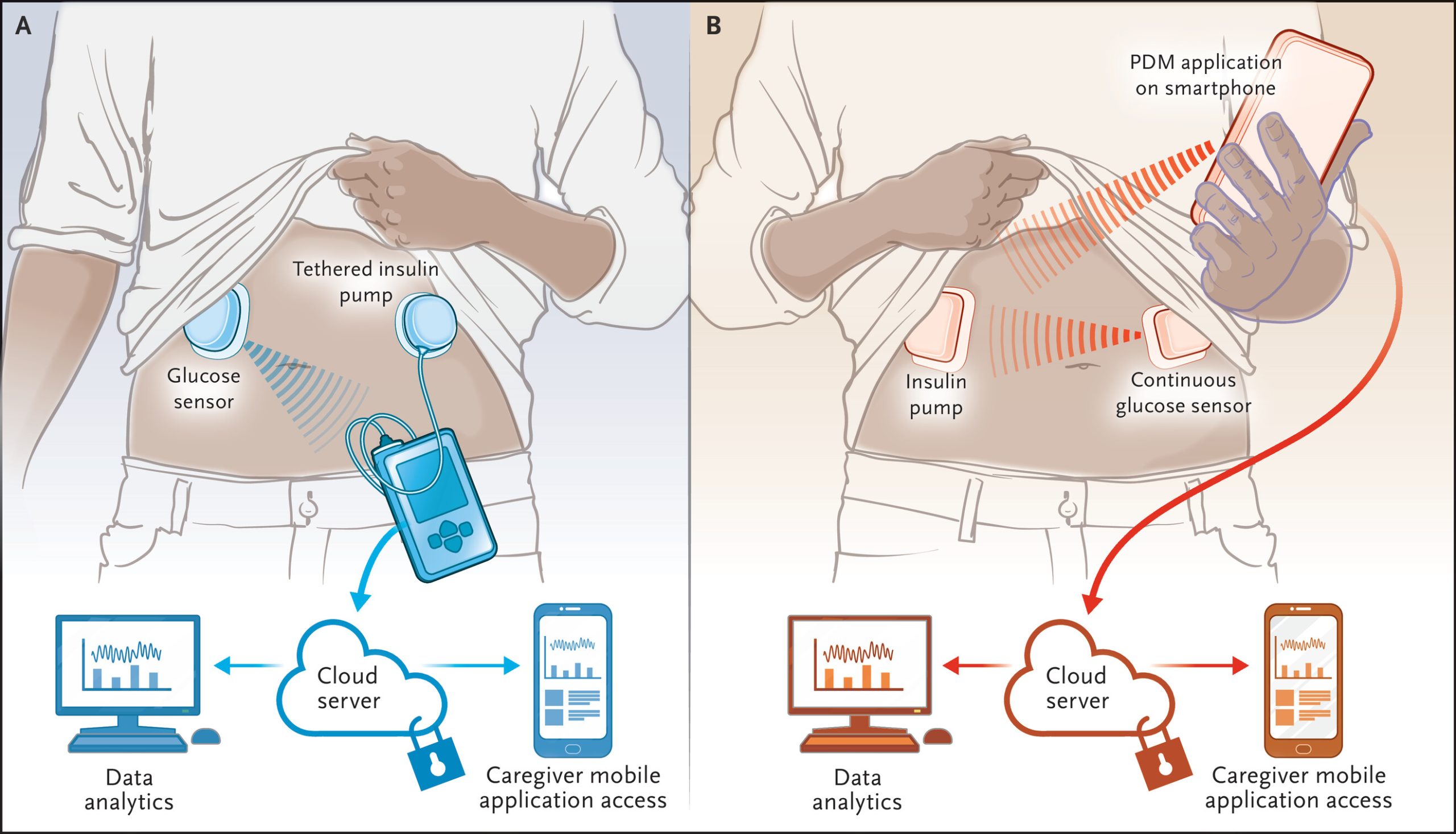
Continuous glucose monitoring (CGM) systems
Insulin pumps and infusion sets
Sensor replacements and transmitter updates
Routine appointments with endocrinologists and diabetes educators
Laboratory testing and screening procedures
Emergency glucagon kits
Medical identification products
Travel expenses associated with specialized healthcare services
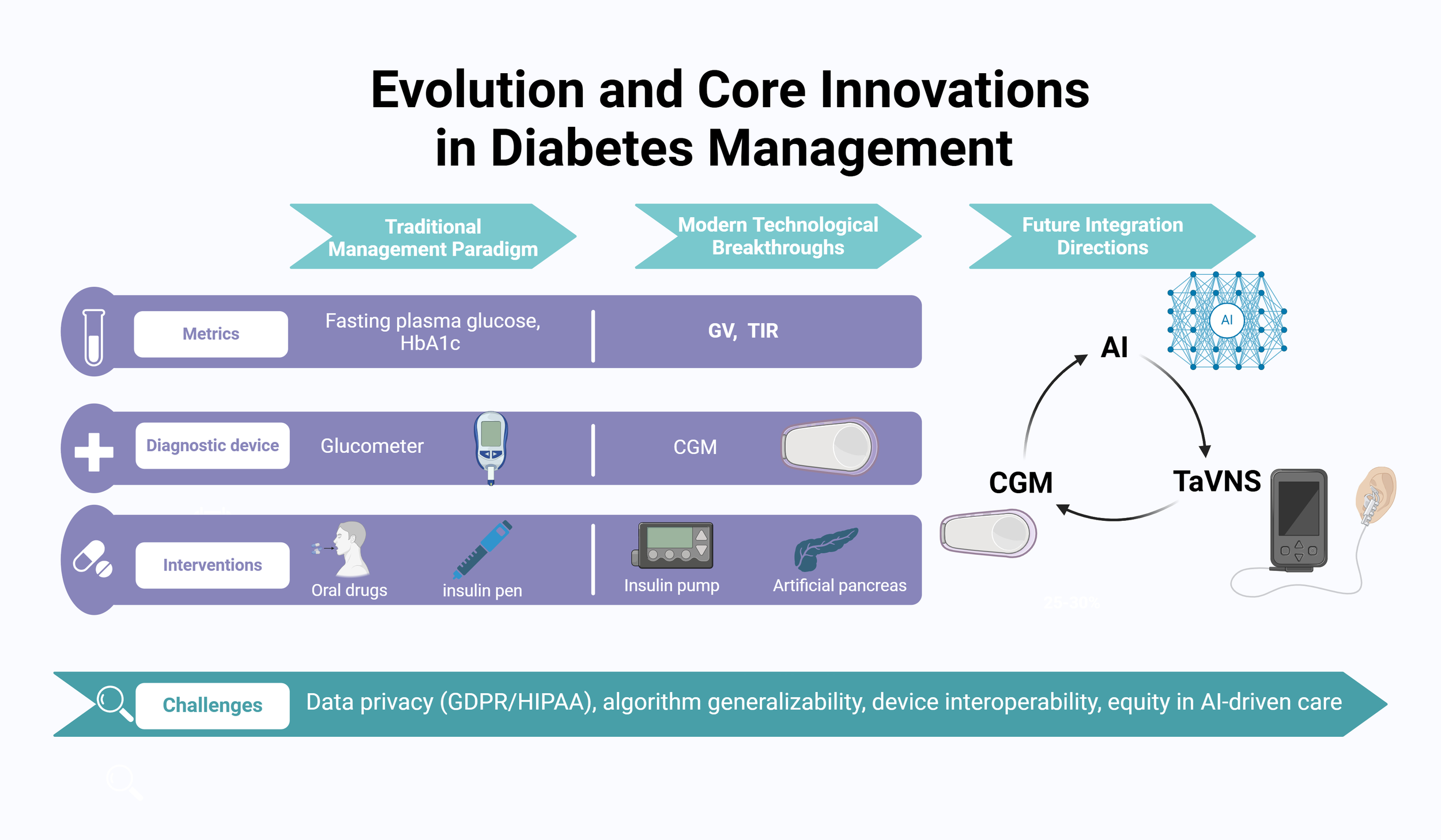
While advances in diabetes technology have improved health outcomes and quality of life, they have also introduced new financial considerations.
Devices that offer enhanced convenience and improved glucose control often require substantial upfront investments as well as ongoing maintenance costs.
The Impact on Family Well-Being
The economic demands of pediatric diabetes can affect multiple aspects of family life.
Parents may experience anxiety related to affording necessary supplies or maintaining adequate insurance coverage.
Some caregivers adjust their employment schedules to accommodate medical appointments or school-related diabetes management responsibilities, potentially resulting in reduced income.
Financial stress can also influence treatment decisions.
In some circumstances, families may delay replacing equipment, extend the use of supplies beyond recommended guidelines, or postpone healthcare visits due to concerns about affordability.
These compromises can increase the risk of complications and may ultimately lead to higher healthcare costs in the future.
Recognizing the emotional impact of financial strain is just as important as addressing the practical aspects of diabetes care.
Understanding Insurance Coverage
Health insurance plays a crucial role in determining access to diabetes technologies and services.
However, navigating insurance policies can be challenging.
Coverage may vary regarding:
Eligibility requirements for insulin pumps
Approval criteria for continuous glucose monitors
Annual deductibles and out-of-pocket maximums
Prior authorization procedures
Quantity limits for diabetes supplies
Preferred pharmacies and medical equipment providers
Coverage for replacement devices and accessories
Parents benefit from becoming familiar with the details of their insurance plans.
Maintaining records of prescriptions, medical necessity letters, and previous approvals can streamline communication with insurance representatives.
Healthcare teams often include staff members who can assist families with insurance appeals and documentation when coverage requests are denied.
Exploring Financial Assistance Programs
Many organizations recognize the economic burden associated with diabetes management and provide resources designed to improve access to care.
Potential sources of support include:
Manufacturer Assistance Programs
Some medical device and pharmaceutical companies offer financial assistance initiatives, discount programs, or temporary supply support for eligible families experiencing hardship.
Nonprofit Organizations
Diabetes-focused charities and advocacy groups may provide grants, emergency assistance, educational scholarships, or access to donated supplies.
Government Programs
Public health insurance programs and disability-related benefits may help reduce out-of-pocket expenses for qualifying families.
Eligibility requirements vary depending on geographic location and individual circumstances.
Hospital-Based Support Services
Social workers and patient navigators within pediatric healthcare settings can connect families with community resources and assist in identifying available funding opportunities.
Seeking assistance should never be viewed as a sign of failure. Rather, it reflects proactive advocacy for a child’s health and well-being.
Practical Cost Management Strategies
Although not all diabetes-related expenses can be eliminated, families can adopt strategies to improve financial planning and reduce unnecessary costs.
Develop a Dedicated Healthcare Budget
Creating a separate category within the household budget for diabetes-related expenses allows families to anticipate recurring costs more effectively.
Tracking expenditures over time can help identify spending patterns and prepare for predictable expenses such as sensor replacements or annual deductible resets.
Maintain an Organized Supply Inventory
Monitoring supply levels helps prevent emergency purchases, which may be more expensive or require expedited shipping fees.
Keeping a written or digital inventory can also reduce waste resulting from expired products or duplicate orders.
Utilize Flexible Spending Accounts
When available, tax-advantaged healthcare accounts may provide opportunities to pay for eligible medical expenses using pre-tax funds.
Understanding annual contribution limits and reimbursement procedures can maximize the benefits of these programs.
Compare Pharmacy and Supplier Options
Prices for diabetes medications and supplies may differ among pharmacies and durable medical equipment providers.
Families should periodically review available options to ensure they are receiving the most cost-effective services permitted under their insurance plans.
Plan for Equipment Replacement
Medical devices have limited lifespans.
Preparing financially for future upgrades or replacements can reduce stress when equipment eventually requires renewal.
Including anticipated replacement timelines within long-term financial planning can improve overall readiness.
The Importance of Advocacy
Beyond individual cost-saving efforts, broader advocacy initiatives play an important role in improving affordability for all families affected by pediatric diabetes.
Patient advocacy organizations continue to work toward:
Expanding insurance coverage for diabetes technologies
Reducing barriers associated with prior authorization requirements
Promoting transparency in healthcare pricing
Supporting legislation aimed at lowering insulin costs
Increasing awareness of the financial realities of chronic disease management
Parents, healthcare professionals, and community leaders all contribute to creating systems that prioritize equitable access to essential diabetes care.
Looking Ahead
Technological innovations continue to transform the management of pediatric diabetes, offering new opportunities to improve health outcomes and enhance quality of life.
However, these advancements must remain accessible to the families who need them most.
Addressing the financial challenges associated with diabetes equipment requires collaboration among healthcare providers, insurers, policymakers, manufacturers, and patient advocates.
At the family level, education, strategic planning, and awareness of available resources can help reduce economic strain and support informed decision-making.
Ultimately, no child should be denied the benefits of effective diabetes management because of financial limitations.
By combining practical cost-management strategies with ongoing efforts to improve healthcare accessibility, families can better navigate the economic aspects of diabetes care while maintaining focus on what matters most:
helping children thrive, grow, and lead healthy, fulfilling lives despite the challenges of chronic illness.
Hidden Costs of Pediatric Diabetes Management
When discussing the economic impact of pediatric diabetes, attention is often focused on visible expenses such as insulin, glucose sensors, and insulin pumps.
However, many families encounter additional hidden costs that are less frequently acknowledged but equally important.
Lost Work Time for Caregivers
Parents of children with diabetes often need to attend medical appointments, respond to school-related concerns, manage illness-related glucose fluctuations, or provide supervision during periods of treatment adjustment.
These responsibilities may require taking unpaid leave, reducing working hours, or declining career advancement opportunities.
Over time, these indirect costs can significantly influence a family’s financial stability.
Transportation and Accommodation Expenses
Families living in rural or underserved areas may need to travel considerable distances to access pediatric endocrinology services.
Transportation costs, parking fees, meals away from home, and occasional overnight accommodations can add to the overall burden of care.
The frequency of follow-up appointments means that even relatively small expenses can accumulate throughout the year.
Educational and Childcare Considerations
Some parents may invest in additional educational resources to ensure that teachers, babysitters, and other caregivers understand diabetes management principles.
In certain situations, families may require specialized childcare arrangements, which can involve higher fees due to the child’s medical needs.
Although these expenses are often overlooked in healthcare discussions, they represent meaningful financial commitments for many households.
Building a Long-Term Financial Plan
Because Type 1 diabetes requires lifelong management, adopting a proactive approach to financial planning can improve preparedness and reduce stress.
Anticipate Future Healthcare Needs
Children’s medical needs evolve as they grow.
Changes in insulin requirements, transitions to different technologies, and increasing independence during adolescence may influence future healthcare expenses.
Families should periodically review their healthcare budgets and adjust financial plans accordingly.
Establish an Emergency Medical Fund
Unexpected situations such as equipment failure, insurance delays, travel emergencies, or temporary supply shortages may require immediate financial resources.
Setting aside funds specifically designated for medical emergencies can provide an important safety net during periods of uncertainty.
Even modest contributions over time can strengthen a family’s financial resilience.
Review Insurance Plans Annually
Insurance benefits often change from year to year. Open enrollment periods provide opportunities to compare available plans and evaluate factors such as:
Prescription drug coverage
Durable medical equipment benefits
Out-of-pocket maximums
Provider network availability
Coverage for diabetes technologies
Access to pediatric specialists
Careful review of these details can prevent unexpected expenses and ensure continuity of care.
Teaching Financial Literacy Within Diabetes Care
As children mature, involving them in age-appropriate discussions about healthcare costs can promote responsibility and self-advocacy.
Adolescents preparing for adulthood benefit from learning about:
The importance of maintaining health insurance coverage
Prescription refill procedures
Ordering medical supplies
Understanding healthcare bills and explanations of benefits
Budgeting for diabetes-related expenses
Communicating effectively with healthcare providers and insurance representatives
These skills become particularly important during the transition from pediatric to adult healthcare systems.
Empowering young people with practical knowledge can enhance both independence and confidence.
The Role of Schools and Community Support
Schools play a vital role in supporting children with diabetes and reducing some of the indirect burdens experienced by families.
Well-trained school personnel can help ensure that students receive timely assistance with glucose monitoring, insulin administration, and emergency interventions.
Effective communication between families and educational institutions may reduce the need for parents to leave work unexpectedly.
Community organizations can also contribute by offering:
Educational workshops
Parent support groups
Summer camps for children with diabetes
Peer mentoring opportunities
Assistance navigating healthcare systems
Strong community networks help families recognize that they do not have to face financial and emotional challenges in isolation.
Addressing Health Disparities
Not all families experience the financial burden of diabetes in the same way.
Socioeconomic factors, geographic location, language barriers, and differences in healthcare access can create disparities in the availability of diabetes technologies and specialized services.
Children from underserved communities may encounter obstacles such as:
Limited access to pediatric endocrinologists
Delayed diagnosis and treatment adjustments
Reduced availability of advanced technologies
Higher out-of-pocket costs relative to household income
Challenges related to transportation and healthcare navigation
Addressing these inequities requires coordinated efforts at multiple levels of society.
Healthcare systems must strive to ensure that treatment decisions are guided by medical need rather than financial circumstances.
Research and Policy Initiatives
Growing awareness of the economic burden associated with pediatric diabetes has prompted researchers and policymakers to examine strategies for improving affordability.
Areas of ongoing focus include:
Evaluating the long-term cost-effectiveness of diabetes technologies
Expanding public insurance coverage for essential devices
Streamlining authorization procedures for medically necessary equipment
Encouraging pricing transparency within healthcare systems
Supporting legislation designed to improve access to insulin and diabetes supplies
Although meaningful progress has been made in some regions, continued advocacy remains essential.
Families, clinicians, researchers, and advocacy organizations all have important voices in shaping policies that prioritize equitable access to care.
Conclusion: Balancing Financial Realities With Hope
The financial challenges associated with pediatric diabetes management are complex and multifaceted.
Beyond the direct costs of medications and medical equipment, families often navigate hidden expenses, employment disruptions, insurance complexities, and long-term planning considerations.
Despite these obstacles, there are reasons for optimism.
Advances in technology continue to improve health outcomes and quality of life.
Financial assistance programs, educational resources, and community support systems provide valuable tools for families seeking relief from economic pressures.
Increased public awareness and advocacy efforts are also contributing to broader conversations about affordability and healthcare equity.
Ultimately, effective diabetes management requires more than clinical expertise—it requires compassion, collaboration, and recognition of the real-world challenges families face every day.
By combining sound financial planning with access to appropriate medical care and supportive resources, families can navigate the economic demands of pediatric diabetes while maintaining focus on their child’s growth, development, and future aspirations.
No parent should have to choose between financial security and their child’s health.
Continued efforts to reduce barriers to care can help ensure that every child living with diabetes has the opportunity to thrive, regardless of economic circumstances.