
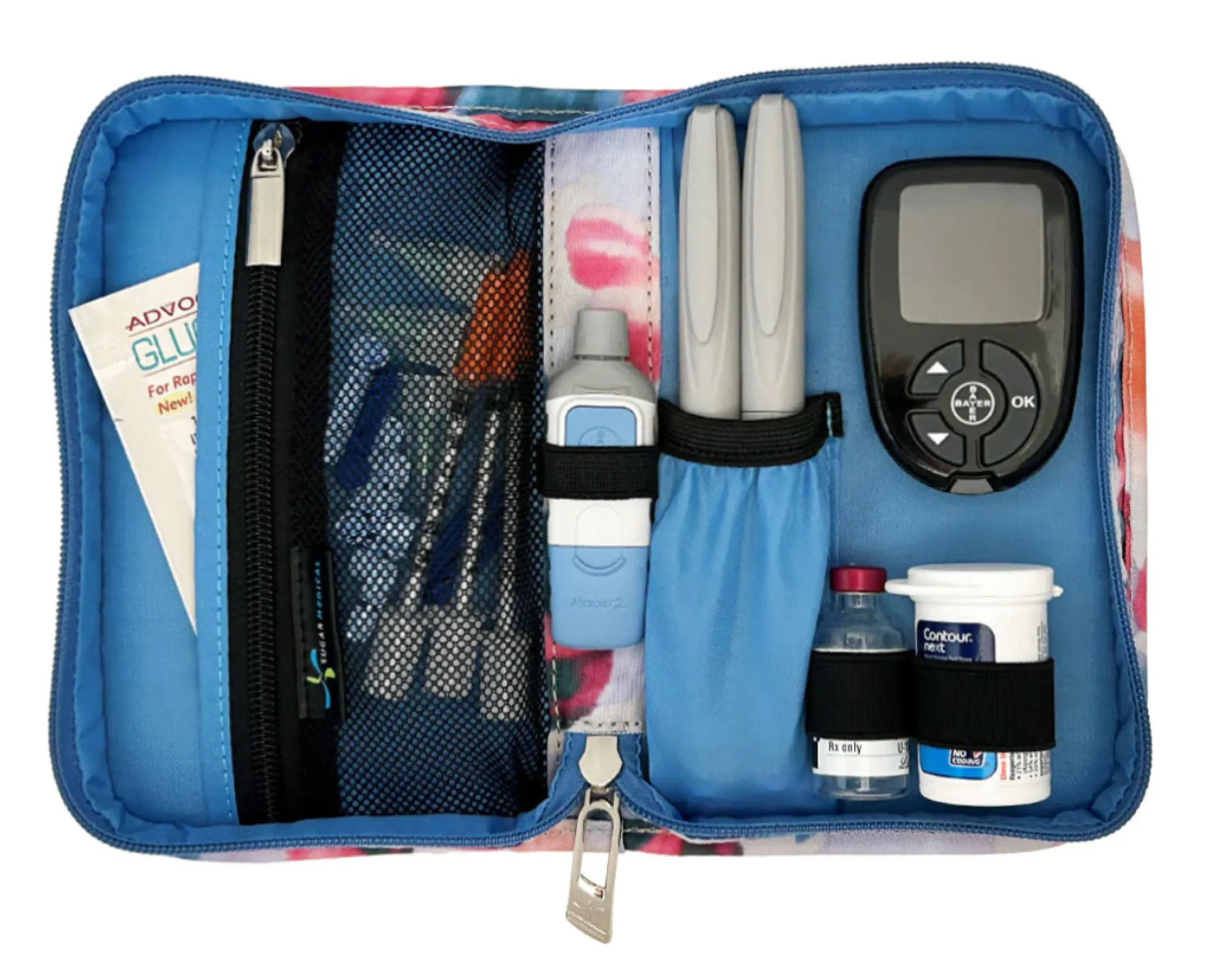
Essential Supplies Every Diabetic Child Should Always Have With Them
Children with diabetes need to be prepared for unexpected changes in blood sugar, whether they are at school, playing sports, traveling, or spending time with friends. Having the right diabetes supplies readily available can make it easier to respond quickly to low or high blood sugar and avoid unnecessary emergencies.
A well-organized diabetes emergency kit should be age-appropriate, easy for the child or caregiver to access, and checked regularly to make sure nothing is expired, damaged, or running out.
1. Blood Glucose Meter and Testing Supplies
Even children who use a continuous glucose monitor (CGM) may benefit from having a traditional blood glucose meter available.
The kit should include:
Blood glucose meter
Test strips
Lancing device
Lancets
Alcohol wipes, if needed
Extra batteries for the meter
A blood glucose meter can be particularly useful when the CGM reading does not match the child’s symptoms or when the sensor is unavailable or malfunctioning.
2. Continuous Glucose Monitor Supplies
For children who use a CGM, carrying backup supplies can prevent interruptions in glucose monitoring.
Depending on the child’s system, consider having:
A spare sensor when practical
CGM receiver or compatible smartphone
Charging cable or power bank
Adhesive patches or overpatches
Skin-preparation supplies
Manufacturer-recommended backup supplies
Parents should also make sure that important CGM alerts are enabled and that caregivers know how to respond to them.
3. Fast-Acting Carbohydrates
Every child with diabetes who is at risk of hypoglycemia should have a source of fast-acting carbohydrate readily available.
Good options include:
Glucose tablets
Glucose gel
Small juice box
Regular (non-diet) soda
Other age-appropriate sources of rapidly absorbed carbohydrate
The amount needed depends on the child’s diabetes management plan, age, size, and healthcare team’s recommendations.
Fast-acting carbohydrates should be stored somewhere the child can access quickly, such as a backpack, sports bag, or designated school location.
4. Glucagon or Another Emergency Hypoglycemia Treatment
A prescribed glucagon rescue medication should be available for children who may experience severe hypoglycemia.
Parents should make sure that:
The medication has not expired.
Caregivers know where it is kept.
Teachers, coaches, and other responsible adults know when and how it should be used according to the child’s emergency plan.
A backup is available when appropriate.
Some newer glucagon products are designed to be easier for caregivers to administer than traditional formulations.
5. Insulin and Delivery Supplies
Children who use insulin should have access to the supplies required by their individual treatment plan.
Depending on whether the child uses injections or an insulin pump, these may include:
Insulin
Insulin pen and needles
Syringes, if prescribed
Extra pump infusion sets
Pump reservoirs or cartridges
Backup insulin-delivery supplies
Alcohol wipes
Sharps container or an appropriate temporary sharps-storage solution
For children using an insulin pump, having a backup plan for insulin delivery is particularly important in case the pump fails or an infusion set becomes disconnected.
6. Snacks for Longer Activities
Fast-acting carbohydrates are primarily intended to treat low blood glucose. Children may also need regular snacks depending on their meal plan, activity level, and diabetes management instructions.
A diabetes kit may therefore include an appropriate snack such as:
Crackers
Granola bar
Fruit
Sandwich
Other foods recommended by the child’s diabetes care team
Parents should avoid assuming that every child needs the same snack or carbohydrate amount. Individual diabetes plans should guide these decisions.

7. Medical Identification
A medical ID can be extremely helpful if a child becomes confused, unconscious, or otherwise unable to explain that they have diabetes.
Options include:
Medical ID bracelet
Medical ID necklace
Wallet card
Emergency information card
The identification can indicate that the child has diabetes and provide important emergency information.
8. Written Diabetes Management Plan
Children should have an up-to-date diabetes management or emergency plan available to caregivers.
Depending on the child’s needs, it may include:
Target blood glucose ranges
Insulin instructions
Hypoglycemia treatment instructions
Hyperglycemia instructions
CGM information
Insulin pump information
Ketone-testing instructions
Emergency contact information
Healthcare provider contact information
Schools and childcare facilities should have the appropriate documentation and know where to find it.
9. Ketone Testing Supplies
For children with type 1 diabetes, ketone testing supplies can be especially important during illness or significant hyperglycemia.
Depending on the family’s diabetes care plan, this may include:
Urine ketone strips
Blood ketone meter
Blood ketone test strips
Parents should follow the child’s individualized sick-day plan for when ketones should be checked and what action should be taken.
10. Phone, Charger, or Power Bank
Technology is increasingly important in pediatric diabetes management. A child’s smartphone may be used to:
Receive CGM alerts
Communicate with parents
Monitor glucose data
Access diabetes-management applications
Contact caregivers during an emergency
A portable power bank can be useful for longer days away from home, especially when a phone is being used as part of the child’s glucose-monitoring system.
11. Water and Hydration Supplies
Staying hydrated is important, particularly during physical activity or periods of high blood glucose.
A reusable water bottle can be a simple but useful addition to a child’s diabetes bag. However, excessive thirst or frequent urination can also be signs of high blood glucose, so these symptoms should not simply be attributed to normal activity.
12. A Dedicated Diabetes Emergency Bag
Instead of keeping supplies scattered between different bags, parents can create a dedicated diabetes kit.
A practical kit might contain:
Glucose monitoring
Glucose meter
Test strips
Lancets
Extra batteries
Hypoglycemia treatment
Glucose tablets or another fast-acting carbohydrate
Glucagon
Insulin management
Insulin
Pen needles or syringes
Pump backup supplies, if applicable
Emergency supplies
Ketone-testing supplies
Written diabetes management plan
Medical identification
Emergency contact information
Technology
CGM supplies
Charging cable
Power bank
Diabetes Supplies for School and Sports
Children often spend many hours away from their parents, making preparation especially important.
Parents should coordinate with the school, teachers, school nurse, coaches, and other caregivers so they know:
Where the child’s diabetes supplies are stored
How to recognize symptoms of hypoglycemia and hyperglycemia
How to respond to CGM alarms
Where fast-acting carbohydrates are kept
How to access emergency medication
When parents or emergency services should be contacted
For sports and physical activity, children may need additional glucose-monitoring supplies, fast-acting carbohydrates, water, and any other items specified in their individualized diabetes plan.
Check the Diabetes Kit Regularly
A diabetes emergency kit is only useful if its contents are available and usable.
Parents should periodically check:
Medication expiration dates
Test-strip expiration dates
Insulin storage conditions
Battery levels
CGM supplies
Glucagon availability
Amount of fast-acting carbohydrate
Pump supplies
Ketone strips
Emergency contact information
It is also a good idea to keep backup supplies in appropriate locations, such as at home, school, and with another trusted caregiver, when feasible.
Final Takeaway
The exact supplies a diabetic child needs depend on their age, type of diabetes, treatment method, and individualized diabetes management plan.
However, blood glucose monitoring supplies, fast-acting carbohydrates, emergency hypoglycemia treatment, insulin and delivery supplies, medical identification, and an up-to-date emergency plan are among the most important items to have readily available.
The goal is not to make children feel restricted or different. Instead, good preparation allows them to go to school, play sports, travel, and participate in everyday activities with greater confidence and safety.
How to Organize Diabetes Supplies for a Child
Simply having diabetes supplies is not enough. They should be organized so that the child, parents, teachers, and other caregivers can quickly find what they need.
A useful approach is to divide supplies into several small sections.
Daily Diabetes Supplies
These are the items the child may need throughout a normal day:
CGM or glucose meter supplies
Insulin and insulin-delivery equipment
Fast-acting carbohydrates
Water bottle
Regular snacks when appropriate
Phone or glucose-monitoring device
These supplies should be easily accessible rather than buried underneath books, clothing, or sports equipment.
Emergency Diabetes Supplies
Emergency supplies should be kept in a clearly labeled location and should be accessible to responsible adults.
This section may include:
Glucagon or another prescribed emergency hypoglycemia medication
Additional glucose tablets or glucose gel
Ketone-testing supplies
Backup insulin-delivery equipment
Written emergency instructions
Emergency contact information
Caregivers should know exactly where these supplies are stored before an emergency occurs.

What Should a Child Carry in a Diabetes Backpack?
A child’s diabetes backpack can be customized according to their treatment plan and daily activities. A basic everyday kit may include:
Glucose meter and testing supplies
CGM-related supplies, if applicable
Fast-acting carbohydrates
Insulin and necessary delivery supplies
Emergency glucagon
A small snack
Water
Medical ID
Phone or communication device
Emergency contact card
Younger children may need an adult to carry and manage some of these supplies, while older children can gradually learn to take greater responsibility for their diabetes care.
Diabetes Supplies for Overnight Trips and Travel
Travel requires additional preparation because replacing diabetes supplies may be difficult when a child is away from home.
For overnight trips, camps, vacations, or family travel, consider bringing more supplies than the child normally uses.
The travel kit may include:
Extra glucose-monitoring supplies
Additional insulin
Extra needles or syringes
Backup pump supplies
Extra CGM sensors when applicable
Extra batteries or charging equipment
Fast-acting carbohydrates
Glucagon
Ketone-testing supplies
Medical documentation
Emergency contact information
Snacks
A copy of the child’s diabetes management plan
Parents should also consider how insulin and other temperature-sensitive supplies will be stored during transportation.
What Should Parents Give the School?
Parents should work with the child’s healthcare team and school to determine what supplies should remain at school rather than traveling back and forth every day.
A school diabetes kit may include:
Blood glucose meter and supplies
Fast-acting carbohydrates
Glucagon
Ketone-testing supplies when appropriate
Backup insulin-delivery supplies
Relevant medical instructions
Emergency contact information
The school should also know how to contact the child’s parents or caregivers and when emergency medical assistance is necessary.
Teaching Children to Manage Their Own Supplies
Diabetes management is a gradual learning process. Children do not need to become completely responsible for their diabetes overnight.
Parents can gradually teach children to:
Recognize the symptoms of low blood sugar
Tell an adult when they feel unwell
Know where their glucose treatment is kept
Recognize their diabetes equipment
Check that they have their diabetes bag before leaving home
Understand the purpose of their CGM or glucose meter
Learn how their insulin-delivery system works
Tell teachers or coaches that they need help
As children become older and more confident, they can gradually take on additional responsibilities under appropriate adult supervision.
Don’t Forget Diabetes Supplies During Exercise
Physical activity can affect blood glucose levels, and children with diabetes may need additional preparation before, during, and after exercise.
Before leaving for sports practice or physical activity, make sure the child has access to:
Their glucose-monitoring method
Fast-acting carbohydrates
Water
Insulin and necessary diabetes supplies
Emergency medication
Any additional supplies recommended by their diabetes care team
Coaches and other responsible adults should know that the child has diabetes and understand what to do if the child develops symptoms of hypoglycemia or becomes unwell.
What Should Be Kept in a Diabetes Emergency Kit at Home?
In addition to the supplies a child carries, families should maintain a larger backup supply at home.
A home emergency kit can contain:
Backup glucose meter
Extra test strips and lancets
Backup CGM supplies
Extra insulin-delivery equipment
Ketone-testing supplies
Fast-acting carbohydrates
Glucagon
Batteries and charging equipment
Copies of important medical information
Extra snacks and water
The purpose of the home kit is to make sure the family has alternatives if the child’s usual equipment stops working or supplies are temporarily unavailable.
Common Mistakes Parents Should Avoid
Even well-prepared families can occasionally overlook important details.
1. Keeping All Supplies in One Location
If all diabetes supplies are in a single backpack and that backpack is lost, the child may suddenly have no access to essential equipment.
Keeping appropriate backup supplies in other locations can provide an additional safety net.
2. Allowing Supplies to Expire
Glucagon, test strips, medications, and other supplies should be checked regularly. Expired or damaged supplies should be replaced according to the manufacturer’s instructions and the child’s healthcare team’s recommendations.
3. Forgetting About Technology
A CGM or smartphone can be an important part of diabetes management, but electronic devices can lose power or malfunction.
Having appropriate backup monitoring supplies can be valuable.
4. Not Telling Caregivers What to Do
A teacher or coach may have the child’s emergency supplies but not know how to use them.
Clear instructions and appropriate training are just as important as having the equipment itself.
5. Making the Emergency Kit Too Difficult to Access
During hypoglycemia, every second can feel important. Fast-acting carbohydrates and emergency supplies should be stored where responsible people can quickly find them.
How Often Should a Diabetes Emergency Kit Be Checked?
Families should establish a routine for checking the kit rather than waiting until an emergency occurs.
A regular review can include:
Every few weeks
Check fast-acting carbohydrate supplies.
Make sure frequently used supplies have not run out.
Confirm that devices are charged when necessary.
Every month
Review medication and supply expiration dates.
Check batteries and backup equipment.
Review the child’s emergency contact information.
When the child’s treatment changes
Update the diabetes management plan.
Replace outdated supplies.
Make sure school staff and other caregivers receive updated instructions.
A Simple Diabetes Emergency Checklist
Before a child leaves home, parents can use a simple checklist:
☐ Glucose monitoring supplies
☐ CGM/receiver or phone, if applicable
☐ Fast-acting carbohydrate
☐ Insulin and delivery supplies
☐ Glucagon
☐ Ketone-testing supplies, when needed
☐ Water
☐ Appropriate snack
☐ Medical ID
☐ Emergency contact information
☐ Charged phone/device
The exact list should always be adapted to the child’s individual diabetes treatment plan.
Final Thoughts
Being prepared can make diabetes management much easier for children and their families.
A well-organized diabetes kit gives parents peace of mind and helps children participate in school, sports, travel, and social activities without constantly worrying about what might happen if their blood sugar changes.
The most important principle is individualized preparation. Every child has different insulin needs, glucose targets, technology, activity levels, and emergency instructions.
Parents should therefore work with the child’s diabetes healthcare team to create a supply and emergency plan that fits the child’s specific needs.