
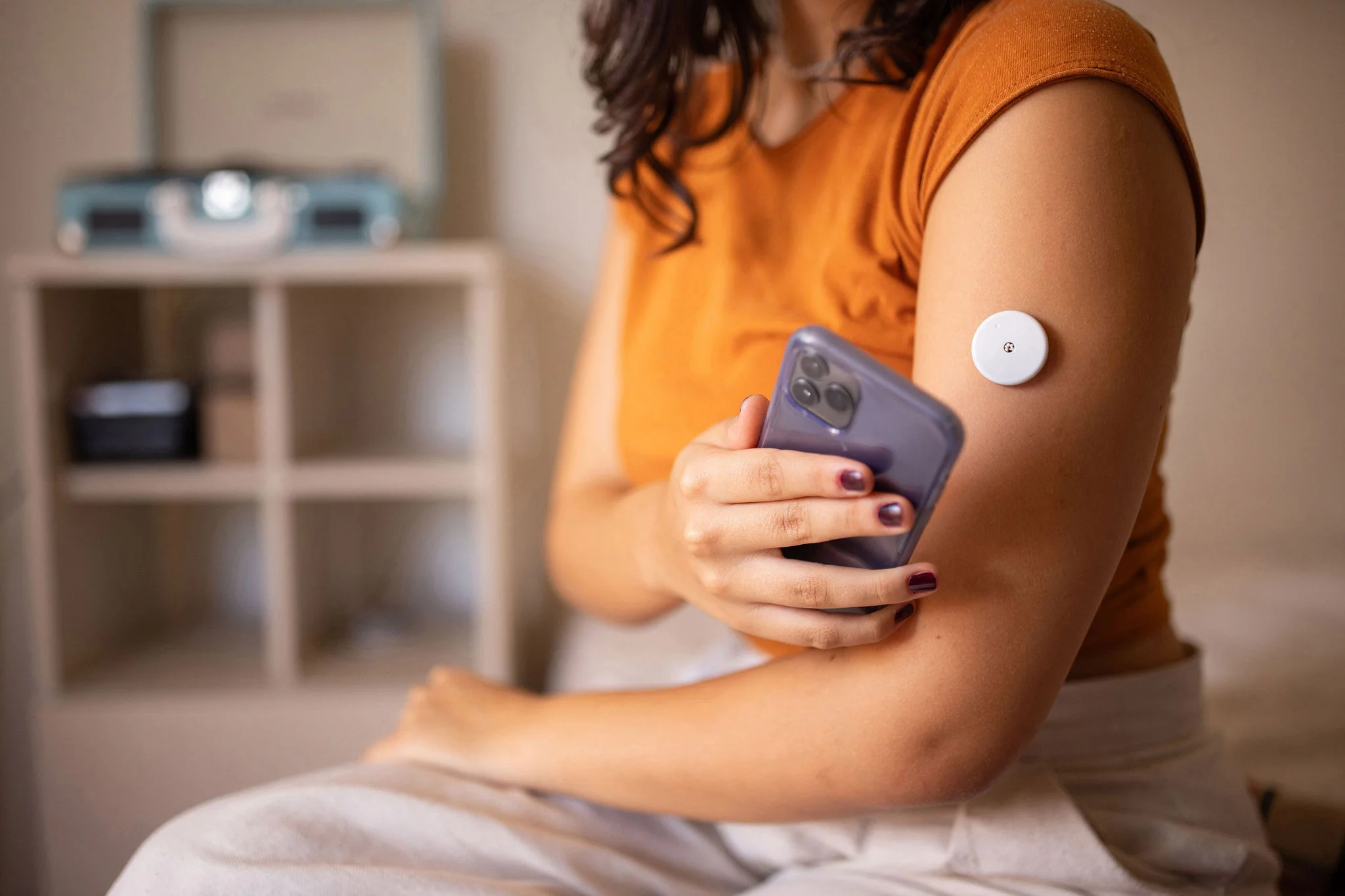
Duration of CGM Sensors in Children: When Should They Be Replaced?
Introduction
Continuous glucose monitoring (CGM) systems have become a cornerstone in managing Type 1 Diabetes in children. These devices provide real-time glucose readings, trends, and alerts that help improve safety and glycemic control. However, one of the most common practical questions from parents and caregivers is: how long should a CGM sensor be worn, and when should it be replaced?
The answer depends on the device type, sensor performance, and the child’s individual circumstances.
Standard Wear Duration by Device
Each CGM system has a manufacturer-approved wear time:
Dexcom G6: up to 10 days
Dexcom G7: up to 10 days (with a short grace period)
FreeStyle Libre 2: up to 14 days
FreeStyle Libre 3: up to 14 days
These durations are based on clinical testing for accuracy, safety, and adhesive reliability.
Why Sensors Have a Limited Lifespan
Several factors determine how long a sensor can function properly:
1. Enzyme Degradation
CGM sensors rely on enzymatic reactions (typically glucose oxidase). Over time, the enzyme activity declines, reducing accuracy.
2. Foreign Body Response
The body recognizes the sensor filament as foreign, leading to:
Mild inflammation
Tissue changes around the insertion site
This can affect glucose readings over time.
3. Adhesive Wear
Adhesives weaken due to:
Sweat
Movement
Skin oils
This is especially relevant in active children.
When Should a Sensor Be Replaced Early?
Even if the maximum wear time hasn’t been reached, replacement is recommended if:
Accuracy Issues
Readings don’t match symptoms
Large discrepancies with fingerstick glucose values
Frequent calibration errors (if applicable)
Sensor Failure Alerts
“Sensor error” or “signal loss” messages
Repeated data gaps
Skin Problems
Redness, itching, or rash (risk of dermatitis)
Pain or discomfort at the site
Signs of infection (swelling, warmth, discharge)
Adhesion Problems
Sensor peeling off prematurely
Loose filament (risk of inaccurate readings)
Pediatric Considerations
Children often require closer monitoring due to:
Higher Activity Levels
Running, اللعب, and sweating can shorten sensor lifespan.
Sensitive Skin
Skin irritation may necessitate earlier removal.
Smaller Body Surface Area
Limits available rotation sites, increasing the risk of repeated irritation.
Can Sensors Be Worn Longer Than Recommended?
Some families attempt to extend sensor use beyond approved durations (often called “restarting” sensors). However:
Important Considerations
Not approved by manufacturers
Accuracy may decline significantly
Increased risk of skin complications
May void device warranty or support
From a clinical perspective, sticking to recommended wear times is safest, especially in children.
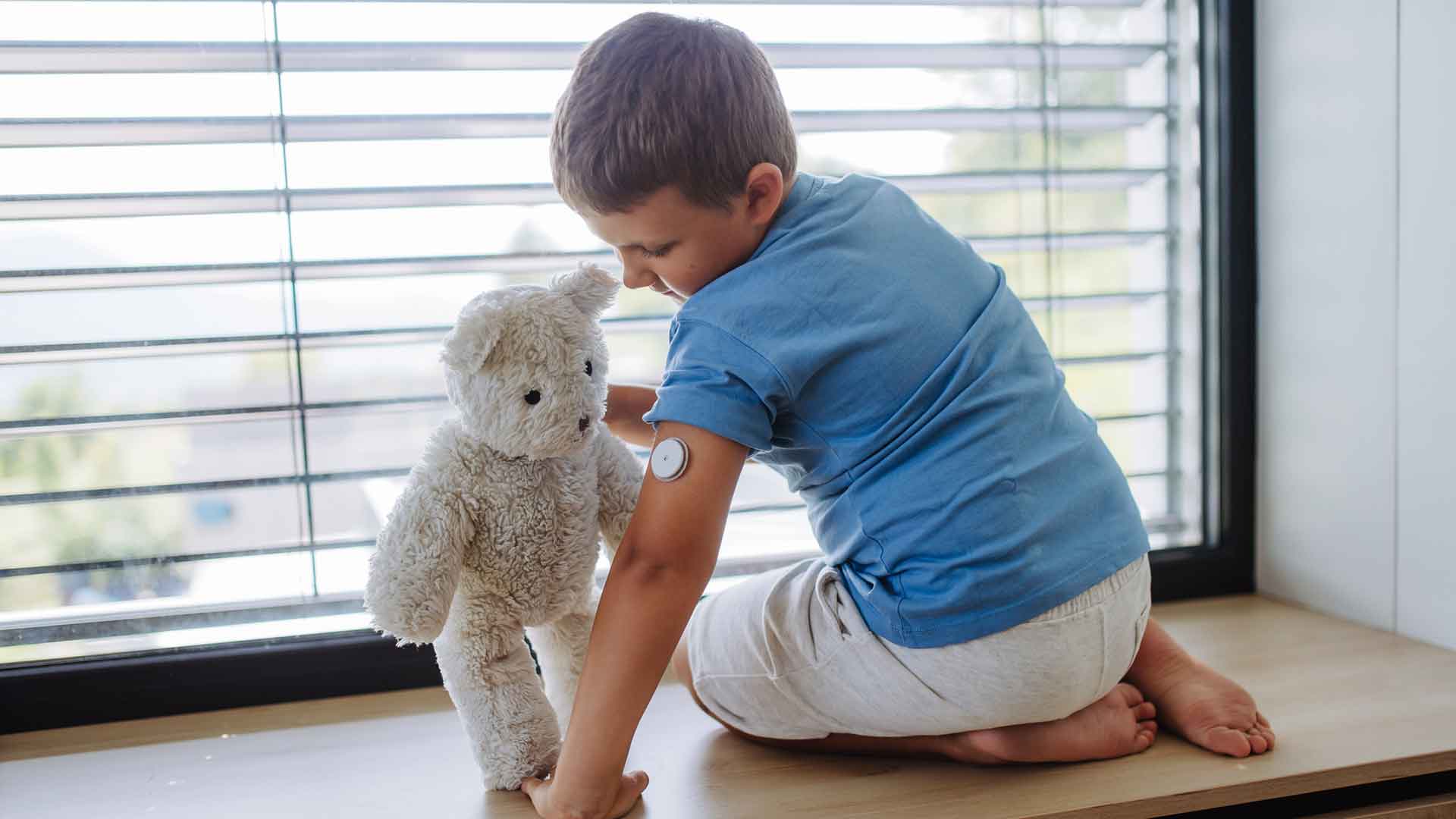
Strategies to Maximize Sensor Duration Safely
1. Proper Application
Apply to clean, dry skin
Avoid lotions or oils beforehand
2. Use of Overpatches
Reinforces adhesion
Especially helpful for active children
3. Site Selection
Choose areas with minimal friction
Avoid areas with frequent movement or pressure
4. Skin Protection
Use barrier films if irritation occurs
Rotate sites consistently
Practical Replacement Routine
A structured routine helps families manage CGM use effectively:
Replace sensors on schedule (every 10–14 days depending on device)
Choose a consistent time of day (many prefer evenings)
Keep spare sensors available
Monitor readings closely during the first 24 hours after insertion
Recognizing the “End-of-Life” Pattern
Many users notice predictable changes when a sensor is nearing expiration:
Increased variability in readings
Delayed response to glucose changes
More frequent alerts or signal interruptions
Recognizing these patterns can help prevent unexpected gaps in monitoring.
Balancing Accuracy and Comfort
The goal is to ensure:
Reliable glucose data
Healthy skin
Minimal disruption to the child’s daily life
Replacing sensors at the right time supports all three.
Future Developments
Advances in CGM technology aim to:
Extend sensor wear time (beyond 14 days)
Improve biocompatibility
Reduce skin reactions
Enhance long-term accuracy
Key Takeaways
Follow manufacturer-recommended wear times (10–14 days)
Replace sensors early if accuracy, adhesion, or skin issues arise
Avoid extending use beyond approved duration in children
Use proper skin care and placement techniques to maximize wear time
Always prioritize safety and accuracy over convenience
Factors That Influence Sensor Lifespan in Children
While manufacturers provide standard wear times, real-life duration often varies. Understanding what affects sensor longevity can help families anticipate when earlier replacement may be needed.
1. Physiological Factors
Skin type: Oily or sweaty skin may weaken adhesive faster
Immune response: Some children develop more inflammation around the sensor
Hydration and circulation: These can subtly affect interstitial glucose dynamics
2. Behavioral & Lifestyle Factors
High physical activity (sports, swimming)
Frequent friction from clothing or movement
Sleeping positions that put pressure on the sensor
Active children may experience shorter effective wear times compared to sedentary peers.
3. Environmental Conditions
Hot climates → increased sweating → adhesive breakdown
Humidity → affects adhesion and skin integrity
Cold weather → may reduce adhesion flexibility
Accuracy Over Time: What to Expect
CGM sensors are generally most reliable during the middle phase of their lifespan.
Typical Accuracy Pattern:
1. First 12–24 hours
Slight variability
Sensor “settling” phase
2. Stable phase (Days 2–7 or longer depending on device)
Highest accuracy
Most reliable readings
3. End-of-life phase
Gradual signal drift
Increased lag or inconsistency
This pattern is observed across systems like Dexcom G7 and FreeStyle Libre 3.
Clinical Accuracy Considerations
When to Confirm with Fingerstick
Even with CGM, confirm glucose using a meter when:
Symptoms don’t match readings
Rapid glucose changes occur
Hypoglycemia is suspected
This is especially critical in young children who may not communicate symptoms clearly.
Sensor Replacement and Glycemic Control
Timely sensor replacement directly impacts:
Time in Range (TIR)
Hypoglycemia prevention
Insulin dosing decisions
Wearing a failing sensor too long can lead to:
Incorrect insulin dosing
Missed hypoglycemia
Increased parental anxiety
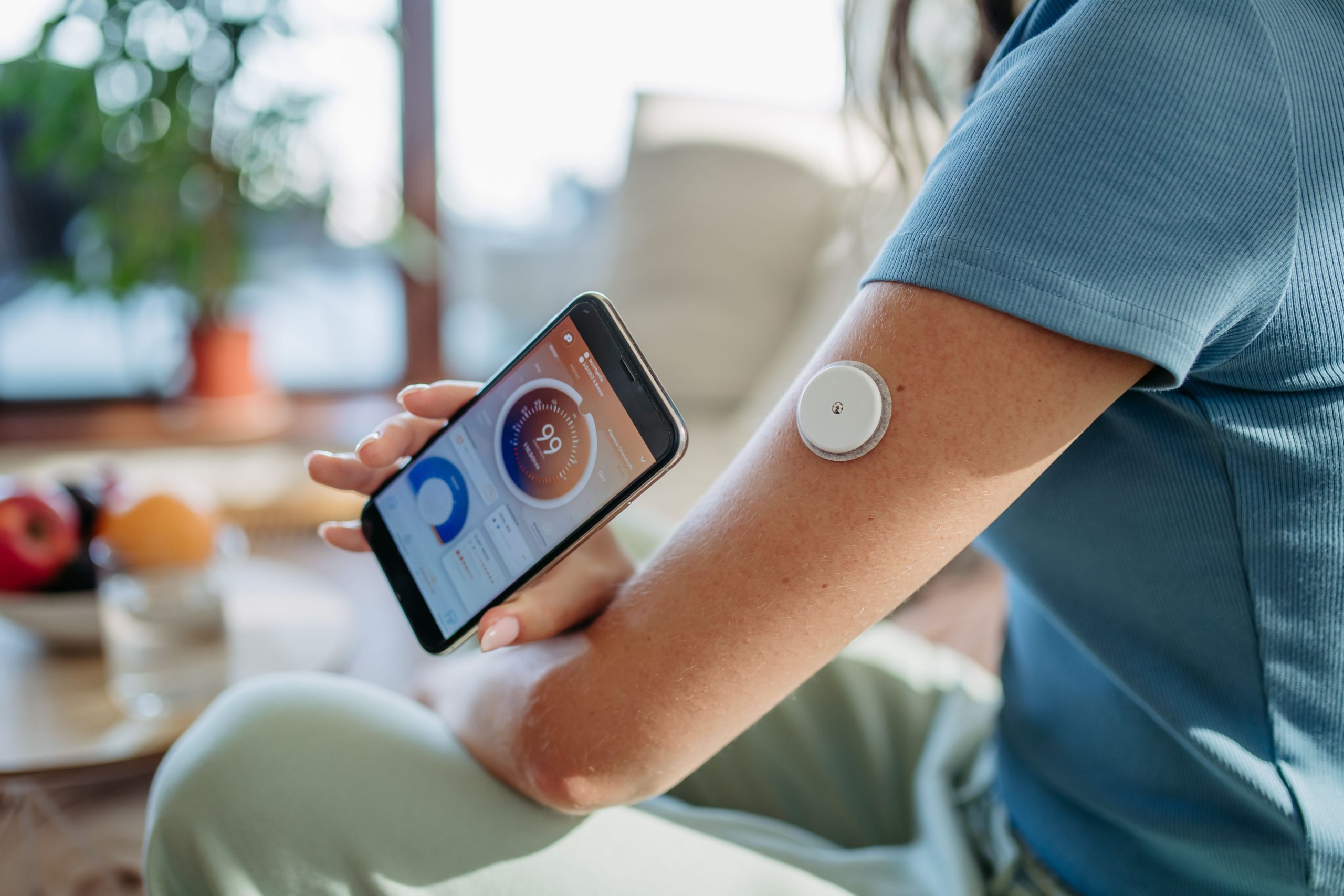
Special Clinical Scenarios
During Illness
Sensors may become less reliable due to dehydration or rapid glucose shifts
Consider earlier replacement if readings seem inconsistent
During Rapid Growth Phases
Changes in body composition and hormones may influence sensor performance
Monitor for increased variability
In Children with Skin Sensitivity
Shorter wear duration may be necessary
Prioritize skin recovery over maximum wear time
Practical Tips for Families
Always Be Prepared
Keep extra sensors available
Carry backup glucose monitoring supplies
Plan Ahead
Avoid sensor changes during:
Travel
School exams
Overnight (unless necessary)
Create a Routine
Replace sensors on the same day each cycle
Pair replacement with a calm, predictable moment
Education for Children
As children grow, teaching them about sensor use is important:
Recognizing when a sensor feels “off”
Reporting discomfort early
Understanding why timely replacement matters
This builds independence and improves long-term adherence.
Common Mistakes to Avoid
Ignoring early signs of sensor failure
Delaying replacement to “get a few extra days”
Reapplying sensors to irritated skin
Over-reliance on CGM without symptom awareness
Future Outlook
New innovations are focusing on:
Longer-lasting sensors (up to 30+ days under development)
Implantable CGM systems with extended duration
Improved adhesives for pediatric skin
Smarter algorithms to detect sensor failure earlier
Summary
In children using CGM for Type 1 Diabetes management:
Standard sensor duration: 10–14 days depending on device
Replace earlier if:
Accuracy declines
Skin irritation develops
Adhesion fails
Avoid extending wear beyond approved limits
Monitor patterns—especially at the beginning and end of sensor life
Ultimately, consistent, timely sensor replacement is essential for safe and effective diabetes management in children.
Decision-Making Framework: When Exactly Should You Replace a CGM Sensor?
For many families, the challenge is not knowing the maximum wear time, but deciding in real-life situations whether to replace a sensor now or wait. A structured approach can help.
Replace Immediately If:
Glucose readings are consistently inaccurate despite troubleshooting
The child has symptoms that don’t match the CGM values
The device shows repeated sensor error or signal loss alerts
There is visible skin irritation, pain, or signs of infection
The sensor is peeling off or unstable
Consider Replacing Soon If:
Readings are becoming more variable near the end of wear
Adhesive is loosening despite reinforcement
The child reports discomfort
You are entering a period where reliable data is critical (e.g., illness, travel)
Safe to Continue Using If:
Readings are consistent and match symptoms
Skin is intact and comfortable
Sensor is within its approved wear duration
No device alerts or signal interruptions
School & Daily Life Considerations
In children, CGM reliability is closely tied to daily routines:
At School
Ensure sensors are securely attached before school days
Avoid replacing sensors right before important exams or activities
Inform teachers or school nurses about sensor alerts and replacement needs
During Sports & Physical Activity
Increased sweating may shorten sensor life
Use overpatches for added stability
Check sensor adhesion after intense activity
During Sleep
Compression lows (false low readings due to pressure) may occur
If frequent, consider changing sensor site or replacing earlier
Travel & Special Situations
Before Travel
Replace the sensor 1–2 days before departure to ensure stability
Pack extra sensors and supplies
Keep backup glucose monitoring tools available
During Travel
Time zone changes may affect routines but not sensor lifespan directly
Monitor for adhesion issues due to climate changes
Parental Confidence & Decision Fatigue
Managing CGM in children can create uncertainty:
“Is the sensor still accurate?”
“Should I replace it now or wait?”
A helpful rule:
When in doubt—prioritize safety and accuracy over extending wear time.
This reduces stress and prevents complications.
Role of the Diabetes Care Team
Healthcare providers should:
Review CGM data trends regularly
Ask about sensor wear experience, not just glucose numbers
Provide individualized advice based on the child’s skin, lifestyle, and device
Real-World Patterns Observed in Practice
Clinically, many families report:
Best performance between days 2–8 in systems like Dexcom G6
Slight decline toward the end of wear in FreeStyle Libre 2
Occasional early failures due to adhesion or insertion issues
These patterns reinforce the importance of ongoing assessment, not just fixed timelines.
Teaching Children Self-Awareness
As children mature, they should learn to:
Recognize when readings feel “off”
Report itching, pain, or discomfort early
Understand that replacing a sensor is part of safe diabetes care
This builds independence and long-term adherence.
Integrating Sensor Replacement into Routine Care
A consistent routine improves outcomes:
Choose a regular replacement day (e.g., every Sunday evening)
Pair replacement with a calm activity
Keep a checklist:
New sensor ready
Skin clean and dry
Backup supplies available
Safety First: Avoid These Risks
Extending sensor use despite clear inaccuracy
Ignoring skin reactions to “finish the cycle”
Making insulin decisions based on questionable data
Failing to verify with fingerstick when needed
Looking Ahead
Future CGM advancements aim to:
Extend wear time beyond current limits
Improve adhesive durability for active children
Provide automatic alerts when sensors are losing accuracy
Reduce the need for user judgment in replacement decisions
Final Perspective
In children living with Type 1 Diabetes, CGM sensors are not just devices—they are continuous safety tools.
The key principle is simple:
Replace the sensor when it no longer provides reliable, comfortable, and safe monitoring—even if the official wear time is not yet complete.
Balancing manufacturer guidelines with real-world observation ensures:
Better glucose control
Healthier skin
Greater confidence for both children and caregivers