
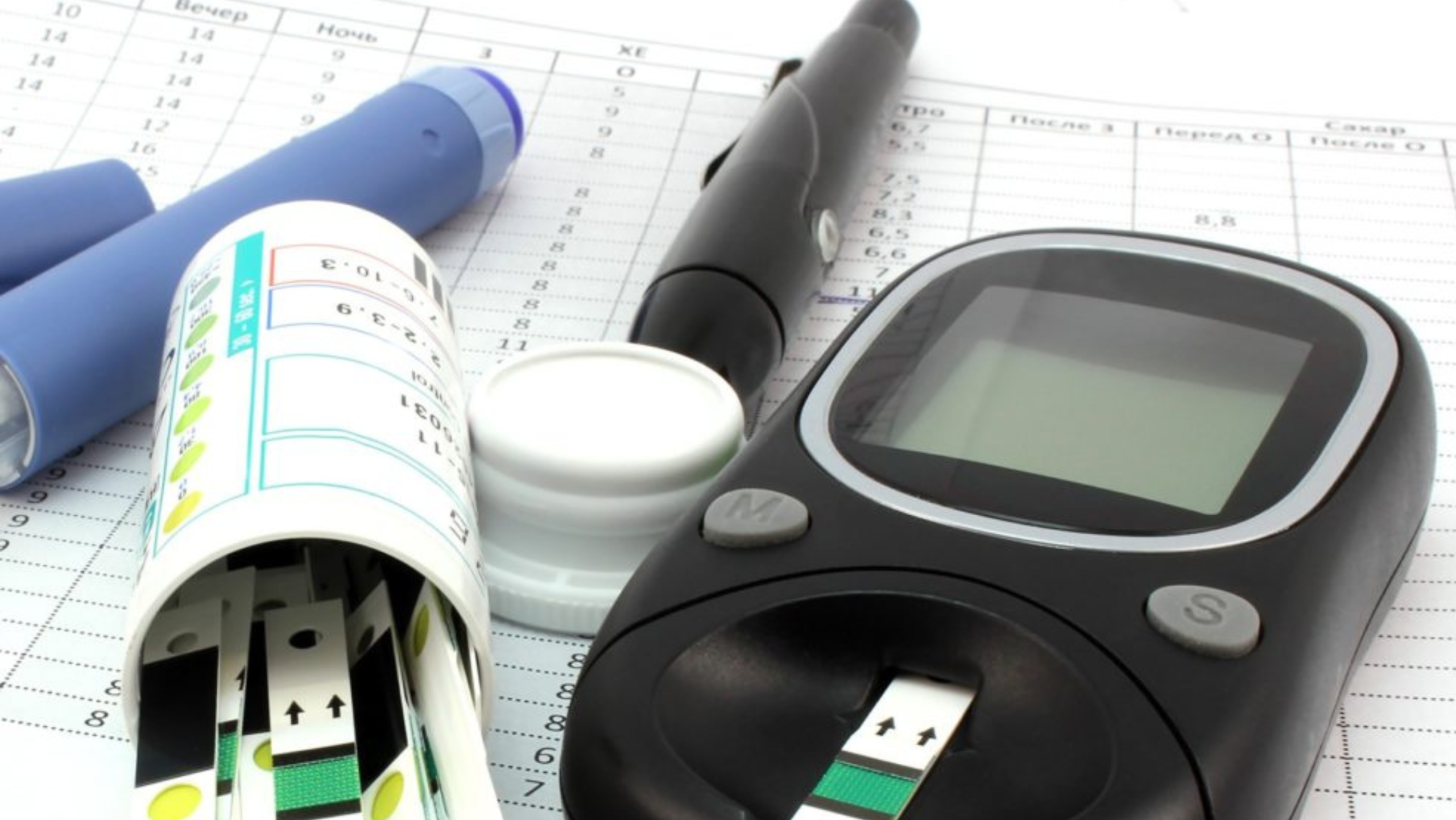
Does a Glucometer Test Strip Have an Expiration Date? How Does It Affect Measurement Accuracy?
Yes. Glucose meter test strips have an expiration date, and using strips after that date can affect the accuracy and reliability of blood glucose readings.
Test strips contain enzymes and other chemical components that react with glucose in a blood sample.
Over time, these components can deteriorate, especially when the strips are exposed to heat, humidity, air, or improper storage conditions.
For people with diabetes—especially children—using fresh, properly stored test strips is an important part of getting dependable blood glucose results.
Why Do Glucose Test Strips Expire?
A test strip is more than just a piece of paper. It contains a small chemical testing system that reacts with glucose in the blood.
Depending on the meter and strip design, the strip may contain enzymes such as:
Glucose oxidase (GOx)
Glucose dehydrogenase (GDH)
Electrochemical reagents
Stabilizing and buffering substances
These components are designed to remain stable for a specific period. After the expiration date, their chemical properties may change, which can interfere with the reaction between the blood sample and the strip.
As a result, the meter may produce a reading that is less accurate than expected.
What Happens If You Use an Expired Test Strip?
An expired strip does not necessarily produce an obviously incorrect result every time.
This is one of the main reasons expired strips can be dangerous: the result may look completely normal even though it is inaccurate.
Depending on the condition of the strips, you may experience:
1. Falsely High Results
A degraded strip can sometimes produce a glucose reading that is higher than the person’s actual blood glucose level.
This could lead someone to believe their blood sugar is dangerously high and potentially take corrective action that is not actually necessary.
2. Falsely Low Results
Expired or damaged strips can also produce readings that are lower than the true blood glucose level.
This is particularly concerning because a person may think their glucose level is safe when they are actually experiencing hyperglycemia.
3. Unreliable or Inconsistent Results
Sometimes the biggest problem is not that every reading is high or low, but that the results become inconsistent.
For example, two measurements taken close together may produce unexpectedly different numbers.
4. Error Messages
Some modern glucose meters can detect certain problems with test strips and may display an error message.
However, you should not assume that the absence of an error message means an expired strip is accurate.
Why Storage Conditions Matter as Much as the Expiration Date
The expiration date assumes that the strips have been stored according to the manufacturer’s instructions.
Even before the printed expiration date, test strips can deteriorate if they are exposed to unfavorable conditions.
Heat
High temperatures can damage the chemicals inside the strips.
Avoid leaving test strips in places such as:
A hot car
Direct sunlight
Near a heater
In a hot room
Inside a backpack exposed to strong heat
Humidity and Moisture
Moisture is another major problem. Test strips are sensitive to humidity because water can affect the chemical reagents.
This is why many strips come in a tightly closed container.
Air Exposure
Once the container is opened, repeated exposure to air can gradually affect the strips.
For this reason, if your strips come in a vial, close the vial immediately after removing a strip.
Don’t leave the container open while preparing the blood sample.
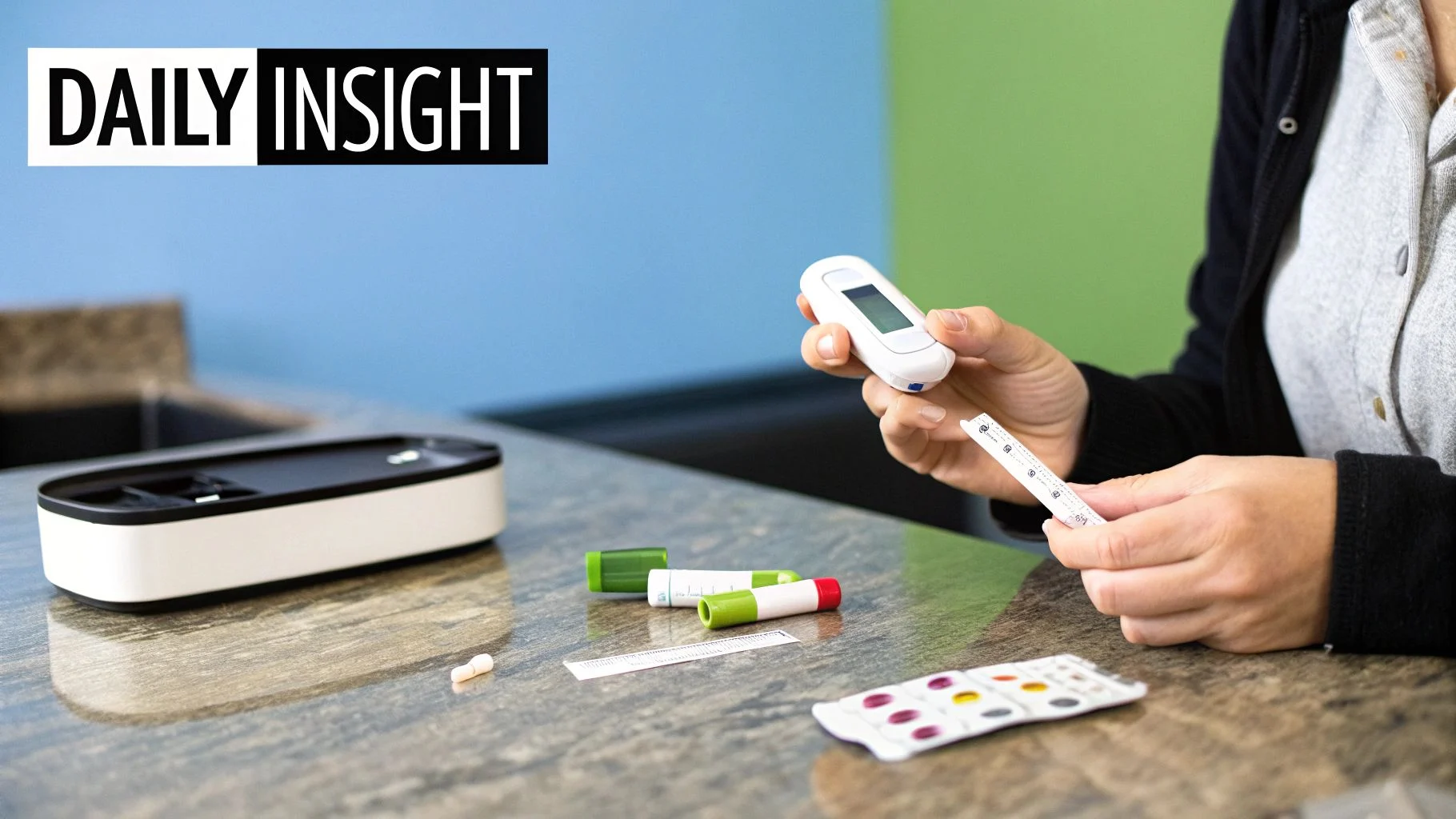
Can You Use Test Strips After Opening the Container?
This depends on the specific brand and model.
Some manufacturers specify a particular period during which strips should be used after opening the container.
Others provide an expiration date that applies under specific storage conditions.
Always check the instructions supplied with your meter and strips.
If the manufacturer says the strips must be discarded after a certain period following opening, follow that instruction even if the printed expiration date has not yet passed.
How Can You Tell If a Test Strip May Be Damaged?
You should avoid using a strip if:
It is past its expiration date.
It has been exposed to moisture.
The strip looks damaged or contaminated.
It has been stored outside the recommended temperature range.
The strip container has been left open for an extended period.
The strip has been exposed to excessive heat.
You are unsure whether the strips were stored correctly.
If you suspect that your strips have been damaged, using a new container of properly stored strips is safer than relying on questionable results.
What About Test Strips That Are Close to Their Expiration Date?
A strip that is still within its manufacturer’s stated expiration period and has been stored correctly should generally be used according to the manufacturer’s instructions.
However, if you are getting unexpected readings, don’t automatically assume that your blood glucose has suddenly changed.
Consider whether:
The strips are expired.
The strips were stored improperly.
The vial was left open.
Your hands were not clean and dry.
Too little blood was applied.
The meter or strip is malfunctioning.
If a reading doesn’t match how the person feels, it is important to investigate rather than blindly trusting the number.
What Should Parents of Children With Diabetes Do?
Parents should periodically check the test-strip supply and make sure:
The expiration date has not passed.
The strips are stored according to the manufacturer’s instructions.
The container is tightly closed.
Strips are kept away from heat and moisture.
Children don’t use damaged or questionable strips.
A backup supply of fresh strips is available.
For a child who depends on regular glucose monitoring, keeping fresh test strips available at home, at school, and when traveling can help prevent situations where an unreliable strip is used simply because there is no alternative.
What If an Expired Strip Gives a Normal Reading?
You shouldn’t assume that a normal-looking result is accurate simply because it falls within the expected range.
If you accidentally use an expired strip, the safest approach is to repeat the test with an unexpired strip, particularly if the result is unexpected or will influence treatment decisions.
If the result is significantly different from what you expected, repeat the test using a fresh strip and follow the child’s diabetes care plan.
What If the Meter and CGM Give Different Results?
A difference between a continuous glucose monitor (CGM) and a finger-stick meter does not automatically mean that one is wrong.
CGMs measure glucose in interstitial fluid, while a glucometer measures glucose in a blood sample, so readings can differ, particularly when glucose is changing quickly.
However, if you’re using a glucometer to verify a CGM reading, make sure the test strip is unexpired, properly stored, and used correctly.
Key Takeaway
Yes, glucometer test strips expire, and expired or improperly stored strips can produce inaccurate or unreliable blood glucose readings.
For the most dependable results:
Use strips before their expiration date.
Follow the manufacturer’s storage instructions.
Keep strips away from heat and moisture.
Close the container immediately after removing a strip.
Never assume an expired strip is accurate just because the meter accepts it.
Repeat unexpected results with a fresh, properly stored strip.
For children with diabetes, having a reliable supply of unexpired test strips is especially important because inaccurate readings can affect decisions about diabetes management.
How to Get the Most Accurate Reading From a Glucometer
Using unexpired test strips is only one part of getting an accurate blood glucose measurement. The way the test is performed can also significantly affect the result.
1. Wash and Dry Your Hands
Before testing, wash your hands with soap and water and dry them thoroughly.
Food, fruit juice, sugar, lotion, or other substances left on your fingers can contaminate the blood sample and potentially cause an inaccurate reading.
This is particularly important if a child has recently eaten or handled something sweet.
Do not rely only on an alcohol wipe unless the meter’s instructions specifically recommend it. If alcohol is used, allow the finger to dry completely before testing.
2. Use the Correct Test Strip
Test strips are designed for specific glucose meters. Don’t assume that a strip from one brand or model will work correctly with another meter.
Always check:
The meter model
The test-strip model
The manufacturer’s instructions
The expiration date
Using the wrong strip can result in an error message or an unreliable measurement.
3. Apply Enough Blood
A test strip needs an adequate blood sample to perform the chemical reaction correctly.
If there isn’t enough blood, the meter may:
Display an error
Fail to produce a result
Produce an unreliable result, depending on the meter and circumstances
Avoid squeezing the finger excessively. If necessary, gently massage the finger toward the fingertip to encourage blood flow.
4. Don’t Add More Blood After Testing Has Started
Some meters are designed to allow additional blood within a specified period, while others aren’t.
Follow the instructions for the particular meter rather than adding blood automatically when the first sample seems insufficient.
5. Check the Meter and Strips Regularly
If glucose readings suddenly seem unusual, consider checking the meter and strips before assuming there has been a major change in blood glucose.
Many glucose meters allow you to perform a control-solution test. Control solution contains a known amount of glucose and is used to check whether the meter and strips are functioning properly.
A control test may be useful when:
Opening a new container of strips
The meter has been dropped or damaged
Results repeatedly seem unusual
You suspect the strips were stored incorrectly
You are learning to use a new meter
Follow the manufacturer’s instructions for when and how to perform a control-solution test.
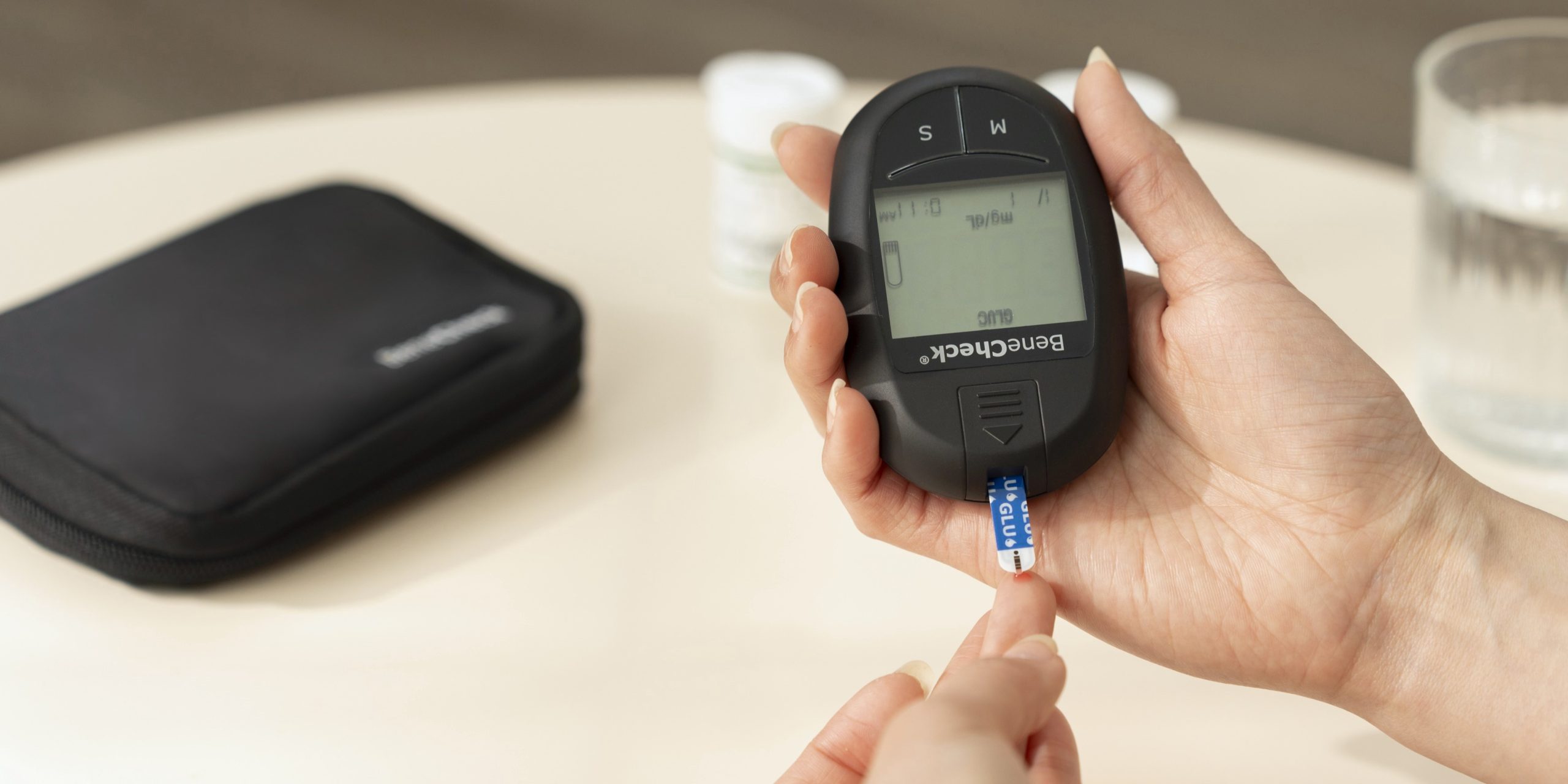
What Can Cause an Unexpected Glucose Reading?
An unusual glucometer result doesn’t always mean the test strip is expired.
Several factors can affect a finger-stick glucose measurement.
| Possible problem | How it can affect testing |
|---|---|
| Expired strips | May reduce reliability |
| Heat exposure | Can damage strip components |
| Humidity/moisture | Can interfere with strip chemistry |
| Open strip container | Allows prolonged air/moisture exposure |
| Dirty hands | Can contaminate the sample |
| Wet fingers | Can dilute the blood sample |
| Too little blood | May cause errors or unreliable results |
| Incorrect strip | May not work correctly with the meter |
| Damaged meter | Can produce errors or unreliable readings |
| Rapid glucose changes | Meter and CGM may temporarily differ |
When Should You Repeat a Glucose Test?
A repeat test can be useful when the result doesn’t make sense in the context of the person’s symptoms or expected glucose level.
For example, if a child appears to have symptoms of low blood sugar but the meter unexpectedly shows a normal or high value, check the measurement again with a fresh, properly stored strip according to the child’s diabetes treatment plan.
Likewise, if a reading is unexpectedly high when there is no obvious explanation, repeating the test can help determine whether the first result was affected by a testing problem.
An Important Rule
Don’t repeatedly test simply because two readings differ slightly.
Home glucose meters have an allowable measurement variation, so small differences between consecutive readings can occur even when the person’s blood glucose hasn’t changed substantially.
The goal is to recognize clinically meaningful or unexpected differences, not to expect every measurement to be identical.
What Should You Do With Old Test Strips?
If you discover that a container of strips has expired, don’t mix those strips with your fresh supply.
It’s better to:
Check the expiration date.
Check whether the container was properly sealed.
Discard expired or questionable strips according to local disposal recommendations.
Replace them with a fresh supply.
Check that the new strips are compatible with the meter.
For families managing childhood diabetes, it can be helpful to check expiration dates before purchasing large quantities of test strips.
Buying more strips than the child can reasonably use before expiration may lead to unnecessary waste.
Can Expired Test Strips Cause Dangerous Treatment Decisions?
Potentially, yes.
The main concern isn’t simply that an expired strip produces an incorrect number. The concern is that the number may be used to make a treatment decision.
For example, an inaccurately low reading could potentially lead someone to believe that a child has hypoglycemia when they don’t.
Conversely, an inaccurately high reading could lead someone to believe that additional correction is necessary.
For this reason, expired strips should not be relied upon when making important diabetes-management decisions.
If a glucose reading is unexpected, particularly when it conflicts with symptoms or other reliable information, repeat the measurement with a fresh strip and follow the child’s individualized diabetes care instructions.
Test Strips and Emergency Situations
Families should be particularly careful about relying on old strips during situations such as:
Illness
Vomiting
Suspected hypoglycemia
Suspected severe hyperglycemia
Possible diabetic ketoacidosis (DKA)
Major changes in glucose readings
Problems with a CGM
Travel or situations where replacement supplies are difficult to obtain
In these situations, reliable glucose measurements are especially important.
If a child has concerning symptoms—such as severe weakness, confusion, difficulty waking, repeated vomiting, breathing difficulties, or other signs of a serious diabetes emergency—don’t delay appropriate medical care simply to repeat glucose measurements.
A Simple Test-Strip Checklist for Parents
Before using a glucometer, parents can quickly ask:
✓ Is this the correct strip for this meter?
✓ Is the strip still within its expiration date?
✓ Has it been stored correctly?
✓ Was the container closed properly?
✓ Is the strip dry and undamaged?
✓ Are the child’s hands clean and completely dry?
✓ Is there enough blood for the test?
✓ Does the result make sense compared with the child’s symptoms and usual glucose pattern?
If the answer to these questions is yes, the likelihood of obtaining a reliable finger-stick measurement is much better.
Bottom Line
Expiration dates on glucose test strips are important and should be taken seriously.
The chemical components responsible for detecting glucose can deteriorate over time, and improper storage can further compromise their performance.
For children with diabetes, the safest approach is simple:
use the correct, unexpired strips, store them properly, perform the test correctly, and investigate unexpected results rather than automatically trusting a questionable reading.