
Digital Diabetes: A Complete Child Management Ecosystem from Sensor to App
Introduction
The management of childhood Type 1 diabetes has undergone a remarkable transformation over the past two decades.
What once relied almost entirely on finger-stick blood glucose testing, handwritten logbooks, and multiple daily insulin injections is rapidly evolving into an interconnected digital ecosystem powered by wearable sensors, artificial intelligence, cloud computing, mobile applications, and automated insulin delivery systems.
Today, children living with diabetes are benefiting from technologies that not only measure glucose continuously but also predict future glucose trends, communicate with insulin pumps, send alerts to parents, and allow healthcare professionals to monitor treatment remotely.
These innovations are shifting diabetes care from a reactive approach—responding to high or low blood sugar after it occurs—to a proactive model that anticipates problems before they become dangerous.
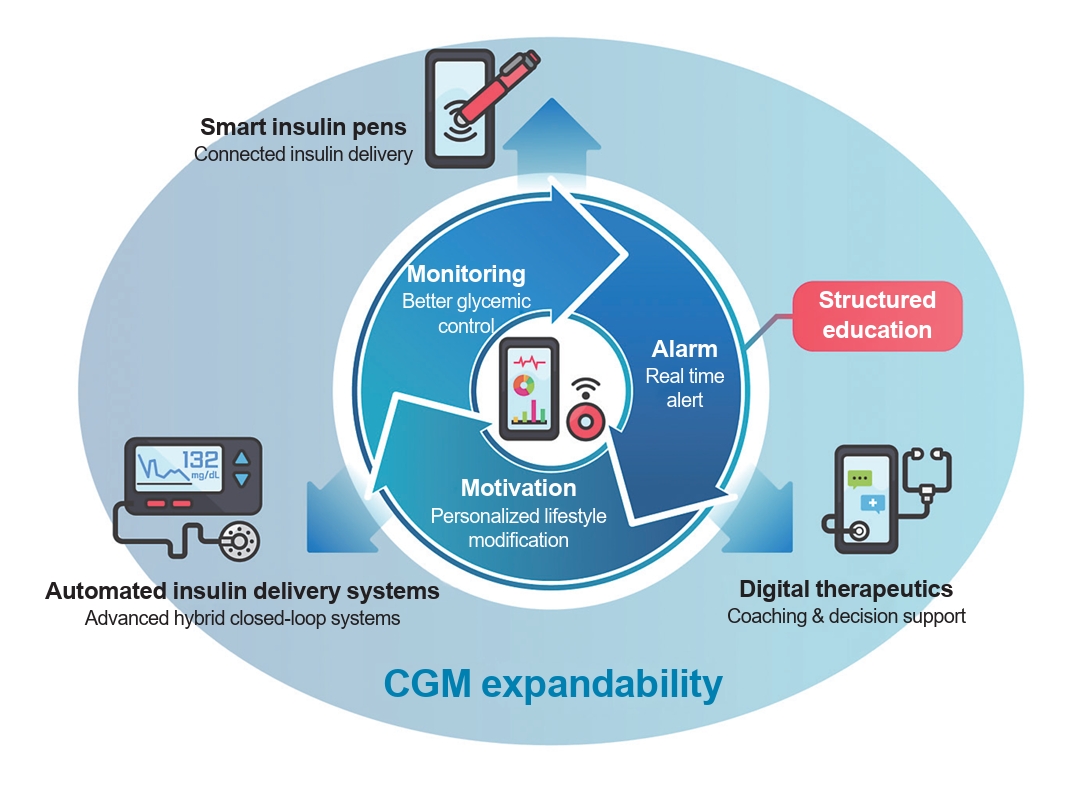
The concept of Digital Diabetes goes beyond individual devices.
It represents a fully integrated ecosystem in which sensors, mobile applications, wearable technologies, cloud platforms, artificial intelligence, and healthcare providers work together to support personalized, data-driven diabetes management.
For children, this ecosystem has the potential to reduce the daily burden of living with diabetes, improve glucose control, increase safety, and enhance quality of life.
For parents and healthcare professionals, it provides real-time information, decision support, and new opportunities for continuous care.
This article explores how each component of this digital ecosystem functions and how these technologies are shaping the future of pediatric diabetes management.
What Is Digital Diabetes?
Digital Diabetes refers to the integration of digital technologies into every aspect of diabetes management.
Rather than relying on isolated medical devices, digital diabetes systems create a connected network that continuously collects, analyzes, and shares health information.
The ecosystem typically includes:
Continuous glucose monitoring (CGM) sensors
Smart insulin pens or insulin pumps
Wearable devices
Mobile applications
Cloud-based data storage
Artificial intelligence algorithms
Remote healthcare platforms
Digital coaching systems
Together, these technologies provide continuous support for children, families, and healthcare providers.
The Foundation: Continuous Glucose Monitoring Sensors
Every digital diabetes ecosystem begins with accurate glucose monitoring.
Continuous glucose monitoring (CGM) sensors are small wearable devices placed just beneath the skin that measure glucose levels in interstitial fluid every few minutes.
Unlike traditional finger-stick testing, CGMs provide hundreds of glucose readings each day.
Modern sensors offer:
Continuous glucose measurements
Real-time trend arrows
High and low glucose alerts
Nighttime monitoring
Historical glucose reports
Data sharing with caregivers
Because glucose changes continuously throughout the day, these sensors provide a far more complete picture than occasional blood glucose tests.
For children, continuous monitoring helps reduce unexpected episodes of both hyperglycemia and hypoglycemia.
Data Transmission: Connecting the Sensor to the Digital World
Collecting glucose data is only the first step.
The sensor securely transmits information to nearby devices using wireless communication technologies such as Bluetooth.
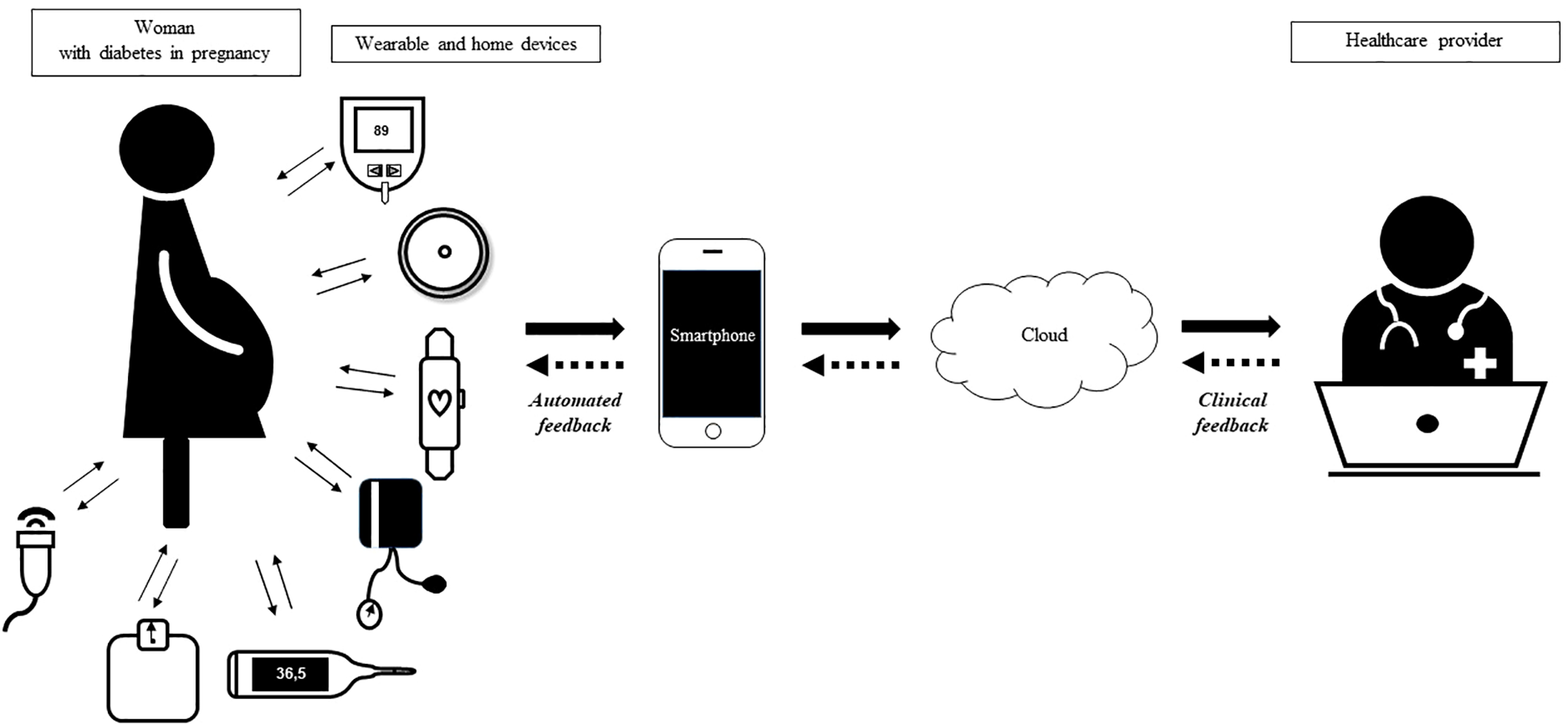
This enables real-time communication between:
Sensor
Smartphone
Insulin pump
Smartwatch
Parent’s mobile phone
Healthcare provider
The entire process occurs automatically without requiring manual data entry.
As a result, glucose information becomes immediately available wherever it is needed.
Mobile Applications: The Control Center
The smartphone application serves as the central hub of the digital diabetes ecosystem.
Instead of functioning as a simple display, modern diabetes apps provide a wide range of features that help families make informed treatment decisions.
Common functions include:
Real-time glucose display
Trend analysis
Meal logging
Insulin dose recording
Carbohydrate tracking
Exercise monitoring
Medication reminders
Emergency alerts
Data sharing
Treatment reports
Parents can often monitor their child’s glucose remotely, even when the child is at school, participating in sports, or spending time with friends.
Smart Insulin Delivery Systems
The next layer of the ecosystem involves automated insulin administration.
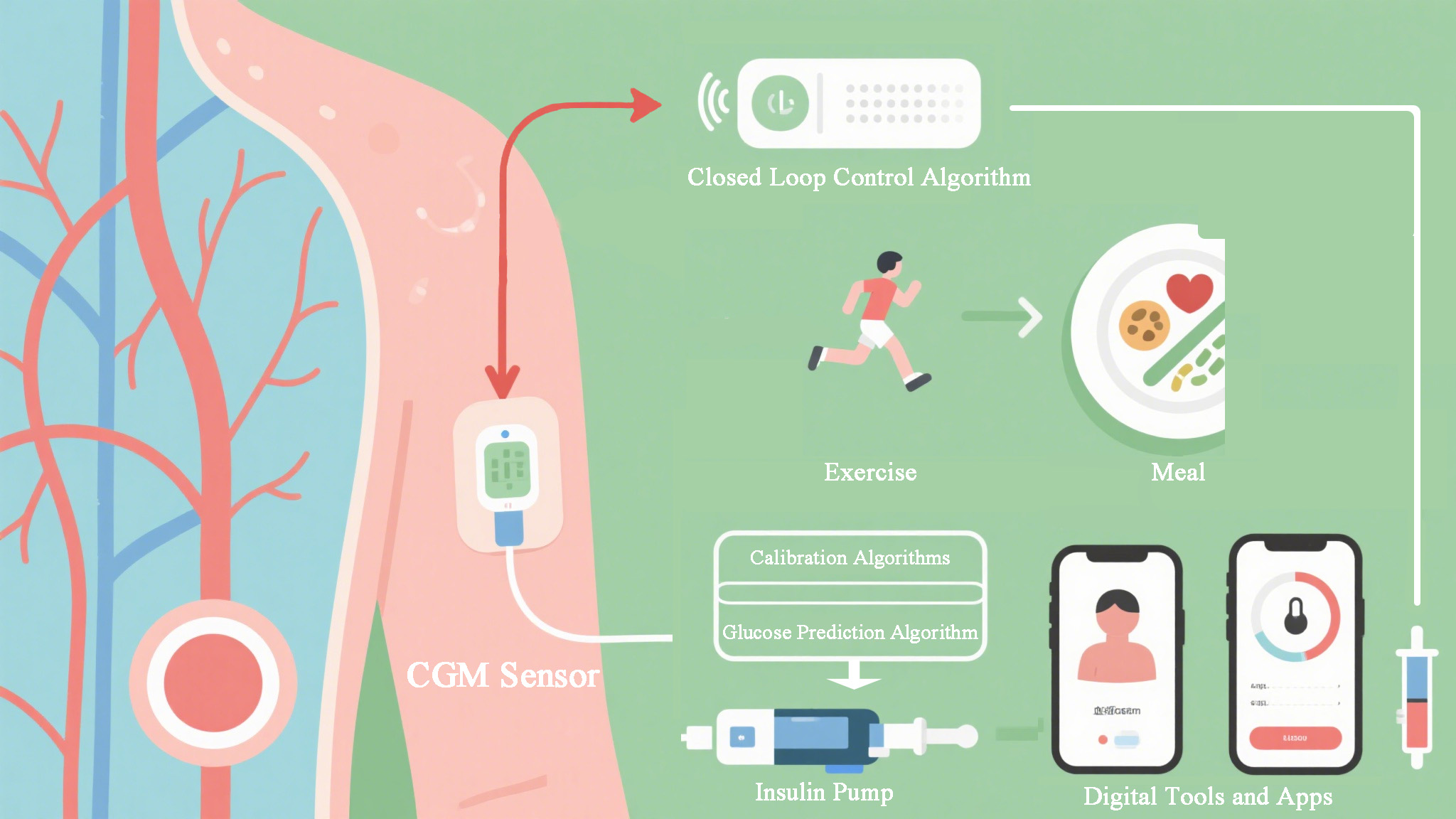
Modern insulin pumps communicate directly with continuous glucose monitoring systems.
Every few minutes, glucose data are analyzed, and insulin delivery is adjusted accordingly.
Hybrid closed-loop systems can:
Increase insulin delivery
Reduce insulin delivery
Suspend insulin during falling glucose
Resume delivery automatically
These systems help maintain glucose within the target range while reducing the need for constant manual adjustments.
Although meal-related insulin doses often still require user input, automation continues to improve with each new generation of devices.
Artificial Intelligence: The Brain of the Ecosystem
Artificial intelligence is transforming diabetes management by converting raw glucose measurements into meaningful clinical insights.
Rather than simply reporting current glucose values, AI systems can identify complex patterns and generate personalized recommendations.
AI algorithms may analyze:
Previous glucose trends
Meal timing
Carbohydrate intake
Physical activity
Sleep quality
Stress levels
Illness
Hormonal changes
Using predictive modeling, AI can estimate future glucose levels and recommend preventive actions before problems develop.
For example, if the system predicts that glucose will fall during the next 30 minutes, it may suggest consuming carbohydrates or reducing insulin delivery.
Cloud Computing: Diabetes Data Anywhere
Cloud technology enables secure storage of diabetes information over extended periods.
Instead of remaining on a single smartphone, glucose data can be securely synchronized across multiple devices.
Benefits include:
Automatic backups
Long-term trend analysis
Remote physician access
Family data sharing
Cross-device synchronization
Population-level research
Cloud platforms also facilitate telemedicine by allowing healthcare professionals to review glucose data before virtual appointments.
Remote Monitoring for Parents
One of the greatest concerns for parents is managing diabetes when their child is away from home.
Digital diabetes ecosystems address this challenge through secure remote monitoring.
Parents can receive notifications regarding:
High glucose
Low glucose
Rapid glucose changes
Missed insulin doses
Sensor disconnection
Pump malfunctions
This capability provides reassurance while allowing children greater independence at school, summer camps, or extracurricular activities.
Remote monitoring has become especially valuable during nighttime, when undetected hypoglycemia may pose serious risks.
Telemedicine and Digital Healthcare
The COVID-19 pandemic accelerated the adoption of telemedicine, demonstrating that many aspects of diabetes care can be managed remotely.
Digital diabetes ecosystems support virtual healthcare by allowing physicians to review detailed treatment information before appointments.
Doctors can evaluate:
Average glucose
Time in range
Glucose variability
Insulin usage
Meal patterns
Exercise habits
This enables more informed treatment decisions without requiring frequent in-person clinic visits.
For families living in rural or underserved areas, telemedicine can significantly improve access to specialized diabetes care.
Digital Coaching and Patient Education
Education remains one of the most important components of diabetes management.
Modern digital platforms increasingly incorporate educational tools that provide personalized guidance.
Features may include:
Interactive lessons
Nutrition advice
Carbohydrate counting tutorials
Exercise recommendations
Medication reminders
Behavioral coaching
Goal tracking
Some applications use gamification techniques to encourage children to participate actively in their own care.
Reward systems, achievement badges, and educational games can make diabetes management more engaging for younger patients.
Integration with Wearable Technology
Smartwatches and fitness trackers have become valuable additions to the digital diabetes ecosystem.
Wearable devices may display:
Current glucose levels
Trend arrows
Heart rate
Physical activity
Sleep duration
Stress indicators
Exercise intensity
Children can quickly check glucose without removing a smartphone from their pocket or backpack.
Future wearable technologies may incorporate additional health measurements such as hydration status, body temperature, and blood pressure.
Personalized Medicine Through Big Data
As millions of people use digital diabetes technologies, enormous amounts of anonymous health data are being generated.
Researchers can analyze these datasets to identify:
Treatment trends
Predictors of hypoglycemia
Responses to different insulin therapies
Lifestyle factors affecting glucose control
Population-level health outcomes
This information helps improve future treatment algorithms while supporting the development of personalized medicine.
Rather than applying identical treatment recommendations to every child, clinicians may increasingly tailor therapy according to each individual’s unique glucose patterns and lifestyle.
Cybersecurity and Data Privacy
Because digital diabetes systems collect sensitive medical information, protecting patient privacy is essential.
Developers implement multiple security measures, including:
Data encryption
Secure authentication
Password protection
Biometric identification
Automatic software updates
Secure cloud storage
Healthcare providers and technology companies must also comply with privacy regulations governing the collection and sharing of medical information.
Maintaining public trust will be essential as digital diabetes ecosystems continue to expand.
Challenges Facing Digital Diabetes
Despite tremendous progress, several challenges remain.
These include:
High equipment costs
Insurance coverage limitations
Digital literacy among families
Reliable internet access
Device compatibility
Battery life
Sensor calibration
Data overload
Healthcare professionals must also ensure that technology complements, rather than replaces, patient education and clinical judgment.
Successful diabetes management will continue to depend on collaboration between families, clinicians, and digital tools.
The Future: Toward a Fully Connected Diabetes Ecosystem
Researchers envision a future in which every component of diabetes care functions as part of a seamless digital network.
In this future ecosystem:
Continuous glucose monitors measure glucose around the clock.
Artificial intelligence predicts glucose changes before they occur.
Insulin pumps automatically adjust insulin delivery.
Smartphones provide real-time recommendations.
Smartwatches display alerts instantly.
Parents receive secure remote notifications.
Physicians monitor long-term trends through cloud platforms.
Digital assistants offer personalized coaching.
Electronic health records update automatically.
Smart implants and advanced biosensors integrate directly with the system.
The ultimate goal is to reduce the daily cognitive burden of diabetes management while improving safety, treatment precision, and quality of life.
Conclusion
Digital Diabetes represents one of the most significant transformations in pediatric healthcare.
By integrating continuous glucose monitoring, smart insulin delivery, artificial intelligence, cloud computing, wearable devices, mobile applications, and telemedicine into a unified ecosystem, diabetes care is becoming more personalized, predictive, and connected than ever before.
For children living with Type 1 diabetes, this digital ecosystem offers more than technological convenience. It provides greater safety, increased independence, improved glucose control, and the possibility of a childhood less dominated by constant medical decision-making.
Parents gain reassurance through remote monitoring and timely alerts, while healthcare professionals benefit from richer clinical data that support more informed treatment decisions.
Although challenges related to affordability, accessibility, interoperability, and data privacy remain, rapid advances in digital health technologies continue to reshape the future of diabetes management.
As these innovations become more integrated and widely available, Digital Diabetes is expected to evolve into a comprehensive, patient-centered ecosystem that empowers children and families while bringing diabetes care closer to the goal of seamless, intelligent, and largely automated management.
Artificial Intelligence as the Digital Care Coordinator
As digital diabetes technologies become more advanced, artificial intelligence (AI) is evolving from a simple analytical tool into a comprehensive care coordinator.
Instead of merely displaying glucose readings, AI systems are increasingly capable of interpreting data, identifying patterns, predicting future events, and offering personalized recommendations.
For children with Type 1 diabetes, this means fewer manual calculations and more proactive support throughout the day.
Future AI-powered platforms may continuously analyze information from multiple sources, including:
Continuous glucose monitors (CGMs)
Insulin pumps
Smart insulin pens
Fitness trackers
Smartwatches
Sleep monitors
Meal tracking applications
Electronic health records
By combining these data streams, AI can generate highly individualized recommendations that adapt to each child’s unique lifestyle and physiology.
For example, if a child usually experiences a drop in blood glucose after soccer practice, the system may recognize this recurring pattern and recommend reducing insulin delivery or consuming additional carbohydrates before exercise.
As these algorithms continue to learn, they may become increasingly accurate at preventing dangerous glucose fluctuations before they occur.
Predictive Analytics: Looking Ahead Instead of Looking Back
Traditional diabetes management often involves reacting to blood glucose changes after they have already occurred.
Digital ecosystems are changing this approach through predictive analytics.
Rather than asking:
“What is the child’s glucose level now?”
the system asks:
“What is likely to happen during the next 30 to 60 minutes?”
Using machine learning models, future diabetes platforms may estimate:
Upcoming glucose rises
Impending hypoglycemia
Meal-related glucose responses
Overnight glucose behavior
Exercise-related insulin requirements
This predictive capability enables families to take preventive action before problems become emergencies.
As prediction algorithms improve, automated insulin delivery systems may become even more effective at maintaining stable glucose levels.
Smart Nutrition Management
Nutrition plays a central role in diabetes management.
Future digital ecosystems are expected to simplify carbohydrate counting through advanced image recognition and artificial intelligence.
Instead of manually entering nutritional information, families may simply photograph a meal.
AI systems could automatically identify:
Food items
Portion sizes
Estimated carbohydrate content
Protein content
Fat content
Fiber content
Total calories
The system could then recommend an appropriate insulin dose based on the child’s personal insulin-to-carbohydrate ratio and previous responses to similar meals.
Such automation could reduce calculation errors while making mealtime less stressful.
Exercise Monitoring and Activity Recognition
Physical activity has a major influence on glucose regulation, especially in children.
Running, cycling, swimming, and team sports can all affect insulin requirements differently.
Modern wearable devices already measure:
Heart rate
Step count
Movement
Exercise duration
Future systems may recognize specific activities automatically.
For example, artificial intelligence could distinguish between:
Walking
Running
Soccer
Basketball
Swimming
Cycling
Strength training
The diabetes ecosystem could then adjust insulin recommendations according to the expected metabolic effects of each activity.
This level of personalization may help reduce exercise-induced hypoglycemia while encouraging children to remain physically active.
Digital Support During School Hours
Managing diabetes at school can be particularly challenging.
Teachers may have limited medical training, while school nurses are not available in every educational setting.
Digital diabetes ecosystems can improve communication among:
Parents
Teachers
School nurses
Healthcare providers
Students
Secure platforms may provide:
Emergency alerts
Medication reminders
Glucose trend notifications
Treatment instructions
Real-time communication
With appropriate privacy protections, authorized caregivers can receive timely updates while allowing children greater independence.
Emergency Response Systems
One of the greatest strengths of connected diabetes technology is its ability to respond rapidly during emergencies.
Future ecosystems may automatically recognize dangerous situations, including:
Severe hypoglycemia
Persistent hyperglycemia
Rapid glucose decline
Sensor failure
Insulin pump malfunction
Depending on the situation, the system could:
Notify parents
Alert emergency contacts
Recommend immediate treatment
Contact healthcare providers
Share the child’s location if emergency assistance is needed
These automated safety features may significantly reduce response times during critical events.
Personalized Digital Dashboards
Different users require different types of information.
Future diabetes platforms may provide customized dashboards for:
Children
Simple, colorful interfaces showing current glucose levels, trend arrows, reminders, and motivational feedback.
Parents
Detailed glucose reports, remote monitoring, alerts, insulin history, and treatment recommendations.
Physicians
Clinical summaries emphasizing:
Time in range
Glucose variability
Average glucose
Insulin usage
Treatment adherence
Long-term trends
These personalized interfaces reduce information overload while ensuring that each user receives relevant insights.
Voice Assistants and Conversational Healthcare
Voice-controlled technologies are becoming increasingly sophisticated.
Future diabetes applications may integrate conversational AI capable of answering questions such as:
“What is my glucose level?”
“When was my last insulin dose?”
“How many carbohydrates are in this meal?”
“Why is my glucose rising?”
“What should I do if my glucose falls below 70 mg/dL?”
For younger children, conversational assistants could make diabetes management more engaging and easier to understand.
Natural language interaction may also improve accessibility for individuals with visual impairments or limited technical experience.
Digital Mental Health Support
Living with Type 1 diabetes affects emotional well-being as much as physical health.
Many children experience:
Diabetes distress
Anxiety
Fear of hypoglycemia
Burnout
Social isolation
Future digital ecosystems may include integrated mental health support through:
Mood tracking
Stress assessment
Guided relaxation exercises
Behavioral coaching
Cognitive behavioral therapy modules
Access to mental health professionals
Artificial intelligence may identify behavioral patterns suggesting emotional distress and encourage families to seek professional support when appropriate.
This holistic approach recognizes that successful diabetes management extends beyond glucose control alone.
Population Health and Public Health Benefits
When anonymized and used responsibly, data from digital diabetes ecosystems can contribute to medical research and public health planning.
Researchers may use aggregated information to:
Evaluate treatment effectiveness
Monitor disease trends
Improve clinical guidelines
Develop new prediction models
Identify underserved populations
Support healthcare policy decisions
Importantly, such research must protect individual privacy and comply with ethical standards for data governance.
Interoperability: Connecting Every Device
One of the current challenges in digital health is interoperability—the ability of different devices and software platforms to communicate effectively.
In the future, diabetes ecosystems are expected to support seamless integration between:
Continuous glucose monitors
Insulin pumps
Smart insulin pens
Fitness trackers
Smartwatches
Electronic medical records
Hospital information systems
Mobile health applications
Greater interoperability will reduce duplicate data entry, improve clinical efficiency, and provide a more complete picture of each child’s health.
Sustainability in Digital Diabetes
As digital healthcare expands, sustainability is becoming an important consideration.
Manufacturers are exploring environmentally responsible solutions, including:
Rechargeable medical devices
Longer-lasting glucose sensors
Recyclable packaging
Energy-efficient electronics
Reduced electronic waste
Biodegradable wearable components
These efforts aim to reduce the environmental footprint of diabetes technology while maintaining high standards of safety and performance.
Looking Toward the Next Generation
Over the next decade, experts anticipate that digital diabetes management will evolve into a fully integrated, intelligent ecosystem capable of providing nearly continuous clinical support.
Future systems may feature:
Fully automated insulin delivery
Implantable glucose sensors with multi-year lifespans
AI-powered personalized treatment planning
Digital twins that simulate glucose responses before therapy adjustments are made
Augmented reality tools for diabetes education
Smart home integration that adapts meals, exercise reminders, and environmental conditions to support glucose control
Rather than relying on isolated devices, children will increasingly interact with a coordinated network of technologies working together to simplify diabetes management.
Final Perspective
Digital Diabetes represents a paradigm shift in pediatric healthcare.
The future of diabetes management is no longer centered on individual devices but on a connected ecosystem in which sensors, wearable technologies, artificial intelligence, cloud computing, mobile applications, and healthcare professionals collaborate seamlessly.
For children with Type 1 diabetes, this transformation has the potential to reduce daily treatment burdens, improve metabolic control, and foster greater independence.
Parents benefit from real-time visibility and timely alerts, while clinicians gain access to richer, longitudinal data that support more personalized care.
Although challenges such as affordability, interoperability, cybersecurity, and equitable access remain, the trajectory of innovation is clear.
As digital technologies continue to mature, the vision of a comprehensive child-centered diabetes management ecosystem—from sensor to app, from data to decision, and from prediction to prevention—is moving steadily from aspiration to reality.