
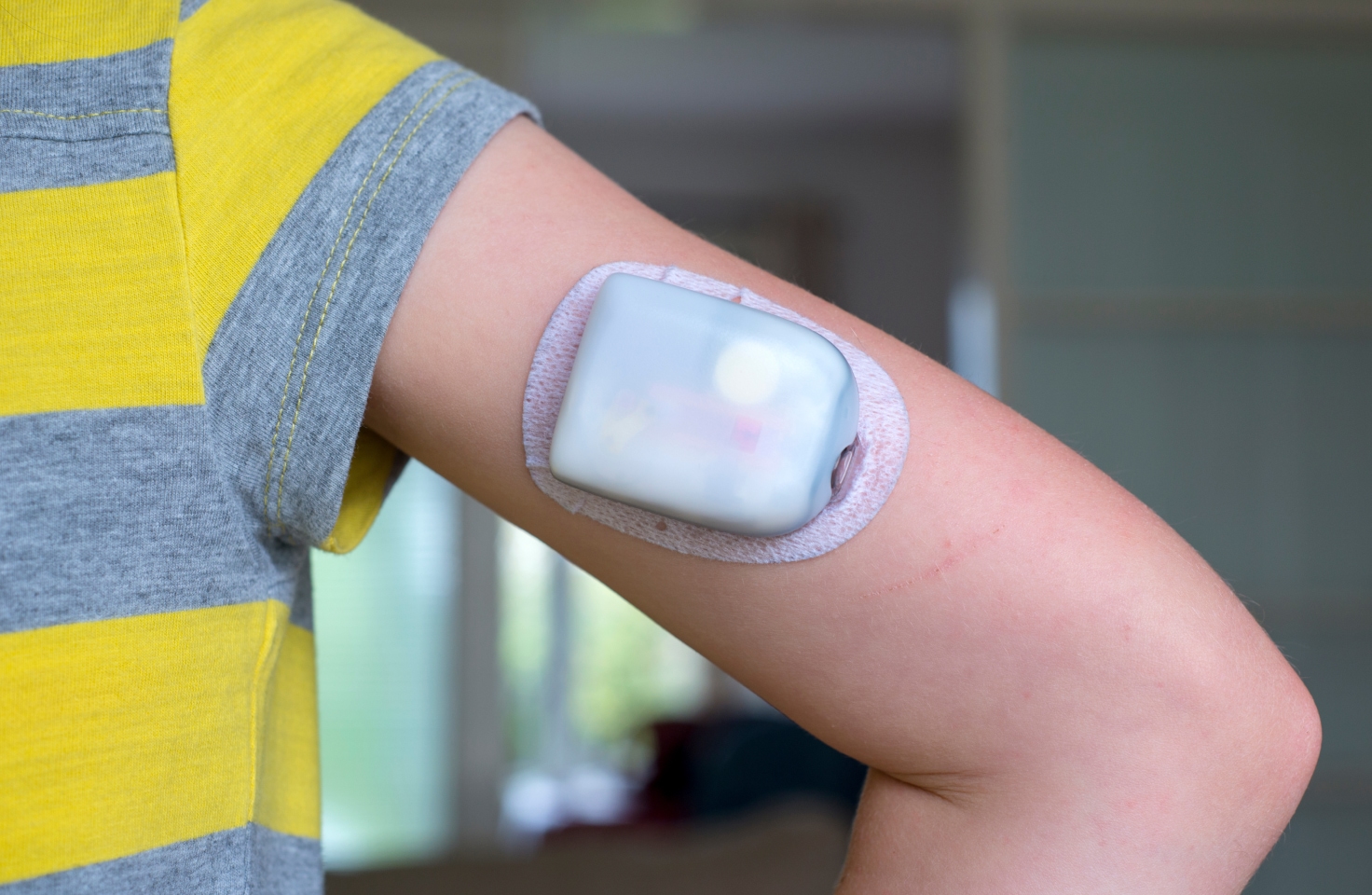
Common Mistakes in Using Insulin Pumps in Children
The use of insulin pumps in children with Type 1 Diabetes is considered one of the most advanced methods for managing blood glucose levels.
While these devices offer significant benefits—such as improved flexibility and better glycemic control—improper use can lead to serious complications.
Understanding common mistakes and how to prevent them is essential for both caregivers and healthcare providers.
Why Proper Insulin Pump Use Matters in Children
An insulin pump delivers insulin in two main ways:
Basal insulin (continuous background delivery)
Bolus doses (for meals and corrections)
Children are particularly sensitive to fluctuations in blood glucose. Even small errors in pump management can quickly result in hypoglycemia or hyperglycemia, and in severe cases, diabetic ketoacidosis (DKA).
Common Mistakes
1. Incorrect Basal Rate Settings
One of the most frequent issues is improper basal insulin adjustment. Many caregivers use a fixed basal rate without carefully analyzing blood glucose patterns throughout the day.
Consequences:
Early morning hyperglycemia (dawn phenomenon)
Nighttime hypoglycemia
Prevention:
Regular review of glucose trends
Performing basal rate testing under fasting conditions
2. Miscalculating Meal Boluses
Errors in carbohydrate counting or insulin-to-carb ratios are very common in children.
Typical mistakes:
Estimating portion sizes inaccurately
Forgetting snacks
Not adjusting ratios as the child grows
Consequence:
Post-meal hyperglycemia
Prevention:
Accurate carbohydrate counting education
Use of mobile apps or food databases
Regular reassessment of insulin-to-carb ratios
3. Delayed Infusion Set Changes
Infusion sets should typically be changed every 2–3 days, but this is often neglected.
Consequences:
Poor insulin absorption
Local infections
Unexpected high blood glucose levels
Warning signs:
Unexplained hyperglycemia
Redness, swelling, or pain at the insertion site
4. Poor Site Rotation
Repeated use of the same injection site can lead to lipohypertrophy (fat tissue buildup under the skin).
Consequence:
Unpredictable insulin absorption
Prevention:
Rotate sites (abdomen, thighs, arms)
Regular skin inspection
5. Ignoring Pump Malfunctions or Occlusions
Mechanical issues such as blockages, air bubbles, or device failure can interrupt insulin delivery.
Common mistake:
Ignoring sudden unexplained high glucose levels
Consequence:
Increased risk of diabetic ketoacidosis (DKA)
Prevention:
Immediate troubleshooting when glucose rises unexpectedly
Always having backup insulin (pen or syringe)
6. Misuse of Advanced Pump Features
Modern pumps include advanced features such as:
Square wave bolus
Dual wave bolus
Improper use can lead to poor glucose control.
Example:
Not using extended bolus for high-fat meals → delayed hyperglycemia
7. Not Adjusting for Illness
During illness (fever, infection), insulin requirements often increase.
Common mistake:
Keeping the same insulin settings
Consequence:
Hyperglycemia
Risk of DKA
Prevention:
Following “sick day rules”
Using temporary basal rate increases
8. Neglecting Physical Activity Adjustments
Children often have unpredictable activity levels.
Mistake:
Not reducing insulin before exercise
Consequence:
Hypoglycemia
Prevention:
Temporary basal reduction
Pre-activity snacks
9. Over-Reliance on Technology
Some caregivers rely entirely on the pump or continuous glucose monitor (CGM).
Problem:
Device errors may go unnoticed
Prevention:
Confirm readings with a glucometer when needed
10. Inadequate Education
Lack of proper training is one of the biggest contributors to errors.
Essential education topics:
Pump operation
Emergency management
Recognizing hypo- and hyperglycemia symptoms
Conclusion
Insulin pumps are powerful tools for managing diabetes in children, but their success depends on:
Proper education
Continuous monitoring
Attention to detail
Most errors are not due to device complexity, but rather gaps in knowledge or inconsistent use. With proper training and close collaboration with healthcare providers, these mistakes can be minimized, leading to better outcomes and improved quality of life for children.

Advanced Considerations & Less Obvious Mistakes
11. Incorrect Insulin Sensitivity Factor (ISF)
The insulin sensitivity factor (also called correction factor) determines how much one unit of insulin lowers blood glucose.
Common issue:
Using outdated ISF values as the child grows or during hormonal changes
Consequences:
Overcorrection → hypoglycemia
Undercorrection → persistent hyperglycemia
Prevention:
Regular reassessment with healthcare providers
Adjustments during puberty (when insulin resistance increases)
12. Failure to Account for Hormonal Changes
Children—especially adolescents—experience hormonal fluctuations that significantly affect insulin needs.
Examples:
Growth hormone → early morning hyperglycemia
Puberty → increased insulin resistance
Mistake:
Using the same pump settings over long periods
Solution:
Frequent review of glucose trends
Dynamic basal rate adjustments
13. Ignoring Delayed Effects of High-Fat or High-Protein Meals
Meals high in fat and protein (like pizza or fast food) can cause delayed glucose spikes.
Mistake:
Using a standard bolus only
Result:
Late postprandial hyperglycemia (3–6 hours later)
Better approach:
Use dual-wave or extended bolus features
Monitor glucose longer after meals
14. Inadequate Nighttime Monitoring
Nighttime is a high-risk period for both hypoglycemia and hyperglycemia.
Mistake:
Assuming pump automation is sufficient
Risk:
Undetected nocturnal hypoglycemia
Morning hyperglycemia
Prevention:
Occasional overnight glucose checks
Use of CGM alerts (if available)
15. Poor Data Utilization
Modern insulin pumps and CGMs generate a large amount of data—but it is often underused.
Mistake:
Not reviewing trends and patterns
Consequence:
Repeating the same errors
Missed opportunities for optimization
Solution:
Weekly or biweekly data review
Pattern recognition (time-in-range, variability)
Psychological & Behavioral Factors
16. Burnout in Parents or Children
Managing Type 1 Diabetes is demanding, especially with continuous pump management.
Signs:
Skipping boluses
Ignoring alarms
Inconsistent monitoring
Impact:
Poor glycemic control
Support strategies:
Diabetes education programs
Psychological support
Sharing responsibilities within the family
17. Fear of Hypoglycemia
Some caregivers intentionally keep blood glucose levels higher to avoid hypoglycemia.
Result:
Chronic hyperglycemia
Increased long-term complications
Solution:
Education about safe glucose targets
Use of CGM with alarms for reassurance
18. Child’s Lack of Engagement
As children grow, they need to gradually take responsibility.
Mistake:
Either:
Giving too much responsibility too early
Or not involving the child at all
Balanced approach:
Age-appropriate education
Gradual independence
Technical & Practical Tips for Better Pump Use
Daily Checklist
Check infusion site condition
Verify pump connection and insulin delivery
Review blood glucose trends
Emergency Preparedness
Always have:
Backup insulin (pen or syringe)
Extra infusion sets
Batteries or charger
Fast-acting carbohydrates
When to Suspect a Pump Problem
Blood glucose >250 mg/dL without clear reason
No response to correction bolus
Ketones present
In such cases:
Change infusion set immediately
Use injection insulin if needed
Final Takeaway
Using an insulin pump in children is not just about technology—it’s about continuous learning, adaptation, and attention to detail.
The most important principles are:
Stay proactive, not reactive
Regularly update settings
Never ignore unexplained glucose changes
Combine technology with human judgment
When used correctly, insulin pumps can dramatically improve both metabolic control and quality of life for children living with Type 1 Diabetes.
Clinical Guidelines & Evidence-Based Insights
International recommendations from organizations such as American Diabetes Association and International Society for Pediatric and Adolescent Diabetes emphasize that insulin pump therapy (CSII: Continuous Subcutaneous Insulin Infusion) can improve glycemic outcomes in children—but only when used correctly and supported by structured education.
Key Guideline Messages:
Pump therapy requires comprehensive training before initiation
Families must be قادر (capable) of frequent glucose monitoring
There must always be a backup insulin plan
Regular follow-ups are essential for dose optimization
Risk Management & Safety Framework
1. Prevention of Diabetic Ketoacidosis (DKA)
One of the most serious risks in pump therapy is Diabetic Ketoacidosis.
Unlike injection therapy, pump users rely entirely on rapid-acting insulin. Any interruption in delivery can quickly lead to insulin deficiency.
High-Risk Situations:
Infusion set failure
Pump disconnection
Illness or infection
Early Warning Signs:
Persistent hyperglycemia (>250 mg/dL)
Presence of ketones
Nausea, vomiting
Prevention Protocol:
Check ketones when glucose is high
Administer correction insulin via injection if needed
Replace infusion set immediately
2. Hypoglycemia Risk Management
Although pumps reduce severe hypoglycemia overall, improper settings can still cause frequent lows.
Common Triggers:
Excess basal insulin overnight
Incorrect insulin-to-carb ratios
Increased physical activity
Prevention Strategies:
Use temporary basal reduction
Monitor trends using CGM
Adjust targets based on age and lifestyle

Special Situations in Pediatric Pump Therapy
1. School Environment
Managing insulin pumps at school introduces additional challenges.
Common Issues:
Teachers unfamiliar with pump use
Missed boluses during meals
Fear of device handling
Solutions:
Written diabetes management plan
Training for school staff
Simple, clear instructions for emergencies
2. Travel Considerations
Travel can disrupt routines and insulin needs.
Mistakes:
Not adjusting for time zone changes
Improper insulin storage
Forgetting supplies
Recommendations:
Carry extra تجهیزات (supplies)
Keep insulin in carry-on luggage
Adjust pump time settings gradually
3. Puberty and Growth
Puberty significantly affects insulin requirements.
Physiological Changes:
Increased insulin resistance
Hormonal variability
Clinical Implication:
Frequent dose adjustments
Increased total daily insulin
Integrating Technology: Pumps + CGM
The combination of insulin pumps with Continuous Glucose Monitoring (CGM) systems—sometimes called a hybrid closed-loop system—has transformed diabetes care.
Benefits:
Automated basal adjustments
Improved time-in-range
Reduced hypoglycemia
However, common mistakes persist:
Ignoring CGM trend arrows
Overcorrecting based on single readings
عدم calibration صحیح (incorrect calibration)
Education Model for Optimal Outcomes
Effective pump use depends heavily on structured education.
Recommended Training Components:
Device operation
Carbohydrate counting
Troubleshooting
Emergency management
Psychological coping strategies
Continuous Education Approach:
Initial intensive training
Follow-up sessions every 3–6 months
Ongoing support (clinics, educators, digital tools)
Ethical & Family-Centered Considerations
Shared Responsibility Model
Effective management requires collaboration between:
Child
Parents
Healthcare team
Goal:
Gradual transition of responsibility as the child matures
Quality of Life vs. Glycemic Control
While tight glucose control is important, it should not come at the cost of:
Anxiety
Sleep disruption
Reduced quality of life
A balanced approach is essential.
Future Directions in Pediatric Pump Therapy
Emerging technologies are addressing many current limitations:
Innovations:
Fully closed-loop systems (artificial pancreas)
Smarter algorithms for insulin delivery
Integration with mobile health apps
These advances aim to:
Reduce user error
Improve safety
Minimize burden on families
Comprehensive Conclusion
Insulin pump therapy in children with Type 1 Diabetes represents a major advancement in diabetes management. However, its success is not automatic.
The Reality:
Most complications arise not from the device itself, but from:
Incorrect use
Lack of education
Inconsistent monitoring
The Core Principles for Success:
Education is continuous, not one-time
Data must be actively used
Every unexplained glucose change must be investigated
Technology supports—but does not replace—clinical judgment
When these principles are followed, insulin pump therapy can significantly improve:
Glycemic control
Safety
And overall quality of life for children and their families
Case-Based Learning (Realistic Clinical Scenarios)
Case 1: Recurrent Morning Hyperglycemia
Patient: 8-year-old child with Type 1 Diabetes using an insulin pump
Problem: High blood glucose every morning (250–300 mg/dL)
Common Mistake:
Assuming it is due to late-night snacking
Actual Cause:
Insufficient basal insulin during early morning hours (dawn phenomenon)
Intervention:
Increase basal rate between 3 AM – 7 AM
Confirm pattern with overnight glucose monitoring
Learning Point:
Not all hyperglycemia is food-related—pattern recognition is critical
Case 2: Sudden Persistent Hyperglycemia
Patient: 10-year-old child
Problem: Blood glucose remains >300 mg/dL despite correction boluses
Common Mistake:
Repeated boluses through the pump
Actual Cause:
Infusion set failure or occlusion
Correct Action:
Immediately change infusion set
Administer insulin via injection
Check ketones
Learning Point:
Always suspect pump failure when glucose does not respond
Case 3: Frequent Hypoglycemia After Exercise
Patient: 12-year-old physically active child
Mistake:
Maintaining normal basal rate during sports activity
Outcome:
Repeated hypoglycemia episodes
Solution:
Reduce basal rate 30–50% قبل از فعالیت (before activity)
Provide pre-exercise carbohydrate snack
Learning Point:
Insulin must adapt to activity—not the other way around
Case 4: Late Post-Meal Hyperglycemia
Patient: Teenager after eating pizza
Mistake:
Using a standard bolus only
Outcome:
Normal glucose initially → spike after 4–5 hours
Solution:
Use dual-wave bolus
Extend insulin delivery over several hours
Learning Point:
Macronutrient composition matters—not just carbohydrates
Clinical Pearls (High-Yield Practical Insights)
Unexplained hyperglycemia = check infusion set first
Nighttime lows often indicate excess basal insulin
Recurrent highs at the same time daily = pattern problem, not random
Never rely on a single glucose reading—look at trends
Always confirm severe highs with ketone testing
Structured Education Framework for Families
Phase 1: Initiation (First Weeks)
Focus:
Basic pump operation
Safety rules
Preventing acute complications
Phase 2: Adjustment (First 3 Months)
Focus:
Fine-tuning basal rates
Carb counting accuracy
Recognizing patterns
Phase 3: Optimization (Long-Term)
Focus:
Advanced features (dual bolus, temp basal)
Lifestyle flexibility
Independent decision-making
Checklist for Healthcare Providers
Before starting pump therapy, ensure:
✔ Family understands basic diabetes physiology
✔ Ability to count carbohydrates
✔ Willingness to monitor glucose frequently
✔ Access to emergency support
During follow-up:
✔ Review pump data (time-in-range, variability)
✔ Adjust insulin parameters regularly
✔ Screen for burnout or psychological stress
Common Myths & Misconceptions
Myth 1: “The pump will manage everything automatically”
Reality:
Even advanced systems require active user involvement
Myth 2: “Pumps eliminate hypoglycemia”
Reality:
They reduce risk—but improper settings can still cause lows
Myth 3: “Once set, pump settings don’t need frequent changes”
Reality:
Children’s insulin needs change constantly (growth, illness, hormones)
Myth 4: “High glucose always means more insulin is needed”
Reality:
Sometimes the issue is delivery failure—not dosage
Teaching Tips for Educators & Content Creators
Since you create specialized scientific content, here are ways to present this topic effectively:
1. Use Visual Pattern Examples
Show glucose graphs:
Stable vs unstable patterns
Before/after basal adjustment
2. Simplify Complex Concepts
Example:
“Basal insulin = background drip”
“Bolus = meal coverage”
3. Focus on Decision-Making, Not Just Information
Instead of:
“Change infusion set every 3 days”
“If glucose is high and not responding → change set immediately”
4. Repetition of Safety Rules
Key safety messages should be repeated in different formats:
Text
Visual
Case scenarios
Final Expert-Level Summary
Insulin pump therapy in children with Type 1 Diabetes is a dynamic, data-driven process, not a static treatment.
The Core Truth:
Success depends less on the device itself and more on:
Knowledge
Consistency
Clinical reasoning
The Most Critical Risk:
Failure to recognize interruption in insulin delivery
The Most Powerful Skill:
Pattern recognition + timely intervention
Golden Rule:
“Any unexplained high blood glucose should be treated as a potential insulin delivery failure until proven otherwise.”