

Children’s Reactions to Diabetes Devices: How to Facilitate Acceptance?
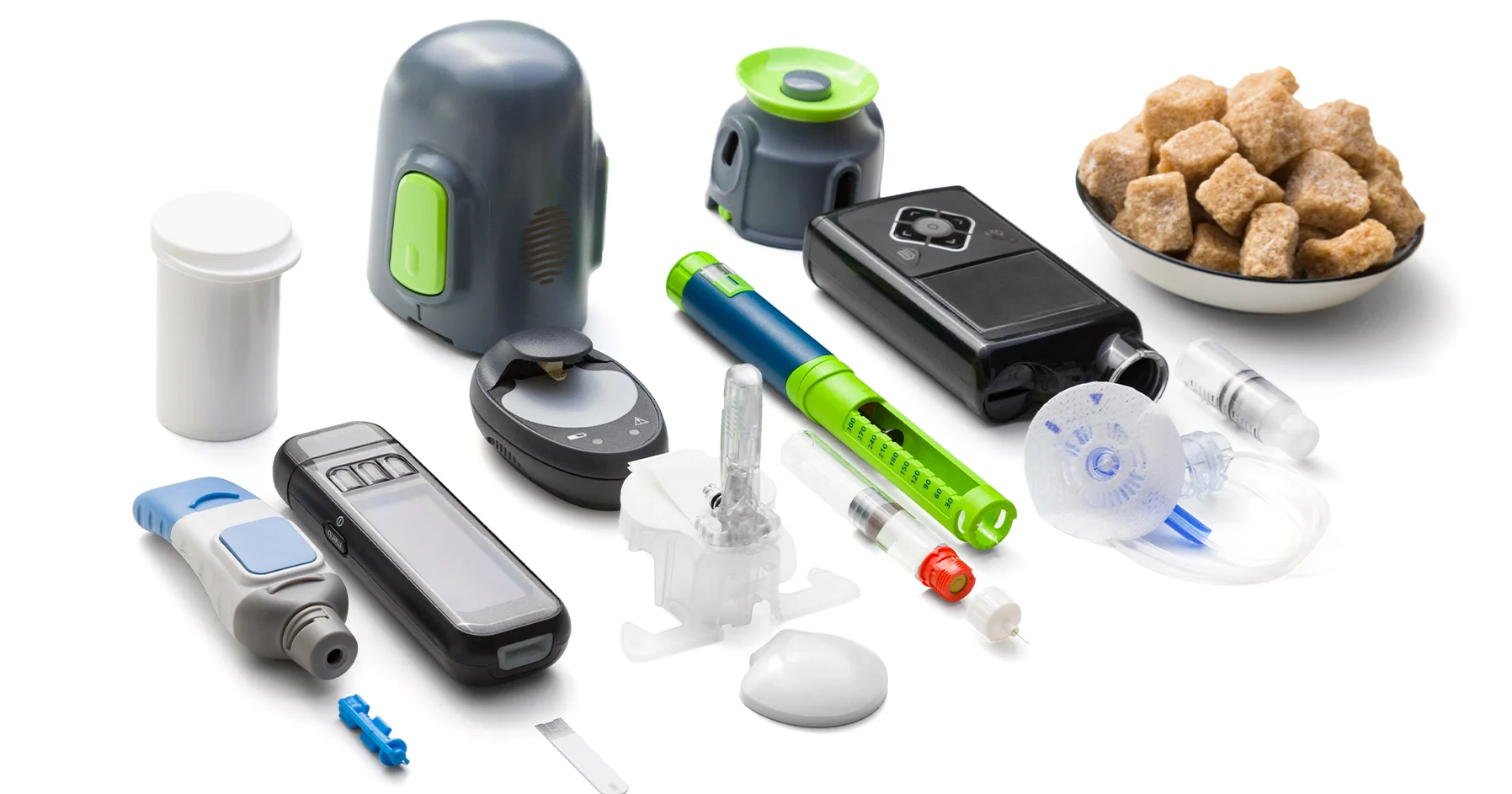
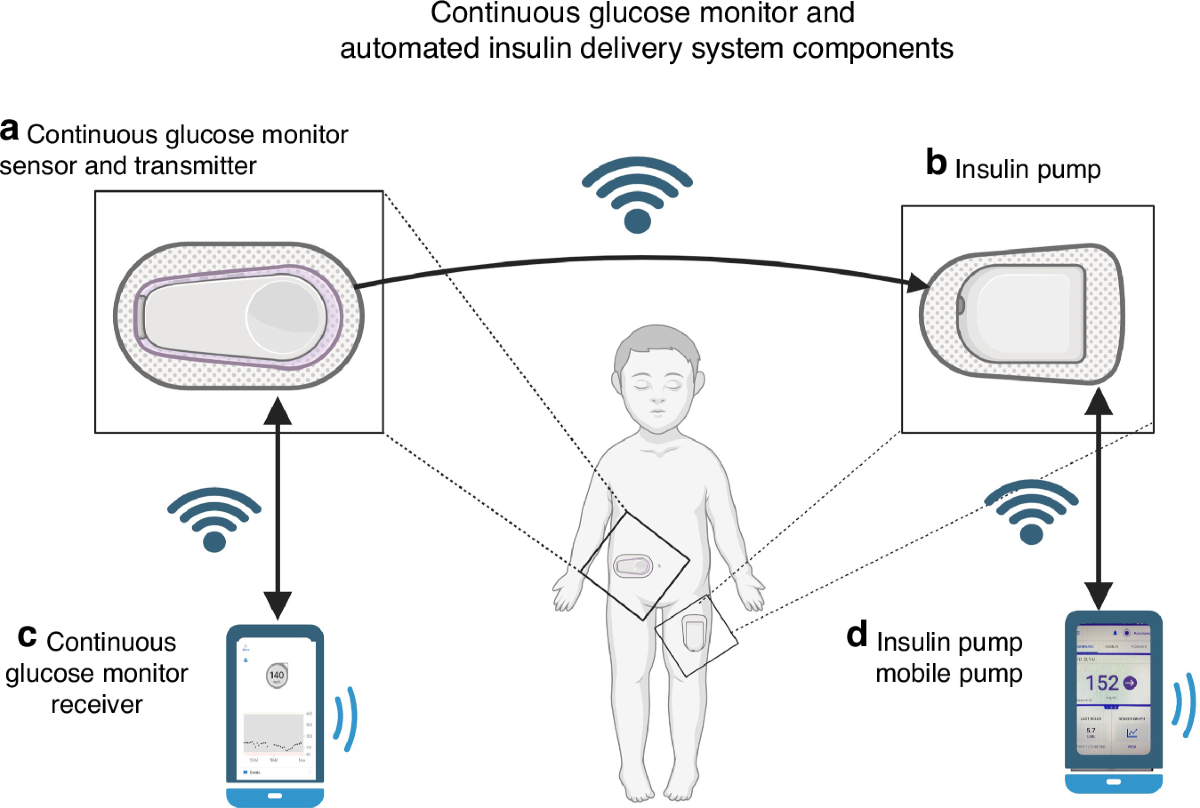
For children living with Type 1 diabetes, medical devices such as insulin pumps and continuous glucose monitors (CGMs) can significantly improve health outcomes and daily diabetes management.
These technologies offer numerous advantages, including more precise insulin delivery, reduced frequency of finger-stick testing, and enhanced glucose monitoring.
However, despite their clinical benefits, the emotional and psychological adjustment to wearing diabetes devices can be challenging for many children.
A child’s willingness to accept and consistently use diabetes technology is influenced by multiple factors, including age, personality, previous healthcare experiences, body image concerns, peer relationships, and family attitudes.
Understanding these reactions and implementing supportive strategies can help families foster a more positive relationship with diabetes technology.
Understanding Children’s Initial Reactions
Children respond to diabetes devices in different ways.
While some are curious and excited about new technology, others may experience fear, frustration, embarrassment, or resistance.
Common reactions include:
Fear of pain during device insertion.
Anxiety about how the device will look on their body.
Concerns about standing out from peers.
Anger about having another reminder of their diabetes.
Worry about device alarms occurring at school or social events.
Frustration related to physical discomfort or adhesive irritation.
Curiosity and excitement about gaining more independence.
These reactions are normal and should be acknowledged without judgment.
Acceptance is often a gradual process rather than an immediate outcome.
The Importance of Age-Appropriate Communication
The way healthcare providers and parents discuss diabetes devices can significantly influence a child’s perception.
Preschool Children
Young children tend to focus on immediate experiences, such as whether something will hurt or interfere with play.
Simple explanations may be helpful:
“This helps us understand what your body needs.”
“This device is one of the tools that helps keep you healthy and strong.”
Using dolls, storybooks, or pretend play can make unfamiliar equipment feel less threatening.
School-Aged Children
Children in this age group often seek concrete information and reassurance.
Parents can explain:
How the device works.
What sensations they might experience.
Why wearing the device may reduce some aspects of diabetes management.
Encouraging questions allows children to feel involved rather than passive recipients of care.
Adolescents
Teenagers frequently place greater emphasis on appearance, social acceptance, and autonomy.
Open discussions about concerns related to body image, dating, friendships, and independence are essential.
Adolescents are more likely to embrace diabetes technology when they perceive it as a tool that supports freedom rather than restricts it.
Encouraging Participation in Decision-Making
Children often adapt more successfully when they are given opportunities to participate in decisions regarding their care.
Depending on developmental level, they may choose:
The timing of device insertion.
Preferred insertion sites.
Decorative patches or protective covers.
The color and style of carrying cases.
Alert sounds and notification settings.
Offering choices promotes a sense of control and ownership.
Even small decisions can strengthen a child’s confidence and willingness to engage with diabetes management.
Addressing Fear of Pain
Fear of pain represents one of the most common barriers to device acceptance.
Strategies that may help include:
Explaining each step of the insertion process beforehand.
Using relaxation techniques and distraction methods.
Allowing children to watch demonstration videos if they are interested.
Practicing deep breathing exercises.
Providing praise and encouragement after successful insertions.
Parents should avoid dismissing fears by saying things such as, “It doesn’t hurt at all.”
Instead, validating the child’s experience with statements like, “You might feel a quick pinch, and we’ll get through it together,” often fosters greater trust.
Managing Body Image Concerns
As children mature, awareness of physical appearance becomes increasingly important.
Some children may feel self-conscious about visible diabetes devices, particularly during activities such as swimming, sports participation, or social gatherings.
Supportive approaches include:
Normalizing the appearance of medical devices.
Highlighting athletes, musicians, and public figures who successfully manage diabetes.
Encouraging open discussions about feelings related to visibility.
Exploring clothing options that improve comfort and confidence.
Respecting a child’s preferences regarding who is informed about their diabetes.
Building a positive self-image involves helping children recognize that diabetes devices are tools that support health rather than define identity.
Preparing for School and Social Situations
Peer interactions can strongly influence device acceptance.
Children may worry about classmates asking questions or making comments about their equipment.
Preparation can reduce anxiety.
Parents and children can practice simple responses, such as:
“It’s something that helps me manage my diabetes.”
“This checks my blood sugar without finger pricks.”
“It’s medical equipment that helps keep me healthy.”
Some children enjoy educating peers, while others prefer maintaining privacy. Both approaches should be respected.
Collaboration with teachers and school nurses also promotes a supportive educational environment.
The Role of Positive Reinforcement
Celebrating progress can strengthen motivation during periods of adjustment.
Positive reinforcement may include:
Verbal praise for bravery and cooperation.
Recognition of growing independence.
Family celebrations after major milestones.
Sticker charts for younger children.
Opportunities to teach others about diabetes technology.
The focus should remain on effort and resilience rather than perfection.
Children benefit from hearing messages such as:
“You handled that challenge really well.”
“I’m proud of how responsible you’re becoming.”
“It’s okay to have difficult days while learning something new.”
When Resistance Persists
Some children continue to struggle despite supportive efforts.
Signs that additional support may be beneficial include:
Persistent refusal to wear devices.
Intense distress before insertions.
Significant changes in mood or behavior.
Social withdrawal related to diabetes management.
Excessive anxiety surrounding medical procedures.
In these situations, consultation with healthcare professionals experienced in pediatric diabetes psychology can be valuable.
Mental health support does not indicate failure; rather, it recognizes that living with a chronic condition affects emotional well-being as well as physical health.
Helping Families Adapt Together
The introduction of diabetes technology often requires adjustment for the entire family.
Parents may experience their own anxieties regarding device use, technical difficulties, or concerns about relying on new systems. Children frequently observe and internalize these reactions.
Maintaining a calm, solution-focused approach can foster confidence.
Families may benefit from:
Attending diabetes education sessions together.
Joining support groups for parents and children.
Sharing experiences with other families using similar technologies.
Establishing predictable routines around device care.
A collaborative family environment encourages resilience and adaptability.
Looking Toward the Future
Acceptance of diabetes technology is rarely a single event.
Rather, it is an evolving process shaped by developmental stages, changing social experiences, and increasing independence.
A child who initially resists wearing a device may later appreciate the freedom it provides.
Conversely, periods of frustration may emerge during adolescence even after years of successful use.
Patience, empathy, and ongoing communication remain essential throughout this journey.
Ultimately, the goal is not merely achieving compliance with medical recommendations.
It is helping children develop confidence, self-advocacy skills, and a healthy relationship with the tools that support their well-being.
When families approach diabetes technology with flexibility, understanding, and encouragement, children are more likely to view these devices not as burdens, but as valuable resources that enable them to pursue their goals, participate fully in everyday activities, and thrive despite the challenges of living with diabetes.
The Influence of Parents’ Attitudes on Device Acceptance
Children often look to their parents for emotional cues when facing unfamiliar situations.
The way caregivers discuss diabetes devices can shape a child’s beliefs, expectations, and willingness to cooperate.
If parents consistently present technology as frightening, burdensome, or overwhelming, children may develop similar attitudes.
Conversely, when caregivers demonstrate confidence, patience, and optimism, children are more likely to approach new devices with curiosity rather than fear.
This does not mean parents must hide their own concerns. Instead, it involves communicating in a balanced manner.
For example, parents might say:
“Learning something new can feel challenging, but we’ll figure it out together.”
“This device is another tool to help you stay healthy and do the things you enjoy.”
“It’s okay to have questions and mixed feelings about it.”
Modeling calm problem-solving behaviors teaches children that difficulties can be managed effectively.
Supporting Children Through the Transition Period
Even when children initially agree to use diabetes technology, the first few weeks often involve an adjustment period.
During this phase, children may experience:
Increased awareness of the device on their body.
Frustration with alarms and notifications.
Temporary disruptions to sleep routines.
Concerns about participating in sports and physical activities.
Questions about how friends and classmates will react.
Families can support adaptation by setting realistic expectations.
It is helpful to explain that becoming comfortable with a device takes time and that occasional frustration does not mean the technology is unsuitable.
Regular family check-ins provide opportunities to discuss concerns before they escalate into resistance.
Questions such as the following may encourage meaningful conversations:
“What has been the easiest part about using your device?”
“What has been the most challenging part?”
“Is there anything we can change to make it more comfortable?”
Listening without immediately offering solutions allows children to feel heard and respected.
Building Confidence Through Gradual Responsibility
As children gain experience with diabetes devices, they can begin participating more actively in daily management tasks.
Age-appropriate responsibilities may include:
For Younger Children:
Selecting adhesive patches or device covers.
Helping gather supplies during site changes.
Notifying an adult if alarms occur.
For School-Aged Children:
Learning the purpose of different device alerts.
Assisting with charging equipment.
Identifying symptoms that require glucose checks.
For Adolescents:
Performing independent site changes.
Reviewing glucose trends and patterns.
Communicating with healthcare providers.
Managing supply orders with parental guidance.
Gradually increasing responsibility promotes competence while reducing the likelihood of overwhelming the child.
Importantly, independence should be viewed as a process rather than a fixed milestone.
The Value of Peer Support
Children frequently benefit from connecting with others who share similar experiences.
Meeting peers who successfully use insulin pumps or continuous glucose monitors can normalize device use and reduce feelings of isolation.
Peer support opportunities may include:
Diabetes camps.
Community support groups.
Educational workshops.
Online programs supervised by healthcare organizations.
Mentorship initiatives pairing younger children with older adolescents living with diabetes.
Seeing others confidently managing their devices can challenge misconceptions and foster hope.
For many children, realizing that they are not alone becomes a powerful source of encouragement.
Addressing Device Fatigue
Although diabetes technologies provide important benefits, some children experience periods of emotional exhaustion related to continuous management demands.
Device fatigue may manifest as:
Irritability regarding alarms.
Avoidance of site changes.
Reduced engagement with diabetes tasks.
Statements such as, “I just want to be normal.”
Resistance toward discussing diabetes altogether.
These reactions do not necessarily indicate noncompliance or irresponsibility.
Rather, they may reflect the psychological burden of living with a chronic condition that requires constant attention.
During these periods, families can help by:
Acknowledging the child’s emotions.
Collaborating with healthcare providers to simplify routines when possible.
Revisiting the child’s goals and motivations.
Allowing opportunities for age-appropriate breaks from decision-making responsibilities.
Compassionate responses often strengthen long-term engagement with treatment.
Healthcare Professionals as Partners in Acceptance
The healthcare team plays an important role in helping children adapt to diabetes technology.
Effective professionals recognize that successful device use depends not only on technical instruction but also on emotional readiness.
Healthcare providers can support families by:
Assessing concerns before recommending new technologies.
Providing demonstrations and hands-on practice opportunities.
Offering developmentally appropriate education.
Encouraging questions from both parents and children.
Screening for emotional distress related to diabetes management.
Referring families to mental health specialists when appropriate.
A collaborative approach empowers families to make informed decisions that align with their individual values and circumstances.
Celebrating Progress Rather Than Perfection
Living with diabetes involves ongoing learning and adjustment.
There will inevitably be days when devices malfunction, glucose levels fluctuate unexpectedly, or frustration emerges.
Children benefit from understanding that perfection is neither expected nor attainable.
Instead, families can emphasize progress by recognizing achievements such as:
Completing a site change independently.
Asking thoughtful questions during clinic visits.
Managing an alarm appropriately at school.
Expressing feelings openly about diabetes-related challenges.
Demonstrating resilience following setbacks.
Celebrating these successes reinforces self-efficacy and encourages continued growth.
Looking Toward the Future
As diabetes technologies continue to evolve, future generations of devices may become smaller, more comfortable, and increasingly automated.
These advances hold tremendous promise for improving quality of life among children living with diabetes.
However, even the most sophisticated technology cannot replace the importance of emotional support, patient education, and compassionate caregiving.
Helping children accept diabetes devices is not solely about increasing adherence to treatment recommendations.
It is about fostering confidence, autonomy, and psychological well-being.
Every child approaches this journey differently.
Some embrace new technologies enthusiastically, while others require additional time, reassurance, and encouragement.
By responding with empathy, flexibility, and patience, families and healthcare professionals can help children develop a sense of mastery rather than helplessness.
Ultimately, diabetes devices are not simply pieces of medical equipment.
For many children, they become tools that support participation in sports, academic achievement, friendships, family activities, and dreams for the future.
When acceptance is nurtured thoughtfully, children can move beyond merely coping with diabetes.
They can learn to thrive while carrying with them the knowledge that their diagnosis does not define their potential, limit their ambitions, or diminish their ability to lead rich and meaningful lives.