
Cheap Diabetic Sensors on the Market vs. Popular Brands: What’s the Real Difference?
Continuous Glucose Monitoring (CGM) technology has transformed diabetes management. Instead of checking blood sugar with finger-stick tests several times a day, users can now wear a small sensor that continuously tracks glucose levels and sends data to a smartphone or receiver.
However, as CGM technology becomes more popular, the market is filling with lower-cost sensors, generic alternatives, and lesser-known brands. Many people wonder whether these cheaper sensors are a smart way to save money or whether established brands justify their higher prices.
The answer is more complicated than simply comparing costs. When it comes to glucose monitoring, accuracy, reliability, safety, customer support, and clinical validation matter just as much as affordability.
Understanding the CGM Market
The CGM market is currently dominated by a few major players:
Dexcom
Abbott
Medtronic
Senseonics
Their products include well-known systems such as:
Dexcom G7
FreeStyle Libre 3
Guardian 4
Eversense E3
These products have undergone extensive clinical testing and regulatory review.
In contrast, newer and cheaper sensors often come from smaller manufacturers that may have less published data and shorter track records.
Why Are Some Sensors So Much Cheaper?
Many people assume that all CGM sensors perform the same basic task and therefore should cost roughly the same amount.
In reality, price differences often reflect major differences in development costs.
Established manufacturers invest heavily in:
Clinical trials
Regulatory approval
Software development
Customer support
Manufacturing quality control
Cybersecurity
Research and development
Lower-cost manufacturers may spend less in some of these areas.
This does not automatically mean a cheap sensor is bad, but it does mean users should evaluate them carefully.
Accuracy: The Most Important Difference
When comparing CGM systems, accuracy is arguably the most critical factor.
A glucose sensor influences decisions about:
Insulin dosing
Hypoglycemia treatment
Exercise adjustments
Meal planning
An inaccurate reading can lead to incorrect decisions.
Why Accuracy Matters
Imagine a sensor reports:
70 mg/dL when the true glucose is 95 mg/dL
The user may consume unnecessary carbohydrates.
Or the sensor reports:
180 mg/dL when the actual glucose is 130 mg/dL
The user may take unnecessary insulin.
Repeated inaccuracies can affect overall diabetes management.
Understanding MARD
One of the most commonly used measures of CGM accuracy is Mean Absolute Relative Difference (MARD).
Lower MARD values generally indicate greater accuracy.
Popular brands typically advertise MARD values around:
7%–10%
Many low-cost sensors either:
Have limited published accuracy data
Use smaller validation studies
Do not publicly report comprehensive MARD information
This lack of transparency can make comparisons difficult.
Reliability vs. Accuracy
Accuracy and reliability are not the same thing.
A sensor may be accurate when functioning properly but unreliable in everyday use.
Common reliability concerns include:
Sensor failures
Bluetooth disconnections
Adhesive problems
App crashes
Shortened sensor lifespan
Premium brands generally have years of real-world performance data supporting their reliability.
Sensor Lifespan
Different sensors are designed to last for different periods.
Examples include:
10 days
14 days
15 days
Several months (implantable systems)
A cheaper sensor may appear less expensive initially but become more costly if it requires more frequent replacement.
Always calculate:
Monthly Cost = Sensor Price × Replacement Frequency
rather than focusing only on the purchase price.
Alarm Systems: A Major Difference
One feature often overlooked by buyers is alert quality.
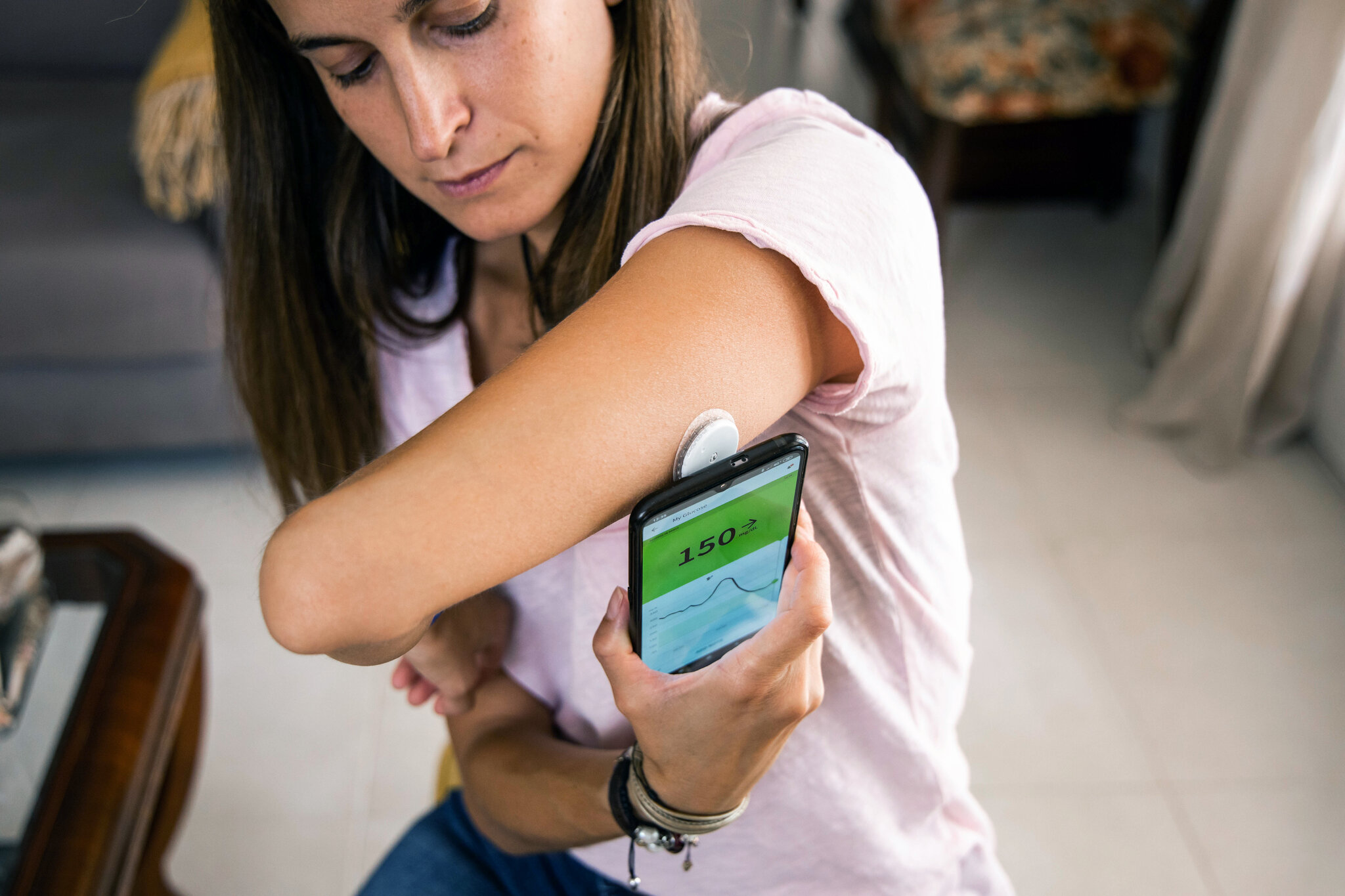
Modern CGMs can warn users about:
Low glucose
High glucose
Rapid glucose changes
For people using insulin, these alerts can be extremely valuable.
Popular systems often provide:
Predictive alerts
Custom thresholds
Overnight warnings
Urgent low alerts
Some cheaper systems offer more basic alert functionality or no real-time alarms at all.
App Quality and User Experience
The sensor itself is only part of the experience.
The smartphone application matters enormously.
Leading brands have invested years into developing apps that provide:
Trend analysis
Data sharing
Cloud backups
Reporting tools
Healthcare provider integration
A less expensive sensor may have adequate hardware but a weaker software ecosystem.
This can significantly affect day-to-day usability.
Integration with Other Diabetes Devices
Premium CGM systems often work with:
Smart insulin pens
Insulin pumps
Diabetes management platforms
For example, some insulin delivery systems can automatically adjust therapy based on CGM readings.
This level of integration is rarely available with newer budget devices.
For individuals using advanced diabetes technology, compatibility can be a major deciding factor.
Customer Support and Warranty
A glucose sensor is not like a typical consumer gadget.
When problems occur, users often need immediate assistance.
Established manufacturers generally offer:
Technical support teams
Replacement programs
Training resources
Healthcare provider support
With some low-cost brands, support quality may vary significantly.
A sensor failure can be far more frustrating when replacement assistance is limited.
Safety and Regulatory Approval
One of the biggest differences between established and lesser-known brands is regulatory history.
When evaluating any CGM, users should consider whether it has been reviewed by major regulatory authorities such as:
The U.S. Food and Drug Administration (FDA)
European CE regulatory systems
Other recognized national regulatory bodies
Regulatory approval does not guarantee perfection, but it does provide a level of independent evaluation.
Products lacking recognized regulatory approval deserve extra caution.
When a Cheap Sensor May Be a Good Choice
A lower-cost sensor may be reasonable if:
You Have Type 2 Diabetes and Do Not Use Insulin
For many people with Type 2 diabetes, CGM use focuses on:
Lifestyle tracking
Meal responses
Exercise monitoring
Small differences in sensor performance may have less immediate impact than they would for someone making frequent insulin decisions.
You Are Paying Completely Out of Pocket
Cost matters.
For some users, a lower-cost sensor may be far better than having no CGM access at all.
The Product Has Strong Independent Validation
Some newer brands offer excellent technology at lower prices.
The key is verifying:
Clinical data
Regulatory approval
Real-world user feedback
rather than assuming lower price equals lower quality.
When Popular Brands Usually Make More Sense
Established brands often justify their higher prices for:
Type 1 Diabetes
People with Type 1 diabetes frequently rely on CGM readings for insulin decisions.
Accuracy and reliability become particularly important.
Users with Frequent Hypoglycemia
Reliable low-glucose alerts can be lifesaving.
This is one area where proven performance is especially valuable.
Children
Parents often depend heavily on:
Data sharing
Remote monitoring
Alert systems
Strong software ecosystems can provide significant peace of mind.
Insulin Pump Users
Integration with insulin pumps may limit available options.
Compatibility often favors established brands.
The Hidden Cost of Cheap Sensors
Consumers often focus on purchase price but overlook indirect costs.
Examples include:
Missed low-glucose alerts
Sensor failures
Early replacements
Data loss
Poor customer support
Reduced confidence in readings
If users feel compelled to confirm CGM readings frequently with finger-stick testing, the savings may shrink considerably.
Final Verdict
The real difference between cheap diabetic sensors and leading CGM brands is not simply the hardware. It is the entire ecosystem surrounding the device: accuracy, reliability, clinical validation, software quality, customer support, safety monitoring, and integration with other diabetes technologies.
A budget sensor may be an excellent option if it has strong validation, appropriate regulatory approval, and meets your specific needs. Lower price alone should not automatically disqualify a product.
However, for individuals who depend heavily on CGM data—particularly those with Type 1 diabetes, intensive insulin therapy, frequent hypoglycemia, or insulin pump use—the additional cost of a well-established system is often paying for more than just a sensor. It is paying for proven performance, dependable alerts, extensive testing, and a mature support network.
In diabetes management, the cheapest option is not always the most expensive mistake—but neither is the most expensive option automatically the best. The smartest choice is the sensor that delivers the right balance of accuracy, reliability, safety, and affordability for your individual situation.
Cheap Diabetic Sensors vs. Premium Brands: The Factors Most Buyers Never Consider
When comparing low-cost glucose sensors with premium CGM systems, most discussions focus on price and accuracy. While these are important, there are several other factors that can have a major impact on the user experience and even on diabetes outcomes.
A sensor is not simply a device that displays a glucose number. It is a medical technology that influences decisions multiple times every day. Understanding the less obvious differences can help users avoid disappointment and choose a system that truly fits their needs.
The Trust Factor
One of the biggest advantages of established CGM brands is trust.
People who wear a glucose sensor are making decisions based on the information it provides.
Questions such as:
Should I take insulin?
Should I eat carbohydrates?
Is it safe to exercise?
Can I go to sleep without checking again?
all depend on confidence in the sensor.
Many experienced CGM users eventually discover that the most valuable feature is not necessarily accuracy statistics—it is confidence.
When users trust their sensor, they:
Check it more often
Follow recommendations more consistently
Experience less anxiety
Make faster decisions
Trust develops over months and years of reliable performance.
Sensor-to-Sensor Consistency
An often-overlooked issue is consistency between sensors.
Imagine two different sensors from the same brand.
The ideal situation is:
Sensor A performs well
Sensor B performs similarly
Sensor C performs similarly
Premium manufacturers generally invest heavily in production consistency.
With some lower-cost systems, users occasionally report larger differences between individual sensors.
Even if average accuracy appears acceptable, inconsistent performance can be frustrating.
Warm-Up Periods
Most CGMs require a warm-up period after insertion.
During this time the sensor may:
Not provide readings
Provide limited functionality
Require calibration
Premium systems often focus heavily on reducing warm-up times.
For users who wear sensors continuously throughout the year, shorter warm-up periods can improve convenience significantly.
Calibration Requirements
Older CGM systems frequently required finger-stick calibrations.
Modern premium sensors increasingly advertise:
Factory calibration
Reduced need for finger-stick verification
This may seem like a small improvement, but it can dramatically affect daily convenience.
Some lower-cost systems still rely more heavily on calibration procedures.
Users should evaluate how much maintenance they are willing to perform.
Adhesive Quality: A Bigger Issue Than Most People Expect
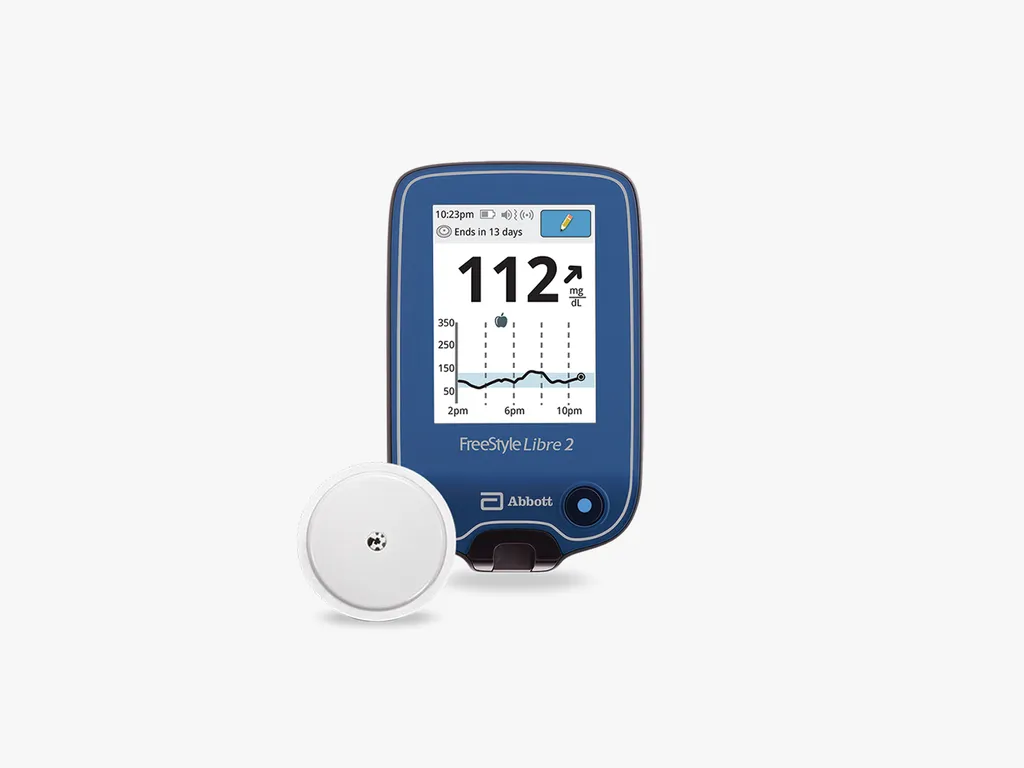
Many people focus exclusively on sensor electronics and forget about the adhesive patch.
Yet adhesive performance directly affects:
Sensor lifespan
Comfort
Reliability
User satisfaction
Common complaints include:
Sensors falling off early
Skin irritation
Excessive sweating issues
Water exposure problems
Premium manufacturers often invest heavily in adhesive development because they understand that even an accurate sensor becomes useless if it cannot stay attached properly.
Skin Reactions and Comfort
Every CGM user has unique skin sensitivity.
Factors influencing comfort include:
Adhesive formulation
Sensor size
Sensor weight
Applicator design
Some users can wear nearly any sensor comfortably.
Others experience:
Itching
Redness
Rash
Contact dermatitis
Larger manufacturers often provide more extensive guidance and accessory options for managing skin issues.
Data Sharing Capabilities
One area where premium systems often excel is remote monitoring.
Many families rely on data sharing features.
For example:
Parents may monitor a child’s glucose levels while:
The child is at school
Attending sports practice
Sleeping overnight
Similarly, caregivers may monitor elderly family members remotely.
Strong cloud-based sharing systems can provide significant reassurance.
Not all budget sensors offer comparable functionality.
The Importance of Community Support
An advantage rarely mentioned in product comparisons is community size.
Popular CGM systems benefit from enormous user communities.
Users can find:
Online forums
Educational resources
Troubleshooting guides
Accessory recommendations
Peer support
When problems arise, solutions are often easy to find.
With newer or niche brands, support resources may be much more limited.
Software Updates and Long-Term Development
A CGM is increasingly becoming a software-driven product.
The smartphone application may receive updates that improve:
Accuracy algorithms
User interface
Alert systems
Data analysis
Device compatibility
Large manufacturers generally maintain dedicated software development teams.
This ongoing investment can improve the product long after purchase.
The Psychological Impact of Better Data
One of the most underestimated benefits of high-quality CGM systems is psychological.
Before CGMs became common, many people with diabetes lived with significant uncertainty.
Questions such as:
Am I going low?
Is my glucose rising?
Will exercise affect me later?
What happened overnight?
often had no immediate answers.
Reliable CGM systems reduce uncertainty.
This can improve:
Confidence
Independence
Sleep quality
Quality of life
For many users, these benefits are as valuable as improvements in glucose control itself.
Why Some People Are Switching to Budget Sensors
Despite the advantages of premium brands, there are valid reasons why some users explore lower-cost alternatives.
Rising Healthcare Costs
In many countries, CGMs remain expensive.
Insurance coverage varies widely.
Budget-friendly options may allow access to continuous monitoring for people who would otherwise go without it.
Increasing Technology Competition
As CGM technology matures, manufacturing costs may decrease.
New companies can sometimes offer competitive products at lower prices because they:
Have lower overhead costs
Enter markets aggressively
Focus on specific user groups
Competition may ultimately benefit consumers by driving innovation and reducing prices.
Growing Demand for Diabetes Technology
The number of people using glucose monitoring technology continues to rise.
This creates opportunities for alternative manufacturers to enter the market.
Not every newcomer produces an inferior product.
Some may eventually become major competitors to established brands.
Questions to Ask Before Buying Any CGM
Regardless of price, consider the following:
Is the sensor approved by recognized regulatory authorities?
This should be one of the first questions.
What accuracy data is publicly available?
Look for independent validation whenever possible.
How long does each sensor last?
Calculate monthly costs rather than focusing on individual sensor prices.
Does it provide alerts?
This can be especially important for insulin users.
Is customer support accessible?
Fast replacement programs can save considerable frustration.
Does it integrate with my existing diabetes tools?
Compatibility may be critical if you use insulin pumps or smart pens.
What do long-term users say?
Real-world experiences often reveal strengths and weaknesses that marketing materials overlook.
Looking Ahead: The Future of Affordable CGMs
The future of glucose monitoring will likely involve increasing competition and falling costs.
Experts expect several trends:
Smaller sensors
Longer wear times
Improved accuracy
Better smartphone integration
Expanded artificial intelligence features
Lower manufacturing costs
Over time, the gap between budget and premium systems may narrow.
What today seems like a premium feature may become standard in the future.
Final Conclusion
The difference between cheap diabetic sensors and premium brands extends far beyond the price tag.
Premium systems often offer:
Better-established accuracy
Stronger reliability records
More advanced alerts
Superior software ecosystems
Extensive customer support
Greater integration with diabetes devices
Larger user communities
Budget sensors may provide meaningful savings and can be a reasonable option for many users, particularly if they have strong clinical validation and appropriate regulatory approval.
However, glucose monitoring is not an area where price should be the only deciding factor. The true value of a CGM lies in the quality of information it provides, the confidence it inspires, and the support system that stands behind it.
For many people living with diabetes, the most important question is not “Which sensor is cheapest?” but rather:
“Which sensor helps me make the safest and most informed decisions every day?”
That question often leads to a much more meaningful comparison than price alone.