
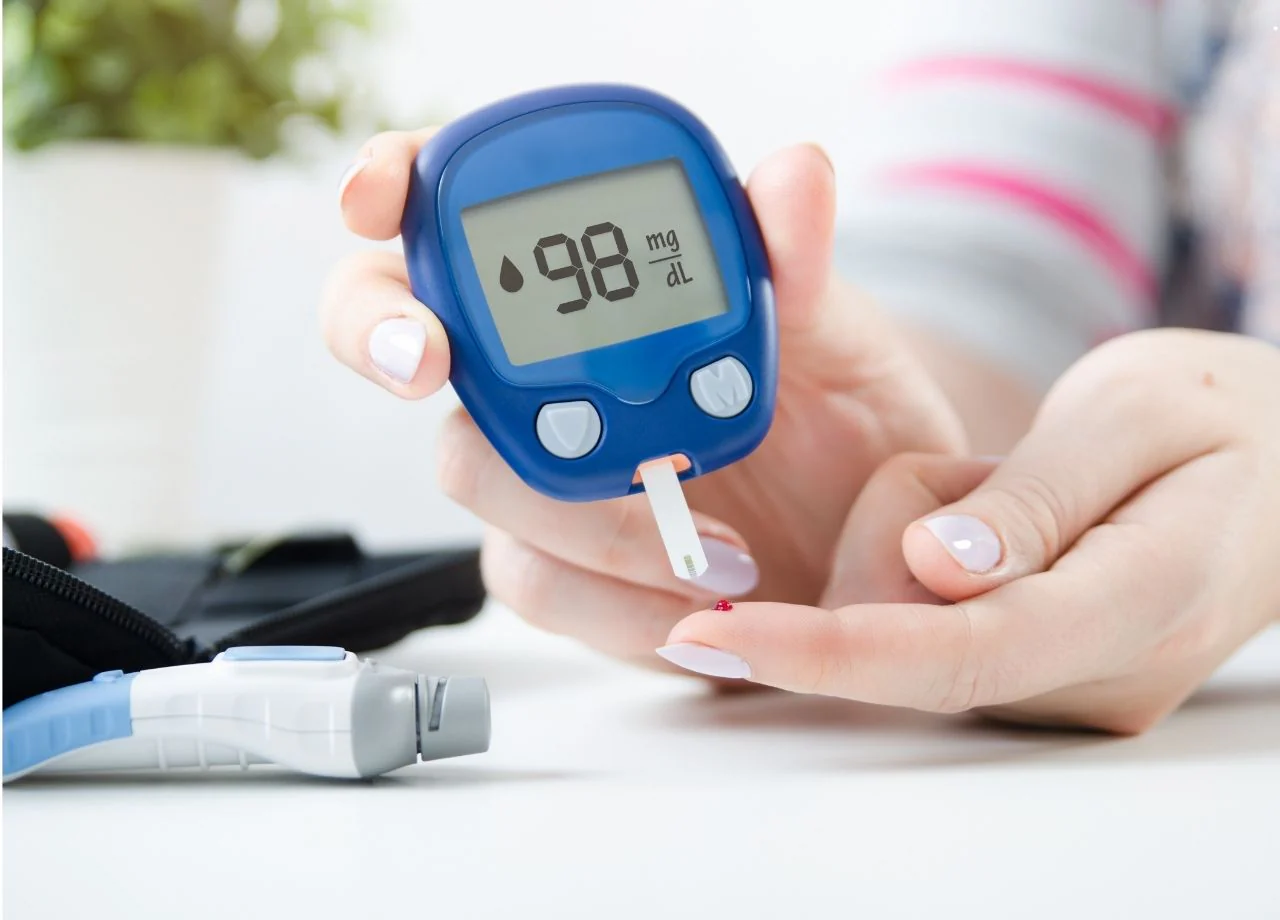
For children with diabetes, both Continuous Glucose Monitoring (CGM) and fingerstick blood glucose tests are useful, but they measure glucose differently and have different strengths.
Which is more accurate?
Fingerstick tests
Fingerstick testing (using a glucometer) is generally considered the most accurate for real-time blood glucose at that exact moment because it measures glucose directly from the blood.
It is especially reliable when:
Blood sugar is changing rapidly
Confirming hypoglycemia (low blood sugar)
Calibrating some CGM devices
Symptoms do not match CGM readings
CGM systems
A CGM measures glucose in the interstitial fluid (the fluid between cells), not directly in the blood. Because of this, CGM readings can lag behind blood glucose by about 5–15 minutes, especially:
After meals
During exercise
When glucose is rising or falling quickly
However, modern CGMs are very accurate overall and provide something fingersticks cannot:
Continuous trends
Alerts for highs and lows
Overnight monitoring
Data patterns over time
For many children, this improves diabetes management and safety significantly.
Which is better for children?
Most pediatric diabetes specialists now recommend CGMs for many children because they:
Reduce the number of finger pricks
Help parents monitor glucose continuously
Improve detection of nighttime hypoglycemia
Often improve HbA1c control
But fingerstick tests are still important as a backup and for confirming unusual readings.
Important situations where fingersticks may still be needed
A fingerstick should be used if:
The CGM reading seems wrong
The child has symptoms that do not match the CGM
The CGM shows rapidly changing glucose
The sensor is newly inserted
The device requests calibration
Accuracy in practice
Modern CGMs from companies like Dexcom and Abbott are highly accurate, but no device is perfect. Studies show newer CGMs are close enough to blood glucose values that many treatment decisions can be made directly from CGM readings.
Bottom line
Fingerstick = slightly more accurate for a single immediate reading
CGM = far more useful for continuous monitoring and trend detection
For most children with diabetes, the best approach is often:
CGM for daily management
Fingersticks when confirmation is needed
CGM vs. Fingerstick Testing in Children: Which Method Is More Accurate?
Managing diabetes in children requires accurate glucose monitoring, fast decision-making, and constant attention from parents and caregivers. Over the past decade, diabetes technology has changed dramatically, especially with the rise of Continuous Glucose Monitoring (CGM) systems. Many parents now ask an important question: *Is a CGM more accurate than traditional fingerstick testing for children?*
The answer is not completely simple because both methods work differently, measure glucose differently, and serve different purposes. While fingerstick testing has long been considered the gold standard for immediate blood glucose readings, CGM devices provide continuous information that can dramatically improve diabetes management and safety in children.
This article explores how each method works, compares their accuracy, explains their advantages and disadvantages, and discusses which option may be better for children living with diabetes.
Understanding Fingerstick Blood Glucose Testing
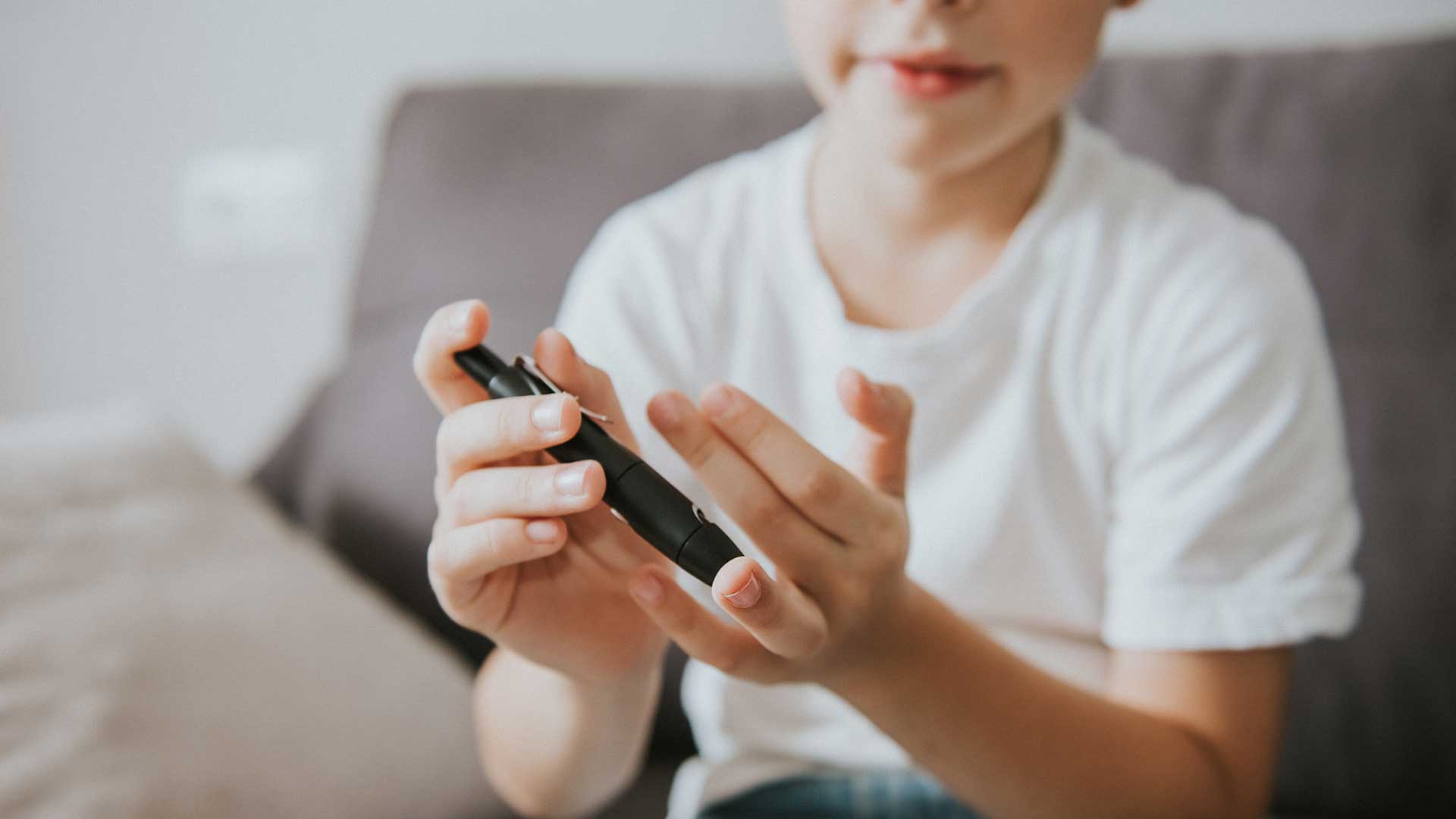
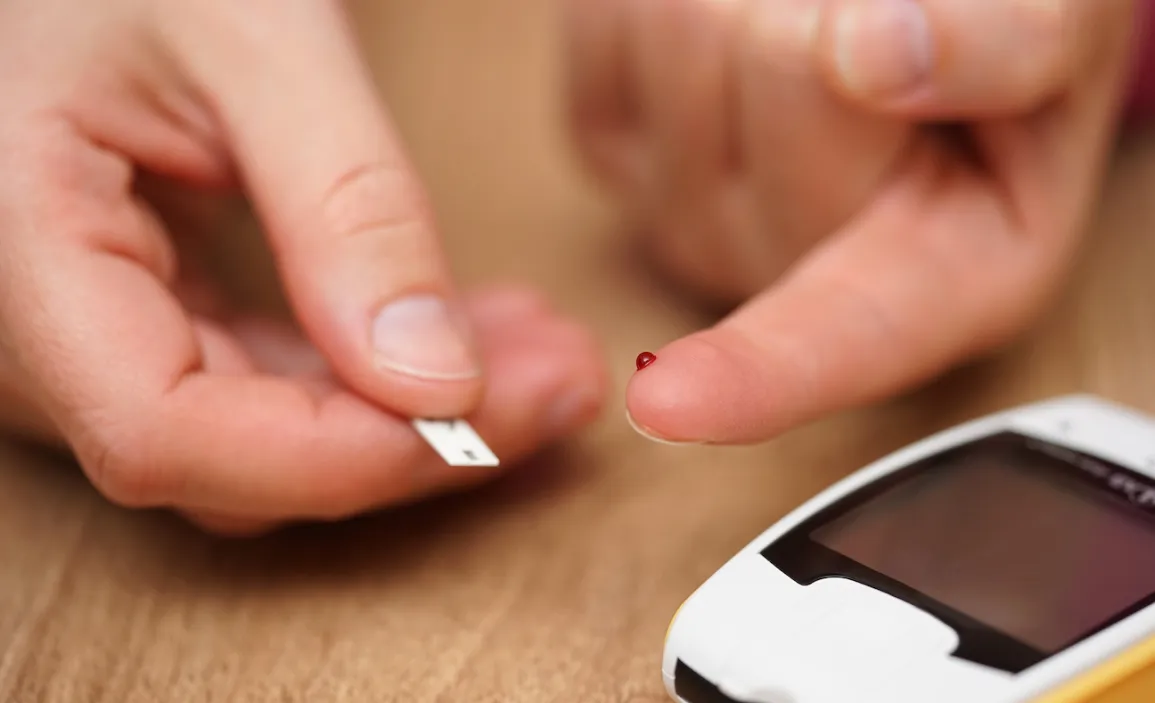
Fingerstick testing, also known as self-monitoring of blood glucose (SMBG), involves pricking the finger with a lancet to obtain a small drop of blood. The blood is placed on a test strip inserted into a glucose meter, which then measures the glucose concentration in the blood.
For decades, fingerstick testing has been the standard method used by children and adults with diabetes.
How Fingerstick Testing Works
The glucose meter analyzes capillary blood from the fingertip and provides a glucose reading within seconds. Because the measurement comes directly from the bloodstream, it reflects the child’s blood sugar level at that exact moment.
This is why fingerstick testing is often considered extremely accurate for immediate glucose readings.
Advantages of Fingerstick Testing
1. High Immediate Accuracy
Fingerstick tests directly measure blood glucose rather than estimating glucose from surrounding tissues. This makes them highly reliable, especially when blood sugar is changing quickly.
2. Useful During Rapid Glucose Changes
Blood glucose can rise or fall rapidly after meals, exercise, insulin administration, illness, or stress. During these moments, fingerstick testing often provides more accurate real-time information than CGM devices.
3. Essential for Confirming Dangerous Readings
Doctors often recommend confirming severe low or high glucose readings with a fingerstick test before taking major corrective action.
4. No Sensor Lag
Fingerstick tests show the glucose level at the exact time of testing, while CGMs may show a slight delay.
Disadvantages of Fingerstick Testing
Although fingerstick testing is accurate, it also has several limitations.
1. Pain and Discomfort
Children may need multiple finger pricks every day. This can become painful, stressful, and emotionally exhausting, especially for younger children.
2. Limited Information
A fingerstick provides only one reading at one moment in time. It does not show:
* Whether glucose is rising or falling
* Overnight trends
* Patterns throughout the day
* Future risk of hypoglycemia
3. Missed Nighttime Lows
One major challenge in pediatric diabetes care is nighttime hypoglycemia. Fingerstick tests cannot continuously monitor glucose while the child is sleeping.
4. Increased Burden on Families
Parents may need to wake up several times during the night to check glucose manually.
What Is a Continuous Glucose Monitor (CGM)?
A Continuous Glucose Monitor is a small wearable device that tracks glucose levels continuously throughout the day and night.
A tiny sensor is inserted under the skin, usually on the abdomen or arm. The sensor measures glucose levels in the interstitial fluid — the fluid surrounding body cells.
The device sends readings automatically to a receiver, smartphone, or insulin pump every few minutes.
Popular CGM systems include devices from companies such as Dexcom, Abbott, and Medtronic.
How CGM Devices Work
Unlike fingerstick testing, CGMs do not measure glucose directly from blood. Instead, they estimate glucose levels from interstitial fluid.
Because glucose must move from the bloodstream into the tissues, CGM readings can lag behind actual blood glucose by approximately 5 to 15 minutes.
This delay is especially noticeable:
* After meals
* During exercise
* During hypoglycemia
* After insulin correction doses
Despite this limitation, modern CGMs are extremely advanced and accurate.
Advantages of CGM for Children
1. Continuous Monitoring
CGMs provide glucose readings every few minutes, creating a complete picture of the child’s glucose patterns throughout the day.
This helps families identify:
* Overnight lows
* Post-meal spikes
* Exercise-related drops
* Hidden glucose trends
2. Real-Time Alerts
One of the greatest benefits of CGM technology is the ability to receive alerts when glucose becomes too high or too low.
This feature can be life-changing for parents of young children.
Parents can often:
* Receive alarms during sleep
* Monitor children remotely at school
* Detect dangerous lows earlier
* Prevent severe hypoglycemia
3. Reduced Finger Pricks
Many CGMs greatly reduce the need for routine fingerstick testing.
Some newer systems are approved for insulin dosing decisions without confirmatory fingersticks in many situations.
4. Better Diabetes Management
Studies have shown that children using CGMs often experience:
* Improved HbA1c levels
* Increased time in target glucose range
* Fewer severe hypoglycemic episodes
* Better overall diabetes control
5. Emotional Relief for Families
Continuous monitoring can reduce anxiety in parents who worry about sudden nighttime lows or school-time emergencies.
Limitations of CGM Technology
Although CGMs are highly beneficial, they are not perfect.
1. Sensor Lag
Because CGMs measure interstitial fluid rather than blood, readings may temporarily differ from actual blood glucose levels.
This is most noticeable during rapid glucose changes.
2. Compression Lows
Sleeping on the sensor can sometimes cause falsely low readings, called “compression lows.”
This may trigger unnecessary alarms during the night.
3. Sensor Errors
CGMs can occasionally provide inaccurate readings due to:
* Poor sensor placement
* Dehydration
* Sensor expiration
* Technical malfunctions
4. Skin Irritation
Some children develop skin irritation or allergic reactions from sensor adhesives.
5. Cost
CGM systems can be expensive depending on insurance coverage and healthcare systems.
Which Method Is More Accurate?
Fingerstick Accuracy
Fingerstick tests remain slightly more accurate for measuring immediate blood glucose levels at a single moment.
This is because:
* They measure blood directly
* They have no time lag
* They are less affected by external factors
For this reason, doctors may still recommend fingerstick confirmation when:
* Symptoms do not match CGM readings
* Severe hypoglycemia is suspected
* The CGM shows rapidly changing glucose
* The sensor is newly inserted
Modern CGM Accuracy Has Improved Dramatically
Earlier CGMs were less reliable, but modern systems are far more accurate than older generations.
Researchers commonly evaluate CGM accuracy using a measurement called MARD (Mean Absolute Relative Difference). Lower MARD values indicate better accuracy.
Many newer CGMs now have MARD values close to traditional glucose meters, making them accurate enough for everyday diabetes management.
This technological progress has transformed pediatric diabetes care worldwide.
Which Method Is Better for Children?
For most children with diabetes, many pediatric endocrinologists now consider CGM technology the preferred daily management tool.
This does not necessarily mean CGMs are always more accurate than fingersticks. Instead, it means the overall benefits of continuous monitoring often outweigh the small differences in immediate accuracy.
CGMs offer advantages that fingerstick testing alone cannot provide:
* Trend analysis
* Real-time alerts
* Overnight protection
* Remote parental monitoring
* Improved long-term glucose management
However, fingerstick testing still plays an important supporting role.
When Fingerstick Testing Is Still Necessary
Even children using advanced CGM systems may still need fingerstick tests in situations such as:
* Confirming severe low blood sugar
* Sensor malfunction
* Unexpected symptoms
* Calibration requirements
* Rapid glucose fluctuations
* Very high glucose readings
Therefore, most diabetes specialists recommend using both methods together when necessary.
Psychological Impact on Children
Diabetes management affects not only physical health but also emotional well-being.
Frequent finger pricks can cause:
* Anxiety
* Fear
* Frustration
* Burnout
Many children feel more comfortable with CGMs because they reduce the number of painful daily fingersticks.
However, some children may initially feel uncomfortable wearing a sensor continuously.
Family education and emotional support remain essential regardless of the monitoring method used.
The Role of Parents and Caregivers
Parents play a major role in helping children manage diabetes safely.
CGM systems can significantly improve parental confidence because caregivers can:
* Monitor glucose remotely
* Receive emergency alerts
* Detect nighttime problems early
* Track trends over time
This can reduce stress and improve quality of life for the entire family.
Future of Glucose Monitoring
Diabetes technology continues to evolve rapidly.
Newer systems are becoming:
* Smaller
* More comfortable
* More accurate
* Longer lasting
* Easier to use
Many modern insulin pumps now integrate directly with CGMs to create automated insulin delivery systems, sometimes called “artificial pancreas” technology.
These systems are helping children achieve safer and more stable glucose control than ever before.
Final Conclusion
Both fingerstick testing and Continuous Glucose Monitoring have important roles in pediatric diabetes care.
Fingerstick testing remains slightly more accurate for immediate real-time blood glucose measurement because it directly analyzes blood samples. It is especially useful during rapid glucose changes and for confirming suspicious readings.
However, CGM technology offers enormous practical advantages for children and families. Continuous monitoring, trend analysis, real-time alerts, and overnight protection make CGMs an incredibly valuable tool for daily diabetes management.
For many children, the best approach is not choosing one method over the other, but combining both wisely:
* CGM for continuous daily monitoring
* Fingerstick testing when confirmation is needed
As technology continues to improve, CGMs are becoming increasingly accurate and are transforming the lives of children living with diabetes around the world.
Comparing CGM and Fingerstick Testing in Different Age Groups of Children
The accuracy and usefulness of glucose monitoring methods can vary depending on the child’s age, lifestyle, activity level, and ability to communicate symptoms.
Understanding how Continuous Glucose Monitoring (CGM) and fingerstick testing affect different age groups helps parents and healthcare providers make better treatment decisions.
Infants and Toddlers
Managing diabetes in infants and toddlers is especially challenging because very young children cannot clearly explain symptoms of low or high blood sugar.
Challenges in Young Children
Toddlers often experience:
Unpredictable eating habits
Variable activity levels
Rapid glucose fluctuations
Increased risk of hypoglycemia
Difficulty recognizing symptoms
Nighttime hypoglycemia is one of the greatest fears for parents of young children with diabetes.
Why CGM Is Extremely Helpful for Toddlers
CGM systems provide continuous monitoring and alarms that can warn caregivers before glucose becomes dangerously low.
This technology offers several major advantages:
Overnight safety monitoring
Remote tracking by parents
Fewer painful fingersticks
Earlier detection of glucose changes
Parents can often monitor glucose values on smartphones while the child sleeps or attends daycare.
Fingerstick Limitations in Toddlers
Performing frequent fingersticks on toddlers can be difficult because:
Children may resist testing
Finger pricks can be painful
Sleep disruption increases stress for families
For these reasons, CGM technology has become especially valuable for younger children.
School-Age Children
School-age children begin developing more independence, but glucose management remains complex.
School Challenges
Children at school may experience:
Missed meals
Physical activity changes
Emotional stress
Difficulty recognizing symptoms
Fear of standing out among classmates
CGM systems help parents and school staff monitor glucose levels throughout the day.
Remote Monitoring
Many modern CGMs allow parents to:
Receive alerts remotely
Track glucose during school hours
Respond quickly to emergencies
This can significantly reduce parental anxiety.
Fingersticks at School
Traditional fingerstick testing may sometimes interrupt:
Classroom activities
Sports
Social interactions
Some children may also feel embarrassed testing their glucose in front of classmates.
CGM devices often reduce these emotional and practical difficulties.
Teenagers and Adolescents
Adolescence is often one of the most difficult periods for diabetes management.
Hormonal changes during puberty can cause:
Increased insulin resistance
Rapid glucose fluctuations
Unpredictable blood sugar patterns
Teenagers may also struggle with:
Treatment fatigue
Emotional stress
Desire for independence
Irregular routines
Benefits of CGM for Teenagers
CGM systems can help teenagers:
Understand glucose trends
Improve treatment decisions
Manage sports and social activities
Detect nighttime highs and lows
Many teens appreciate the convenience of checking glucose discreetly on smartphones rather than performing public fingerstick tests.
Accuracy During Exercise
Exercise significantly affects glucose levels in children.
Physical activity may cause:
Rapid glucose drops
Delayed hypoglycemia
Temporary glucose increases due to stress hormones
Fingerstick Accuracy During Exercise
Because fingersticks measure blood directly, they may provide more accurate immediate readings during exercise.
CGM Challenges During Exercise
CGMs may temporarily lag behind actual glucose changes during intense activity.
For example:
A child’s blood glucose may already be low
The CGM may still display a normal reading due to sensor delay
This is why many healthcare providers recommend confirming symptoms with a fingerstick during exercise if readings seem questionable.