
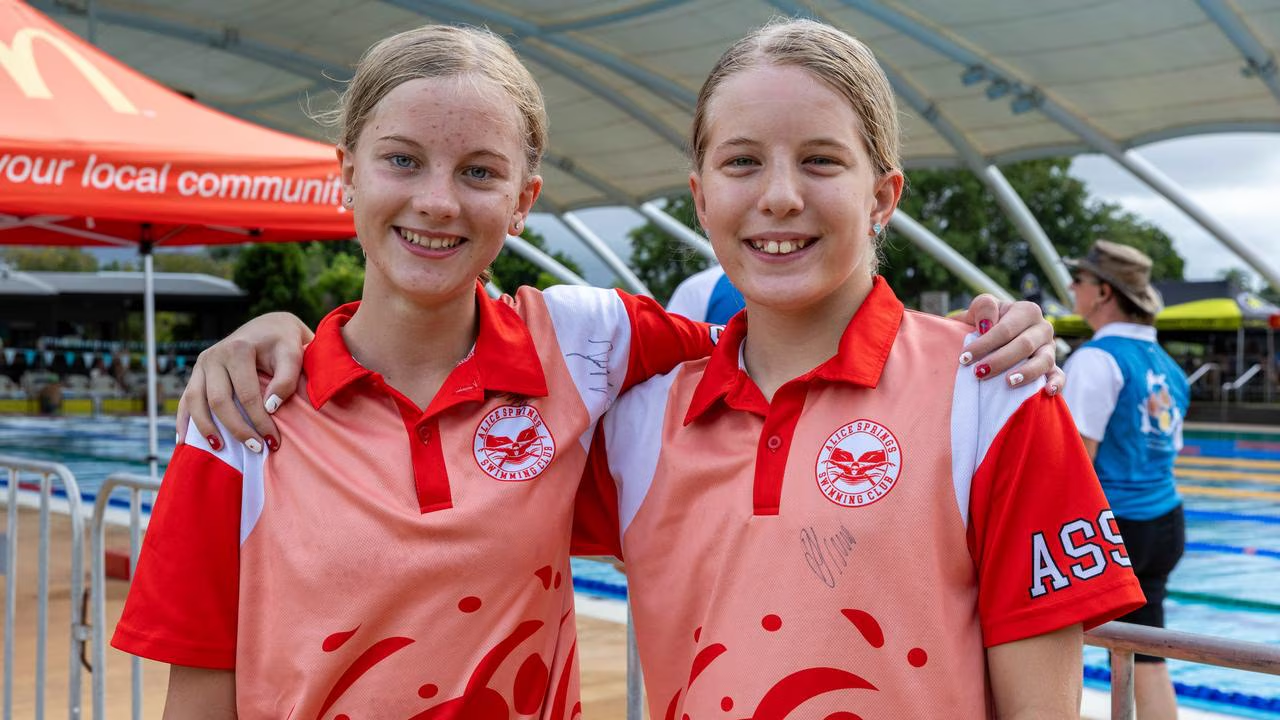
Can Child Athletes Use Insulin Pumps?
Children with type 1 diabetes can successfully participate in sports while using an insulin pump.
In fact, many young athletes—from recreational players to elite competitors—use insulin pumps to help manage their diabetes while maintaining an active lifestyle.
With proper planning, regular glucose monitoring, and individualized insulin adjustments, insulin pump therapy can provide the flexibility needed to support both athletic performance and safe blood glucose management.
Parents, coaches, teachers, and healthcare providers all play important roles in helping child athletes balance insulin therapy, nutrition, and physical activity.
Benefits of Insulin Pumps for Young Athletes
Insulin pumps offer several advantages over multiple daily injections (MDI), particularly for children who participate in sports on a regular basis.
Some of the key benefits include:
More precise insulin dosing, including very small increments
Adjustable basal insulin rates to match different activity levels
Easier correction of high blood glucose
Greater flexibility with meals and snacks
Fewer injections throughout the day
Improved ability to respond to changing exercise demands
These features allow many young athletes to maintain better glucose control before, during, and after exercise.
How Exercise Affects Blood Glucose
Physical activity can have different effects on blood glucose depending on the type, intensity, and duration of exercise.
Aerobic Exercise
Activities such as:
Running
Swimming
Cycling
Soccer practice
Basketball drills
often lower blood glucose because muscles use glucose more efficiently during sustained activity.
Without proper insulin adjustments or carbohydrate intake, hypoglycemia may occur during or several hours after exercise.
High-Intensity or Anaerobic Exercise
Activities such as:
Sprinting
Wrestling
Gymnastics
Weight training
Short, intense competitions
may temporarily raise blood glucose due to the release of stress hormones such as adrenaline. However, delayed hypoglycemia can still occur later during recovery.
Understanding how different sports affect glucose levels helps families develop personalized diabetes management plans.
Is It Safe to Wear an Insulin Pump During Sports?
In many cases, yes.
Whether a child can wear the pump during activity depends on:
The type of sport
The pump model
Safety considerations
Healthcare provider recommendations
For many sports, the pump can remain connected throughout the activity.
However, some contact sports may require temporary pump disconnection to reduce the risk of injury or device damage.
Examples include:
Wrestling
Martial arts
Rugby
Football
Hockey
If the pump is disconnected, parents and healthcare providers should develop a plan to minimize interruptions in insulin delivery.
Adjusting Insulin Before Exercise
Many children need less insulin before prolonged physical activity.
Possible strategies include:
Reducing the temporary basal rate before exercise
Decreasing meal bolus insulin before planned activity
Eating additional carbohydrates before exercise
Monitoring glucose more frequently
The exact adjustments should always be individualized under the guidance of the child’s diabetes care team.
Monitoring Blood Glucose During Sports
Frequent glucose monitoring is one of the most important safety measures for young athletes.
Blood glucose should generally be checked:
Before exercise
Every 30 to 60 minutes during prolonged activity
Immediately after exercise
Several hours later
Before bedtime following intense activity
Continuous Glucose Monitoring (CGM) systems can provide valuable trend information and alert families to rising or falling glucose levels during sports.

Preventing Exercise-Related Hypoglycemia
Hypoglycemia is one of the most common concerns for child athletes using insulin pumps.
Warning signs may include:
Shakiness
Sweating
Hunger
Dizziness
Difficulty concentrating
Irritability
Weakness
Blurred vision
Children should always have access to fast-acting carbohydrates such as:
Glucose tablets
Glucose gel
Fruit juice
Regular (non-diet) sports drinks
Hard candy
Parents, coaches, and teammates should know how to recognize and treat low blood glucose promptly.
Nutrition for Active Children Using Insulin Pumps
Proper nutrition supports both athletic performance and stable glucose levels.
A balanced sports nutrition plan typically includes:
Carbohydrates for energy
Lean protein for muscle recovery
Healthy fats
Adequate hydration
Planned snacks before prolonged exercise
Some children may need additional carbohydrates during long practices or competitions, especially if insulin doses have not been reduced.
Protecting the Insulin Pump During Sports
Physical activity increases the risk of accidental pump damage.
Helpful precautions include:
Using protective pump cases
Securing tubing under athletic clothing
Applying extra adhesive patches to the infusion set
Checking the infusion site after activity
Inspecting the pump for damage after falls or collisions
Children who sweat heavily may benefit from additional adhesive products to keep the infusion set securely attached.
The Role of Coaches and School Staff
Adults supervising sports activities should understand the child’s diabetes management plan.
Coaches should know:
How to recognize symptoms of hypoglycemia and hyperglycemia
When the child may need a glucose check
Where emergency supplies are stored
How to contact parents or guardians
When emergency medical services should be called
Clear communication between families and coaches helps create a safer sports environment.
Can Competitive Athletes Wear Insulin Pumps?
Absolutely.
Many elite athletes with type 1 diabetes successfully compete at national and international levels while using insulin pumps. With individualized insulin adjustments, careful glucose monitoring, and proper nutrition, diabetes does not have to prevent children from pursuing competitive sports.
Each athlete’s diabetes management plan should be tailored to the specific demands of their sport, training schedule, and personal glucose patterns.
Tips for Parents of Child Athletes
Parents can help support safe participation in sports by:
Developing an exercise plan with the diabetes care team.
Encouraging regular glucose monitoring.
Packing extra diabetes supplies for every practice and game.
Teaching children to recognize early symptoms of hypoglycemia.
Communicating with coaches and school personnel.
Reviewing glucose patterns after exercise to identify trends.
Ensuring the child stays hydrated before, during, and after activity.
Regular review of pump settings may also be needed as children grow and training intensity changes.
Final Thoughts
An insulin pump can be an excellent tool for child athletes, offering flexibility, precise insulin dosing, and improved glucose management during physical activity.
While exercise presents unique challenges, careful planning, regular glucose monitoring, appropriate insulin adjustments, and strong support from parents, coaches, and healthcare providers allow most children with diabetes to participate safely in nearly any sport.
With the right preparation and education, children using insulin pumps can enjoy the physical, social, and emotional benefits of sports while effectively managing their diabetes and achieving their athletic goals.
Tips for Managing Insulin Pump Therapy During Sports and Physical Activity
Participating in sports requires careful planning for children with diabetes, but an insulin pump offers the flexibility to make real-time adjustments based on the type and intensity of exercise.
Every child responds differently to physical activity, so learning how the body reacts over time is an important part of successful diabetes management.
Create an Individualized Exercise Plan
There is no one-size-fits-all approach to managing diabetes during sports.
A personalized exercise plan should be developed with the child’s diabetes care team and reviewed regularly as the child grows or changes sports.
The plan should include:
Target blood glucose ranges before exercise
Insulin adjustment strategies
Carbohydrate recommendations
Blood glucose monitoring schedule
Emergency treatment procedures
Contact information for parents and healthcare providers
Having a written plan is especially helpful for schools, sports clubs, and summer camps.
Check Blood Glucose Before Every Activity
Checking glucose before exercise helps determine whether it is safe to begin.
Depending on the glucose level, the child may need to:
Eat a carbohydrate snack before starting.
Delay exercise until glucose reaches a safe range.
Take a correction dose if glucose is elevated and ketones are absent.
Test for ketones if blood glucose is significantly high.
Children should never begin strenuous exercise if they have high blood glucose accompanied by moderate or large ketones.
Monitor During Long Practices and Games
Sports lasting longer than one hour may require additional glucose checks.
Children should monitor:
Every 30 to 60 minutes during prolonged activity
Whenever symptoms of hypoglycemia occur
After breaks or halftime
Before returning to play after treating low blood glucose
Continuous Glucose Monitoring (CGM) systems can provide valuable trend information, but finger-stick measurements may still be necessary if symptoms do not match CGM readings.
Stay Hydrated
Hydration plays an important role in both athletic performance and blood glucose management.
Dehydration may contribute to:
Higher blood glucose levels
Reduced athletic performance
Increased fatigue
Difficulty regulating body temperature
Children should drink water before, during, and after physical activity, with additional fluids during hot weather or extended exercise sessions.
Prepare for Delayed Hypoglycemia
One unique challenge of exercise is that hypoglycemia can occur several hours after activity has ended.
Delayed lows are especially common:
Overnight after afternoon or evening exercise
Following endurance sports
After tournaments or multiple games in one day
Parents may need to:
Monitor glucose more frequently after exercise.
Consider temporary basal rate adjustments if recommended by the healthcare provider.
Provide a bedtime snack when appropriate.
Review overnight CGM data.
Planning ahead can significantly reduce the risk of nighttime hypoglycemia.

Always Carry Emergency Supplies
Every child athlete should have immediate access to diabetes supplies during practices, games, and travel.
A sports diabetes kit should include:
Blood glucose meter
Test strips
Continuous glucose monitor receiver or smartphone (if used)
Fast-acting carbohydrates
Longer-acting snacks
Extra infusion set
Extra insulin
Backup insulin pen or syringe
Alcohol wipes
Ketone testing supplies
Glucagon emergency medication, if prescribed
Coaches should know where these supplies are stored and how to access them quickly.
Know When to Pause or Stop Exercise
Exercise should be stopped immediately if the child experiences:
Symptoms of severe hypoglycemia
Dizziness or fainting
Confusion
Chest pain
Difficulty breathing unrelated to normal exertion
Severe fatigue
Signs of diabetic ketoacidosis (DKA)
The child should not resume activity until blood glucose has stabilized and symptoms have resolved.
Traveling for Sports Competitions
Travel introduces additional considerations for children using insulin pumps.
Families should:
Pack twice as many diabetes supplies as expected.
Keep all diabetes equipment in carry-on luggage during flights.
Protect insulin from extreme temperatures.
Carry prescriptions and medical identification.
Account for time zone changes if traveling long distances.
Inform coaches and team staff about the child’s diabetes management plan.
Preparation helps reduce stress and ensures that treatment is available if unexpected issues arise.
Encourage Independence as Children Grow
As children mature, they should gradually learn to take a more active role in managing their diabetes.
Skills may include:
Checking blood glucose independently
Recognizing symptoms of high and low blood sugar
Responding to CGM alerts
Counting carbohydrates
Changing infusion sets with supervision
Communicating with coaches about diabetes needs
Building these skills increases confidence and prepares adolescents for independent diabetes management in adulthood.
Emotional Well-Being Matters
Living with diabetes while participating in sports can sometimes feel overwhelming, especially for young athletes who may worry about standing out from their peers.
Parents and coaches can help by:
Encouraging open communication about diabetes-related concerns.
Celebrating athletic achievements rather than focusing only on glucose numbers.
Promoting confidence and self-advocacy.
Helping teammates understand diabetes when appropriate.
Supporting participation in all activities whenever it is medically safe.
A positive, supportive environment helps children develop resilience and enjoy sports without feeling limited by diabetes.
Final Thoughts
An insulin pump can be a powerful tool for helping child athletes manage diabetes while staying active.
With thoughtful preparation, regular glucose monitoring, appropriate insulin adjustments, and strong support from parents, coaches, teachers, and healthcare professionals, most children with diabetes can safely participate in recreational and competitive sports.
Every child is unique, and successful diabetes management during exercise requires ongoing learning and individualized care.
By understanding how physical activity affects blood glucose and using the advanced features of insulin pump technology, young athletes can build confidence, improve their performance, and enjoy the many physical and emotional benefits of an active lifestyle.
Frequently Asked Questions About Child Athletes Using Insulin Pumps
Parents often have questions about how insulin pump therapy fits into an active lifestyle.
While every child is different, understanding the basics of exercise management can help families feel more confident and prepared.
Can Children Wear an Insulin Pump During All Sports?
Not always. Whether a child can wear an insulin pump during sports depends on the type of activity and the pump manufacturer’s recommendations.
For non-contact sports, the pump can often remain connected throughout the activity. Examples include:
Running
Tennis
Golf
Swimming (if the pump is waterproof or temporarily disconnected according to manufacturer instructions)
Cycling
Track and field
For contact or collision sports, healthcare providers may recommend temporarily disconnecting the pump or using protective equipment. Examples include:
Football
Wrestling
Martial arts
Rugby
Ice hockey
Always discuss sport-specific recommendations with your child’s diabetes care team.
Should Basal Insulin Be Reduced Before Exercise?
Many children benefit from a temporary reduction in basal insulin before planned physical activity. However, the amount and timing vary depending on:
The child’s age
Fitness level
Type of exercise
Exercise duration
Current blood glucose level
Previous experiences with similar activities
A diabetes care team can help determine safe and effective basal adjustments based on the child’s individual needs.
What Is the Best Blood Glucose Range Before Exercise?
There is no single target that applies to every child, but healthcare providers usually recommend beginning exercise when blood glucose is within an individualized safe range.
If glucose is:
Too low: The child may need a carbohydrate snack before starting.
Too high without ketones: A correction dose may be needed, depending on the situation.
High with moderate or large ketones: Exercise should be postponed until ketones have resolved and blood glucose improves.
Families should follow the specific targets provided by their diabetes care team.
Can Continuous Glucose Monitoring Improve Sports Safety?
Yes. Continuous Glucose Monitoring (CGM) has become an important tool for many young athletes.
Benefits include:
Real-time glucose readings
Trend arrows showing whether glucose is rising or falling
Alerts for high and low glucose levels
Better detection of overnight hypoglycemia after exercise
Reduced need for frequent finger-stick testing in many situations
However, children should still confirm glucose with a blood glucose meter if symptoms do not match CGM readings or when recommended by their healthcare provider.
What Should Coaches Know About Diabetes?
Coaches do not need to become diabetes experts, but they should understand basic safety principles.
Important information includes:
How to recognize hypoglycemia
How to recognize hyperglycemia
When the child should stop exercising
Where emergency supplies are stored
How to contact parents or emergency services
How to administer glucagon if trained and permitted by local regulations
Good communication between parents and coaches creates a safer environment for the child.
Can a Child Compete at an Elite Level While Using an Insulin Pump?
Absolutely.
Many athletes with type 1 diabetes have competed successfully at collegiate, professional, Olympic, and international levels.
Advances in insulin pump technology, Continuous Glucose Monitoring (CGM), and diabetes education have made it possible for many children with diabetes to pursue competitive sports safely.
Success depends on careful planning, consistent monitoring, and collaboration with healthcare professionals—not on avoiding physical activity.
What Supplies Should Be Packed for Every Practice or Competition?
Every child using an insulin pump should have access to a complete diabetes emergency kit.
Recommended items include:
Blood glucose meter and test strips
Continuous Glucose Monitor (CGM) receiver or smartphone
Fast-acting glucose
Snacks containing carbohydrates and protein
Extra infusion sets
Additional insulin reservoirs or cartridges
Backup insulin pens or syringes
Ketone testing supplies
Alcohol wipes
Adhesive patches
Pump charger or spare batteries (if applicable)
Glucagon emergency medication
Medical identification
Packing supplies in advance reduces stress and helps prevent interruptions in diabetes management.
How Can Parents Help Their Child Feel Confident?
Parents play an important role in helping children develop confidence both in sports and in diabetes management.
Helpful strategies include:
Encouraging independence gradually.
Practicing diabetes routines before competitions.
Celebrating effort rather than perfect glucose numbers.
Teaching problem-solving skills.
Encouraging open communication with coaches and teammates.
Reinforcing that diabetes is one part of life—not a limitation.
Children who understand their diabetes often become more confident, responsible, and prepared to manage challenges both on and off the field.
Final Conclusion
An insulin pump should never be viewed as a barrier to an active childhood.
On the contrary, modern pump technology provides many of the tools needed to support safe participation in sports by allowing flexible insulin delivery, customizable basal rates, and precise dosing adjustments.
Although physical activity presents unique challenges for children with diabetes, these challenges can be successfully managed through education, preparation, and teamwork.
Parents, healthcare providers, coaches, teachers, and the child all contribute to creating a safe and supportive environment.
With individualized diabetes management plans, regular glucose monitoring, proper nutrition, and the intelligent use of insulin pump technology, children with diabetes can run, swim, compete, train, and achieve their athletic goals just like their peers.
Sports not only promote physical fitness but also build confidence, resilience, teamwork, and lifelong healthy habits—benefits that every child deserves to experience.