
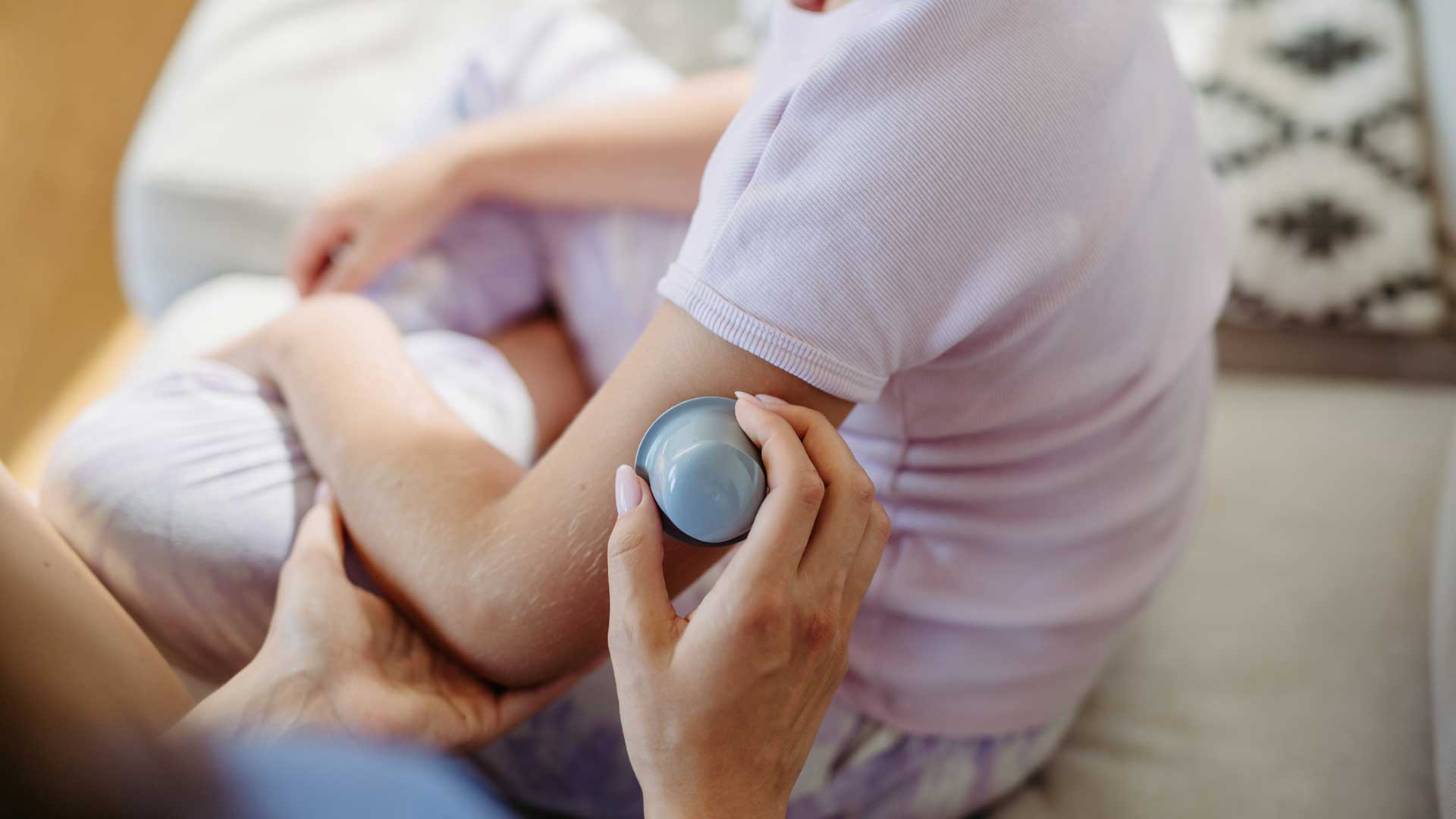
Adhesion of Glucose Sensors in Children: How to Prevent Them from Coming Off
Managing Type 1 Diabetes in children often involves the use of continuous glucose monitoring (CGM) systems. These small wearable devices provide real-time glucose readings and play a crucial role in maintaining stable blood sugar levels.
However, one common challenge faced by parents and caregivers is keeping the sensor securely attached to a child’s skin—especially in active, playful, and sweaty conditions.
This article explores why glucose sensors fall off and provides practical, evidence-informed strategies to improve adhesion and reliability in children.
Why Do Glucose Sensors Come Off?
Children’s lifestyles naturally create challenges for sensor adhesion:
High activity levels: Running, jumping, and sports increase friction and movement at the sensor site.
Sweating: Moisture weakens adhesive strength over time.
Water exposure: Swimming, bathing, and frequent handwashing can loosen adhesives.
Sensitive or oily skin: Skin type affects how well adhesives stick.
Improper application: Poor site preparation or incorrect placement reduces effectiveness.
Understanding these factors is the first step toward prevention.
1. Proper Skin Preparation
Good adhesion starts before the sensor is even applied.
Clean the skin thoroughly: Use soap and water to remove dirt, oils, and lotions.
Avoid oily or creamy products beforehand: These create a barrier that prevents sticking.
Let the skin dry completely: Even slight moisture can reduce adhesion.
Use alcohol wipes carefully: They can help remove oils, but the skin must dry fully before application.
For children with very sensitive skin, consider gentle, non-irritating cleansers.
2. Choosing the Right Site
Sensor placement is critical for both accuracy and adhesion.
Common sites include the back of the arm, abdomen, upper buttocks, or thigh.
Choose areas with less friction (avoid waistbands, tight clothing, or frequently bumped zones).
Avoid areas with excessive sweating or constant movement.
Rotate sites regularly to protect skin health and improve performance.
Each child may respond differently, so some trial and error is often necessary.
3. Using Adhesive Aids
Additional adhesive products can significantly improve sensor durability.
Barrier wipes or sprays: Create a tacky surface that helps the sensor stick better.
Adhesive patches (overpatches): Placed over the sensor to reinforce it.
Skin tapes: Medical-grade tapes can secure edges that start to peel.
These products are especially helpful for children involved in sports or water activities.
4. Application Technique Matters
How the sensor is applied can determine how long it stays in place.
Press firmly around the adhesive area after applying.
Hold pressure for several seconds to ensure full contact.
Avoid touching the adhesive surface before application.
Apply the sensor at a time when the child is calm and dry (not immediately after sweating or bathing).
Small details during application can make a big difference.
5. Managing Sweat and Water Exposure
Active children often sweat or spend time in water.
Apply sensors at least 1–2 hours before swimming or exercise to allow the adhesive to set.
Use waterproof overpatches for swimming.
Gently pat the sensor dry after water exposure—do not rub.
Consider timing sensor changes around activity schedules.
These steps help maintain adhesion despite challenging conditions.
6. Clothing and Daily Habits
What a child wears and how they move can affect sensor stability.
Choose loose-fitting clothing over the sensor site.
Avoid rough fabrics that may rub against the device.
Be cautious with backpacks, sports gear, or straps that may press on the sensor.
Simple adjustments in clothing can prevent accidental dislodging.
7. Skin Sensitivity and Protection
Some children experience skin irritation from adhesives.
Use barrier films to protect the skin before applying the sensor.
Hypoallergenic tapes can reduce irritation.
If redness or rash occurs, allow the skin to heal before reapplying in the same area.
Consult a healthcare provider if irritation persists.
Healthy skin improves both comfort and adhesion.
8. Reinforcing Edges Early
Don’t wait until the sensor is falling off.
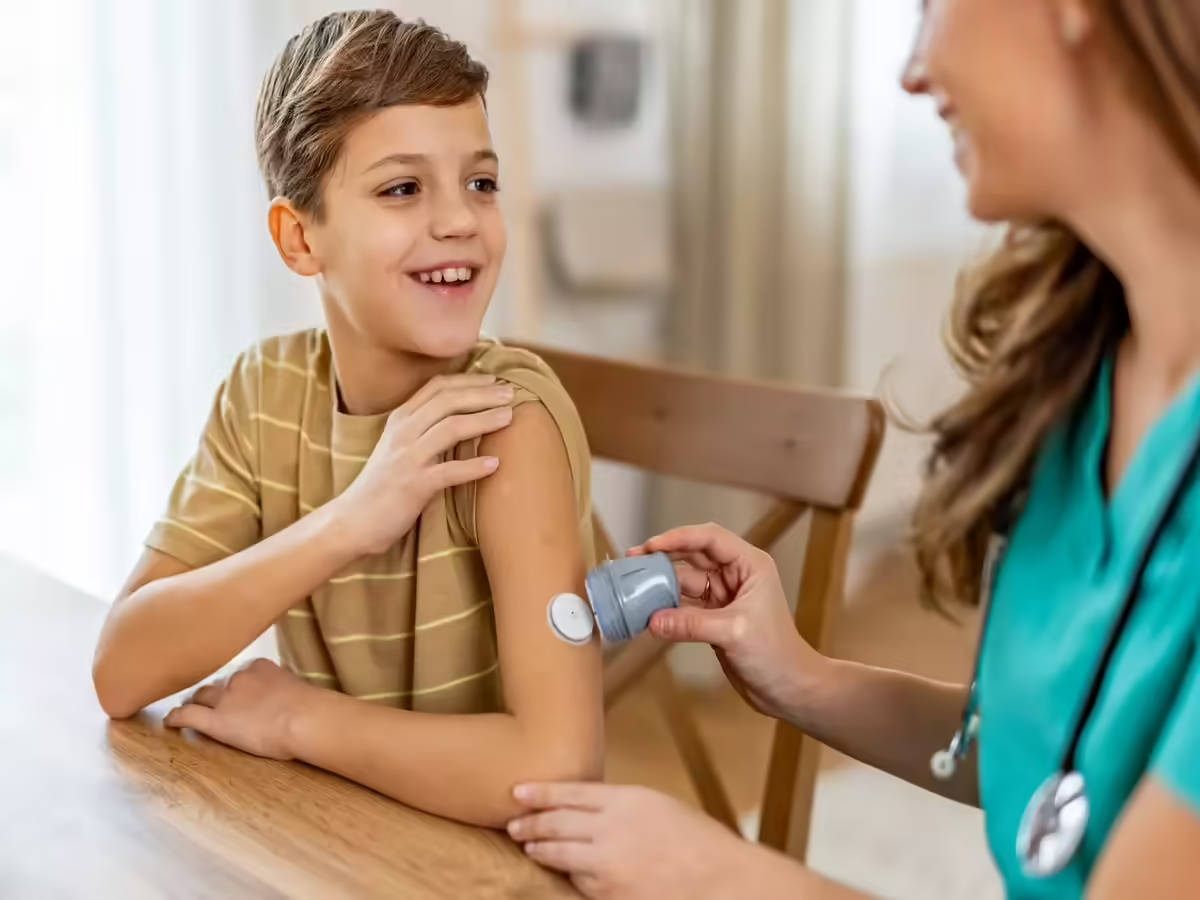
If edges begin to peel, reinforce them immediately with medical tape.
Early intervention can extend the sensor’s lifespan significantly.
9. Psychological and Practical Considerations
Children may pick at or play with their sensors out of curiosity or discomfort.
Educate the child about the importance of the sensor.
Use distraction techniques for younger children.
Make the device feel “normal” and part of daily life.
Confidence and cooperation from the child are key to success.
10. When Problems Persist
If sensors frequently fall off despite best efforts:
Try different adhesive products or brands
Experiment with new placement sites
Review application technique with a healthcare professional
Consider environmental factors like humidity or temperature
Persistent issues may require personalized solutions.
Conclusion
Continuous glucose monitoring has transformed the management of diabetes in children, offering better control, safety, and quality of life. However, maintaining proper sensor adhesion can be a real challenge—especially for active kids.
By focusing on skin preparation, correct placement, proper application, and the use of supportive adhesive products, parents and caregivers can greatly reduce the risk of sensors coming off prematurely.
Every child is different, so finding the best approach may take time and experimentation. With patience and the right techniques, it is possible to keep sensors secure, comfortable, and effective—allowing children to stay active while managing their condition confidently.
11. Seasonal and Environmental Factors
Adhesion is not only affected by activity level but also by the environment.
Hot weather: Increased sweating can weaken adhesives faster. In summer, extra reinforcement (like overpatches or adhesive sprays) is often .
Cold weather: Dry skin in winter may reduce natural stickiness. Using gentle moisturizers well before application (not immediately before) can help maintain skin balance.
Humidity: High humidity environments can shorten sensor wear time, requiring stronger adhesive support.
Adapting your approach based on the season can significantly improve sensor performance.
12. Timing of Sensor Changes
When you apply a new sensor can influence how well it adheres.
Avoid applying immediately after a bath, shower, or intense physical activity.
Choose a time when the child is cool, dry, and relaxed.
Evening application can be helpful for some families, as the child is less active afterward, allowing the adhesive to set overnight.
Giving the adhesive time to “settle” is often overlooked but very effective.
13. Layering Technique for Maximum Adhesion
Some families use a multi-step layering method for extra security:
Clean and dry the skin
Apply a barrier wipe (let it dry until tacky)
Insert the sensor
Add an overpatch or medical tape
Reinforce edges if needed
This layered approach is especially useful for children who:
Swim frequently
Participate in competitive sports
Have a history of sensors falling off early
14. Common Mistakes to Avoid
Even small mistakes can reduce adhesion:
Applying on damp or sweaty skin
Using lotion or oil before application
Touching the adhesive surface
Placing the sensor on high-friction areas
Ignoring early peeling edges
Avoiding these pitfalls can dramatically improve outcomes.
15. Working with Different Skin Types
Every child’s skin behaves differently:
Oily skin: May require stronger adhesives or more thorough cleaning
Dry skin: May benefit from hydration (hours before application)
Sensitive skin: Needs hypoallergenic products and protective barriers
There is no one-size-fits-all solution—customization is key.

16. Involving the Child in the Process
Children are more likely to cooperate when they feel involved.
Let them choose the sensor site (within safe options)
Allow them to pick colorful overpatches or stickers
Explain the purpose in age-appropriate language
Turning the process into something positive can reduce resistance and improve outcomes.
17. Backup Planning and Preparedness
Even with perfect technique, sensors may still come off unexpectedly.
Always keep spare sensors and adhesive supplies available
Carry a small “diabetes kit” when خارج از خانه
Have a backup method for glucose monitoring if needed
Preparation reduces stress and ensures continuity of care for children with Type 1 Diabetes.
18. Future Innovations in Adhesion Technology
The field of diabetes technology is rapidly evolving.
Newer CGM systems are being designed with stronger, more flexible adhesives
Research is ongoing into skin მეგობ-friendly مواد that reduce irritation while improving durability
स्मार्ट patches and improved materials may soon make adhesion issues far less common
These advancements will further improve quality of life for children living with diabetes.
Final Summary
Keeping glucose sensors securely attached in active children can be challenging, but it is manageable with the right approach.
Key strategies include:
Proper skin preparation
Choosing low-friction sites
Using adhesive aids and overpatches
Applying sensors at the right time
Reinforcing edges early
Adapting to environment and skin type
Consistency and attention to detail are the most important factors.
Closing Thought
For children managing diabetes, continuous glucose monitors are more than just devices—they are tools that enable freedom, safety, and confidence.
Ensuring that these devices stay securely in place allows children to focus on what matters most: playing, learning, and enjoying life without constant interruption.
19. Practical Routines for Different Lifestyles
Not all children have the same daily patterns, so tailoring adhesion strategies to lifestyle can make a big difference.
For Highly Active Children (Sports & Outdoor Play)
Apply the sensor well before activity (ideally several hours earlier).
Use strong adhesive barriers and overpatches from the start.
Choose placement sites less exposed to impact (e.g., back of the arm rather than abdomen for contact sports).
Keep extra tape in a sports bag for quick fixes.
For Swimmers and Water-Loving Kids
Select waterproof overpatches specifically designed for long exposure.
Press and seal the edges firmly before entering water.
After swimming, gently pat dry and check for early lifting.
Consider rotating to areas that stay more protected during swimming movements.
For Younger Children (Toddlers & Preschoolers)
Use extra-secure adhesives, since they are more likely to pull or scratch the sensor.
Cover the sensor with fun patches or stickers to discourage picking.
Apply during sleep or calm moments to reduce movement during insertion.
20. Troubleshooting Adhesion Failures
Even with careful preparation, problems can still occur. Here’s how to handle common issues:
Sensor falls off within 24 hours:
Likely due to poor skin prep or early sweating. Review cleaning and drying steps.
Edges peel after a few days:
Reinforce immediately with medical tape or an overpatch.
Repeated failures in the same spot:
Try a completely different body area—skin characteristics vary across the body.
Adhesive not sticking at all:
Consider switching to a different brand of adhesive aid or consult a healthcare provider.
Systematically identifying the cause helps prevent repeated frustration.
21. Role of Caregivers and Healthcare Providers
Parents and caregivers play a central role in ensuring successful CGM use.
Monitor sensor placement and adhesion daily
Educate the child about proper care
Communicate with diabetes care teams when issues persist
Healthcare providers can:
Recommend medical-grade adhesive products
Suggest alternative CGM systems if needed
Provide training on improved techniques
Managing Type 1 Diabetes is a team effort, and adhesion challenges should not be handled alone.
22. Building Confidence and Routine
Consistency builds confidence—for both the child and the caregiver.
Develop a step-by-step routine and follow it each time
Keep all supplies organized in one place
Track what works best (site, products, timing)
Over time, what initially feels complicated becomes second nature.
23. Balancing Security and Comfort
While strong adhesion is important, it should not come at the cost of comfort.
Avoid overly aggressive adhesives that irritate the skin
Check daily for redness, itching, or discomfort
Remove adhesives gently using appropriate techniques or removers
A comfortable child is more likely to tolerate and cooperate with long-term CGM use.
24. Gentle Removal Techniques
Removing sensors properly is just as important as applying them.
Use adhesive remover wipes or oils to loosen the glue
Peel slowly in the direction of hair growth
Avoid pulling quickly, which can irritate or damage the skin
After removal:
Clean the area
Allow the skin to rest before reapplying in the same spot
This helps maintain healthy skin for future applications.
25. Looking Ahead: Empowering Active Children
Continuous glucose monitoring has become a cornerstone in managing diabetes in children. While adhesion challenges are common, they are also highly manageable with the right knowledge and preparation.
For active children, secure sensor adhesion means:
Fewer interruptions during play and sports
More reliable glucose data
Reduced stress for both child and caregivers
Final Conclusion
Preventing glucose sensors from coming off in children is not about a single solution—it’s about a combination of techniques, consistency, and personalization.
By focusing on:
Proper skin preparation
Smart site selection
Effective use of adhesives
Lifestyle-specific adjustments
Ongoing monitoring and adaptation
families can significantly improve sensor performance and durability.
Closing Perspective
Children living with Type 1 Diabetes deserve the freedom to move, explore, and enjoy their childhood without constant interruptions. A well-secured glucose sensor becomes almost invisible in daily life—quietly supporting health, safety, and independence.
With the right strategies, what once felt like a constant struggle can turn into a smooth, reliable part of everyday care.