
A Complete Guide to Buying Diabetes Equipment for Traveling with a Child: From Insulin Refrigerators to Medical Power Banks
Traveling with a child who has diabetes can be both exciting and challenging. Beyond packing clothes and snacks, parents must carefully plan for safe storage, transportation, and operation of diabetes equipment, including insulin, glucose monitoring devices, and emergency supplies.
Proper preparation not only ensures health and safety but also reduces stress and allows the family to enjoy the trip.
This guide provides a detailed overview of diabetes travel equipment, storage solutions, and practical tips for parents.
1. Planning and Inventory: What to Bring
Before buying equipment, start with a comprehensive inventory of what your child needs:
Insulin and insulin pens (with doses for the entire trip, plus extra)
Insulin pumps and CGM devices (with spare infusion sets or sensors)
Glucose meters and test strips
Continuous glucose monitoring (CGM) transmitters and receivers
Medical identification (bracelets, cards, or apps)
Emergency glucagon kits or epinephrine auto-injectors
Sharps disposal containers
Alcohol wipes and bandages
Snack and carbohydrate supplies for hypoglycemia
Having a checklist before purchase ensures that you buy equipment tailored to portability, power needs, and climate considerations.
2. Insulin Storage on the Go: Travel Refrigerators and Coolers
Insulin is temperature-sensitive and must be kept between 36–46°F (2–8°C) before use. Traveling introduces challenges like long flights, hot weather, or lack of refrigeration.
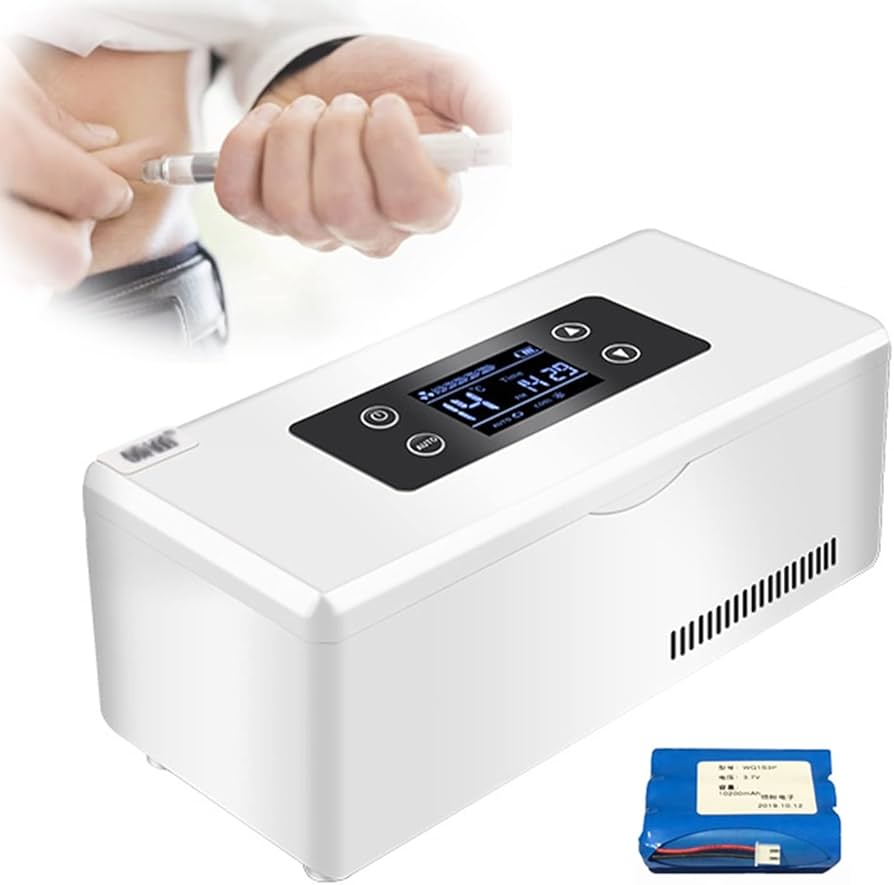
2.1 Mini Travel Insulin Refrigerators
Compact, lightweight, and battery or USB powered
Can maintain a stable temperature for insulin and vials/pens
Ideal for long trips, hotels, or car journeys
Some models include thermostat control and alarms to prevent overheating
2.2 Insulated Cooler Bags with Ice Packs
Lightweight, inexpensive, and TSA-approved
Maintain safe temperatures for several hours
Great for day trips, excursions, or outings
Use temperature indicator strips to ensure insulin stays within safe range
2.3 Key Tips for Insulin Storage
Pack extra vials or pens in case of loss or malfunction
Avoid storing insulin in checked luggage on flights; use carry-on with temperature control
Monitor insulin temperature frequently using digital thermometers
3. Power Solutions for Diabetes Devices: Medical Power Banks
When traveling, power availability is often unpredictable, yet insulin pumps, CGMs, and glucose meters require reliable power.
3.1 Portable Medical Power Banks
High-capacity, rechargeable battery packs
Designed to support insulin pumps, continuous glucose monitors, and smartphones
USB-powered models compatible with multiple devices
Some include DC output for medical-grade pumps
3.2 Backup Batteries
For pumps using AA or AAA batteries, carry extra fully charged spares
CGM receivers may also require rechargeable batteries or USB adapters
Ensure all chargers and power banks are airline-compliant and TSA-approved
3.3 Solar Chargers and Alternative Power
Useful for camping or remote travel
Can charge devices or power banks during daylight hours
Not always sufficient for continuous use—best as backup
4. Monitoring and Alert Devices
Continuous monitoring is critical for safe travel. Children may have different activity levels, meal schedules, and time zones, which can affect blood glucose.
4.1 Continuous Glucose Monitors (CGM)
Provides real-time glucose readings and trend alerts
Some models allow remote monitoring via smartphones
Waterproof or water-resistant CGMs are ideal for beach, pool, or outdoor activities
4.2 Blood Glucose Meters
Always carry a backup meter and strips
Useful in areas with limited cell service or when CGM fails
Ensure meter is calibrated for local altitude or temperature changes if traveling abroad
4.3 Alert and Reminder Devices
Mobile apps and smartwatches can send reminders for insulin, glucose checks, or meals
Audible alerts are particularly useful for children who may ignore mild hypoglycemia symptoms
5. Travel-Friendly Insulin Delivery Options
5.1 Insulin Pens
Lightweight, easy to carry, and temperature-tolerant for short periods
Ideal for airplane travel, excursions, or short-term trips
Ensure dose memory or digital logging if available
5.2 Insulin Pumps
Provide continuous insulin delivery
Require backup supplies and battery management
Waterproof pumps are advantageous for swimming, beach, or outdoor travel
5.3 Auto-Injectors for Emergencies
Epinephrine or glucagon auto-injectors are critical for emergency hypoglycemia or allergic reactions
Travel cases with labeled compartments make them accessible quickly
6. Temperature and Environmental Considerations
When traveling, insulin and devices are exposed to heat, cold, and humidity:
Airplanes: Cabin is generally temperature-controlled, but checked luggage can get very hot or cold
Beaches/Outdoor trips: Use insulated coolers for insulin; CGMs should be protected from direct sun and sand
Mountains/Cold climates: Keep insulin warm using insulated pouches or travel-friendly heaters
Desert or tropical climates: Use portable mini-fridges or insulated bags with temperature indicators
7. Organizing and Carrying Diabetes Equipment
A well-organized travel bag can prevent emergencies:
Compartmentalized travel bags: Separate insulin, pumps, CGMs, and meters
Color-coded pouches: Easy identification of emergency, daily, and spare supplies
Medical identification card: Clearly states condition, medications, and device information
TSA and customs preparation: Have letters from physicians for insulin, pumps, and medical supplies when flying
8. Tips for Safe Travel
Pack extra supplies: Include 2–3 days’ worth of insulin, batteries, and strips
Keep devices accessible: Never check insulin or pumps in luggage
Monitor glucose frequently: Travel schedules can disrupt meals and sleep
Plan for emergencies: Know local hospitals, pharmacies, or diabetes clinics at the destination
Label everything clearly: Mark insulin, pumps, and supplies as medical equipment for airport security
9. Recommended Equipment for Travel
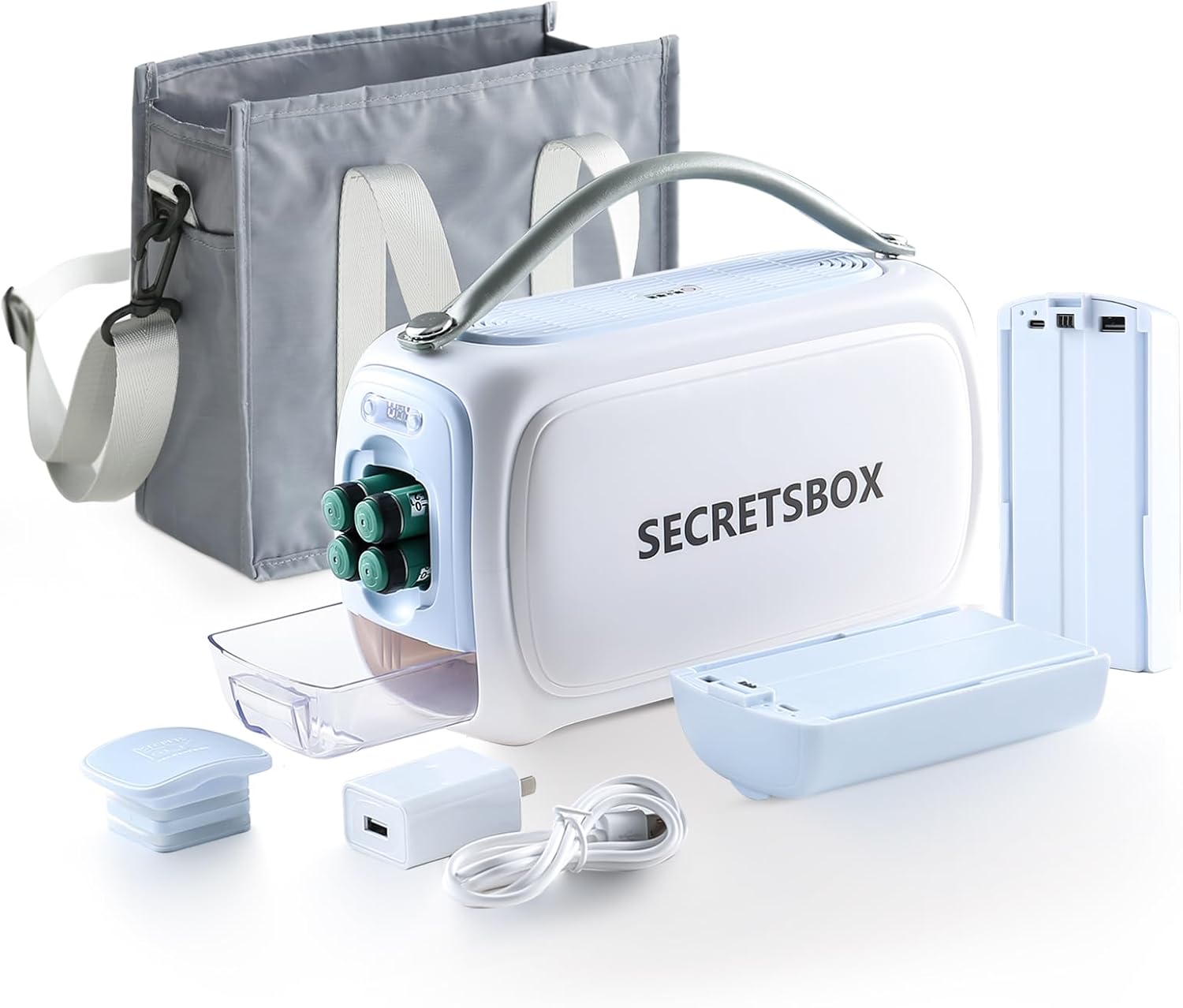
Portable mini-insulin refrigerators: Thermostat-controlled, battery or USB-powered
Insulated cooler bags with ice packs: Compact for day trips
Medical-grade power banks: Compatible with insulin pumps and CGMs
Backup glucose meters and strips
Emergency auto-injectors (glucagon/epinephrine)
Waterproof CGMs or pump covers for outdoor activities
10. Conclusion
Traveling with a child who has diabetes requires careful preparation and the right equipment. From portable insulin refrigerators and cooler bags to medical power banks, CGMs, and auto-injectors, every piece of equipment plays a role in keeping insulin stable, monitoring glucose safely, and preventing emergencies.
Proper planning ensures that diabetes management does not interfere with travel enjoyment, giving children the freedom to explore, play, and experience new environments while keeping their health and safety under control.
With the right travel equipment, organization, and preparation, families can confidently travel anywhere, knowing that their child’s diabetes care is portable, reliable, and secure.
Travel Checklist and Equipment Guide for Children with Diabetes
This guide is designed to help parents organize, buy, and pack diabetes equipment for safe and stress-free travel.
Insulin Storage Options
| Device | Pros | Cons | Best Use Case |
|---|---|---|---|
| Mini Travel Insulin Refrigerator | Maintains stable temperature, battery or USB-powered, can hold multiple vials/pens | Bulkier than coolers, higher cost, requires charging | Multi-day trips, hotels, long flights |
| Insulated Cooler Bag with Ice Packs | Lightweight, portable, inexpensive, TSA-friendly | Limited cooling duration, requires monitoring temperature | Day trips, excursions, outdoor activities |
| Thermal Pouches with Temperature Indicators | Monitors temperature, compact | Short-term use, may need ice packs | Short outings, pool or beach trips |
Tips: Always check the temperature with digital strips or thermometers and pack extra insulin in case of accidental spoilage.
Diabetes Devices and Accessories
| Device | Travel Considerations | Extras to Pack |
|---|---|---|
| Insulin Pump | Ensure waterproof or protective covers; carry battery packs | Extra infusion sets, batteries, insulin reservoir, user manual |
| CGM Device | Waterproof models preferred for pools or beaches; spare sensors | Extra transmitters, sensors, receivers, adhesive patches |
| Blood Glucose Meter | Always have a backup in case CGM fails | Test strips, lancets, alcohol wipes, extra batteries |
| Auto-Injectors (Glucagon/Epinephrine) | Keep accessible at all times | Expired replacements, training devices for practice |
Tip: Pack all devices in a dedicated compartment to prevent misplacement and confusion.
Power Solutions
| Device | Recommended Travel Solution | Notes |
|---|---|---|
| Insulin Pump | High-capacity medical power bank | Ensure compatibility with pump voltage; consider spare batteries |
| CGM Receiver / Smartphone | Portable USB power bank | Useful for remote monitoring apps |
| Emergency Backup | Solar charger or extra AA/AAA batteries | Ideal for camping, long road trips, or power outages |
Tip: Keep at least one fully charged power bank per device to avoid interruptions.
Emergency Supplies
Extra insulin for 2–3 days beyond planned travel
Backup glucose meters and test strips
Spare infusion sets and CGM sensors
Emergency snacks and fast-acting glucose (glucose tablets, gels)
Glucagon auto-injector for severe hypoglycemia
Epinephrine auto-injector if child has severe allergies
Medical ID bracelet/card with condition and medications
Sharps disposal container for safe handling
Organizational Tips
Use labeled pouches or compartments: Separate insulin, CGM supplies, and emergency kits.
Create a master checklist for each trip: Helps prevent forgetting supplies.
Carry critical items in your hand luggage on flights: Avoid checked baggage for insulin or pumps.
Pre-travel briefing: Inform teachers, guides, or caregivers about your child’s diabetes plan.
Special Considerations
Climate: Adapt storage based on heat, cold, or humidity at destination.
Time zones: Adjust insulin schedules carefully to avoid over- or under-dosing.
Travel duration: Pack enough insulin and supplies for unexpected delays.
Water activities: Use waterproof pouches or sensor covers for CGMs and pumps.
Remote locations: Plan backup access to local pharmacies or hospitals.
Packing Checklist for Travel
Insulin & Delivery Devices
Insulin vials/pens (plus extra)
Insulin pump & infusion sets
CGM device & spare sensors
Auto-injectors (glucagon, epinephrine)
Syringes/backup pens
Power & Accessories
Medical power bank(s)
Spare batteries (AA/AAA for pumps, meters)
USB cables & chargers
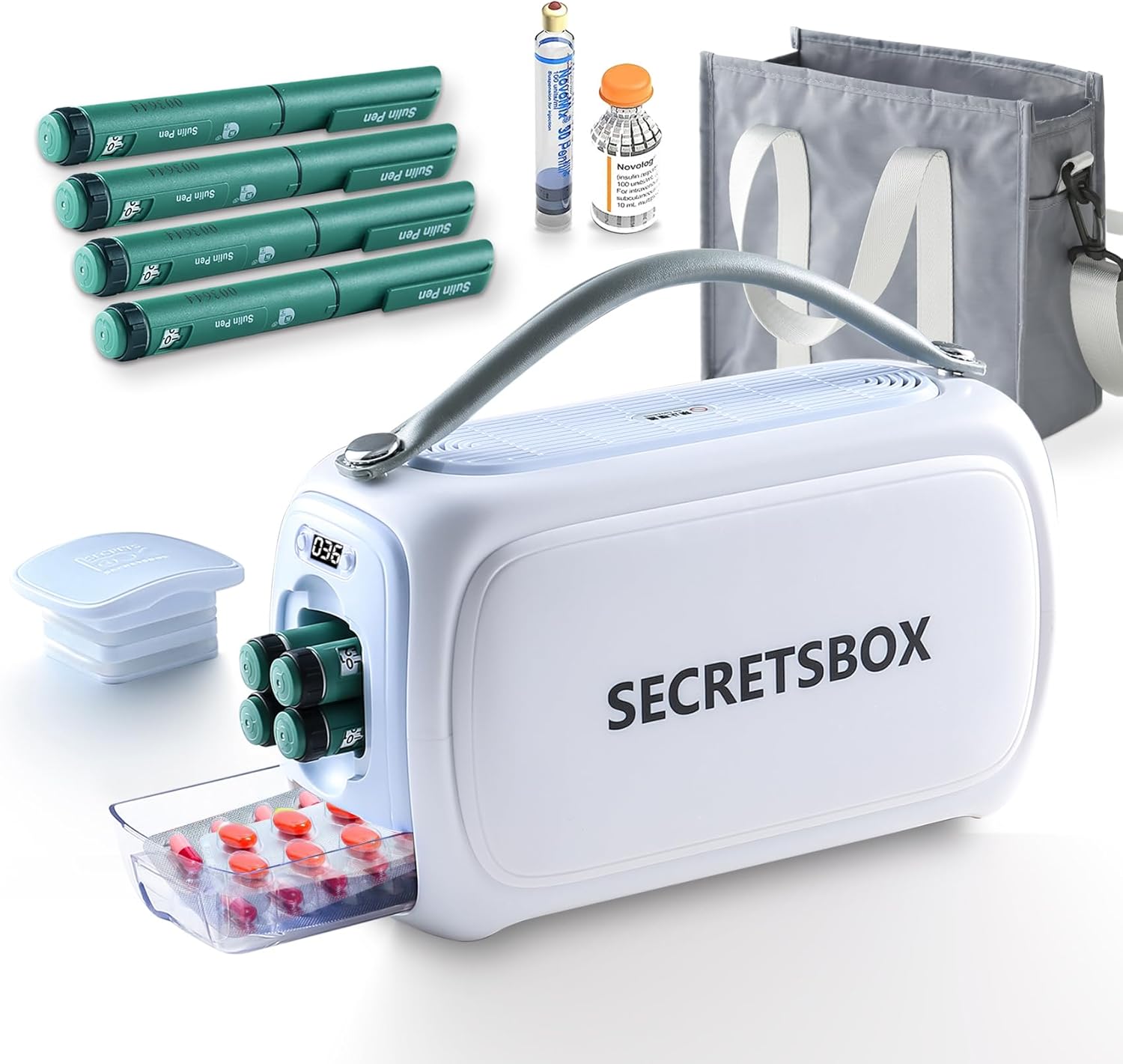
Portable mini-fridge or cooler bag
Monitoring & Testing
Glucose meter & test strips
Lancets & alcohol wipes
Spare CGM transmitter or receiver
Emergency & Miscellaneous
Hypoglycemia treatment (glucose gel, tablets, snacks)
Medical ID card or bracelet
Sharps disposal container
Travel documentation (physician letter for devices/insulin)
Practical Tips for Smooth Travel
Keep devices and insulin accessible during flights or car trips.
Check airline regulations for insulin, pumps, and power banks.
Monitor insulin and CGM temperatures frequently.
Maintain routine glucose checks, adjusting for travel, food, and activity.
Plan meals and snacks ahead to avoid unexpected hypoglycemia.
Practice using backup supplies in case a device fails.
Conclusion
Traveling with a child who has diabetes is entirely manageable with proper preparation, organization, and the right equipment. From portable insulin refrigerators and insulated coolers to medical power banks, CGMs, and emergency auto-injectors, careful planning ensures:
Safe insulin storage
Reliable glucose monitoring
Preparedness for emergencies
Reduced stress for both parents and children
By creating a comprehensive travel kit and following organizational tips, families can confidently enjoy trips, knowing their child’s diabetes care is secure, portable, and effective.
Visual Guide: Travel Kit for Children with Diabetes
This infographic-style guide organizes diabetes equipment into key categories, making it easy for parents to pack, organize, and use during travel.
Insulin Storage Solutions
| Option | Description | Travel Use |
|---|---|---|
| Mini Travel Insulin Refrigerator | Battery or USB-powered, thermostat-controlled | Ideal for multi-day trips, hotels, or long flights |
| Insulated Cooler Bag with Ice Packs | Lightweight, portable, TSA-friendly | Day trips, excursions, outdoor activities |
| Thermal Pouch with Temperature Indicators | Monitors temperature | Short outings, pool, beach trips |
Tip: Always check temperature and carry a backup insulin supply.
Insulin Delivery Devices
| Device | Travel Tip |
|---|---|
| Insulin Pen | Light, easy to carry, store in insulated pouch |
| Insulin Pump | Waterproof cover recommended for swimming or beach |
| Auto-Injectors (Glucagon/Epinephrine) | Keep accessible at all times; carry training device for practice |
Tip: Pack extra infusion sets, reservoirs, and pen cartridges.
Monitoring & Testing
| Device | Backup & Travel Tips |
|---|---|
| CGM | Waterproof models for outdoor/water activities; carry spare sensors |
| Blood Glucose Meter | Always have backup meter and strips |
| Smart Devices / Apps | Enable alerts and notifications; adjust for time zones |
Tip: Carry extra batteries or USB chargers for meters and CGMs.
Power Solutions
| Device | Recommended Travel Solution |
|---|---|
| Insulin Pump | Medical-grade power bank; spare batteries |
| CGM Receiver / Smartphone | USB power bank |
| Emergency Backup | Solar charger or extra AA/AAA batteries |
Tip: Keep devices charged before travel and check compatibility with local outlets.
Emergency Supplies
Hypoglycemia treatment (glucose gel, tablets, snacks)
Medical ID card or bracelet
Sharps disposal container
Spare insulin, infusion sets, and CGM sensors
Emergency medications (glucagon/epinephrine auto-injectors)
Tip: Organize in labeled compartments for quick access.
Organization Tips
Use color-coded pouches: insulin, monitoring devices, and emergency kit
Keep critical items in carry-on luggage
Create a pre-travel checklist
Inform teachers, guides, or caregivers about diabetes plan
Practical Travel Tips
Monitor insulin temperature frequently
Adjust meal timing and insulin doses for travel schedules
Carry 2–3 days of extra insulin and supplies
Practice using backup devices
Use waterproof covers for pumps and CGMs during water activities
Check airline regulations for insulin, pumps, and power banks
Quick Travel Checklist
Insulin & Delivery Devices
Insulin vials/pens
Insulin pump & infusion sets
CGM device & spare sensors
Auto-injectors
Backup syringes/pens
Monitoring & Testing
Blood glucose meter & strips
Lancets & wipes
Spare batteries/USB chargers
Power & Storage
Medical power bank(s)
Mini insulin fridge or insulated cooler
Thermal pouches for day trips
Emergency & Miscellaneous
Hypoglycemia snacks & gel
Medical ID card or bracelet
Sharps disposal container
Physician letter for devices/insulin
Key Takeaway
By using portable storage, reliable power solutions, and well-organized emergency kits, families can confidently travel anywhere while keeping a child’s diabetes care safe, accessible, and stress-free.