

A Child’s First Experience with an Insulin Pump: From Fear to Routine
Introduction
For many families of children with Type 1 diabetes, the decision to start insulin pump therapy marks a major turning point. It is often a moment filled with hope, excitement, uncertainty, and fear all at once.
Parents may wonder whether the pump will improve glucose control, reduce injections, and make daily life easier. At the same time, they may worry about technical problems, device failures, and the challenge of having a machine attached to their child’s body around the clock.
Children often have their own concerns:
Will it hurt?
Will my friends notice it?
Can I still play sports?
Can I sleep comfortably?
What if something goes wrong?
The journey from the first day with an insulin pump to the point where it becomes a normal part of life is rarely immediate. It is usually a gradual process involving adaptation, learning, frustration, confidence-building, and eventually routine.
For many families, the story of insulin pump therapy is not simply about technology. It is a story about overcoming fear, gaining independence, and learning to trust a new way of managing diabetes.
The Decision to Start Pump Therapy
Before the pump ever arrives, most families spend weeks or months considering the decision.
They often hear promises such as:
Better glucose control
Fewer injections
More flexibility
Improved quality of life
Yet these potential benefits can also feel intimidating.
Many parents ask:
“My child is doing reasonably well with injections. What if the pump makes things more complicated?”
Others worry about becoming too dependent on technology.
The decision is rarely made lightly because starting a pump changes the daily management of diabetes.
It requires education, commitment, and a willingness to learn new skills.
The Emotional Impact Before Day One
Long before the first infusion set is inserted, emotions begin to build.
Parents often experience:
Excitement
They hope the pump will make diabetes easier to manage.
Anxiety
They worry about making mistakes.
Responsibility
They understand that they must learn a completely new system.
Uncertainty
They wonder how their child will react.
Meanwhile, children may be imagining what life with a pump will actually look like.
Some are excited about having fewer injections.
Others are frightened by the idea of wearing a device continuously.
The First Training Session
The first training session is often overwhelming.
Families are introduced to concepts such as:
Basal insulin
Bolus insulin
Infusion sets
Temporary basal rates
Correction factors
Carbohydrate ratios
Pump alarms
For parents who have spent years managing diabetes through injections, it can feel like learning a new language.
Many leave the training session feeling both informed and intimidated.
This reaction is completely normal.
The pump offers more flexibility, but flexibility comes with complexity.
The First Infusion Set Insertion
For many children, the most emotional moment is the first infusion set insertion.
Questions immediately arise:
Will it hurt?
Is the needle large?
What will it feel like afterward?
In reality, many children discover that insertion is quicker and less painful than they expected.
However, anticipation is often far worse than the actual experience.
Some children cry.
Some become nervous.
Some refuse initially.
Others are surprisingly brave and curious.
Every child reacts differently.
The important thing is that the first insertion often becomes a defining memory in the transition process.
The First Night with a Pump
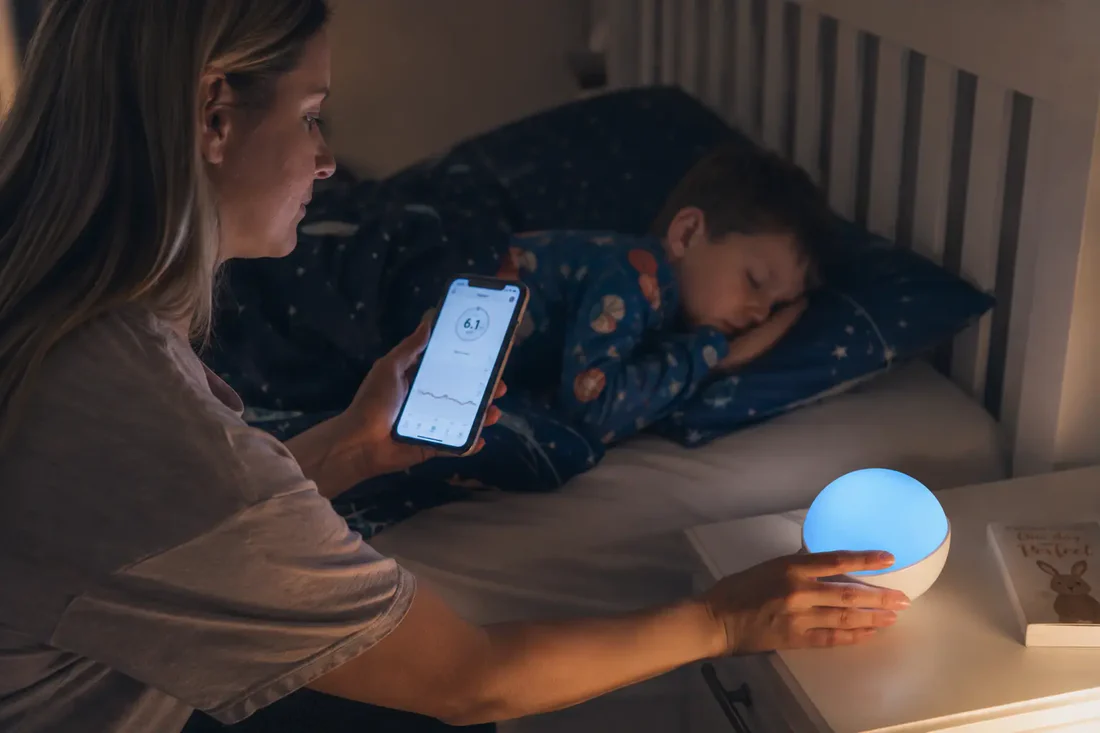
The first night can be surprisingly stressful for parents.
Even when healthcare professionals have explained everything thoroughly, many parents find themselves checking:
The pump screen
Glucose readings
Tubing connections
Alarm settings
more often than necessary.
Questions race through their minds:
Is insulin being delivered correctly?
What if the tubing disconnects?
What if glucose drops overnight?
What if the pump stops working?
Some parents sleep very lightly during the first few nights.
The pump may be attached to the child, but emotionally it often feels attached to the parents as well.
The Awareness Stage: Feeling the Pump All the Time
During the first few weeks, children are constantly aware of the device.
They notice it when:
Walking
Running
Sleeping
Changing clothes
Going to school
The pump may feel strange and intrusive.
Children sometimes describe it as:
“I always know it’s there.”
This heightened awareness is a normal part of adaptation.
The brain is adjusting to something new.
School: The First Big Test
Returning to school with an insulin pump can be both exciting and stressful.
Children often wonder:
Will classmates ask questions?
Will people stare?
What if the pump alarms during class?
What if it gets caught on something?
Many discover that classmates are less concerned than expected.
Children tend to adapt socially faster than adults imagine.
Some proudly explain their pump.
Others prefer privacy.
Both approaches are perfectly valid.
The first school week often represents an important confidence-building milestone.
Sports and Physical Activity
Physical activity is one of the first situations that challenges a new pump user.
Parents often worry about:
Device damage
Site dislodgement
Exercise-related hypoglycemia
Children may wonder whether they can still participate normally.
The reassuring reality is that most children return to:
Soccer
Swimming
Cycling
Gymnastics
Dance
Martial arts
with appropriate planning.
The first successful sports session often reduces a significant amount of anxiety.
It demonstrates that the pump does not prevent an active childhood.
The First Technical Problems
Every pump user eventually experiences technical challenges.
Common examples include:
Occlusion alarms
Site failures
Air bubbles
Adhesive problems
Disconnected tubing
When these occur for the first time, families often panic.
A glucose reading may rise unexpectedly.
An alarm may sound at an inconvenient moment.
Parents may immediately fear that they have done something wrong.
Over time, however, families learn that these situations are manageable.
Experience gradually replaces fear.
Learning Through Mistakes
One of the most important parts of pump adaptation is learning from mistakes.
Examples might include:
Forgetting a meal bolus
Incorrect carbohydrate counting
Delayed site changes
Misinterpreting glucose trends
These mistakes can feel discouraging.
However, they are also part of the learning process.
No family becomes an expert overnight.
Confidence develops through experience rather than perfection.
The Turning Point: When the Pump Feels Normal
Most families eventually reach a remarkable moment.
It may happen after:
A few weeks
A few months
Several months
Suddenly they realize:
“We didn’t think about the pump all day.”
This moment is significant.
The device has shifted from being a constant source of attention to becoming part of everyday life.
The pump is no longer something unusual.
It is simply another part of the routine.
The Child’s Growing Independence
As children become more familiar with pump therapy, many develop a stronger sense of independence.
They begin to learn:
How to bolus for meals
How to recognize patterns
How to respond to alerts
How to solve simple problems
This gradual transfer of responsibility is one of the most valuable aspects of successful diabetes management.
Children gain confidence not only in the technology but also in themselves.
Benefits Families Often Notice After Several Months
Many families report improvements such as:
Greater Flexibility
Meals and schedules become easier to adjust.
Fewer Injections
Daily needle use decreases significantly.
Better Overnight Management
Basal insulin can be adjusted more precisely.
Improved Glucose Stability
Many children spend more time within target glucose ranges.
Reduced Anxiety
Families often feel more confident managing unexpected situations.
Challenges That Remain
Even after adaptation, pump therapy is not perfect.
Children may still experience:
High glucose levels
Low glucose levels
Site issues
Device fatigue
The pump does not eliminate diabetes.
It changes the way diabetes is managed.
Understanding this distinction is important.
Technology can help, but it cannot remove every challenge.
What Parents Often Say One Year Later
Interestingly, many parents who were initially most nervous later say things such as:
“I cannot imagine going back to injections.”
This does not mean the transition was easy.
Rather, it reflects how thoroughly families adapt.
What once seemed complicated eventually becomes familiar.
The same pump that caused anxiety on the first day becomes a trusted tool.
Conclusion
The first experience with an insulin pump is rarely a simple medical transition. It is an emotional journey that affects both children and parents.
The beginning is often characterized by uncertainty:
Fear of the unknown
Concern about technology
Worries about daily life
The middle stage involves learning, mistakes, adjustments, and growing confidence.
Eventually, many families reach a point where the pump becomes part of normal life.
The greatest transformation is not technological—it is psychological.
The fear that once dominated every decision gradually fades.
The unfamiliar becomes familiar.
The intimidating becomes manageable.
And the device that once felt like a constant reminder of diabetes often becomes a tool that helps children focus less on their condition and more on the things that matter most: school, friendships, sports, family, and the simple joys of being a child.
In that sense, the journey from fear to routine is not merely about learning to use an insulin pump. It is about learning that diabetes technology can become a partner in everyday life rather than a source of constant worry.

A Child’s First Experience with an Insulin Pump: From Fear to Routine (Part 2)
When the Pump Stops Being a Medical Device
One of the most fascinating aspects of insulin pump therapy is how a child’s relationship with the device changes over time.
During the first days and weeks, the pump often feels like the center of attention.
The child notices it constantly.
Parents check it repeatedly.
Every alarm feels important.
Every glucose fluctuation seems connected to the new technology.
But after several months, something remarkable happens.
The pump gradually fades into the background of daily life.
The child may still wear it twenty-four hours a day, but mentally it occupies far less space.
This process is similar to wearing glasses for the first time.
Initially, the glasses feel unusual.
After a while, they become part of everyday life.
Many pump users eventually describe their device in the same way.
The First Vacation with a Pump
A family vacation is often one of the first major tests after starting pump therapy.
Parents frequently worry about:
Airport security
Long car rides
Swimming
Hot weather
Lost supplies
Pump malfunctions far from home
The first trip can feel intimidating.
Families often pack far more supplies than necessary.
Extra infusion sets.
Extra reservoirs.
Backup insulin pens.
Extra batteries.
Emergency snacks.
While this preparation is understandable, most families discover that travel becomes easier than expected.
In fact, many later report that pump therapy offers greater flexibility during vacations than injection-based therapy.
Meal schedules can change more easily.
Unexpected activities can be managed more conveniently.
Over time, travel becomes less stressful.
Sleepovers and Independence
For many children, sleepovers represent an important milestone.
Before pump therapy and modern glucose monitoring systems, sleepovers could be a major source of anxiety.
Parents often worried:
Who will recognize hypoglycemia?
What if my child forgets insulin?
What if something happens overnight?
When a pump is combined with continuous glucose monitoring, many families feel more comfortable allowing these experiences.
The technology does not eliminate all risks, but it can increase confidence.
For children, participating in sleepovers is about more than diabetes management.
It is about belonging.
It is about independence.
It is about experiencing childhood in the same way as friends.
The Child’s Relationship with Their Own Body
One unexpected effect of pump therapy is that many children become more aware of how their bodies work.
They begin noticing patterns such as:
Certain foods causing prolonged glucose rises
Exercise lowering glucose hours later
Stress affecting blood sugar levels
Illness creating insulin resistance
These observations help children develop a deeper understanding of diabetes.
Instead of simply following instructions, they begin recognizing cause-and-effect relationships.
This knowledge can become a powerful tool throughout adolescence and adulthood.
The Challenge of Device Visibility
Not every aspect of pump therapy is positive.
Some children struggle with the visibility of diabetes technology.
Questions may arise such as:
What if people ask questions?
What if someone notices the tubing?
What if my clothes don’t hide the pump?
These concerns become particularly common during adolescence.
Teenagers often place greater importance on appearance and social acceptance.
Some choose to wear pumps openly.
Others prefer to conceal them.
There is no right or wrong approach.
What matters most is helping young people feel comfortable and confident in their own choices.
When Technology Becomes Frustrating
Even successful pump users experience periods of frustration.
Examples include:
Unexpected alarms
Site failures
Adhesive issues
Technical updates
Rising glucose without an obvious explanation
Children sometimes become angry.
Parents sometimes become exhausted.
These reactions are normal.
Living with diabetes technology means accepting that no device is perfect.
Understanding this reality helps families maintain realistic expectations.
The goal is improvement, not perfection.
The Parent’s Transition: Learning to Let Go
One of the less discussed aspects of pump therapy is how it affects parents emotionally.
When children are newly diagnosed, parents often become deeply involved in every diabetes decision.
Over time, however, children grow.
They develop skills.
They gain confidence.
They learn how to manage more aspects of their condition independently.
For parents, this transition can be surprisingly difficult.
Even when a child demonstrates competence, parents may still feel anxious.
Questions linger:
Will they remember their bolus?
Will they respond to alerts?
Will they recognize a low blood sugar?
Learning to trust the child can sometimes be just as challenging as learning to trust the technology.
Adolescence and Pump Therapy
The teenage years introduce new challenges.
Hormonal changes often cause:
Increased insulin resistance
Greater glucose variability
More unpredictable patterns
At the same time, teenagers seek greater independence.
Pump therapy can help by providing:
Flexible insulin delivery
Data tracking
Easier correction dosing
However, technology alone cannot solve every challenge associated with adolescence.
Motivation, education, and emotional support remain critically important.
The pump is a tool, not a substitute for engagement.
The Social Side of Diabetes Technology
Many children initially fear that friends will react negatively to their pump.
In reality, curiosity is often more common than judgment.
Classmates may ask:
What is that device?
Does it hurt?
How does it work?
These conversations can become opportunities for education.
Many children eventually become comfortable explaining their condition.
Some even develop a sense of pride in managing a challenge that many others do not fully understand.
What Children Often Say After One Year
When children are asked about their pump experience after a year, common responses include:
“I forgot I was wearing it.”
This is perhaps the strongest sign of adaptation.
“I like not having so many injections.”
For many children, reducing daily injections remains one of the biggest advantages.
“It’s annoying sometimes, but I don’t want to stop using it.”
This statement reflects a realistic perspective.
Children often recognize both the benefits and inconveniences.
“I feel safer.”
Many children appreciate the additional support that technology provides.
Lessons Families Learn
After months or years of pump therapy, many families discover important lessons.
Perfection Is Not Required
There will still be high and low glucose readings.
This does not mean the pump has failed.
Technology Requires Patience
Every new system has a learning curve.
Confidence develops gradually.
Small Improvements Matter
Even modest reductions in stress can significantly improve quality of life.
Emotional Adjustment Takes Time
The psychological transition often lasts longer than the technical one.
Learning how to live with the device is just as important as learning how to operate it.
The Broader Impact on Family Life
Perhaps the greatest benefit of pump therapy is not any single feature.
Instead, it is the cumulative effect of many small improvements.
Families often report:
More flexible schedules
Reduced conflict around diabetes management
Better overnight confidence
Easier participation in activities
Greater overall freedom
These improvements may seem modest individually, but together they can significantly change daily life.
Looking Back: From Fear to Confidence
When families reflect on the beginning of their pump journey, they often remember the same emotions:
Fear
Uncertainty
Doubt
Anxiety
The pump seemed complicated.
The responsibility felt enormous.
The future was unclear.
Months later, many of those same families describe very different feelings:
Confidence
Familiarity
Trust
Routine
This transformation does not happen overnight.
It develops through experience, practice, mistakes, and success.
Final Reflection
The first experience with an insulin pump is rarely defined by technology alone. It is a deeply human experience involving adaptation, resilience, learning, and growth.
At the beginning, families often focus on the device itself:
The buttons
The tubing
The settings
The alarms
Over time, however, the focus shifts.
The pump becomes less important.
What becomes important is what the pump makes possible.
A child who can participate in sports with greater confidence.
A parent who sleeps more peacefully.
A family that spends less time worrying and more time living.
The journey from fear to routine is not about becoming dependent on technology. It is about reaching a point where technology quietly supports life rather than controlling it.
And for many children with diabetes, that transition represents one of the most meaningful milestones in their diabetes journey—a moment when the pump stops feeling like a burden and starts feeling like a partner in everyday life.